
There’s a Way to Stack Summer EBT With SNAP for Extra Produce Money, Few Families Know It

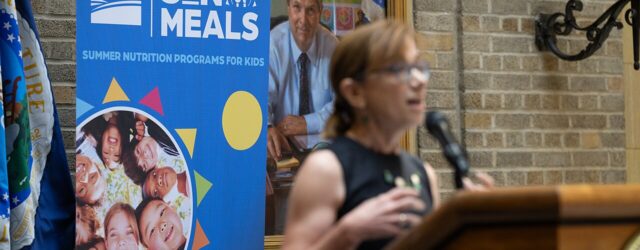
As summer food costs rise when school meals pause, federal nutrition programs are playing a larger role in household grocery budgets nationwide. The lesser-known opportunity is that families can use USDA’s SUN Bucks, also called Summer EBT, alongside regular SNAP benefits, and in some communities that combination can translate into extra produce money at participating markets.

USDA’s SUN Bucks program adds $120 per child, and it can be used alongside SNAP

The U.S. Department of Agriculture’s Food and Nutrition Service states that SUN Bucks provides $120 per eligible school-age child for summer groceries, with benefits issued in participating states, Tribal nations, and territories. The agency updated its national SUN Bucks page on February 25, 2026, and said many children in households already receiving SNAP, TANF, FDPIR, or certain other income-based benefits are enrolled automatically.

That matters because SUN Bucks does not replace a family’s standard SNAP allotment. Instead, USDA says the summer benefit may be added to an existing SNAP EBT account or issued on a separate EBT card, depending on how a state runs the program. In practice, that means a household can draw from both its regular SNAP balance and its summer child benefit during the same season.

USDA also confirms that SUN Bucks can be spent at many of the same places that accept SNAP, including grocery stores, farmers markets, convenience stores, and some online retailers. Eligible purchases include fruits and vegetables, dairy, meat, breads, cereals, snack foods, and nonalcoholic drinks, while hot foods, household supplies, hygiene items, and medicine are excluded under federal rules.

The extra produce value depends on local farmers markets and nutrition incentive programs

The produce-boosting part of the strategy is more limited and more local. USDA says farmers markets can accept SNAP through approved EBT systems, and markets that operate central payment systems may use tokens, paper scrip, or receipts so shoppers can buy eligible foods from multiple vendors.

Separate produce-matching programs, commonly known under names such as Double Up Food Bucks, are not a universal federal benefit. Instead, they are typically funded through the USDA-backed Gus Schumacher Nutrition Incentive Program, or GusNIP, and administered by nonprofits, markets, and community partners. Double Up America says participating sites generally match SNAP spending with additional dollars for fresh fruits and vegetables, often up to a daily cap such as $20 per day, though the exact rules vary by location.

What is not confirmed nationally is a single list of markets where SUN Bucks transactions automatically trigger the same match. Public guidance consistently describes these incentives as tied to participating stores and markets, and families usually need to shop at a site that specifically runs a nutrition incentive program. A comprehensive nationwide list of every market that accepts both SUN Bucks and offers a produce match has not been released by USDA.

Why this matters for families facing summer grocery pressure

The broader reason this stacking strategy matters is simple: summer shifts food costs from school cafeterias to household kitchens. USDA’s Economic Research Service said SNAP served an average of 41.7 million participants per month in fiscal year 2024, underscoring how many households rely on food assistance as grocery prices remain a concern.

Nutrition incentive programs were built around a related goal. USDA’s National Institute of Food and Agriculture says GusNIP funds projects designed to increase the purchase and consumption of fruits and vegetables among eligible households. That framework explains why produce-match programs are often found at farmers markets and community grocers rather than embedded automatically into every EBT transaction.

For families, the practical takeaway is that SUN Bucks and SNAP can legally be used in the same summer budget, but the “extra produce money” depends on local participation. USDA says households can use the SNAP Retailer Locator and state SUN Bucks information to identify authorized retailers, while Double Up-style programs publish their own participating sites. The result is not a new national bonus layered onto every purchase, but a location-specific way to stretch federal benefits further where matching programs are already in place.
8 Restaurants Are Letting Kids Eat Free This Summer, and Most Parents Have No Idea

Families across the U.S. are still looking for ways to keep dining-out costs down as restaurant prices remain elevated compared with pre-pandemic levels. This summer, at least eight restaurant chains are tied to kids-focused meal promotions or standing child-discount policies, though the fine print differs widely by brand and location.

Which restaurant chains have confirmed summer kids deals

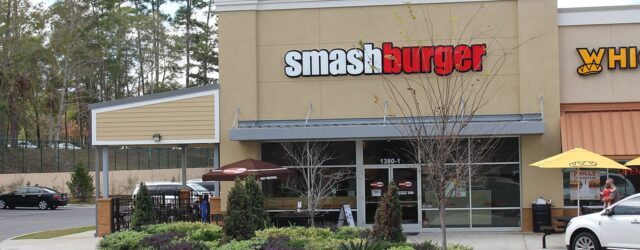
Among the clearest verified offers is Smashburger’s 2026 promotion. The company states on its official terms page that kids 12 and under can get a free kids meal every Wednesday from January 1, 2026, through December 31, 2026, with the purchase of an adult meal that includes an entrée, side, and drink, and only at participating in-store locations.

Fogo de Chão also has a standing family dining policy rather than a limited-time summer coupon. The company’s FAQ says children 6 and under receive complimentary dining for the Full Churrasco Experience, while children ages 7 to 12 dine at half price. Fogo repeats that policy across its menu materials and multiple location press releases, indicating it is part of the brand’s regular positioning for family visits.

Some of the other brands circulating in roundup stories are harder to verify at the national level from official public pages. Cicis confirms adult and kids buffet pricing on its site, but the company page reviewed did not publicly confirm a chainwide “kids eat free” summer offer. Denny’s has a location directory and other corporate materials online, but the company page reviewed did not provide a current national kids-eat-free terms page. Main Event publicly promotes a separate Kids Bowl Free special through November 30, 2026, but the reviewed official material did not confirm a chainwide Tuesday free meal offer tied to an $11.99 food purchase.

What is confirmed nationally, and what still depends on local restaurants

The biggest issue for parents is that “kids eat free” often means different things at different chains. Smashburger publishes a list of participating locations, showing the Wednesday offer is not universal across every restaurant. That makes it one of the more transparent national promotions because customers can verify by address before visiting.

Fogo de Chão’s policy appears broader, but it still applies to a specific offering: the Full Churrasco Experience. The company notes that pricing and availability may vary for other menu items or special events, so the free meal language does not necessarily extend to every part of the menu.

For several additional brands named in secondary coverage, the public record is more fragmented. Bob Evans, Wings and Rings, and Chick-fil-A may have app-based, franchise-level, or local-store promotions, but the reviewed official materials did not show a current national webpage confirming all of the terms described in the roundup source. Denny’s is especially location-dependent; even when kids meal promotions are offered, they are commonly limited to certain hours and participating restaurants. In those cases, the companies have not released a comprehensive national list of locations or standardized terms on the pages reviewed.

Why these promotions matter for summer diners

These offers are appearing as restaurant operators try to hold onto value-focused families while menu prices remain a concern. Chains are increasingly using limited-day traffic drivers, loyalty programs, and in-store-only redemption rules to bring customers in during slower periods, as shown by Smashburger’s Wednesday-only structure and participating-location list.

The same strategy helps explain why some deals are not truly nationwide. Franchise-heavy systems often allow local operators to decide whether to participate, which can create inconsistent pricing and redemption rules from one city to the next. That is why broad social-media claims about “free kids meals” do not always match what customers find at the register.

For customers, the practical takeaway is straightforward. The most clearly verified national summer child-meal offers reviewed here are Fogo de Chão’s standing age-based dining discount and Smashburger’s Wednesday promotion running through December 31, 2026. Other brands may still offer savings, but the available official materials show that participation, timing, and eligibility can depend on the local restaurant rather than a chainwide summer policy.

Grocery Discounts Are Everywhere Right Now, But Experts Say Not All of Them Are Real

Grocery stores are leaning hard on discount language right now. But a lower-looking price does not always mean a lower-cost basket.

That disconnect matters more in 2026 because shoppers are still feeling the aftereffects of several years of elevated food costs, even as overall inflation has cooled. Experts say the result is a retail environment where promotions are everywhere, yet true savings require more scrutiny than many people realize.

Why “sale” no longer guarantees savings

Official data helps explain why shoppers are so alert. According to the Bureau of Labor Statistics, food-at-home prices in May 2026 were 2.7% higher than a year earlier, while the monthly increase from April was 0.1%. USDA’s Food Price Outlook similarly shows grocery inflation has moderated, but not disappeared, which means households are still highly sensitive to even small changes at the shelf.

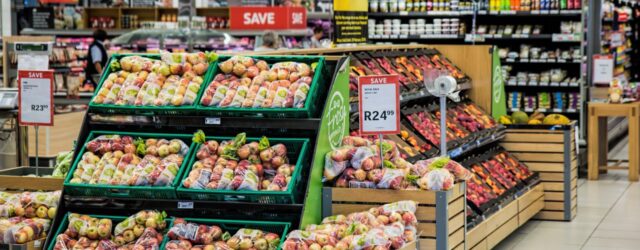
That pressure has made promotions more central to how supermarkets compete. Red placards, digital coupons, temporary markdowns, and loyalty-only offers all create the impression that bargains are abundant. But pricing experts say the visual cue of a “deal” often does more work than the actual price reduction, especially when shoppers are moving quickly through the store.

A recurring problem is the comparison point. A tag may advertise a discount off a “regular” price that was used only briefly, or it may spotlight a markdown while a nearby private-label version still costs less per ounce. The National Institute of Standards and Technology’s updated unit pricing guide stresses that unit pricing remains one of the clearest ways to compare value across brands, package sizes, and promotional formats.

Shrinkflation adds another layer. A package that costs the same as last year can still be effectively more expensive if it contains less product. Researchers and consumer advocates have warned that smaller pack sizes can mask price increases, which is why experts increasingly recommend comparing ounces, pounds, or counts rather than relying on the front-of-package sale message alone.

The rise of member pricing, app deals, and checkout surprises

Some of today’s biggest “discounts” are only available if shoppers hand over data first. Supermarkets now heavily promote loyalty pricing, app-only coupons, and personalized offers that can make the nonmember shelf price look artificially high. Consumer Reports said in 2025 that Kroger collected extensive loyalty-program data and used it to make detailed inferences about shoppers, raising broader concerns about how pricing and targeting may work behind the scenes.

The issue is not limited to in-store aisles. In April 2026, the Federal Trade Commission sought public comment on allegedly unfair or deceptive pricing practices in online food and grocery delivery, including whether total costs are clearly disclosed. The agency pointed to its December 2025 settlement with Instacart over allegations that “free delivery” offers were paired with fees not clearly disclosed until checkout.

That has sharpened skepticism around digital grocery discounts more generally. Reuters reported in December 2025 that Instacart ended item-price tests after criticism that some shoppers were shown different prices for the same grocery items at the same time. For consumers, that episode reinforced a simple lesson: a displayed discount is only meaningful if the baseline price and final price are both transparent.

Even electronic shelf labels, which some shoppers fear could enable instant surge pricing, are more complicated than the public debate suggests. An Associated Press report on a 2025 academic study found virtually no evidence that the labels triggered widespread demand-based price spikes at one grocery chain. The bigger concern for many experts is less dramatic but more common: confusing pricing structures that make comparison harder.

How smart shoppers can tell a real discount from a fake one

The most reliable test is still the unit price. If the sale cereal is cheaper on the box but costs more per ounce than the store brand beside it, the promotion is not saving money. That is exactly why pricing specialists and weights-and-measures officials keep emphasizing standardized unit labels as one of the best defenses against misleading discount framing.

It also pays to inspect the mechanics of the offer. “Buy 3” promotions can be useful, but only if the per-item price beats alternatives and the household will actually use the food before it expires. A temporary markdown on yogurt or berries is not a bargain if spoilage turns part of the purchase into waste.

Shoppers should also be careful with app-exclusive deals and delivery baskets. Fees, substitutions, and minimum-order thresholds can erase the headline savings by the time the order is finalized. The FTC’s recent scrutiny of grocery-delivery pricing reflects how often the most important number is not the shelf tag or homepage banner, but the full total at checkout.

The broader takeaway is simple: discounts are real only when the final value is real. In a market where grocery prices remain elevated versus pre-2020 levels and promotional tactics are getting more sophisticated, experts say the best shopping habit is to slow down, compare the unit price, and treat every flashy markdown as a claim that needs proof.

A Free Food Trend Is Quietly Feeding Entire Neighborhoods, and It’s Spreading Fast

As grocery prices remain above year-ago levels and food insecurity persists in the United States, neighborhood-based food sharing systems are gaining traction alongside traditional food banks. The latest sign of that shift came on May 8, 2026, when University of Washington researchers announced a new Seattle-area mapping pilot for micropantries and community fridges, underscoring how a once-local mutual-aid tactic is becoming easier to find and replicate.

Community fridges are scaling from isolated projects into mapped local networks

Community fridges are publicly accessible refrigerators or pantry sites stocked with free food, typically maintained by volunteers, neighborhood groups or small businesses rather than large charities. Freedge, one of the best-known organizations in the space, says it promotes equal access to healthy food through community fridges and directs users to a public locations map that tracks participating sites. In New York, the mutual-aid group In Our Hearts says its tri-state network includes more than 100 refrigerators placed outside stores, businesses, community centers, homes and churches.

That local scale is now being paired with more formal tracking. On May 8, 2026, the University of Washington said researchers launched PantryMap.org, an experimental tool that maps many Seattle-area micropantries and community fridges and lets users post stock updates, requests and photos. The university said some sites were also retrofitted with sensors to report usage and stock levels in real time.

What remains unconfirmed is a single national count. No federal agency or national nonprofit has published a comprehensive, verified total for all community fridges and free pantries operating in the United States. But separate maps, city networks and research pilots show the movement has moved beyond one-off installations and into repeatable neighborhood infrastructure.

The local impact is most visible in cities where residents can find food at any hour

The state and local effects vary widely because these networks are decentralized and volunteer-run. In New York, In Our Hearts describes community fridges as a 24/7 anonymous food resource and says the model now operates across the tri-state area and in many U.S. cities. In Virginia, the Find a Fridge VA project maps fridges and pantries across the Commonwealth, including Richmond and Hampton Roads, showing how statewide directories are beginning to connect otherwise separate mutual-aid efforts.

Seattle offers one of the clearest recent examples of local expansion because the University of Washington pilot added a digital layer to existing pantry and fridge activity. The university said PantryMap.org was designed so anyone interacting with community fridges or micropantries could share updates about availability and demand. That matters in neighborhoods where residents may need to know not just where a fridge is located, but whether it is stocked before making the trip.

Even so, gaps remain. Organizers and researchers have not released a complete city-by-city national inventory, and many refrigerators are maintained informally, which means openings, closures and relocations may not appear in public databases right away. The result is strong neighborhood visibility in some places and limited public tracking in others.

Rising food strain and food waste are driving the model’s spread

The broader context helps explain why the trend is spreading. The USDA’s Economic Research Service reported that 13.7 percent of U.S. households were food insecure in 2024, while 5.4 percent experienced very low food security. The same federal data underscores why low-barrier access matters: many households need food help, but not all of them use formal assistance channels or qualify easily for every program.

At the same time, food prices are still elevated. USDA’s June 2026 Food Price Outlook said the food-at-home Consumer Price Index, a gauge for grocery costs, was 2.7 percent higher in May 2026 than in May 2025. That does not represent a crisis spike, but it does mean food purchased for home use remains more expensive than it was a year earlier, which can intensify pressure on household budgets.

There is also a waste-reduction argument behind the expansion. EPA says the United States has a national goal to cut food loss and waste by 50 percent by 2030, and the agency has reported that food waste in landfills is a major source of methane emissions. In practice, community fridges and free pantries sit at the intersection of those two pressures: they move usable food into neighborhoods quickly, while giving residents a direct, local way to respond when conventional systems do not reach everyone.

10 Food Habits Are Quietly Disappearing With the Baby Boomer Generation, and Few Are Talking About It

Some food traditions do not vanish with a headline. They fade in small, ordinary ways, one family table and one grocery list at a time.

That is exactly what is happening with a set of habits strongly associated with the Baby Boomer generation. As younger Americans eat more flexibly, more digitally, and more often away from a formal table, older rituals are slipping out of daily life.

The table rituals that once structured the day

One fading habit is the fixed-hour family supper. For many Boomers, “supper” was not just a meal but a schedule, with everyone expected at the table and the menu built around meat, starch, and vegetables. USDA researchers have documented a decades-long shift toward eating more food away from home, a major change from the home-centered patterns that shaped midcentury households. That change weakens the old expectation that dinner happens at one place, at one time, with one shared menu.

A second disappearing habit is the formal, fully set table on ordinary weeknights. Cloth napkins, matching dishes, serving bowls passed by hand, and a no-snacking-before-dinner rule once gave meals a sense of ceremony. The National Restaurant Association has also noted a strong generational divide in how younger adults treat meals, with takeout, delivery, and convenience playing a much larger role than they did for Boomers. As food becomes more individualized, the old model of everyone eating the same plated meal keeps losing ground.

Then there is the relish tray, the before-dinner vegetable-and-pickle spread that once signaled hospitality in many Midwestern homes and supper clubs. National Geographic recently described the relish tray as a staple of traditional Wisconsin supper club culture, while long-running coverage of the region’s dining scene has noted that some clubs have already moved away from it. That matters because the relish tray represents a larger disappearing habit: beginning a meal with a shared, low-cost ritual rather than a personalized appetizer or phone-order add-on.

The dishes and shortcuts that defined Boomer-era kitchens

Few foods symbolize Boomer entertaining more than molded salads and gelatin-based side dishes. Jell-O salads once occupied a proud place at church suppers, holiday buffets, and neighborhood potlucks, but they now survive mostly as nostalgia, regional holdouts, or ironic retro revivals. Food historians have traced their fall to changing tastes, declining interest in savory gelatin dishes, and a broader move away from the tidy, decorative convenience foods that dominated postwar kitchens.

Another fading habit is the casserole as a default weeknight solution. Boomers grew up in an era when one-dish meals stretched ingredients, fed families efficiently, and produced dependable leftovers. Leftovers themselves were part of the system: roast on Sunday, sandwiches on Monday, soup after that. Today’s meal planning is often less linear, with more frozen options, restaurant leftovers, and grab-and-go eating replacing the old discipline of purposeful reuse.

Breakfast tells a similar story. Axios reported that cereal has been losing ground as Americans, especially younger consumers, shift toward protein bars, breakfast sandwiches, shakes, and portable foods. That does not mean Boomers invented cereal, but they helped normalize the sit-down breakfast of toast, juice, and a bowl on the kitchen table. As mornings become more compressed, breakfast increasingly looks like a transaction rather than a household ritual.

Why these habits are disappearing so quietly

One reason these habits are fading without much discussion is that they were never marketed as “traditions” in the first place. They were simply normal life: clipping recipes, keeping handwritten cards, cooking from church or PTA cookbooks, and repeating the same company dishes for decades. Those practices still exist, but they now compete with algorithm-driven recipes, social media trend cycles, and restaurant-inspired home cooking. The result is not a clean break, but a steady erosion of old kitchen authority.

Potlucks offer a revealing case study. They are still around, and Eater even argued that potlucks had a cultural resurgence in 2024, but the tone has changed. What was once a default Boomer-style community meal tied to church basements, neighborhood associations, and extended family gatherings is now more likely to be framed as a curated event, a themed party, or a lifestyle choice. The communal instinct survives, but the old everyday infrastructure around it has weakened.

That may be the most important point of all. The disappearing habits are not only foods like Jell-O salad, relish trays, casseroles, and table-set suppers; they are systems of time, thrift, etiquette, and community. As Boomers age, America is not just losing certain dishes. It is losing a quiet philosophy of eating that treated meals as recurring social anchors rather than flexible, individual moments.

Before You Buy Your Next Costco Rotisserie Chicken, There Are 5 Things Worth Knowing First

Costco’s rotisserie chicken has become more than a quick dinner. It is a grocery legend, a value signal, and for many members, a routine part of every warehouse run.

But a smart buy is not always a simple buy. Before you grab your next bird, it helps to know what is really behind the price, the packaging, and the product itself.

The $4.99 price is real, but it is also part of Costco’s bigger strategy

The first thing to know is that Costco’s rotisserie chicken remains one of the most aggressive value plays in grocery retail. The standard bird is still widely sold for $4.99, a price Costco has held for years even as food inflation pushed up poultry costs across the broader market. Industry reporting has long described the chicken as a classic loss leader, meaning it is priced to drive traffic and reinforce Costco’s value reputation rather than maximize profit on the item itself.

That strategy works because the chicken is not a niche product. Costco disclosed in early 2024 that it sold 137 million rotisserie chickens globally in 2023, an enormous number for a prepared food item. That scale helps explain why the chain treats the bird as both a meal solution and a membership-retention tool.

For shoppers, the takeaway is simple: yes, it is still a strong deal. But the bargain is designed to get you in the door, keep you loyal, and encourage bigger baskets everywhere else in the warehouse.

The chicken is convenient and protein-rich, but it is not exactly a low-sodium health food

A second thing worth knowing is that the rotisserie chicken sits in the middle ground between wholesome staple and processed convenience food. Costco’s published nutrition information for a 3-ounce serving lists about 140 calories and roughly 460 milligrams of sodium, numbers that look reasonable until you remember how easy it is to eat more than one serving in a single meal.

That sodium is not accidental. Retail rotisserie chickens are typically seasoned or brined to preserve moisture and boost flavor, and Costco’s version is no exception. The result is tender meat and reliable taste, but also a saltier finished product than a plain roast chicken made at home.

If you love the convenience, there is no reason to avoid it entirely. Just use it strategically. Pair it with lower-sodium sides, skip adding much extra salt, and consider removing the skin if you want to trim both sodium and fat while still getting an easy, high-protein dinner.

The packaging changed, and that affects both sustainability and how you shop

The most visible recent change is the packaging. In 2024, Costco began replacing the familiar rigid plastic clamshell with flexible plastic bags in many U.S. stores. Costco said the shift would cut plastic use by 75% and save an estimated 17 million pounds of plastic annually, a substantial sustainability claim for such a high-volume product.

Not every shopper has loved the change. Consumer Reports noted that food-safety experts did not see evidence that the bags themselves were unsafe, but some customers have complained about leaks, steam buildup, and the loss of the old container’s easier carrying and storage. The Washington Post also reported a strong consumer reaction when the bags started appearing more broadly.

This is where buying habits matter. Check the seal, keep the bag upright, and consider placing it in an extra produce or shopping bag before loading it into your car. The packaging may be better for material reduction, but it demands a little more care from the customer than the old clamshell ever did.

There’s One Warning Sign on Strawberries That Means You Should Toss Them Immediately

Strawberries can look perfect one day and questionable the next. That fast decline is exactly why one small warning sign matters so much.

If you spot mold on a strawberry, it is time to toss it immediately. With soft, high-moisture fruit like strawberries, mold is not something you can safely trim away and ignore.

The one sign you should never overlook

The clearest red flag is visible mold, whether it appears as white fuzz, gray growth, or a greenish patch near the cap or on the side of the berry. According to USDA food safety guidance, high-moisture foods with mold should be discarded because contamination can spread below the surface, even when only one spot is visible. That advice matters more with strawberries than with firmer produce like carrots or cabbage, where cutting away a small area may sometimes be acceptable.

Strawberries are delicate, porous, and easily bruised, which gives mold a head start. USDA explains that mold grows with root-like threads that can penetrate food more deeply than the eye can see. FDA also notes that the safest practice with moldy food is to discard it, not salvage it. In practical terms, a berry that looks only slightly affected may already be compromised throughout.

That is why experts often warn shoppers against buying a container with even one moldy berry inside. Illinois Extension advises checking packages carefully because if one berry is molded, spores may already have spread through the package. For a fruit that is stored cold but still highly perishable, visible mold is the point where caution should outweigh thrift.

Why strawberries go bad so quickly

Strawberries have a short shelf life because they contain a lot of moisture and have a thin, tender skin that bruises easily. Once bruised, they become more vulnerable to spoilage organisms, including molds. FDA’s produce safety advice groups strawberries among the perishable fresh items that need refrigeration at 40° F or below, underscoring how quickly quality and safety can slip when storage is sloppy.

The problem is not just appearance. Some molds can cause allergic reactions or respiratory irritation, and certain molds may produce harmful substances called mycotoxins under the right conditions, according to FDA and USDA. While not every moldy strawberry carries the same risk, food safety guidance does not ask consumers to identify mold species at home. The recommendation is simple because the consequences of guessing wrong are not worth it.

Strawberries also deteriorate as moisture collects in the container. One leaky or crushed berry can accelerate spoilage in the rest. USDA grading standards for strawberries emphasize fruit that is free from mold, decay, and badly crushed berries, which reflects how closely texture damage and microbial spoilage are linked from harvest through retail handling.

How to buy and store strawberries more safely

The best defense starts at the store. Choose containers with dry, bright berries and no visible fuzz, leaking juice, or collapsed fruit. FDA advises consumers to examine produce carefully before buying, and extension guidance consistently recommends skipping any package that contains even one molded berry. A bargain carton is not a good deal if spoilage is already underway.

At home, refrigerate strawberries promptly and keep them cold. FDA recommends storing perishable produce in a clean refrigerator at 40° F or below. Hold off on washing until just before eating, because extra moisture can shorten shelf life. If the container includes a bruised berry but no mold, remove it quickly so it does not hasten spoilage in the others.

Finally, do not sniff moldy berries to judge whether they are still usable. USDA specifically advises against smelling moldy food, since that can trigger respiratory trouble. If you find fuzz on a strawberry, discard the affected fruit and inspect nearby berries carefully. When mold is visible, the safest kitchen habit is also the simplest one: toss first, replace later.

Our Editors Can’t Stop Making These 12 Salmon Recipes on Repeat

Salmon is the rare dinner that feels both practical and a little luxurious. It cooks fast, takes well to bold flavors, and fits just as easily into a Tuesday sheet-pan supper as a weekend centerpiece.

That versatility is exactly why editors return to it again and again. The best salmon recipes are not merely tasty once; they are the ones that stay in rotation because they solve dinner beautifully.

Why salmon keeps winning a permanent place in the dinner rotation

Salmon’s appeal starts with nutrition, but it stays on the menu because it performs under pressure. The FDA notes that seafood delivers high-quality protein along with nutrients including omega-3 fats, iron, iodine, and choline, which helps explain why salmon is often the first fish home cooks reach for. FDA guidance also recommends cooking seafood to an internal temperature of 145°F, a useful benchmark for anyone trying to nail texture without guesswork. That combination of health value and predictable cooking makes salmon especially weeknight-friendly.

Editors also love salmon because it works across nearly every major cooking method without demanding restaurant-level technique. Roast it on a sheet pan with broccolini, broil it under a mustard or miso glaze, pan-sear it for crisp skin, or grill it on cedar for a more dramatic presentation. NOAA Fisheries even highlights coho salmon recipes that range from grilled preparations to sheet-pan meals, underscoring how adaptable the fish is for home kitchens.

Then there is the timing. Many favorite salmon dinners land on the table in under 30 minutes, which is why sticky glazes, quick marinades, and one-pan formats dominate repeat-cook lists. AP recently spotlighted a Milk Street traybake that pairs salmon with broccolini and an umami-rich miso, soy, and honey marinade, a strong example of how editors think: maximum flavor, minimal cleanup, reliable results.

The 12 recipes editors rely on when they want flavor without fuss

The recurring favorites usually fall into a smart, balanced mix of styles. First come the speed demons: broiled miso salmon, Dijon-and-lemon broiled salmon, brown sugar-mustard roasted salmon, and a classic sheet-pan salmon with green vegetables. These are the recipes editors make when time is short but dinner still needs punch, color, and enough contrast to feel complete.

The second group is built around texture and comfort. Think crisp-skinned pan-seared salmon, salmon cakes, creamy salmon chowder, and a buttery baked salmon finished with herbs. These recipes stretch the fish in different directions, proving salmon can be elegant one night and cozy the next. That range matters when cooks want variety without learning an entirely new protein.

The final set tends to be the “company, but still easy” category: cedar-plank salmon, grilled salmon with a punchy glaze, a rice or grain bowl topped with glazed fillets, and a cold poached or roasted salmon platter for lunch leftovers. Eater recently noted how deeply salmon figures into American home cooking, and that popularity shows up in these formats. The most repeated recipes are the ones that move seamlessly from solo dinner to family meal to next-day lunch.

What makes these repeat recipes better than the average salmon dinner

Great repeat recipes share a few nonnegotiable traits. They respect salmon’s richness with acid, heat, or bitterness, which is why lemon, mustard, miso, soy, dill, capers, cucumbers, and charred greens appear so often. Editors know the fish does not need many ingredients; it needs contrast. A sweet glaze without acidity tastes flat, while a simply roasted fillet with herbs and citrus stays vivid.

They also minimize friction. Repeat-worthy salmon recipes rarely ask for long marinating, multiple pans, or hard-to-find ingredients. Instead, they lean on pantry staples and smart sequencing: vegetables start roasting first, salmon goes in later, sauce is stirred while everything cooks. That is the same logic behind many modern traybakes and broiled fillets that continue to circulate through professional test kitchens and home kitchens alike.

Most important, these recipes leave room for confidence. Once a cook understands thickness, heat, and doneness, salmon becomes one of the easiest proteins to improvise with. That is why the best editor-approved recipes never feel rigid. They act more like reliable frameworks, making it easy to swap broccolini for asparagus, rice for farro, or miso for mustard and still end up with a dinner worth repeating.

7 Free Samples and Freebies Are Hiding in Your Grocery App, Most Shoppers Never Find Them

Most shoppers open a grocery app for a coupon, a shopping list, or a curbside order. Very few dig deep enough to find the offers that actually turn into free food, free products, or free services.

That is a mistake. The biggest grocery and value chains now hide some of their best no-cost perks inside loyalty tabs, rewards dashboards, and limited-time app banners that disappear if you are not actively looking.

The free item offers hiding in plain sight

The easiest grocery-app freebie is the digital free-item coupon, but it is rarely displayed on the home screen for long. Kroger’s Free Friday Download offer is a perfect example: on select Fridays each month, shoppers can load a coupon for a completely free item during a one-day window, then redeem it later from the app or digital account. Kroger also layers those freebies into a broader app ecosystem that includes personalized digital coupons and member-exclusive promotions.

Albertsons and its sister banners take an even more structured approach. According to Albertsons for U program details updated in June 2026, members can receive a welcome offer, an annual birthday treat, and a free item every month, with the monthly item worth up to $10 if the offer is added before it expires. That is not a sweepstakes or a rebate; it is a routine loyalty benefit that many members miss simply because they never check the offers tab carefully enough.

Meijer turns freebies into a reward decision. Its mPerks program says shoppers earn 10 points per dollar and can convert those points into rewards that may include free items, fuel discounts, dollars off a purchase, or even free home delivery. The catch is behavioral: the reward often does not apply automatically. Users must open the dashboard, claim the reward, and redeem it before checkout, which is exactly why so many casual users leave free products sitting unclaimed.

The service freebies most people confuse with ordinary promotions

Not every grocery-app freebie is a free jar of sauce or a snack sample. Some of the most valuable no-cost perks are service-based offers that reduce delivery fees, pickup charges, or membership costs. Kroger’s Boost program, for instance, currently promotes a 30-day free trial that includes free grocery delivery on eligible $35-plus orders, 2X fuel points, and access to exclusive coupons during the trial period.

Dollar General’s myDG program shows how dollar-channel apps are moving into the same playbook. The company says myDG is free to join and includes digital coupons, cash-back style DG Cash offers, personalized deals, birthday savings, and occasional app-only delivery promotions. In early 2026, Dollar General also promoted one free delivery offer for myDG Delivery orders, underscoring how these “free” benefits are often hidden in rotating banners rather than permanent menu tabs.

Instacart users see a similar pattern. Its promotion terms specifically include free-item promotions and free pickup offers, but those benefits are usually retailer-specific and tied to account-level availability. In practice, that means two people shopping the same store can open the app and see entirely different freebies, based on geography, retailer participation, and whether the promotion was pushed to their account.

How smart shoppers actually uncover all 7 freebies

The first hidden freebie is the monthly free item. The second is the one-day digital free product coupon. The third is the welcome offer for new loyalty members. The fourth is the birthday reward. The fifth is the claimable free item inside points-based rewards dashboards. The sixth is the free delivery or pickup trial. The seventh is the personalized free-item or app-only promotional drop that appears without much fanfare.

To find them, shoppers need a repeatable routine. Check the app’s loyalty page first, then the coupons tab, then rewards, then wallet, then any message center or notifications section. In Meijer’s app, that means checking mPerks and actively claiming rewards. In Kroger, it means scanning for the Free Friday download and Boost trial prompts. In Albertsons banners, it means loading the monthly item before it expires.

The final trick is simple but underused: turn on push notifications only for deals and rewards. Retailers increasingly distribute limited-time freebies through alerts because they create urgency and faster redemption. If you treat your grocery app like a digital circular, you will miss the best perks. If you treat it like a rewards vault, you will start finding the free stuff most shoppers never knew was there.

There’s One State Buc-ee’s Still Hasn’t Touched and People Are Asking Why

Buc-ee’s has continued adding locations beyond Texas and the South, with new stores opened or approved across the Midwest and nearby regional corridors. Iowa, however, remains one of the clearest gaps on the chain’s map, even as neighboring states move forward with their first Buc-ee’s projects.

Buc-ee’s has expanded nearby, but not into Iowa

Buc-ee’s confirmed on its website that it operates a growing national network of travel centers, and local officials in Missouri marked the company’s first store there on December 11, 2023, in Springfield. The City of Springfield says that location opened at 3284 Beaver Road, making Missouri the nearest current Buc-ee’s state for many Iowa drivers. Local coverage at the time described the Springfield site as a 53,000-square-foot store with 120 fuel pumps.

That regional footprint has kept growing. In Wisconsin, Oak Creek officials and local television outlets reported that plans for the state’s first Buc-ee’s moved forward in 2025, with a roughly 73,370-square-foot travel center near Interstate 94 and Elm Road and about 120 pumps. In Nebraska, widely reported development plans for Gretna call for a 74,000-square-foot store with about 100 fuel pumps, placing another first-time Buc-ee’s project close to Iowa’s western edge.

What has not happened is an Iowa announcement. Buc-ee’s has not listed any Iowa location on its official site, and no Iowa city has publicly confirmed a signed Buc-ee’s development agreement. That leaves Iowa outside the chain’s current and publicly announced footprint even as adjacent states add stores or advance approvals.

Iowa’s clearest push is coming from Norwalk

The most visible Iowa effort has come from Norwalk, south of Des Moines. We Are Iowa reported that Mayor Tom Phillips launched a petition in 2025 to bring Buc-ee’s to the city, arguing that Norwalk’s position near Interstate 35 makes it a practical stop for the company’s first Iowa location. The campaign centered on a proposed area near Fillmore Street and I-35.

That effort matters because it is one of the few public, named Iowa recruitment pushes tied to a specific site concept. According to the reference reporting provided for this story, Phillips said in late July 2025 that Buc-ee’s was building in Missouri and Wisconsin and asked why Iowa had been skipped. The same reporting said the petition quickly drew hundreds, then thousands, of signatures as city leaders promoted it.

Even with that public push, key facts remain unconfirmed. Buc-ee’s has not announced an Iowa store, has not released a timeline for entering the state, and has not publicly endorsed the Norwalk proposal. The company also has not published a full list of future Iowa targets, because no such list is publicly known. For now, Iowa’s Buc-ee’s conversation is being driven more by local advocacy than by a formal company filing or groundbreaking date.

Site size, traffic patterns and competition help explain the gap

Buc-ee’s expansion model offers part of the explanation. Company materials describe Buc-ee’s as a large-format travel center operator, not a typical corner gas station, and recent Midwest proposals show the scale involved. The Oak Creek project alone is planned at more than 73,000 square feet, while Springfield opened with 120 pumps and Gretna’s reported plans call for roughly 100 pumps. That kind of project requires major interstate access, large parcels, utility capacity and local approvals.

Iowa has the highway network for that kind of development, especially along Interstate 80 and Interstate 35. But the available record still does not show Buc-ee’s committing to a specific Iowa parcel. That suggests the issue may be prioritization or site assembly rather than a public rejection of the state. In other words, Iowa appears to be unchosen, not formally ruled out.

For residents, the practical takeaway is straightforward. Iowa still has no confirmed Buc-ee’s location today, while nearby states continue to move projects ahead. Unless Buc-ee’s announces a deal or local officials disclose a signed development plan, Iowa travelers will keep looking to Springfield now, and eventually to Gretna or Oak Creek, for the closest Buc-ee’s stops.