
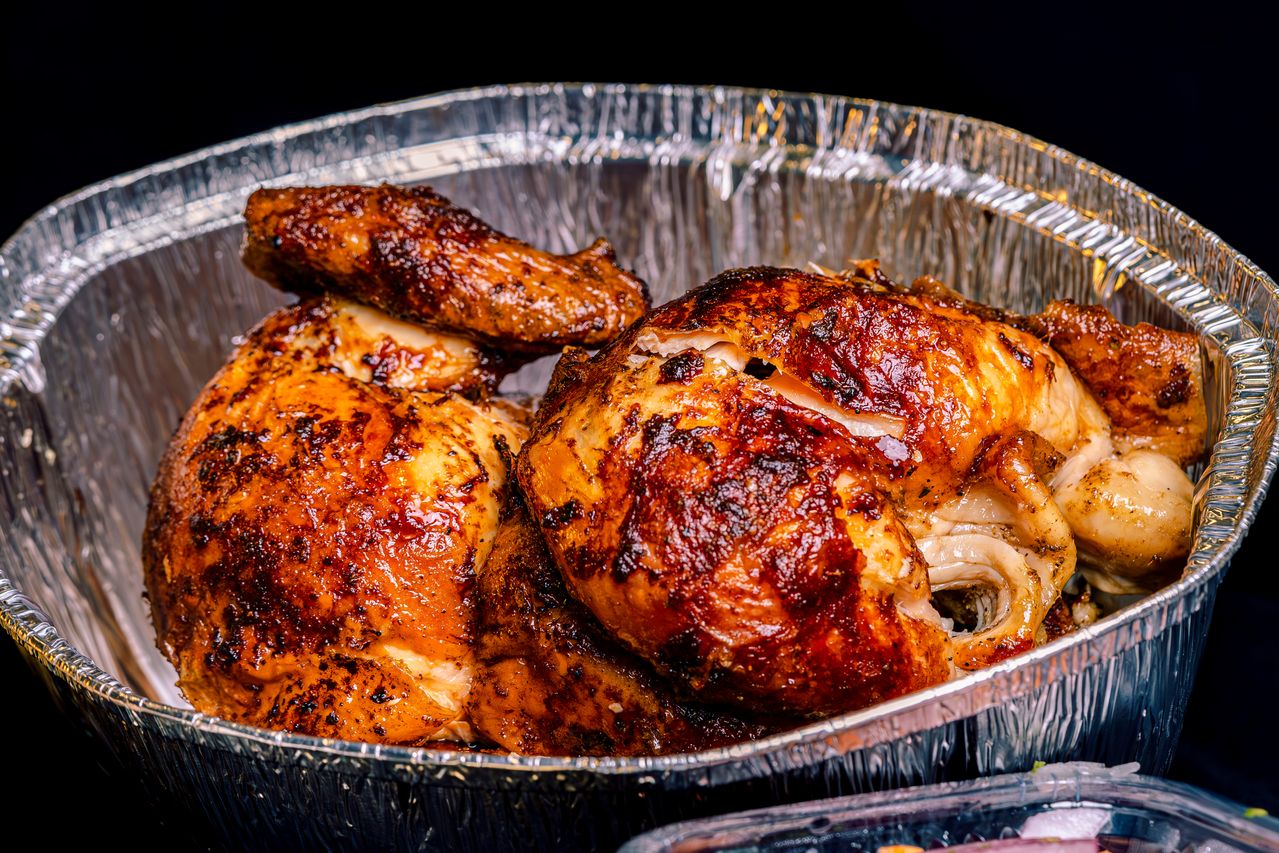
Costco’s rotisserie chicken has become more than a quick dinner. It is a grocery legend, a value signal, and for many members, a routine part of every warehouse run.
But a smart buy is not always a simple buy. Before you grab your next bird, it helps to know what is really behind the price, the packaging, and the product itself.
The $4.99 price is real, but it is also part of Costco’s bigger strategy
The first thing to know is that Costco’s rotisserie chicken remains one of the most aggressive value plays in grocery retail. The standard bird is still widely sold for $4.99, a price Costco has held for years even as food inflation pushed up poultry costs across the broader market. Industry reporting has long described the chicken as a classic loss leader, meaning it is priced to drive traffic and reinforce Costco’s value reputation rather than maximize profit on the item itself.
That strategy works because the chicken is not a niche product. Costco disclosed in early 2024 that it sold 137 million rotisserie chickens globally in 2023, an enormous number for a prepared food item. That scale helps explain why the chain treats the bird as both a meal solution and a membership-retention tool.
For shoppers, the takeaway is simple: yes, it is still a strong deal. But the bargain is designed to get you in the door, keep you loyal, and encourage bigger baskets everywhere else in the warehouse.
The chicken is convenient and protein-rich, but it is not exactly a low-sodium health food
A second thing worth knowing is that the rotisserie chicken sits in the middle ground between wholesome staple and processed convenience food. Costco’s published nutrition information for a 3-ounce serving lists about 140 calories and roughly 460 milligrams of sodium, numbers that look reasonable until you remember how easy it is to eat more than one serving in a single meal.
That sodium is not accidental. Retail rotisserie chickens are typically seasoned or brined to preserve moisture and boost flavor, and Costco’s version is no exception. The result is tender meat and reliable taste, but also a saltier finished product than a plain roast chicken made at home.
If you love the convenience, there is no reason to avoid it entirely. Just use it strategically. Pair it with lower-sodium sides, skip adding much extra salt, and consider removing the skin if you want to trim both sodium and fat while still getting an easy, high-protein dinner.
The packaging changed, and that affects both sustainability and how you shop
The most visible recent change is the packaging. In 2024, Costco began replacing the familiar rigid plastic clamshell with flexible plastic bags in many U.S. stores. Costco said the shift would cut plastic use by 75% and save an estimated 17 million pounds of plastic annually, a substantial sustainability claim for such a high-volume product.
Not every shopper has loved the change. Consumer Reports noted that food-safety experts did not see evidence that the bags themselves were unsafe, but some customers have complained about leaks, steam buildup, and the loss of the old container’s easier carrying and storage. The Washington Post also reported a strong consumer reaction when the bags started appearing more broadly.
This is where buying habits matter. Check the seal, keep the bag upright, and consider placing it in an extra produce or shopping bag before loading it into your car. The packaging may be better for material reduction, but it demands a little more care from the customer than the old clamshell ever did.