
Some food traditions do not vanish with a headline. They fade in small, ordinary ways, one family table and one grocery list at a time.
That is exactly what is happening with a set of habits strongly associated with the Baby Boomer generation. As younger Americans eat more flexibly, more digitally, and more often away from a formal table, older rituals are slipping out of daily life.
The table rituals that once structured the day
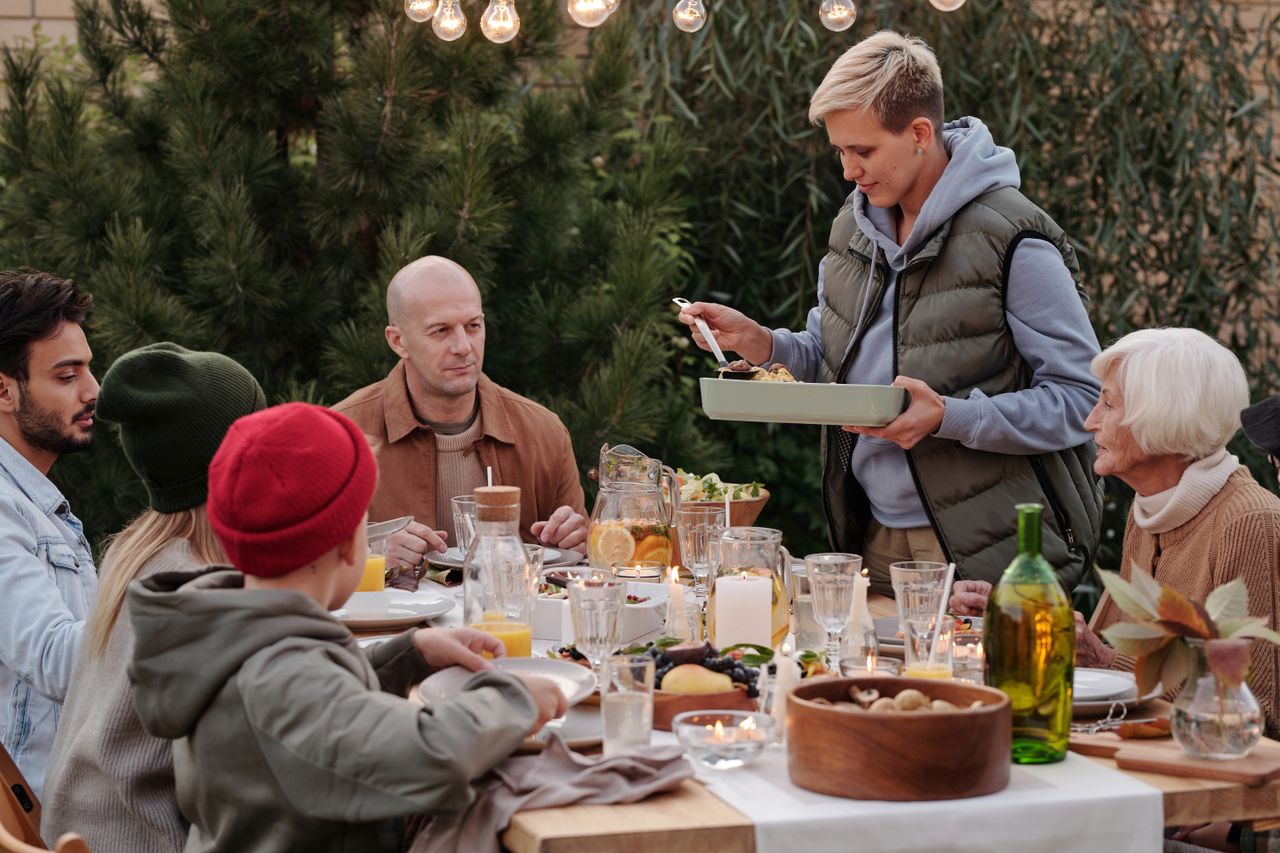
One fading habit is the fixed-hour family supper. For many Boomers, “supper” was not just a meal but a schedule, with everyone expected at the table and the menu built around meat, starch, and vegetables. USDA researchers have documented a decades-long shift toward eating more food away from home, a major change from the home-centered patterns that shaped midcentury households. That change weakens the old expectation that dinner happens at one place, at one time, with one shared menu.
A second disappearing habit is the formal, fully set table on ordinary weeknights. Cloth napkins, matching dishes, serving bowls passed by hand, and a no-snacking-before-dinner rule once gave meals a sense of ceremony. The National Restaurant Association has also noted a strong generational divide in how younger adults treat meals, with takeout, delivery, and convenience playing a much larger role than they did for Boomers. As food becomes more individualized, the old model of everyone eating the same plated meal keeps losing ground.
Then there is the relish tray, the before-dinner vegetable-and-pickle spread that once signaled hospitality in many Midwestern homes and supper clubs. National Geographic recently described the relish tray as a staple of traditional Wisconsin supper club culture, while long-running coverage of the region’s dining scene has noted that some clubs have already moved away from it. That matters because the relish tray represents a larger disappearing habit: beginning a meal with a shared, low-cost ritual rather than a personalized appetizer or phone-order add-on.
The dishes and shortcuts that defined Boomer-era kitchens
Few foods symbolize Boomer entertaining more than molded salads and gelatin-based side dishes. Jell-O salads once occupied a proud place at church suppers, holiday buffets, and neighborhood potlucks, but they now survive mostly as nostalgia, regional holdouts, or ironic retro revivals. Food historians have traced their fall to changing tastes, declining interest in savory gelatin dishes, and a broader move away from the tidy, decorative convenience foods that dominated postwar kitchens.
Another fading habit is the casserole as a default weeknight solution. Boomers grew up in an era when one-dish meals stretched ingredients, fed families efficiently, and produced dependable leftovers. Leftovers themselves were part of the system: roast on Sunday, sandwiches on Monday, soup after that. Today’s meal planning is often less linear, with more frozen options, restaurant leftovers, and grab-and-go eating replacing the old discipline of purposeful reuse.
Breakfast tells a similar story. Axios reported that cereal has been losing ground as Americans, especially younger consumers, shift toward protein bars, breakfast sandwiches, shakes, and portable foods. That does not mean Boomers invented cereal, but they helped normalize the sit-down breakfast of toast, juice, and a bowl on the kitchen table. As mornings become more compressed, breakfast increasingly looks like a transaction rather than a household ritual.
Why these habits are disappearing so quietly
One reason these habits are fading without much discussion is that they were never marketed as “traditions” in the first place. They were simply normal life: clipping recipes, keeping handwritten cards, cooking from church or PTA cookbooks, and repeating the same company dishes for decades. Those practices still exist, but they now compete with algorithm-driven recipes, social media trend cycles, and restaurant-inspired home cooking. The result is not a clean break, but a steady erosion of old kitchen authority.
Potlucks offer a revealing case study. They are still around, and Eater even argued that potlucks had a cultural resurgence in 2024, but the tone has changed. What was once a default Boomer-style community meal tied to church basements, neighborhood associations, and extended family gatherings is now more likely to be framed as a curated event, a themed party, or a lifestyle choice. The communal instinct survives, but the old everyday infrastructure around it has weakened.
That may be the most important point of all. The disappearing habits are not only foods like Jell-O salad, relish trays, casseroles, and table-set suppers; they are systems of time, thrift, etiquette, and community. As Boomers age, America is not just losing certain dishes. It is losing a quiet philosophy of eating that treated meals as recurring social anchors rather than flexible, individual moments.