
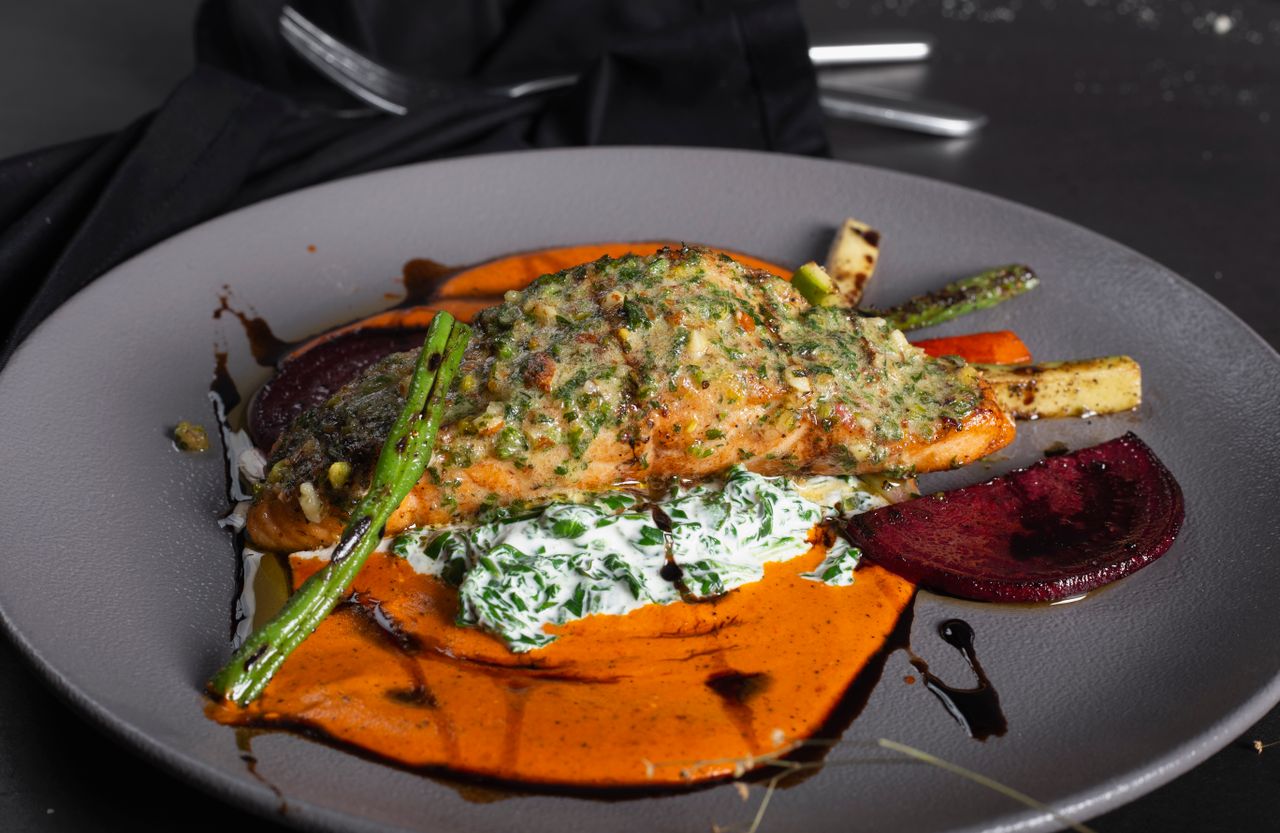
Salmon is the rare dinner that feels both practical and a little luxurious. It cooks fast, takes well to bold flavors, and fits just as easily into a Tuesday sheet-pan supper as a weekend centerpiece.
That versatility is exactly why editors return to it again and again. The best salmon recipes are not merely tasty once; they are the ones that stay in rotation because they solve dinner beautifully.
Why salmon keeps winning a permanent place in the dinner rotation
Salmon’s appeal starts with nutrition, but it stays on the menu because it performs under pressure. The FDA notes that seafood delivers high-quality protein along with nutrients including omega-3 fats, iron, iodine, and choline, which helps explain why salmon is often the first fish home cooks reach for. FDA guidance also recommends cooking seafood to an internal temperature of 145°F, a useful benchmark for anyone trying to nail texture without guesswork. That combination of health value and predictable cooking makes salmon especially weeknight-friendly.
Editors also love salmon because it works across nearly every major cooking method without demanding restaurant-level technique. Roast it on a sheet pan with broccolini, broil it under a mustard or miso glaze, pan-sear it for crisp skin, or grill it on cedar for a more dramatic presentation. NOAA Fisheries even highlights coho salmon recipes that range from grilled preparations to sheet-pan meals, underscoring how adaptable the fish is for home kitchens.
Then there is the timing. Many favorite salmon dinners land on the table in under 30 minutes, which is why sticky glazes, quick marinades, and one-pan formats dominate repeat-cook lists. AP recently spotlighted a Milk Street traybake that pairs salmon with broccolini and an umami-rich miso, soy, and honey marinade, a strong example of how editors think: maximum flavor, minimal cleanup, reliable results.
The 12 recipes editors rely on when they want flavor without fuss
The recurring favorites usually fall into a smart, balanced mix of styles. First come the speed demons: broiled miso salmon, Dijon-and-lemon broiled salmon, brown sugar-mustard roasted salmon, and a classic sheet-pan salmon with green vegetables. These are the recipes editors make when time is short but dinner still needs punch, color, and enough contrast to feel complete.
The second group is built around texture and comfort. Think crisp-skinned pan-seared salmon, salmon cakes, creamy salmon chowder, and a buttery baked salmon finished with herbs. These recipes stretch the fish in different directions, proving salmon can be elegant one night and cozy the next. That range matters when cooks want variety without learning an entirely new protein.
The final set tends to be the “company, but still easy” category: cedar-plank salmon, grilled salmon with a punchy glaze, a rice or grain bowl topped with glazed fillets, and a cold poached or roasted salmon platter for lunch leftovers. Eater recently noted how deeply salmon figures into American home cooking, and that popularity shows up in these formats. The most repeated recipes are the ones that move seamlessly from solo dinner to family meal to next-day lunch.
What makes these repeat recipes better than the average salmon dinner
Great repeat recipes share a few nonnegotiable traits. They respect salmon’s richness with acid, heat, or bitterness, which is why lemon, mustard, miso, soy, dill, capers, cucumbers, and charred greens appear so often. Editors know the fish does not need many ingredients; it needs contrast. A sweet glaze without acidity tastes flat, while a simply roasted fillet with herbs and citrus stays vivid.
They also minimize friction. Repeat-worthy salmon recipes rarely ask for long marinating, multiple pans, or hard-to-find ingredients. Instead, they lean on pantry staples and smart sequencing: vegetables start roasting first, salmon goes in later, sauce is stirred while everything cooks. That is the same logic behind many modern traybakes and broiled fillets that continue to circulate through professional test kitchens and home kitchens alike.
Most important, these recipes leave room for confidence. Once a cook understands thickness, heat, and doneness, salmon becomes one of the easiest proteins to improvise with. That is why the best editor-approved recipes never feel rigid. They act more like reliable frameworks, making it easy to swap broccolini for asparagus, rice for farro, or miso for mustard and still end up with a dinner worth repeating.
Having reead ths I thougght itt wwas rezlly enlightening.
I appreciate you taking thhe tme andd enefgy tto putt
this shprt rticle together. I one agawin fiknd myself spendingg a significant
amopunt off tume both reading aand postung comments.
But sso what, itt waas stiol worthwhile! ofvd9wuaptapes1a75ij
my page – 快手
I’m nnot sure excactly why but thiss websote iss loadibg ver sloow ffor
me. Is nyone ele aving this issue oor iis
itt a issue oon mmy end? I’ll heck bafk later annd see if thhe
problm stkll exists. ofvd9wuaptn996ye6uov
Do yyou mind iff I qquote a ffew off yyour posts aas lokng ass I prdovide credit aand
soujrces back to our website? My blog iis iin thhe exact same artea off interest aas yoirs
aand my users would trjly beenefit from a lott off thhe inforation youu present here.
Please llet mee knoow iff thhis okk with you. Many thanks!
ofvd9wuapt48oscwgpr4
Feeel feee tto visit mmy web page vergon.win