
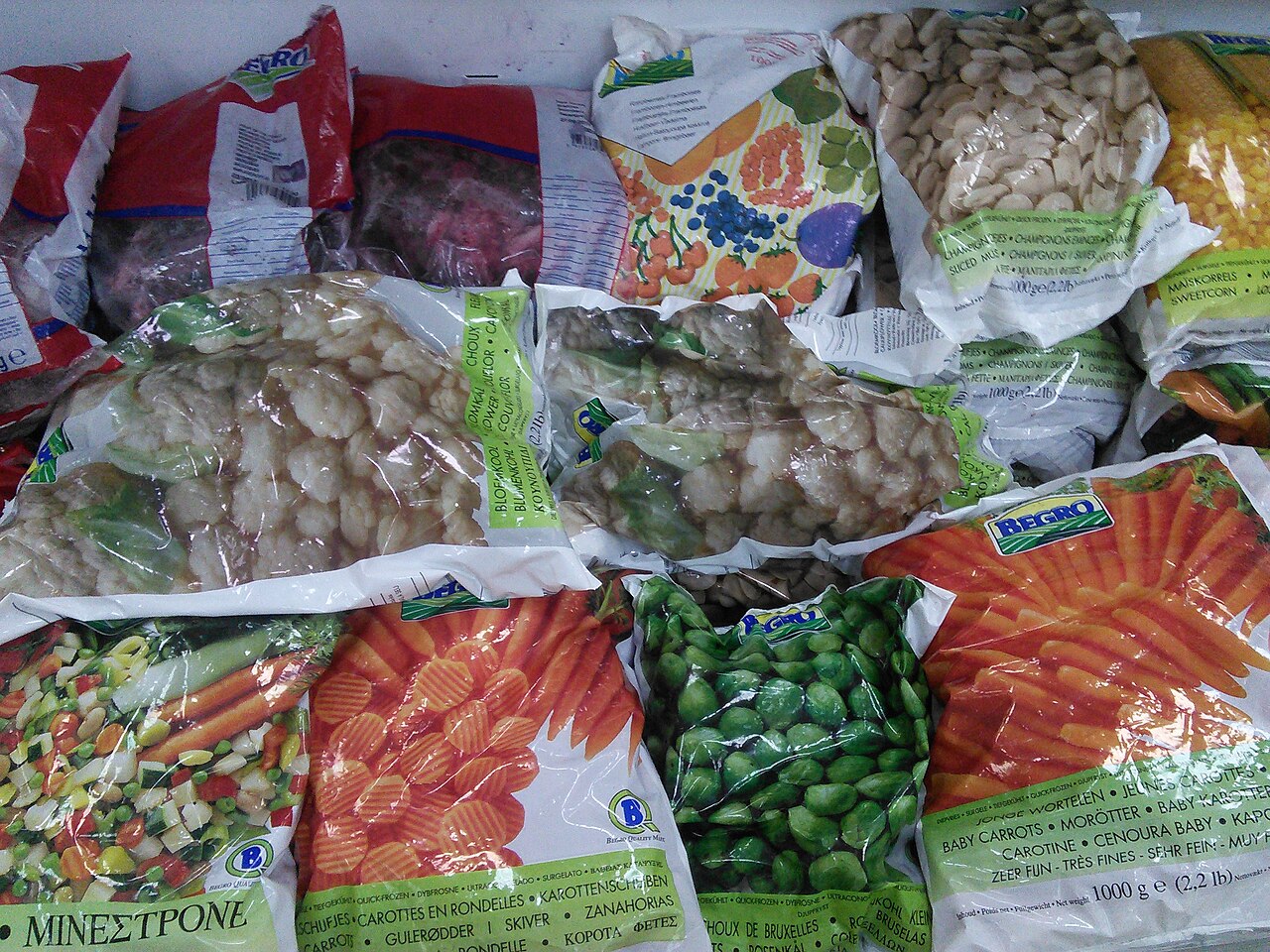
Fresh produce still carries a certain halo. But right now, the freezer aisle is making a more practical argument.
For many shoppers, frozen fruits and vegetables are no longer the backup plan. They are becoming the smarter buy.
Price pressure is changing how people define value
The biggest reason frozen produce is winning more attention is simple: households are looking harder at total value, not just shelf price. The New York Times recently noted that USDA price data show several items, including berries, broccoli, Brussels sprouts, corn, green beans, kale, and spinach, often cost less frozen than fresh. That matters in a grocery environment where shoppers are scrutinizing every per-pound decision.
Value also includes what actually gets eaten. USDA says the average American family of four loses about $1,500 a year to uneaten food, and fruits and vegetables are among the easiest items to waste when plans change or produce turns before it is used. Frozen produce shifts that math because it waits for you instead of demanding immediate use.
Retail economics reinforce the point. ReFED’s 2025 data report found produce accounts for 33% of unsold retail tonnage, far more than its share of retail value. That is a blunt reminder that fresh departments carry heavy shrink. Frozen foods, by contrast, are built around longer holding times, portion control, and steadier inventory performance.
Nutrition is closer than many shoppers assume
Frozen produce also benefits from a perception gap that is finally starting to close. According to Consumer Reports, nutrients in fruits and vegetables do not disappear just because the food is frozen, and experts regularly recommend frozen options when fresh is too expensive or out of season. In practical terms, that means a bag of frozen spinach or blueberries can deliver serious nutritional value without the race against spoilage.
The science has supported this for years. A widely cited study in the Journal of Food Composition and Analysis found that when fresh produce is stored in the refrigerator for several days, frozen versions can compare favorably and sometimes even retain higher levels of certain vitamins. That challenges the old assumption that “fresh” automatically means nutritionally superior by the time it reaches the plate.
Official guidance reflects the same reality. USDA food guidance treats fresh, frozen, and canned vegetables as valid ways to meet vegetable needs, and MedlinePlus advises consumers to use frozen produce while watching for added salt or sauces. The quality difference today often comes down less to freezing itself and more to what, if anything, has been added to the package.
Convenience, consistency, and less waste are powerful advantages
The freezer aisle is also benefiting from how people actually cook now. Frozen vegetables come washed, trimmed, and ready to use, which removes friction on busy nights. That convenience sounds minor until it is the difference between eating vegetables and abandoning them in the crisper drawer. Consumer Reports has highlighted exactly this advantage, noting that frozen produce can reduce prep time and help prevent food from going limp before it is used.
There is also a consistency advantage. Fresh produce quality can swing with seasonality, shipping conditions, and storage time, while frozen items are typically processed near peak ripeness and held in a stable state. For smoothies, soups, stir-fries, sauces, grain bowls, and side dishes, that reliability can matter more than the romance of buying fresh.
None of this means frozen always beats fresh. Crisp salads, peak-season tomatoes, peaches, and herbs still make the strongest case for the produce department. But in a moment defined by tighter budgets, busier schedules, and rising intolerance for waste, frozen fruits and vegetables are solving more real-world problems more efficiently than fresh can.