

A Cookie From 1911 Is Suddenly Back on Shelves: Here’s Why

Hydrox cookies

Legacy food brands continue to find new life as manufacturers bet that nostalgia can still drive grocery sales in a crowded snack aisle. That is the case with Hydrox, the chocolate sandwich cookie first introduced in 1908 and now showing up again on shelves through Leaf Brands after long stretches of disappearance from mainstream retail. Its return is tied to a trademark acquisition, a reformulated recipe, and a renewed distribution push aimed at national grocery and foodservice buyers.

Leaf Brands put Hydrox back into production, reviving a cookie first sold in 1908

Leaf Brands is the company behind the latest Hydrox return, and the company has said the relaunch began when it acquired the Hydrox trademark in 2015 and restarted production that year. According to Leaf Brands and trade coverage republished on its site, Hydrox was officially relaunched on September 4, 2015, with production beginning at the company’s facility in Vernon, California. That made the return a formal commercial relaunch, not just a one-off anniversary appearance.

The scale is broader than a boutique rerelease. Leaf’s current Hydrox product page says the cookie is “now available” and tells shoppers to ask local grocers to carry it, while the company’s catalog lists Hydrox sandwich cookies in 13-ounce packages with UPC 858932005078. Leaf also maintains a distributor page naming wholesalers and foodservice partners, indicating that the brand is being sold through more than direct online channels.

The product matters because Hydrox predates Oreo. Leaf Brands states that Hydrox debuted in 1908 under Sunshine Biscuits, while Oreo followed in 1912. That age gap appears to be the basis for headlines describing Hydrox as an early-20th-century cookie suddenly back on shelves, even though the cookie’s first appearance was 1908 rather than 1911.

The shelf return is national, but the company has not published a complete store-by-store list

For shoppers, the most important detail is that Hydrox appears to be available in the United States through a mix of local grocery requests, distributors, and online ordering rather than a single coast-to-coast chain rollout. Leaf Brands says consumers should “look for them throughout the US,” and its site also advertises direct purchase options. That confirms national availability in some form, but it does not amount to a complete public map of every store carrying the cookies.

The company has not released a full list of affected states, cities, or individual supermarket locations now stocking Hydrox. Its distributor page identifies business partners in places including Michigan, New Jersey, Illinois, and other markets, but those listings are for distribution and foodservice channels, not a verified consumer-facing shelf list by city. In practical terms, that means shoppers may see Hydrox in independent grocers, specialty candy outlets, or regional chains before finding it uniformly in major national retailers.

That limited transparency helps explain why the cookie can feel “suddenly” back even after its formal relaunch occurred years ago. Availability has been uneven, and periodic media attention has made each fresh round of stocking look like a brand-new return.

The comeback is being driven by nostalgia, cleaner-label positioning, and shelf-space economics

Leaf Brands has directly tied Hydrox’s revival to consumer demand for older brands and to recipe changes designed to distinguish it from bigger competitors. On its Hydrox page, the company says it removed high-fructose corn syrup, replaced it with cane sugar, removed hydrogenated oils, and later eliminated artificial flavors and GMO ingredients. A separate Leaf announcement said Hydrox reached non-GMO status in 2017, giving the company a cleaner-label selling point alongside the nostalgia factor.

Shelf space remains part of the story. In a 2021 post on its site, Leaf said major retailers often charge significant slotting fees for shelf placement, describing that as a barrier for smaller brands trying to regain visibility. That helps explain why Hydrox can be back in production and in distribution, yet still appear only sporadically on shelves compared with dominant national cookie brands.

For customers, the practical takeaway is straightforward: Hydrox is back in active circulation, but access depends on local retailers and regional distributors. Leaf Brands continues to market the cookie as “America’s original sandwich cookie,” and the company’s current product pages indicate it is still actively supporting sales rather than treating the comeback as a temporary promotion.

“Girl Dinner,” “Boy Kibble!” Why the Internet Can’t Stop Naming What We Eat

Social media has spent the past several years turning ordinary routines into named trends, and food has become one of its most durable subjects. On August 16, 2026, NPR reported that the latest entry is “boy kibble,” a stripped-down bowl of ground meat and rice that has emerged as a counterpart to the 2023 “girl dinner” trend. Together, the labels show how internet culture keeps repackaging familiar eating habits as recognizable identities.

A new meal label moves from joke to trend

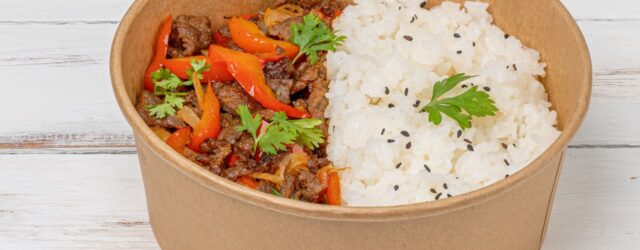
NPR reported on August 16 that “boy kibble” generally refers to a single-bowl meal built around ground beef and white rice, with some versions adding onions, peppers or sauce. The outlet described the trend as a convenience-first, high-protein meal style that has spread among fitness-focused social media users. The comparison point is “girl dinner,” the snack-plate format that became widely known in 2023.

In NPR’s reporting, Marquis Hawkes, a 30-year-old government contractor and part-time personal trainer, said the meal usually takes about 15 to 20 minutes to prepare and fits easily into batch cooking during the week. Los Angeles-based trainer Erik Rokisky told NPR he recommends lean ground beef, specifically a 96/4 blend, in many versions of the dish. NPR also reported that some people swap in turkey, quinoa or pasta, but the format remains intentionally repetitive.

That simplicity is part of the point. Zachary Mulvihill, a clinical professor and physician at Weill Cornell Medicine and NewYork-Presbyterian Hospital, told NPR the trend appeals to people trying to gain muscle mass while keeping meals basic and repeatable. Other coverage earlier in 2026 similarly described “boy kibble” as a TikTok-driven response to “girl dinner,” especially among younger men focused on protein intake.

The broader impact is cultural, not local

Unlike a restaurant opening, recall or chain closure, this story does not center on one state or city and there is no official list of affected locations because “boy kibble” is not a product launch or company campaign. What is confirmed is that the discussion has spread through national media and social platforms, with NPR, Healthline, The Independent and other outlets treating it as a recognizable 2026 food conversation. What is not publicly measurable is the total number of people making or posting the meal, because no central platform or company has released a comprehensive count.

The trend’s visibility also reflects how quickly internet food language travels across audiences. “Girl dinner” entered the wider culture in 2023 as shorthand for an unstructured, low-effort meal assembled from snack-like foods, and “boy kibble” now serves as a similarly reductive label for protein-heavy meal prep. Coverage in 2026 has consistently framed the two as related but distinct expressions of convenience eating.

For readers, the practical takeaway is less about a specific recipe than about what these labels reveal. Mulvihill told NPR that many “boy kibble” plates emphasize protein and rice while leaving out vegetables and fiber, and he recommended adding produce such as frozen vegetables or precooked beets to preserve convenience. Adrienne Bitar, a food studies lecturer at Cornell University, told NPR that the meals themselves are not new; what is new is the public naming and circulation of these ordinary habits online.

Why the names stick

The staying power of these meal labels appears to come from the overlap between time pressure, nutrition goals and identity-driven posting. NPR reported that Mulvihill sees the trend as a response to people with limited time, limited money or limited cooking experience who still want meals that feel efficient and nutritionally purposeful. In that framing, “boy kibble” is less a culinary innovation than a simplified answer to work schedules, gym routines and repetitive meal prep.

Bitar told NPR that people have long eaten monotonous, practical meals, comparing the underlying idea to older staples such as porridge, stew and other sustaining dishes. Her point was that the behavior predates social media, even if the label does not. The internet’s role is to turn ordinary private routines into shareable categories that can signal gender, lifestyle and attitude in just two words.

That helps explain why these names keep resurfacing. “Girl dinner” and “boy kibble” package routine food decisions into recognizable cultural shorthand: one emphasizing snack-style ease, the other emphasizing utilitarian protein and repetition. Based on the sources available, the trend is best understood as a naming phenomenon as much as a nutrition one, with social media continuing to turn everyday meals into public identities.

Could a Pill for This Common Condition Also Be Good for Your Heart? Scientists Are Finding Out

Cialis

Tadalafil is one of the most widely prescribed drugs for erectile dysfunction, but recent research is pushing the conversation far beyond sexual health. An August 17 report from NPR highlighted how scientists, clinicians and telehealth companies are now examining whether the medication could also play a role in cardiovascular prevention. What is clear so far is that interest is rising; what remains unsettled is whether the drug itself is responsible for the better outcomes seen in large patient datasets.

Why tadalafil is getting fresh attention from heart researchers

Tadalafil belongs to a class of medicines called PDE-5 inhibitors, which also includes sildenafil, the drug sold as Viagra. These medications relax smooth muscle and widen blood vessels, which is why they are used for erectile dysfunction and, in some cases, pulmonary hypertension. Researchers say that same mechanism has made tadalafil a serious subject of discussion in preventive cardiology, according to NPR’s August 17 report.

Some of the strongest attention comes from large observational studies. A 2024 paper in Clinical Cardiology led by Dr. Robert Kloner examined more than 8,000 men with erectile dysfunction and found tadalafil exposure was associated with a 55% lower rate of cardiovascular death and a 44% lower rate of all-cause mortality during the study period. A separate large analysis involving more than 500,000 patients, as described by NPR, linked tadalafil use to a 32% lower risk of dementia along with lower mortality.

Those numbers have fueled discussion in medical and wellness circles because tadalafil is already generic and widely available. But the research cited by NPR and in the published studies is retrospective and observational, meaning it can show association rather than proof of cause. That distinction is central to how cardiologists are interpreting the data.

What experts say is known, and what is still unproven

The most important point for patients is that tadalafil is not approved by the U.S. Food and Drug Administration to prevent heart attack, stroke or death. Doctors interviewed by NPR said cardiologists are not routinely recommending it for those purposes, even as some specialists view the data as notable. Dr. Steve Nissen of the Cleveland Clinic told NPR that without randomized controlled trial evidence, broad preventive use is hard to justify.

At the same time, some medical groups are beginning to discuss narrower use cases. NPR reported that the Princeton Consensus Panel, a group focused on men’s sexual function and cardiovascular health, recently reached consensus language that low-dose tadalafil is “appropriate” for a subset of men at elevated risk of cardiovascular disease because of plaque buildup in the arteries, according to panel co-chair Dr. Martin Miner. NPR also reported that the panel’s formal recommendations have not yet been published.

That leaves several open questions. Researchers have not yet established whether the apparent benefits come directly from the drug, from differences in the men who seek treatment, or from other factors not fully captured in claims data. Experts also told NPR that tadalafil has been less thoroughly studied in women, so the evidence base is not the same across sexes.

What this means for patients as the evidence develops

For now, the practical takeaway is cautious interest rather than a change in standard care. Tadalafil has a long safety record in approved uses, and prior safety analyses published in PubMed have not found an increased rate of major cardiovascular adverse events in clinical trial data. That safety profile is one reason the drug is being discussed seriously by some researchers instead of dismissed outright.

Still, the gap between “promising” and “proven” remains large. NIH’s DREAM study found that sildenafil and tadalafil did not reduce the risk of Alzheimer’s and related dementias in a Medicare-based analysis, showing that not all research points in the same direction. That mixed picture is why specialists continue to call for prospective, randomized trials before any broader preventive claims are adopted.

For patients, that means tadalafil remains a medication for its approved indications unless a physician recommends it for another reason. The current evidence suggests a signal worth studying, and some clinicians see enough potential to keep the debate moving, but the scientific standard for routine heart-protection use has not yet been met.

Scientists Just Found Another Hidden Cause of High Blood Pressure

High blood pressure remains one of the most common chronic conditions in the United States, and cardiologists have spent years trying to explain why some cases stay elevated even after standard treatment. New March 2026 findings narrowed that question to a specific subgroup: patients with resistant hypertension, whose blood pressure remains high despite taking multiple medications. Researchers now say excess cortisol may be another hidden cause in a substantial share of those cases.

Researchers tied resistant hypertension to excess cortisol in a large U.S. study

Corcept Therapeutics presented late-breaking data from its MOMENTUM trial at the American College of Cardiology Scientific Session on March 28, 2026, reporting that 27.3% of 1,086 screened patients with resistant hypertension had hypercortisolism, according to the company and a concurrent Mount Sinai summary of the findings. Resistant hypertension was defined using American Heart Association criteria, meaning blood pressure remained uncontrolled despite the use of three or more medications.

That scale matters because MOMENTUM was described by Corcept and study investigators as the first large, U.S.-based observational multicenter study focused on endogenous hypercortisolism in resistant hypertension. The result translates to 297 patients with excess cortisol in the screened population, a rate researchers said was higher than many clinicians had expected in this setting.

Investigators said hypercortisolism, sometimes associated with Cushing syndrome, can be difficult to recognize because patients may not show the classic physical signs that typically prompt endocrine testing. The study’s message was not that cortisol explains all hypertension, but that it may account for a meaningful portion of difficult-to-control cases that otherwise look routine in cardiology practice.

What the findings mean in the U.S., and what is still not known locally

The confirmed impact of the study is national rather than state-specific. MOMENTUM enrolled patients across multiple U.S. centers, and the public materials tied to the research identify participating institutions in states including Texas, Kentucky, Louisiana, California, Maryland, Massachusetts, Michigan, Minnesota, and New York. However, researchers have not released a full public site-by-site enrollment breakdown, so it is not yet possible to say how many patients came from any one state or metro area.

That leaves important local questions unanswered. The study materials do not provide city-level prevalence figures, nor do they identify whether any specific state had a higher or lower share of resistant hypertension patients with hypercortisolism. They also do not show how many community clinics versus large academic centers contributed patients.

For patients and physicians, the immediate takeaway is more practical than geographic. The data suggest that some people being treated repeatedly for “essential” or unexplained resistant hypertension may actually have an identifiable hormone disorder. Mount Sinai said the findings support broader recognition that excess cortisol could be contributing to blood pressure that does not respond as expected to standard therapy.

Why researchers say this is important for treatment and next steps

The broader medical context helps explain why the findings drew attention. The American Heart Association said in its July 17, 2025 science advisory that about 15% to 20% of patients with hypertension have treatment-resistant disease, highlighting the need for new approaches. That advisory focused on the gut microbiome as an emerging factor in blood pressure regulation, showing that the field has increasingly moved beyond older one-cause explanations.

MOMENTUM points to a different pathway: hormone imbalance. Excess cortisol can affect blood pressure through several mechanisms, including fluid balance, vascular tone, and metabolic stress, which is why endocrinologists have long linked Cushing syndrome to hypertension. What is new here is the apparent frequency of elevated cortisol in a large resistant-hypertension population that was screened systematically rather than identified only after obvious symptoms appeared.

What this means for patients is still being defined. The March 2026 presentation does not establish that every patient with resistant hypertension should receive the same workup, and it does not prove that treating hypercortisolism will normalize blood pressure in every case. It does, however, give clinicians a stronger factual basis to consider endocrine screening in hard-to-control cases, while research continues on which patients benefit most from that approach.

This “Silent” Liver Disease Now Affects 1 in 3 Americans

A liver disease once widely discussed as fatty liver is now drawing broader national attention as obesity, diabetes, and metabolic risk factors remain common in the United States. The condition at the center of that attention is metabolic dysfunction-associated steatotic liver disease, or MASLD, a largely symptom-free illness in its early stages that can progress to scarring, liver failure, or cancer. Its rising profile sharpened on March 14, 2024, when the U.S. Food and Drug Administration approved the first drug specifically for adults with more advanced inflammatory disease known as MASH.

The disease now affecting millions

MASLD is the updated name for what many patients and doctors previously called nonalcoholic fatty liver disease, according to the National Institute of Diabetes and Digestive and Kidney Diseases and the American Association for the Study of Liver Diseases. Federal health materials describe it as a buildup of fat in the liver linked to metabolic dysfunction rather than heavy alcohol use. Because many people have no clear symptoms at first, it is often described by clinicians as a silent disease.

The “1 in 3 Americans” framing reflects the broad burden of disease in adults. NIDDK describes fatty liver disease as one of the most common and growing chronic liver diseases, while American Liver Foundation materials say about one in three U.S. adults are believed to have MASLD and about 20% of those patients may have the more serious inflammatory form, MASH. FDA materials issued with the first MASH drug approval stated that about 6% of U.S. adults, or roughly 14.9 million people, have MASH.

That March 14, 2024 approval covered Rezdiffra, the brand name for resmetirom, for adults with noncirrhotic MASH and moderate to advanced liver scarring, the FDA announced. The agency said the drug was approved for use alongside diet and exercise, marking the first federal approval of a treatment aimed directly at this stage of the disease. The action did not apply to all people with MASLD, but it signaled a shift from awareness alone to active treatment for a defined high-risk group.

What the U.S. impact looks like

The scope of MASLD is national, but the burden is closely tied to other common chronic conditions seen in every state. CDC data show obesity remains widespread among U.S. adults, and federal diabetes data show diagnosed and undiagnosed diabetes are far more common among adults with overweight or obesity than among adults at lower weight ranges. Those patterns matter because diabetes, obesity, abnormal cholesterol, and related metabolic conditions are among the main risk factors tied to MASLD and MASH.

What is confirmed is that millions of Americans likely have liver fat disease and many do not know it. What is not yet known is exactly how many people in each state have been diagnosed, because broad prevalence estimates and confirmed case counts are not the same thing. There is also no single national patient registry that publicly lists state-by-state MASLD totals in real time.

Screening is becoming more structured in primary care and diabetes care. AASLD guidance identifies the FIB-4 blood-test calculation as a useful first step to help identify patients at higher likelihood of advanced fibrosis, and the American Diabetes Association’s 2026 standards say FIB-4 is the most cost-effective initial screening strategy for at-risk MASH in primary care and diabetes settings. That means more patients may be flagged for follow-up imaging or specialist referral even if they feel well.

Why the disease is getting more attention now

The main reason MASLD is gaining visibility is the overlap with the nation’s broader metabolic health trends. According to CDC obesity data and federal diabetes statistics, large numbers of adults are living with conditions that raise MASLD risk. Liver specialists have also emphasized that the disease can advance quietly for years, which has contributed to underdiagnosis until scarring or abnormal lab work appears.

Another reason is that medical guidance and terminology have changed. AASLD and related liver experts have adopted MASLD and MASH terminology in place of older NAFLD and NASH labels, and the updated language is increasingly appearing in clinical guidance, hospital materials, and public education. That shift is intended to align the disease name more closely with its metabolic drivers and standardize screening discussions across specialties.

For patients, the practical takeaway is narrower than the headline but still significant. The FDA-approved treatment is for adults with noncirrhotic MASH and moderate to advanced fibrosis, not for every person with liver fat, and diagnosis still depends on clinical evaluation, blood work, and often noninvasive testing, according to the FDA and AASLD guidance. Even so, the combination of broader screening recommendations, updated disease names, and the first approved therapy means this once-overlooked condition is likely to remain a larger part of routine U.S. medical care.

These 7 Fast-Food Chains Are Losing America Fast: Is Your Favorite One of Them?

Subway

Fast food still dominates American dining, but not every giant is holding its ground. Behind the familiar signs and value deals, several major chains are losing visits, shuttering stores, or struggling to keep customers loyal.

That does not always mean collapse. It does mean the brands on this list are facing real pressure in a market where consumers have become more price-sensitive, less forgiving, and quicker to switch.

The chains showing the clearest signs of trouble

Subway remains one of the biggest restaurant chains in the country, yet its U.S. footprint keeps sliding. Nation’s Restaurant News reported that the chain closed 631 U.S. locations in 2024, leaving it with about 19,500 domestic restaurants, the first time it has fallen below 20,000 in roughly two decades. For a brand once defined by ubiquity, that is a major symbolic and operational setback.

Burger King is also still huge, but its domestic count has been moving in the wrong direction. QSR’s 2025 data shows the chain ended 2024 with 6,701 U.S. restaurants, down 77 from the prior year, after an even steeper decline in 2023. The company’s expensive “Reclaim the Flame” turnaround and remodel push suggest management knows the brand cannot rely on name recognition alone.

Pizza Hut and KFC, both under Yum Brands, have been wrestling with weaker traffic in the U.S. QSR reported that KFC’s year-over-year visits fell sharply early in 2024, including a double-digit drop in March, while Pizza Hut has also dealt with soft same-store sales and sluggish demand. In practical terms, both brands are fighting to stay relevant with customers trading down, cooking at home more often, or choosing faster-growing rivals.

Why America is pulling back from some old favorites

The biggest problem is not just competition. It is value perception. Across the industry, years of menu price increases changed how customers think about fast food, especially lower-income diners who once treated it as a dependable budget option. According to Revenue Management Solutions and Black Box reporting cited by QSR, quick-service traffic was down in key stretches of 2024 and 2025 even when sales held up, meaning price, not guest growth, often did the heavy lifting.

Wendy’s offers a clear example of that squeeze. QSR reported that its U.S. same-store sales fell 3.6% in Q2 2025, with July trends down even more sharply. Management pointed to weak consumer spending and overly complex promotions, a reminder that flashy limited-time offers do not always solve a basic affordability problem.

Jack in the Box has posted even more alarming numbers. In its official fiscal 2025 results, the company said same-store sales fell 7.4% in the fourth quarter and 4.2% for the full year. That kind of sustained decline usually signals more than a bad quarter. It suggests a brand that has lost momentum with core customers and has not yet found a convincing recovery formula.

Not every struggling chain is doomed, but the pressure is real

McDonald’s belongs on this conversation, though with an asterisk. It suffered a U.S. comparable-sales dip in late 2024 after the E. coli outbreak tied to slivered onions on Quarter Pounders, and its first quarter of 2025 was also soft. But unlike several peers, McDonald’s regained momentum by year-end 2025, showing that scale, operational discipline, and strong value messaging can still reverse a stumble.

That contrast is what makes the rest of the list more revealing. The chains losing America fastest are not necessarily disappearing tomorrow, but they are the ones with shrinking store counts, negative traffic, or falling same-store sales at a time when stronger brands are adapting faster. Consumers now expect speed, consistency, digital convenience, and real value all at once.

So which seven chains are losing ground most visibly? Subway, Burger King, Pizza Hut, KFC, Wendy’s, Jack in the Box, and, more cautiously, McDonald’s. If your favorite is on that list, it may not be finished. But it is almost certainly under more pressure than the drive-thru line suggests.

8 Foods Worth Making Yourself (And 4 You Should Just Buy)

bread

A good homemade food should earn its place in your routine. It needs to taste noticeably better, cost less over time, or give you control that store-bought versions cannot.

That is why the smartest make-or-buy decisions are not about romance. They are about flavor, labor, safety, and whether your kitchen can realistically beat what a manufacturer already does well.

The homemade foods that truly pay you back

Bread is still one of the clearest DIY wins. A basic loaf relies on inexpensive pantry staples, and even when energy costs are factored in, home bakers can turn out bread with a better crust, softer crumb, and fewer additives than many packaged supermarket loaves. The bigger payoff is freshness: bread is one of the few foods that drops in quality almost immediately after purchase, which makes a warm homemade loaf feel like a different category altogether.

Yogurt is another smart homemade staple, especially for households that eat it often. University of Nebraska–Lincoln Extension notes that yogurt can be made at home with ordinary kitchen tools and is often less expensive than buying it ready-made. It also lets you control sweetness and texture, which matters when many flavored retail cups are padded with added sugars, stabilizers, or expensive branding rather than better dairy.

Granola and salad dressing are smaller projects with outsized rewards. Homemade granola lets you decide whether the mix is oat-heavy, nut-heavy, lightly sweetened, or clustered, and Iowa State Extension recipes show how inexpensive the base formula can be when oats do most of the work. Salad dressing may be the simplest win of all: oil, acid, mustard, herbs, and salt beat many bottled versions on flavor, while avoiding the stale taste that comes from long shelf life.

The foods where homemade quality clearly beats the shelf

Tomato sauce deserves the saucepan. When you make it yourself, you can push it toward sweetness, acidity, richness, or brightness depending on the tomatoes and how long you cook them. Store-bought sauce is convenient, but it often tastes standardized by design. A homemade pot can also be batch-cooked and frozen, making the time investment easier to justify on a busy weeknight.

Pesto is worth making fresh for one simple reason: aroma. The moment basil, garlic, nuts, cheese, and olive oil are crushed together, the result has a fragrance and color that jarred pesto rarely matches. Extension food preservation guidance consistently advises freezing pesto rather than canning it, because there are no research-tested home canning recommendations for typical pesto formulas. That makes pesto an ideal make-now, freeze-later food instead of a pantry project.

Pie crust and whipped cream round out the homemade list because both are highly sensitive to freshness and handling. A homemade pie crust can be flakier and more buttery than frozen or refrigerated alternatives, while whipped cream made minutes before serving tastes cleaner and richer than shelf-stable tubs. These are not everyday necessities, but when dessert matters, technique beats packaging.

The foods you should just buy and never feel guilty about it

Mayonnaise is the clearest buy, not make, for most people. FDA food safety guidance warns that homemade mayonnaise made with raw eggs can be risky, while commercial mayonnaise uses pasteurized eggs and controlled manufacturing. Store brands also deliver stable emulsification and long refrigerated life after opening, which is difficult to match consistently at home without specialty ingredients or careful handling.

Puff pastry belongs on the buy list for a different reason: labor. True puff pastry requires repeated rolling, folding, chilling, and strict temperature control to create hundreds of layers. Good frozen versions are reliable and dramatically reduce effort, making them one of the most rational shortcuts in the freezer aisle. This is exactly the kind of product industrial precision handles better than a home schedule.

Crackers and dry pasta are also usually smarter purchases than projects. Both require a lot of repetitive work for a product that is often cheap, widely available, and highly consistent when bought. Homemade pasta can be wonderful for special occasions, but dried boxed pasta is hard to beat on value, shelf life, and convenience. The best rule is simple: make foods where freshness transforms the result, and buy the ones where manufacturing solves the harder problem.

Forget the Recipe First! Why Smart Shoppers Build Their List Around This Instead

Most people build a grocery list from recipes. Smart shoppers do the reverse.

The better strategy is to start by “shopping” your own kitchen first, then planning meals around what needs to be used, what is already stocked, and only then deciding what to buy.

Start With Inventory, Not Inspiration

A recipe-first list feels organized, but it often creates duplicates. You buy another onion when three are already in the drawer, another bag of spinach when the first one is fading, or another carton of broth while one sits half-used in the fridge. That is how food budgets quietly leak money.

A pantry-first approach fixes that by making inventory the first step. Check the refrigerator, freezer, and dry goods shelf before writing a single item down. Note what is abundant, what is running low, and what needs to be eaten soon. Recent advice from the FDA on cutting food waste specifically recommends planning meals, using shopping lists, and avoiding impulse or bulk purchases of highly perishable foods like produce and dairy.

This strategy also has evidence behind it. A 2024 study on household food waste found that careful weekly meal planning can reduce waste while improving cost and nutrition outcomes. ReFED’s 2026 food waste report also points to better grocery shopping, meal planning, and home food management as meaningful levers for reducing residential food waste.

What matters is not culinary ambition. What matters is sequence. When your list begins with inventory, every later decision becomes sharper: what meals make sense, what substitutions are easy, and what purchases are actually necessary.

Build Meals Around Shelf Life and Flexibility

Once you know what is on hand, the next step is not picking the most exciting dinner. It is sorting food by urgency. Use delicate items first, including berries, salad greens, fresh herbs, mushrooms, and opened dairy. Save longer-lasting ingredients such as carrots, cabbage, potatoes, beans, pasta, rice, and frozen vegetables for later in the week.

This is where practical shoppers outperform aspirational ones. Instead of buying ingredients for five tightly scripted meals, they create a loose framework. One roast chicken can become tacos, grain bowls, soup, or sandwiches. A bunch of scallions can work in eggs, stir-fry, baked potatoes, and salads. The point is flexibility, not repetition.

The Academy of Nutrition and Dietetics advises shoppers to think in food groups and buy only the fresh produce they realistically need for the week. That aligns with food safety guidance from the FDA, which stresses proper storage, using covered containers, and checking leftovers daily for spoilage.

This shelf-life mindset also protects against the classic midweek collapse. If schedules change, a rigid recipe plan breaks. A flexible list built around perishability and overlap keeps meals possible even when life gets messy.

Buy the Missing Pieces, Then Protect the Food You Paid For

After inventory and meal mapping, the grocery list becomes shorter and smarter. You are no longer buying full meal identities; you are buying missing pieces. Maybe you have rice, frozen broccoli, and chicken, so all you need is garlic and lemons. Maybe a can of beans, tortillas, and salsa mean dinner is already halfway done.

That shift matters because grocery inflation may ease in broad averages while individual categories still swing month to month, according to USDA Economic Research Service data. In that environment, the most effective savings habit is often not chasing every sale. It is reducing unnecessary purchases and preventing the food you already bought from being wasted.

Protection after checkout is part of the same system. The FDA advises washing produce under running water before eating or prepping it, keeping produce separate from raw meat, and freezing foods you will not use in time. Freezing does not meaningfully change a food’s protein value, and it remains one of the simplest ways to stretch ingredients safely.

The smartest shoppers understand that the list is not the beginning of the process. It is the final edit. By the time you get to the store, your kitchen should already have told you what belongs in the cart.

Why Your Brain Is Wired to Crave Fat, and What It Means for Dieting

NPR

Across the U.S., weight-loss advice remains a major part of the food and health conversation, even as obesity, ultra-processed foods and diet-related disease continue to shape household habits. That broader debate narrowed on August 17, 2026, when NPR’s Fresh Air featured Harvard paleoanthropologist Daniel Lieberman discussing why people are biologically drawn to fat and other calorie-dense foods. His central point was straightforward: the same evolutionary traits that once helped humans survive scarcity can complicate dieting in a modern food environment built around constant access.

Daniel Lieberman says human evolution helps explain fat cravings

Daniel Lieberman, a Harvard professor of human evolutionary biology and author of Fed Up: What Evolution Reveals About Food, Diet, Health, and Eating Well, said in NPR’s August 17 interview that evolution often works against weight-loss efforts. NPR identified him in the segment as a paleoanthropologist discussing why dieting is difficult and why contradictory nutrition advice can leave consumers confused. The interview was published August 17, 2026, and focused on how human biology shapes eating behavior.

Lieberman’s argument is that humans did not evolve in a setting where rich foods were constantly available. In that context, a preference for fat made biological sense because fat is energy-dense and could help people store calories when food was uncertain. Harvard’s coverage of Lieberman’s book this month similarly described his project as an effort to explain how humans evolved to eat and why modern diets create confusion.

That helps explain why simple diet rules can break down in practice. If the brain is primed to value calorie-dense food, reducing intake is not only a matter of information or discipline. Lieberman said the body and brain can respond to dieting in ways that make long-term weight loss harder, a point that places cravings in a biological framework rather than a purely behavioral one.

What the science means for Americans trying to diet now

For U.S. consumers, the immediate takeaway is not that fat is uniquely harmful or that one branded diet has solved the problem. The confirmed point from Lieberman’s interview is narrower: cravings for rich foods reflect an evolutionary history that does not match the modern grocery aisle, restaurant market or snack economy. The interview did not present a state-by-state impact breakdown, and no public dataset tied the discussion to any one U.S. region.

What is known is that this mismatch matters in everyday dieting. Americans trying to lose weight are often navigating a food environment where highly palatable foods are cheap, visible and heavily marketed. Lieberman’s discussion, along with recent podcast summaries of his book, emphasized that the challenge is not only calories on paper but also how the brain responds to abundance, reward and routine.

What remains less certain is how much any one person can infer about an individual diet plan from the interview alone. Lieberman did not announce a new federal guideline, product change or clinical recommendation. Instead, the discussion added context to an established public-health problem: many people understand diet advice in theory, but sustaining it can be difficult when appetite systems evolved for scarcity, not surplus.

Why experts say dieting advice often collides with biology

The broader context is that modern diet culture often assumes people can override appetite with the right rule set, but Lieberman’s work argues that biology is a major part of the story. According to Harvard’s description of Fed Up, the book draws on evolutionary biology, anthropology and medical science to explain why food, health and dieting are so contested. That framing shifts the conversation away from short-term willpower alone.

Lieberman has also criticized the search for a single “optimal” diet, according to summaries of his recent media appearances. Those accounts said he has discussed the limits of rigid approaches such as all-meat, keto, paleo or similarly narrow plans when they are marketed as universal answers. His reported view is that humans are adaptable eaters, but modern food systems can exploit built-in preferences for fat, sugar and convenience.

For readers, the practical implication is that difficulty resisting high-fat foods may reflect normal biology interacting with an unusually permissive food environment. The August 17 NPR interview did not suggest that dieting is futile, but it did frame weight loss as more complicated than a slogan. The most concrete forward-looking point from Lieberman’s current book promotion is that better eating strategies may depend less on fad rules and more on understanding how appetite evolved in the first place.

After 34 Years, This Beloved California Taco Spot Is Calling It Quits: Here’s Why

Independent restaurants across California continue to face pressure from higher operating costs, shifting customer habits, and tougher competition from off-premise food businesses. In Los Angeles, that pressure is now ending a 34-year run for Sky’s Gourmet Tacos, a Mid-City restaurant that helped make its soul food-influenced tacos a local staple.

Sky’s Gourmet Tacos said it will close its Pico Boulevard restaurant after 34 years

Sky’s Gourmet Tacos confirmed that its restaurant on Pico Boulevard in Los Angeles will close permanently on Aug. 15 after 34 years in business. The Los Angeles Times reported on July 29, 2026, that owner Barbara “Sky” Burrell announced the closure of the Mid-City landmark, which opened in 1992 and built a following for what Burrell has described as “Mexican with a splash of soul.”

The closure involves the restaurant’s long-running Pico Boulevard storefront, not a broader chainwide shutdown. According to the Los Angeles Times, Burrell said the full menu would remain available through Aug. 15 while the business winds down dine-in and takeout service at the location. She also said she is seeking a new space that would allow the company to continue in a catering-focused format.

The scale of the change is specific and verified: one well-known Los Angeles restaurant is ending service at its current home after more than three decades. Public reporting reviewed for this article does not indicate additional California storefront closures tied to the announcement, and the company has not released any broader statewide closure list.

The closure is centered on Mid-City Los Angeles, with no broader California location list released

What is confirmed is that the affected site is Sky’s Gourmet Tacos on Pico Boulevard in Mid-City Los Angeles. The Los Angeles Times identified the restaurant as a neighborhood landmark and reported that Burrell plans to transition the business away from the current restaurant model and toward catering if she secures a new space.

What is not yet known is whether any future catering hub will remain in the same part of Los Angeles or reopen elsewhere in the city. The company has not released a detailed transition timeline beyond the Aug. 15 restaurant closing date, and it has not announced a new address. There is also no publicly confirmed list of other specific California cities affected by this decision.

The local impact is significant because the restaurant has been part of a changing Pico Boulevard business corridor. The Los Angeles Times noted that other longtime Black-owned restaurants in the area have also closed in recent years, including Roscoe’s Chicken n’ Waffles’ Pico location in January 2023 and My 2 Cents in 2025. In that context, Sky’s closure removes another established independent restaurant from a stretch of Mid-City that has seen visible turnover.

Burrell attributed the decision to costs, weaker traffic, and competition from ghost kitchens

Burrell told the Los Angeles Times that the decision was economic. She said the current restaurant model no longer made sense and pointed to a combination of rent and utility increases, reduced foot traffic, a changing restaurant industry, and growing competition from ghost kitchens.

Those factors align with pressures other California independents have cited in recent closure announcements. In Mountain View, for example, the owners of Los Portales said in January 2026 that fewer customers and higher food prices made it difficult to continue operating, reflecting the same cost-and-traffic squeeze confronting many small operators.

For customers, the practical takeaway is straightforward: the Pico Boulevard restaurant is scheduled to keep serving its regular menu through Aug. 15, after which the storefront will close. Burrell told the Los Angeles Times she intends to continue the business in a catering format if a new space is secured, so the brand itself is not necessarily disappearing even as the longtime Mid-City restaurant comes to an end.