
Fast food still dominates American dining, but not every giant is holding its ground. Behind the familiar signs and value deals, several major chains are losing visits, shuttering stores, or struggling to keep customers loyal.
That does not always mean collapse. It does mean the brands on this list are facing real pressure in a market where consumers have become more price-sensitive, less forgiving, and quicker to switch.
The chains showing the clearest signs of trouble
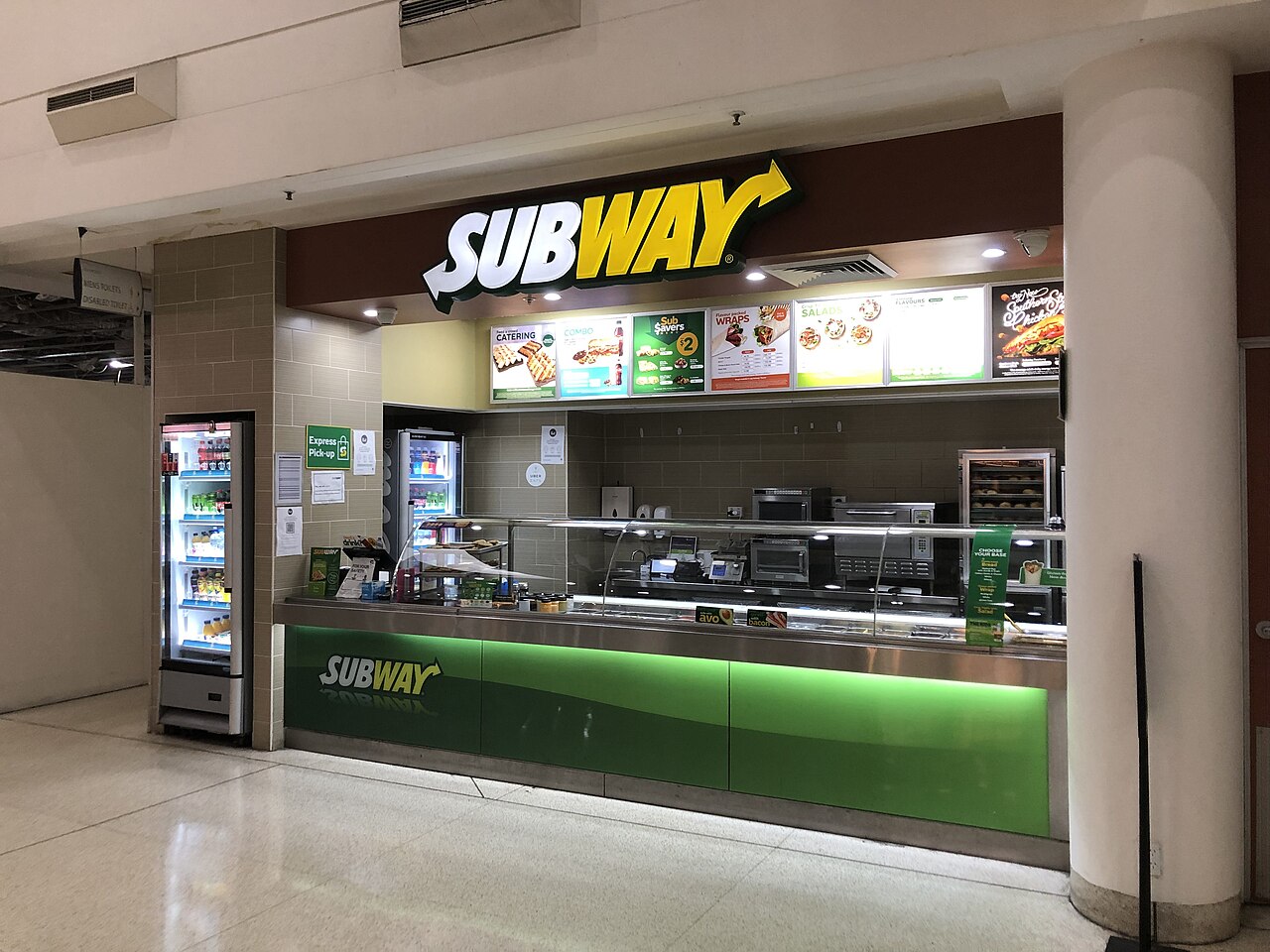
Subway remains one of the biggest restaurant chains in the country, yet its U.S. footprint keeps sliding. Nation’s Restaurant News reported that the chain closed 631 U.S. locations in 2024, leaving it with about 19,500 domestic restaurants, the first time it has fallen below 20,000 in roughly two decades. For a brand once defined by ubiquity, that is a major symbolic and operational setback.
Burger King is also still huge, but its domestic count has been moving in the wrong direction. QSR’s 2025 data shows the chain ended 2024 with 6,701 U.S. restaurants, down 77 from the prior year, after an even steeper decline in 2023. The company’s expensive “Reclaim the Flame” turnaround and remodel push suggest management knows the brand cannot rely on name recognition alone.
Pizza Hut and KFC, both under Yum Brands, have been wrestling with weaker traffic in the U.S. QSR reported that KFC’s year-over-year visits fell sharply early in 2024, including a double-digit drop in March, while Pizza Hut has also dealt with soft same-store sales and sluggish demand. In practical terms, both brands are fighting to stay relevant with customers trading down, cooking at home more often, or choosing faster-growing rivals.
Why America is pulling back from some old favorites
The biggest problem is not just competition. It is value perception. Across the industry, years of menu price increases changed how customers think about fast food, especially lower-income diners who once treated it as a dependable budget option. According to Revenue Management Solutions and Black Box reporting cited by QSR, quick-service traffic was down in key stretches of 2024 and 2025 even when sales held up, meaning price, not guest growth, often did the heavy lifting.
Wendy’s offers a clear example of that squeeze. QSR reported that its U.S. same-store sales fell 3.6% in Q2 2025, with July trends down even more sharply. Management pointed to weak consumer spending and overly complex promotions, a reminder that flashy limited-time offers do not always solve a basic affordability problem.
Jack in the Box has posted even more alarming numbers. In its official fiscal 2025 results, the company said same-store sales fell 7.4% in the fourth quarter and 4.2% for the full year. That kind of sustained decline usually signals more than a bad quarter. It suggests a brand that has lost momentum with core customers and has not yet found a convincing recovery formula.
Not every struggling chain is doomed, but the pressure is real
McDonald’s belongs on this conversation, though with an asterisk. It suffered a U.S. comparable-sales dip in late 2024 after the E. coli outbreak tied to slivered onions on Quarter Pounders, and its first quarter of 2025 was also soft. But unlike several peers, McDonald’s regained momentum by year-end 2025, showing that scale, operational discipline, and strong value messaging can still reverse a stumble.
That contrast is what makes the rest of the list more revealing. The chains losing America fastest are not necessarily disappearing tomorrow, but they are the ones with shrinking store counts, negative traffic, or falling same-store sales at a time when stronger brands are adapting faster. Consumers now expect speed, consistency, digital convenience, and real value all at once.
So which seven chains are losing ground most visibly? Subway, Burger King, Pizza Hut, KFC, Wendy’s, Jack in the Box, and, more cautiously, McDonald’s. If your favorite is on that list, it may not be finished. But it is almost certainly under more pressure than the drive-thru line suggests.
Столкнулись с выбором врача-репродуктолога: в разных клиниках дают разные рекомендации, назначают неодинаковые обследования и предлагают разные схемы лечения, поэтому сложно понять, где действительно индивидуальный подход, а где стандартный набор процедур. Хочется найти специалиста, который подробно объясняет причины, не назначает лишнего и честно оценивает шансы. На что вы обращали внимание при выборе репродуктолога и можете ли порекомендовать врача, которому действительно доверяете? Подскажите каким должен быть врач репродуктолог
Столкнулся с выбором силового кабеля для подключения оборудования: по расчёту подходит ВВГнг-LS, но у разных производителей при одинаковой маркировке заметно отличаются диаметр жил, толщина изоляции и цена. Не хочется переплачивать, но ещё меньше хочется получить нагрев кабеля, просадку напряжения или проблемы после монтажа. На что вы смотрите при покупке силового кабеля и каким производителям сейчас можно доверять? Как правильно рсчитать нагрузку на ввгнг ls
[8933]1xbet Official Login Bangladesh | বিকাশ পেমেন্ট ও ক্যাসিনো বোনাস,1xbet অ্যাপ ডাউনলোড করে সহজেই অনলাইন স্লট গেমের নিয়ম জানুন এবং বিকাশ পেমেন্টের মাধ্যমে দ্রুত ডিপোজিট করুন। আজই জয়েন করে আকর্ষণীয় বোনাস বুঝে নিন। visit: 1xbet
Super easy to get started and the welcome offer was a nice touch. I am really enjoying my time on jili356login.