
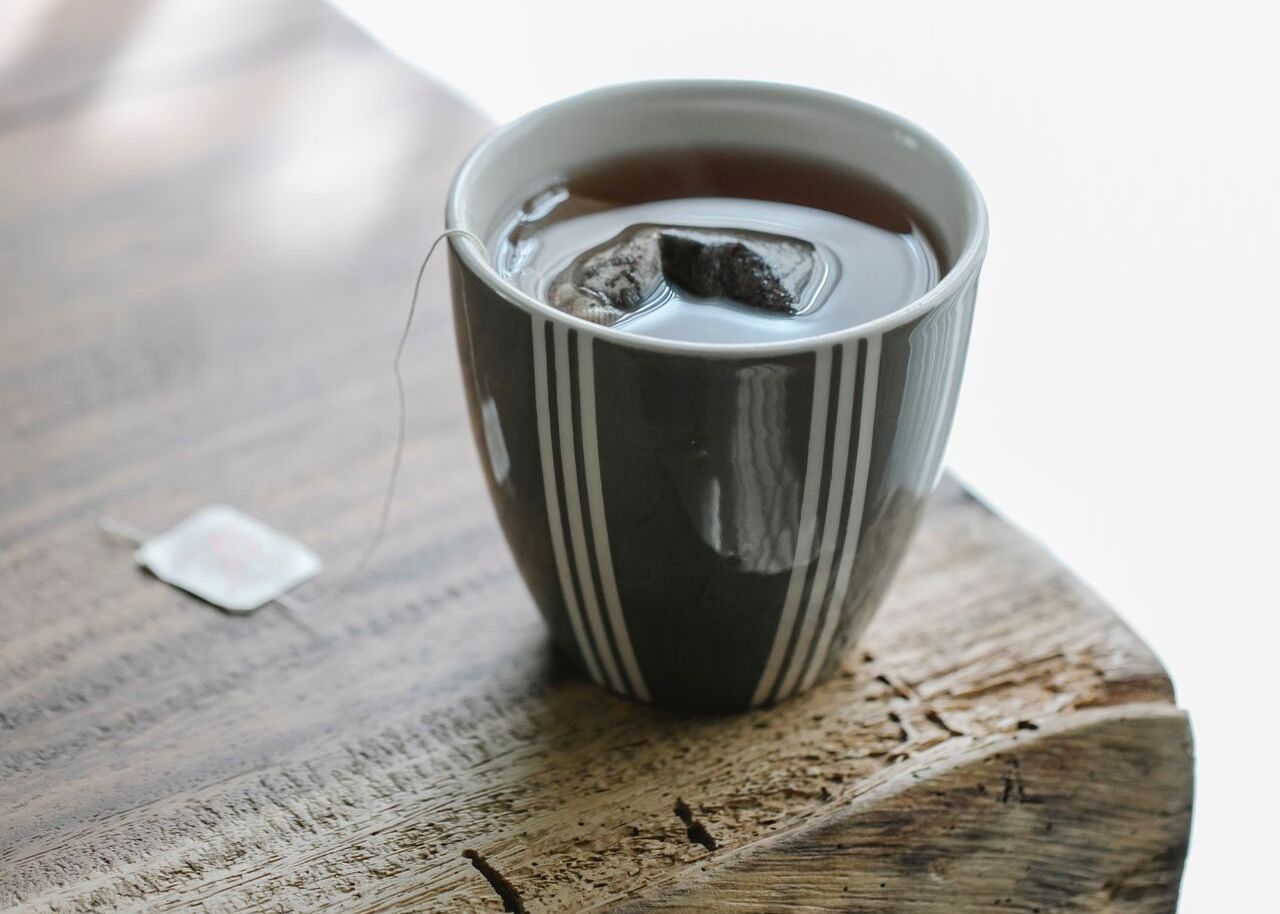
A hot cup of tea still starts with leaves and water, but some research suggests the bag itself can become part of the brew. Recent studies and food safety statements show that certain tea bag materials can release microplastic particles during steeping, while health agencies say the evidence on human harm remains incomplete.
What researchers found in brewed tea
Newer studies have kept the question in the spotlight. A 2026 paper indexed by PubMed reported that nylon tea bags steeped in hot water for five minutes released measurable large and small microplastics into simulated brewed tea, and the authors said hot brewing produced more release than colder conditions. That adds to a growing body of research looking at what happens when plastic based food contact materials meet very hot water.
The numbers in this field can vary sharply from study to study. A 2024 Food Chemistry paper found microplastics released from filter bags in tea infusions ranged from 80 to 1,288 micron sized pieces per bag, plus measured submicron material by mass. A 2026 open access study in npj Science of Food also reported microplastic release from plastic tea bags and compared bagged tea with bulk tea.
At the same time, experts do not treat every headline number as settled science. The German Federal Institute for Risk Assessment, known as BfR, reviewed the often cited 2019 study that reported billions of particles from a single plastic tea bag and said the sample preparation was unsuitable for measuring microplastics accurately. BfR said many particles counted in that work were likely oligomers, not true microplastics, and that later work found much lower counts.
What food safety agencies and brands say
The FDA says it is continuing to monitor microplastics and nanoplastics in foods. The agency says materials used in products that come into contact with food must be authorized for that use before they are marketed, and it says it would take regulatory action if scientific evidence shows microplastics or nanoplastics in food are harmful to human health.
That does not mean all tea bags are made the same way. Twinings North America says on its consumer packaging and FAQ pages that its tea bags are made from plant based tea paper using wood pulp and abaca, while a refill bag listed on its packaging page is polypropylene. Celestial Seasonings says it uses natural fiber pillow style tea bags. Bigelow Tea says recent microplastics papers examined tea bag materials made with petroleum based components such as nylon and polypropylene, and it argues those methods do not reflect real tea drinking behavior.
Industry groups have also tried to reassure consumers. The UK Tea and Infusions Association says most tea bags on the market are made from paper and plant based materials, and where heat seal elements are needed many producers now use polylactic acid, or PLA, rather than polypropylene. Even so, the available brand statements make clear that tea bag construction still differs by product and company.
What it means for your kitchen
For home tea drinkers, the most practical takeaway is to check what kind of bag your tea uses. The research focus has centered on nylon, polypropylene, PET, and other plastic based or plastic sealed materials. If a brand clearly says its bags are paper, plant fiber, abaca, cotton, or plastic free, that gives shoppers more information than the box front alone.
Loose leaf tea is another simple workaround because it avoids the tea bag material altogether. A metal infuser, a paper filter, or a ceramic strainer can deliver the same daily cup without relying on a sealed bag. That may appeal to drinkers who want more control over both flavor and packaging.
The health picture, though, is still not settled. BfR says there is no evidence at present that microplastic particles in food harm human health, but it also says the data are still too limited for a full assessment. The FDA has taken a similar watchful position. For now, the clearest fact is modest but useful: what your tea bag is made of can matter almost as much as what is inside it.