
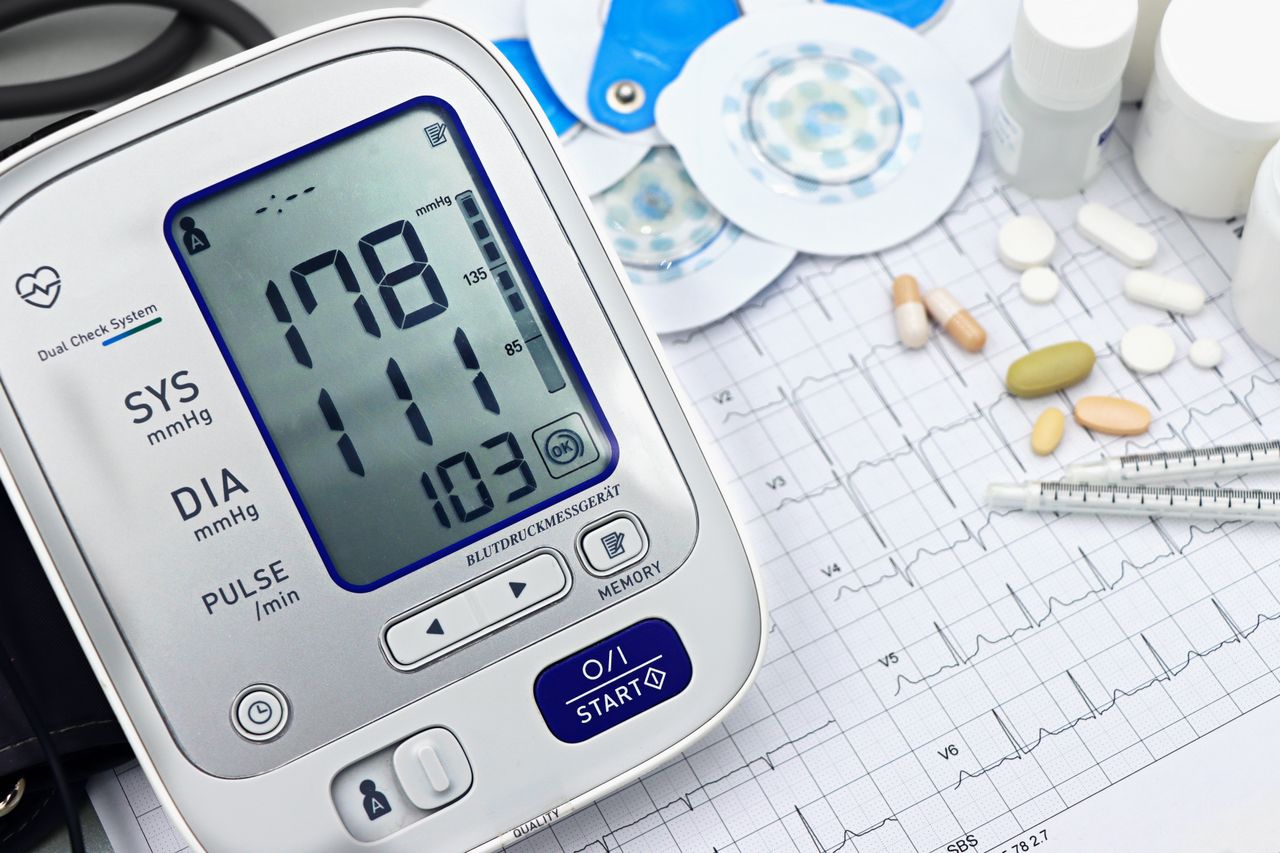
High blood pressure remains one of the most common chronic conditions in the United States, and cardiologists have spent years trying to explain why some cases stay elevated even after standard treatment. New March 2026 findings narrowed that question to a specific subgroup: patients with resistant hypertension, whose blood pressure remains high despite taking multiple medications. Researchers now say excess cortisol may be another hidden cause in a substantial share of those cases.
Researchers tied resistant hypertension to excess cortisol in a large U.S. study
Corcept Therapeutics presented late-breaking data from its MOMENTUM trial at the American College of Cardiology Scientific Session on March 28, 2026, reporting that 27.3% of 1,086 screened patients with resistant hypertension had hypercortisolism, according to the company and a concurrent Mount Sinai summary of the findings. Resistant hypertension was defined using American Heart Association criteria, meaning blood pressure remained uncontrolled despite the use of three or more medications.
That scale matters because MOMENTUM was described by Corcept and study investigators as the first large, U.S.-based observational multicenter study focused on endogenous hypercortisolism in resistant hypertension. The result translates to 297 patients with excess cortisol in the screened population, a rate researchers said was higher than many clinicians had expected in this setting.
Investigators said hypercortisolism, sometimes associated with Cushing syndrome, can be difficult to recognize because patients may not show the classic physical signs that typically prompt endocrine testing. The study’s message was not that cortisol explains all hypertension, but that it may account for a meaningful portion of difficult-to-control cases that otherwise look routine in cardiology practice.
What the findings mean in the U.S., and what is still not known locally
The confirmed impact of the study is national rather than state-specific. MOMENTUM enrolled patients across multiple U.S. centers, and the public materials tied to the research identify participating institutions in states including Texas, Kentucky, Louisiana, California, Maryland, Massachusetts, Michigan, Minnesota, and New York. However, researchers have not released a full public site-by-site enrollment breakdown, so it is not yet possible to say how many patients came from any one state or metro area.
That leaves important local questions unanswered. The study materials do not provide city-level prevalence figures, nor do they identify whether any specific state had a higher or lower share of resistant hypertension patients with hypercortisolism. They also do not show how many community clinics versus large academic centers contributed patients.
For patients and physicians, the immediate takeaway is more practical than geographic. The data suggest that some people being treated repeatedly for “essential” or unexplained resistant hypertension may actually have an identifiable hormone disorder. Mount Sinai said the findings support broader recognition that excess cortisol could be contributing to blood pressure that does not respond as expected to standard therapy.
Why researchers say this is important for treatment and next steps
The broader medical context helps explain why the findings drew attention. The American Heart Association said in its July 17, 2025 science advisory that about 15% to 20% of patients with hypertension have treatment-resistant disease, highlighting the need for new approaches. That advisory focused on the gut microbiome as an emerging factor in blood pressure regulation, showing that the field has increasingly moved beyond older one-cause explanations.
MOMENTUM points to a different pathway: hormone imbalance. Excess cortisol can affect blood pressure through several mechanisms, including fluid balance, vascular tone, and metabolic stress, which is why endocrinologists have long linked Cushing syndrome to hypertension. What is new here is the apparent frequency of elevated cortisol in a large resistant-hypertension population that was screened systematically rather than identified only after obvious symptoms appeared.
What this means for patients is still being defined. The March 2026 presentation does not establish that every patient with resistant hypertension should receive the same workup, and it does not prove that treating hypercortisolism will normalize blood pressure in every case. It does, however, give clinicians a stronger factual basis to consider endocrine screening in hard-to-control cases, while research continues on which patients benefit most from that approach.
The variety of games here is insane. I never run out of things to try and the customer support is always helpful. br345ok is my go-to spot now.