
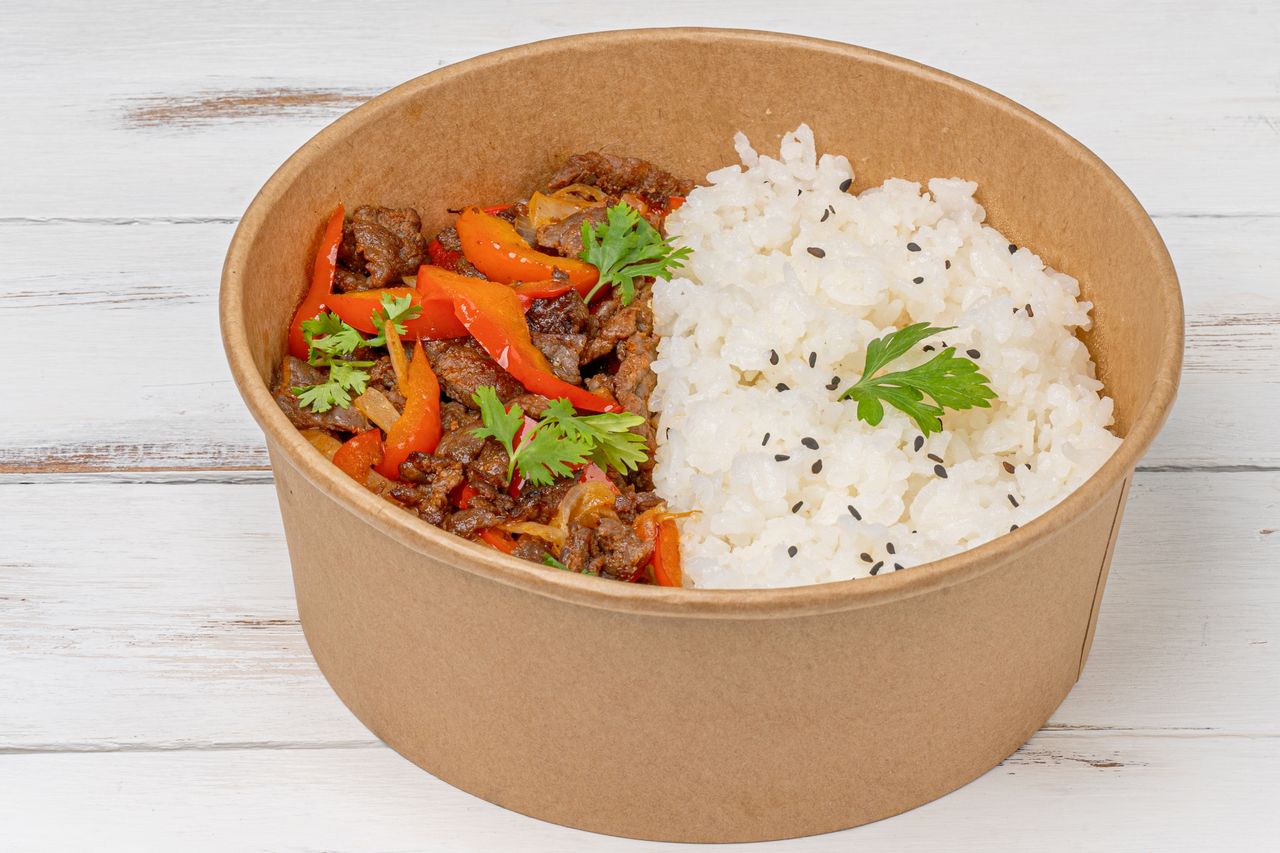
Social media has spent the past several years turning ordinary routines into named trends, and food has become one of its most durable subjects. On August 16, 2026, NPR reported that the latest entry is “boy kibble,” a stripped-down bowl of ground meat and rice that has emerged as a counterpart to the 2023 “girl dinner” trend. Together, the labels show how internet culture keeps repackaging familiar eating habits as recognizable identities.
A new meal label moves from joke to trend
NPR reported on August 16 that “boy kibble” generally refers to a single-bowl meal built around ground beef and white rice, with some versions adding onions, peppers or sauce. The outlet described the trend as a convenience-first, high-protein meal style that has spread among fitness-focused social media users. The comparison point is “girl dinner,” the snack-plate format that became widely known in 2023.
In NPR’s reporting, Marquis Hawkes, a 30-year-old government contractor and part-time personal trainer, said the meal usually takes about 15 to 20 minutes to prepare and fits easily into batch cooking during the week. Los Angeles-based trainer Erik Rokisky told NPR he recommends lean ground beef, specifically a 96/4 blend, in many versions of the dish. NPR also reported that some people swap in turkey, quinoa or pasta, but the format remains intentionally repetitive.
That simplicity is part of the point. Zachary Mulvihill, a clinical professor and physician at Weill Cornell Medicine and NewYork-Presbyterian Hospital, told NPR the trend appeals to people trying to gain muscle mass while keeping meals basic and repeatable. Other coverage earlier in 2026 similarly described “boy kibble” as a TikTok-driven response to “girl dinner,” especially among younger men focused on protein intake.
The broader impact is cultural, not local
Unlike a restaurant opening, recall or chain closure, this story does not center on one state or city and there is no official list of affected locations because “boy kibble” is not a product launch or company campaign. What is confirmed is that the discussion has spread through national media and social platforms, with NPR, Healthline, The Independent and other outlets treating it as a recognizable 2026 food conversation. What is not publicly measurable is the total number of people making or posting the meal, because no central platform or company has released a comprehensive count.
The trend’s visibility also reflects how quickly internet food language travels across audiences. “Girl dinner” entered the wider culture in 2023 as shorthand for an unstructured, low-effort meal assembled from snack-like foods, and “boy kibble” now serves as a similarly reductive label for protein-heavy meal prep. Coverage in 2026 has consistently framed the two as related but distinct expressions of convenience eating.
For readers, the practical takeaway is less about a specific recipe than about what these labels reveal. Mulvihill told NPR that many “boy kibble” plates emphasize protein and rice while leaving out vegetables and fiber, and he recommended adding produce such as frozen vegetables or precooked beets to preserve convenience. Adrienne Bitar, a food studies lecturer at Cornell University, told NPR that the meals themselves are not new; what is new is the public naming and circulation of these ordinary habits online.
Why the names stick
The staying power of these meal labels appears to come from the overlap between time pressure, nutrition goals and identity-driven posting. NPR reported that Mulvihill sees the trend as a response to people with limited time, limited money or limited cooking experience who still want meals that feel efficient and nutritionally purposeful. In that framing, “boy kibble” is less a culinary innovation than a simplified answer to work schedules, gym routines and repetitive meal prep.
Bitar told NPR that people have long eaten monotonous, practical meals, comparing the underlying idea to older staples such as porridge, stew and other sustaining dishes. Her point was that the behavior predates social media, even if the label does not. The internet’s role is to turn ordinary private routines into shareable categories that can signal gender, lifestyle and attitude in just two words.
That helps explain why these names keep resurfacing. “Girl dinner” and “boy kibble” package routine food decisions into recognizable cultural shorthand: one emphasizing snack-style ease, the other emphasizing utilitarian protein and repetition. Based on the sources available, the trend is best understood as a naming phenomenon as much as a nutrition one, with social media continuing to turn everyday meals into public identities.