
Even Professional Chefs Don’t Make Everything From Scratch: Here’s What They Buy Instead

puff pastry

In restaurant kitchens and home test kitchens alike, “from scratch” is often more aspiration than rule. For professional chefs, the decision to buy rather than make usually comes down to labor, consistency, shelf life, and whether the homemade version delivers a meaningful advantage. That reality is reflected across chef interviews and cooking publications, which show that even highly trained cooks rely on selected prepared ingredients when the tradeoff makes sense.

Puff pastry, canned tomatoes, and mayonnaise are among the most common chef shortcuts

One of the clearest examples is puff pastry. The Kitchn reported that homemade puff pastry is labor-intensive and finicky, while many cooks opt for frozen sheets for convenience; its own verdict in a “Make or Buy?” comparison was simply “Buy.” Bon Appétit has also highlighted store-bought pastry products as a practical holiday shortcut used by chefs, while Ina Garten has publicly recommended buying puff pastry rather than making it at home.

Canned tomatoes are another frequent exception to the scratch-only ideal. The Kitchn has published chef roundups naming canned tomato brands that restaurant professionals rely on for marinara, vodka sauce, braises, and other red-sauce applications. Those endorsements reflect a broader kitchen reality: for many dishes, professionally packed tomatoes offer dependable sweetness, acidity, and year-round availability that fresh supermarket tomatoes may not match.

Mayonnaise also appears regularly on the buy list. The Kitchn has noted that homemade mayo is fast to prepare but has a short shelf life, making jarred versions more practical for many cooks. Bon Appétit, meanwhile, has documented chefs using commercial mayonnaise in specific preparations because the stabilizers help maintain texture and structure in finished dishes.

The practical appeal is consistency, speed, and reduced waste

For working chefs, buying selective prepared foods is usually less about cutting corners than controlling variables. Frozen puff pastry, for example, removes the time-intensive lamination process from a recipe and offers repeatable performance when the goal is a quick tart, appetizer, or dessert. That kind of consistency matters in both restaurants and home kitchens, where labor and time are limited.

Shelf-stable and long-keeping products offer another advantage. Canned tomatoes can sit in a pantry until needed, and jarred mayonnaise keeps far longer than a fresh emulsion made with raw egg yolks. The same logic extends to other staples chefs mention in interviews, including condiments, spice pastes, and canned goods that provide concentrated flavor without requiring a long prep process.

Private chef Emma Schmall told The Kitchn she is not often making pasta by hand, soaking dried beans, or pickling her own pickles, a reminder that even professionals choose where to spend effort. In practice, many cooks reserve scratch cooking for elements where technique changes the result most, while outsourcing the parts that are standardized, labor-heavy, or easy to buy at high quality.

What this means for home cooks is that strategic convenience is normal

The takeaway for readers is not that homemade food is overrated. It is that professional standards do not require making every component by hand, and many chefs are explicit about that. When a prepared product is reliable and well-made, buying it can free up time for the parts of a meal that benefit more from hands-on attention, such as seasoning, browning, assembly, or finishing.

That approach also aligns with advice from prominent food personalities and working chefs who distinguish between worthwhile scratch projects and products that are already strong in commercial form. Ina Garten’s guidance on prepared foods, chef recommendations for canned tomatoes, and repeated endorsements of store-bought pastry all point in the same direction: convenience can be compatible with high standards.

For customers, diners, and home cooks, the broader industry context is simple. Professional cooking still values technique, but it also values efficiency and consistency. The evidence from chef interviews and cooking publications suggests that buying selected staples is not a compromise of principle; it is often a deliberate kitchen decision based on time, texture, storage, and results.

8 Common Ingredients in Your Pantry May Be Linked to High Blood Pressure and Heart Disease

Heart disease remains the leading cause of death in the United States, and national dietary guidance continues to focus on the role packaged and processed foods play in raising risk. In home kitchens, that often points back to pantry staples and ingredient labels rather than restaurant meals alone. The American Heart Association’s latest diet guidance, last reviewed March 31, 2026, says shoppers should specifically look for lower amounts of sodium, added sugars, and saturated fat in packaged foods.

The ingredients drawing the most scrutiny

The clearest concern centers on eight common pantry ingredients or ingredient types that repeatedly show up in shelf-stable foods: salt or sodium, added sugar, corn syrup, high-fructose corn syrup, partially hydrogenated oils, palm oil, coconut oil, and preservative-heavy seasoning blends that add sodium. The American Heart Association said in its 2026 diet recommendations that consumers should read ingredient lists and Nutrition Facts panels for lower sodium, added sugars, and saturated fat. It also advises choosing non-tropical plant oils over saturated fat sources such as coconut oil and limiting foods made with trans fat.

That guidance aligns with the group’s food label advice, which states that a product can still contain some trans fat when the label says 0 grams if “partially hydrogenated oil” appears in the ingredient list. In practical terms, that means some crackers, frostings, baking mixes, microwave snacks, and shelf-stable desserts may still warrant a closer look. The issue is not that every pantry product containing one of these ingredients is dangerous on its own, but that repeated intake can add up quickly across meals and snacks.

Sodium remains the most direct blood-pressure concern. The American Heart Association says significant evidence links excess sodium intake with high blood pressure, and it notes that about 70% of sodium in the typical U.S. diet comes from commercially processed and restaurant foods. An NIH-funded study also found that lowering sodium reduced blood pressure in most adults, with an effect similar to that of a common first-line blood pressure medicine.

What that means in everyday U.S. kitchens

In household terms, these ingredients often hide in canned soups, boxed rice mixes, instant noodles, bottled pasta sauce, jarred gravies, salad dressings, baking mixes, sweetened nut butters, and ready-made marinades. The American Heart Association says minimally processed foods can fit into a healthy diet, but packaged items with excessive sodium, saturated fat, and added sugars deserve closer review. That means two similar pantry products can carry very different cardiovascular risk depending on formulation.

What is confirmed is that the strongest concerns are tied to overconsumption patterns, not to a federal ban or warning aimed at all pantry foods. The American Heart Association has not published a single official master list titled “8 pantry ingredients,” and health agencies generally frame the issue around nutrient categories and ingredient sources instead of one fixed consumer checklist. Even so, its guidance repeatedly points consumers toward lower-sodium canned goods, foods with no added sugar, and products with no trans fat.

For shoppers, label reading matters because ingredients can appear under multiple names. Added sugars may show up as sugar, syrup, cane sweetener, or corn-based sweeteners, while sodium can accumulate through seasoning packets, bouillon, soy-based sauces, and preservatives. The association’s pantry guidance says to choose products with the lowest amounts of sodium, added sugars, and saturated fat, and no trans fat when possible.

Why health groups keep returning to the pantry

The broader context is the continued dominance of ultraprocessed food in the American diet. An American Heart Association fact sheet published in 2026 says more than 70% of grocery store items contain at least one ultraprocessed ingredient, and more than half the calories in the average U.S. diet come from ultraprocessed foods. The group says these products are often high in saturated fat, added sugars, and sodium, the combination most often associated with higher heart and metabolic risk.

That helps explain why pantry ingredients keep coming up in heart-health coverage. A canned bean, tomato product, or nut butter may still be a practical and nutritious staple, but the formulation matters. The American Heart Association recommends comparing labels and selecting versions without salty sauces, sugary syrups, or unnecessary added fats, while using plant-based oils such as olive or canola instead of coconut or palm oil when possible.

For consumers, the takeaway is straightforward and grounded in current guidance rather than a single recall or enforcement action. Expect continued emphasis from major health organizations on reducing sodium, added sugars, saturated fats, and trans fats in shelf-stable foods, especially as blood pressure prevention remains a national priority. The current advice is to keep pantry staples, but favor products with simpler ingredient lists and lower totals for the nutrients most closely tied to cardiovascular risk.

Experts Say It Might Be Time to Rethink One Popular Salad Staple

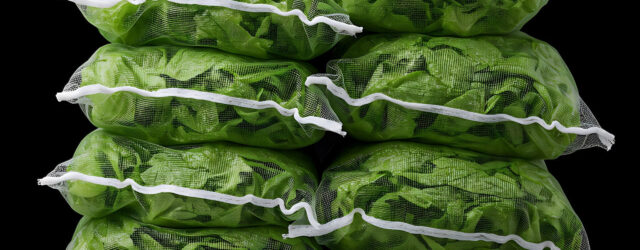
Salad kits and shredded greens have become a routine grocery shortcut across the U.S., even as repeated food-safety incidents have kept prepped produce under scrutiny. This summer, that scrutiny narrowed to bagged and shredded iceberg lettuce after federal investigators linked a large Cyclospora outbreak to products supplied by Taylor Farms de Mexico. Food safety specialists interviewed by major outlets said the outbreak may prompt consumers to rethink whether ready-to-eat iceberg lettuce still feels like a low-risk staple.

Federal investigators tied the outbreak to shredded iceberg lettuce

The central event was Taylor Farms de Mexico’s July 17, 2026 decision to voluntarily remove all iceberg lettuce sourced from central Mexico from the U.S. market, after the FDA said its traceback investigation had identified convergence on the supplier. The FDA said Taylor Farms also initiated a recall on July 17 covering Walmart Marketside “Iceberg Salad” in 12-ounce and 24-ounce packages and “Shredded Lettuce” in 8-ounce and 16-ounce packages with best-if-used-by dates from July 18, 2026 through August 3, 2026. The agency said a full list of affected foodservice products, including lot codes and disposal or return instructions, was included in the company recall notice.

By August 20, the FDA said 1,947 people infected with Cyclospora and reporting Taco Bell exposure had been identified across nine states, with illnesses beginning between June 22 and July 20, 2026. The agency said at least 98 hospitalizations had been reported and no deaths had been confirmed. Earlier in the investigation, the FDA said ingredient-level analyses showed 90% of interviewed patients had reported eating iceberg lettuce.

The FDA also said a border sample first reported as positive on July 18 was later determined to be a false positive after laboratory review on July 19. Even so, the agency said the false positive did not change the basis for the recall because traceback and epidemiological evidence still converged on shredded iceberg lettuce from Taylor Farms growers in central Mexico. The FDA continued to advise the public to avoid all products listed in the voluntary recall.

The confirmed footprint stretched across dozens of states, but some details remain incomplete

The recall reached well beyond a single market. According to the FDA’s outbreak advisory, confirmed foodservice distribution of recalled Taylor Fresh Foods iceberg lettuce products from June 29 through July 16 reached Alabama, Arkansas, Connecticut, Florida, Georgia, Iowa, Illinois, Indiana, Kansas, Kentucky, Louisiana, Massachusetts, Maine, Maryland, Michigan, Missouri, Mississippi, North Carolina, Nebraska, New Hampshire, New Jersey, New York, Ohio, Oklahoma, Pennsylvania, South Carolina, Tennessee, Texas, Virginia, Wisconsin, and West Virginia. The FDA also said recalled product may have been further distributed to the District of Columbia, Delaware, North Dakota, Puerto Rico, Rhode Island, South Dakota, Vermont, and Washington.

The retail side was narrower in the public record. The FDA specifically identified Walmart-sold Marketside iceberg products at retail, but it did not publish a city-by-city list of where each package was sold in the outbreak page excerpt. That means consumers could verify package size and best-if-used-by dates, but a comprehensive public list of individual store locations was not fully available in the FDA summary.

Restaurant exposure was also geographically specific. The FDA initially said the Taco Bell-linked subset involved Indiana, Kentucky, Michigan, Ohio, and West Virginia, before later updates expanded the outbreak count to nine states. Federal and state agencies did not publicly identify every individual restaurant tied to illness reports in the materials reviewed.

Experts say the episode highlights the tradeoff built into convenience lettuce

The broader context is not that all lettuce is unsafe, but that pre-shredded, ready-to-eat lettuce carries a distinct vulnerability once contamination enters the supply chain. In interviews published by Prevention and WIRED, food safety specialists said the 2026 outbreak forced consumers to think harder about convenience greens, even as some experts later said recalled product should no longer be on shelves because the use-by dates had passed. The FDA likewise stated that the best-by dates for the recalled lettuce had passed and the product should no longer be available in stores or restaurants.

The outbreak also illustrated how difficult Cyclospora investigations can be. The FDA said it can take up to six weeks for CDC and state officials to determine whether a sick person is part of the outbreak, which helps explain why case counts continued to rise after the recall. That lag means a product can be gone from shelves while investigators are still refining the size and scope of the event.

For shoppers, the practical takeaway is narrow and factual: the recalled Taylor Farms de Mexico iceberg lettuce products were subject to a July 17, 2026 recall, and the FDA said consumers should continue to avoid products listed in that notice. The agency also said those dated products should no longer be in commerce, leaving the industry with another high-profile example of how one of the country’s most familiar salad staples can quickly become a food-safety concern.

This Common Diet Factor Has Been Linked to One of the Deadliest Cancers! Experts Explain

Pancreatic cancer remains one of the deadliest cancers in the United States because it is often found late and is difficult to treat. Within that broader public health picture, one common diet factor — higher consumption of processed and red meat — has repeatedly appeared in major cancer reviews as a possible contributor to pancreatic cancer risk. The clearest expert guidance today is not based on a single new warning, but on years of evidence reviewed by global cancer agencies and public health groups.

Major cancer reviews have linked processed and red meat to pancreatic cancer risk

The International Agency for Research on Cancer, the cancer arm of the World Health Organization, said on October 26, 2015 that its expert working group had evaluated red meat and processed meat and found evidence of links not only with colorectal cancer, but also with pancreatic cancer and prostate cancer. In the same review, IARC classified processed meat as carcinogenic to humans and red meat as probably carcinogenic to humans, with the strongest evidence centered on colorectal cancer.

That distinction matters because readers may see broad headlines and assume the pancreatic cancer evidence carries the same weight as the colorectal cancer finding. It does not. IARC’s summary made clear that processed meat’s Group 1 classification was driven by sufficient evidence for colorectal cancer, while the pancreatic cancer link was described as evidence of an association rather than the basis for the headline classification.

Researchers have also identified similar patterns in long-running cohort studies. A study published through PubMed from the Multiethnic Cohort reported that red and processed meat intakes were associated with increased pancreatic cancer risk, and an NIH-AARP analysis examined nitrate and nitrite exposure from processed meats as one possible pathway.

What experts say the evidence does — and does not — prove

Public-facing guidance from cancer organizations is more measured than many viral headlines. The World Cancer Research Fund says the strongest evidence supports a link between processed meat and bowel cancer, and it recommends avoiding processed meat and limiting red meat. Its broader diet guidance also points people toward patterns with more whole grains, vegetables, fruit, and pulses.

For pancreatic cancer specifically, experts generally describe the evidence as concerning but less definitive than the case for colorectal cancer. That means no major authority is saying an occasional serving of bacon, deli meat, sausage, or hot dogs directly causes pancreatic cancer in an individual person. Instead, the evidence comes from population-level studies showing that people with higher intake tend to have higher risk over time after researchers account for other factors.

That is an important difference in a disease where smoking, obesity, diabetes, age, family history, and certain inherited syndromes also play major roles. Pancreatic cancer risk is shaped by multiple exposures, and diet is only one part of that picture, according to the American Cancer Society’s broader prevention guidance and the evidence reviews cited by WCRF and IARC.

Why processed meat is under scrutiny and what it means for readers

Scientists have studied several mechanisms that could help explain the association. IARC and related evidence reviews point to compounds formed during processing or high-heat cooking, including nitroso compounds, as well as the role of haem iron in red meat. The NIH-AARP study likewise focused on nitrate and nitrite from processed meat sources because those compounds can contribute to N-nitroso compound formation.

Even so, experts do not present this as a reason for panic or as a stand-alone rule that determines who will develop pancreatic cancer. The practical takeaway is narrower: limiting processed meat is a consistent recommendation across major cancer-prevention frameworks, while limiting red meat is also commonly advised. That advice reflects the totality of evidence, not a single study.

For readers, that means the most evidence-based response is to view processed meat as a food to reduce rather than a food around which to build a daily routine. Current recommendations from major cancer groups continue to favor overall dietary patterns with more minimally processed plant foods and less processed meat, while research on pancreatic cancer risk continues to evolve.

Gwyneth Paltrow’s Wellness Brand Just Opened Its First-Ever Sit-Down Restaurant

Restaurant brands that launched as delivery-first concepts are increasingly testing physical dining rooms as they look for new ways to grow. Goop Kitchen, the food business tied to Gwyneth Paltrow’s broader wellness brand, has now made that move in San Diego with its first sit-down restaurant.

Goop Kitchen opens its first dine-in restaurant in Del Mar

Goop Kitchen announced on August 27 that it had opened its first dine-in restaurant at the One Paseo shopping center in the Del Mar neighborhood of San Diego, according to National Restaurant News. The company said the location has 92 seats, making it a materially larger-format operation than the pickup-and-delivery kitchens that built the brand’s footprint in California and New York. National Restaurant News reported that the opening represents the concept’s first full dine-in restaurant after years of operating primarily as a virtual brand.

The restaurant keeps the core menu that customers already know from online ordering, while adding dine-in-only items, according to the same report. National Restaurant News said those additions include a Field of Greens salad pizza, a Strawberry-Goji Berry Palmer, and a Passion Fruit Lemonade. The company also confirmed that delivery and pickup will continue alongside table service at the Del Mar site.

Architectural Digest separately reported on August 27 that the Del Mar restaurant is scheduled to open its doors on August 31. That report said Paltrow collaborated with Michael Hsu Office of Architecture on the design of the space. Together, those reports indicate that the company publicly unveiled the project on August 27 as it prepared for customer service to begin days later.

What the opening means for San Diego and what is still unknown

The opening gives San Diego County a higher-profile Goop Kitchen presence in a market the company has already identified for additional growth. National Restaurant News reported that more locations are planned for La Jolla and downtown San Diego. The company has not publicly confirmed opening dates for those future sites, and it has not said whether either location will also be a dine-in restaurant.

What is confirmed is that Del Mar is the first sit-down format for the brand and that One Paseo is the specific site now in operation. Donald Moore, Goop Kitchen’s co-CEO, said in a company statement carried by National Restaurant News that San Diego felt like a natural fit for the concept because of the area’s focus on food, active lifestyles, and gathering with family and friends. That framing places the Del Mar opening as both a local expansion and a test of how the brand performs in a more traditional restaurant setting.

The company’s broader California and New York footprint remains weighted toward off-premise service. National Restaurant News reported that Goop Kitchen’s website lists 15 outlets in California and three in New York. While New York recently gained a branded walk-in storefront on the Upper East Side, Time Out New York reported that site was designed for walk-in ordering rather than sit-down dining, distinguishing it from the new Del Mar restaurant.

Why Goop Kitchen is shifting beyond delivery-only service

Goop Kitchen debuted in Los Angeles in 2021 and built its business around delivery and pickup, according to National Restaurant News and Architectural Digest. The concept emerged from the larger Goop brand, which began as a wellness newsletter in 2008 before expanding into adjacent businesses. That history matters because the restaurant’s identity has been tied as much to brand positioning as to a conventional chain rollout.

The Del Mar opening suggests the company sees room to translate that customer base into brick-and-mortar dining. National Restaurant News reported that the concept is known for made-to-order meals prepared without refined sugar, seed oils, or processed additives, a positioning that aligns with the broader wellness audience Paltrow’s company has cultivated. Architectural Digest’s coverage also underscored the investment in physical design, indicating the restaurant is intended to function as more than a production point for app-based orders.

For customers, the most immediate change is straightforward: San Diego diners now have a place to sit down and order Goop Kitchen food in person, while still using delivery and pickup if they prefer. The company has said more San Diego growth is planned, but it has not released a full list of additional addresses or formats for the La Jolla and downtown locations. For now, the Del Mar restaurant stands as the brand’s first test of whether a delivery-born business can scale into dine-in service without abandoning its off-premise model.

Buc-ee’s Just Revealed Its Next Wave of Locations, And the Places It’s Skipping

Buc-ees

As large-format travel centers keep pushing farther beyond their home regions, expansion plans have become a closely watched signal for where chains see room to grow. Buc-ee’s sharpened that picture on May 12, 2026, when new reporting carried by the company’s own news page and industry outlets laid out the next wave of stores and, just as notably, the states still being left out.

Buc-ee’s spelled out a multi-state expansion wave with several firsts

Buc-ee’s next confirmed wave centers on a string of first-in-state openings that extends into 2027. Reporting published May 12, 2026 by USA Today and highlighted on Buc-ee’s own News & Press page said the Texas-based chain had upcoming openings or active development in Arizona, Arkansas, Kansas, Louisiana, North Carolina and Wisconsin, with company representatives also confirming 2026 opening dates for Goodyear, Arizona; San Marcos, Texas; Benton, Arkansas; and Murfreesboro, Tennessee. Industry group NACS separately reported that Buc-ee’s planned to enter at least six new states by the end of 2027.

The timeline has already started to move from plan to reality. Buc-ee’s opened in Goodyear on June 22, 2026, marking its first Arizona location, and the company’s media-room releases show a Benton, Arkansas debut announced August 3, 2026 after an earlier groundbreaking there on April 2, 2025. The same press-release archive lists groundbreakings for Ruston, Louisiana on October 22, 2025, Kansas City, Kansas on October 2, 2025, and Mebane, North Carolina on May 29, 2026.

What stands out is the scale. Recent Buc-ee’s projects described by local governments and trade coverage consistently run around 70,000 to 74,000 square feet and roughly 100 to 120 fuel positions, underscoring that this is not a small-store rollout. The company has not published one comprehensive national list on its corporate site with every future address and opening date in one place, but the pattern across its releases and cited local reports shows a deliberate next wave concentrated in large interstate-adjacent builds.

The places getting stores are clear, but the skipped markets matter too

The clearest local impact is in the states newly joining the Buc-ee’s map. Arkansas has now opened its first store in Benton, Arizona has opened its first in Goodyear, and Wisconsin, Louisiana, Kansas and North Carolina remain on deck with city-specific projects in Oak Creek, Ruston, Kansas City and Mebane, according to local government reporting cited by Fox Business and NACS. Ohio also entered the fold earlier with Huber Heights, which opened April 6, 2026, according to Buc-ee’s press materials.

Just as important, some places are confirmed misses. Buc-ee’s media-room archive includes a May 15, 2026 statement saying the company had no plans for a Plainfield Township, Pennsylvania location and described a circulating letter of intent there as invalid. In Illinois, Axios reported on August 27, 2026 that company representatives said Buc-ee’s has no plans to open in the state.

That leaves a middle category of states where interest exists but confirmation does not. Colorado, for example, moved a step forward on August 27, 2026 when El Paso County commissioners approved a zoning request tied to a proposed Buc-ee’s, but Axios reported the company still had not announced a construction timeline. For readers tracking where Buc-ee’s is going next, the company’s pattern is increasingly city-specific: if a city has a groundbreaking, zoning action or opening announcement, it is real; if not, Buc-ee’s often says nothing publicly.

Buc-ee’s expansion is following economics, workforce bets and selective market choices

The company’s public comments point to a selective expansion model rather than a rush for every open state. Axios reported that co-founder and president Arch “Beaver” Aplin III said at Buc-ee’s Benton opening in mid-August 2026 that the chain prefers conservative, business-friendly states with a strong workforce. That comment offered the clearest direct explanation yet for why some markets are moving ahead while others are not.

Local economic-development messaging lines up with that approach. Goodyear officials said in a June 25, 2026 release, later cited by AOL and USA Today reporting, that Buc-ee’s chose Arizona because of the state’s economic momentum and workforce. NACS and Fox Business coverage also show Buc-ee’s focusing on interstate sites large enough to support the chain’s standard oversized format, a requirement that naturally narrows the field to certain suburban and exurban corridors.

For customers and residents, the practical takeaway is straightforward. The next Buc-ee’s growth is concentrated in named cities with announced openings, groundbreakings or active approvals, not in a blanket nationwide buildout. In states such as Pennsylvania and Illinois, the company has either explicitly said no or indicated no current plans, while other markets remain speculative until Buc-ee’s or local officials put a project on the record.

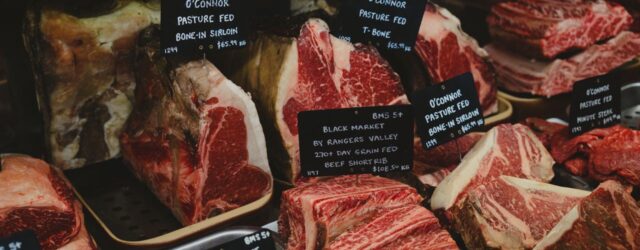
Americans Are Paying More for Beef Than Ever! So Why Are They Eating Less of It?

Beef is commanding more of the American food dollar in 2026, even as overall food inflation remains broad across grocery stores and restaurants. The shift is showing up most clearly in beef, where rising prices are driving spending higher while the number of packages and menu items consumers buy is moving the other way. Industry data published August 26 show that Americans are paying record-level prices for beef products, but purchasing less of them by volume.

Beef spending is rising because prices, not demand, are doing the work

Numerator data reported August 26 by Nation’s Restaurant News show beef prices have risen 25% since 2023, far outpacing poultry and pork. According to that report, beef now accounts for 56% of sales generated by the three biggest animal proteins — beef, pork and poultry — up one percentage point from a year earlier and the highest share since 2019. Numerator said a single percentage point in that mix is worth roughly $1 billion in sales, underscoring how much pricing has shifted the category.

That sales growth is not being driven by consumers buying more beef. The same Numerator data show beef unit share, a measure of the amount actually purchased, fell by 0.8 percentage points over the same period. In practical terms, Americans are spending more money on beef while taking home fewer units.

Restaurants are seeing the same math. Numerator found prices for burgers and other beef sandwiches at fast-food chains have increased 28% since 2023 to an average of $6.70 per item. Chicken prices rose 12% over that stretch to $6.80, leaving beef with much less of the price advantage it once held on value menus and combo boards.

The effect is national, but shoppers are feeling it differently at the meat case and drive-thru

Because this is a national pricing trend rather than a single-company action, there is no state-by-state closure list or recall-style distribution map attached to the story. What is confirmed is that higher beef prices are affecting both supermarket purchases and restaurant menu economics across the United States, according to Numerator and USDA market outlook data. What is not yet publicly broken out in the reporting is a full state-level comparison of where consumers are cutting back most sharply.

For shoppers, the clearest local impact is likely showing up at the checkout lane and in menu choices. USDA’s Economic Research Service said this month that food-away-from-home prices in 2026 are forecast to rise 3.6%, while tight cattle supplies are expected to reduce year-over-year beef production in the second half of the year. That means the pressure on beef-heavy restaurant concepts has not fully eased.

USDA also has projected lower domestic beef availability per person. An ERS chart published in 2025 forecast per capita beef availability at 56.9 pounds in 2026, down from 58.5 pounds in 2025. Availability is not identical to consumer purchases, but USDA uses it as a proxy for how much product is moving through the market.

Tight cattle supplies remain the central reason prices are staying high

The main cause is supply. USDA’s National Agricultural Statistics Service said on July 24 that the United States had 28.5 million beef cows as of July 1, 2026, down 1% from a year earlier, with the total cattle and calf inventory at 94.2 million head. USDA has separately described the cattle herd as sitting at its lowest level in roughly 75 years, a contraction that has limited beef production and supported high wholesale prices.

USDA and ERS reports tie that cycle to several overlapping pressures: drought and poor pasture conditions, high hay and feed costs in earlier years, the long biological timeline required to rebuild herds, and broader input-cost pressures on producers. ERS noted that low supplies in 2026 were expected to push cattle prices to record territory before easing later in the decade as production cycles recover.

For consumers, that means higher beef prices do not necessarily signal stronger appetite for beef. They more often reflect a smaller herd, reduced supply and menu pricing that restaurants use to protect margins. USDA’s latest market outlook said cattle prices may remain supported into 2027 because supplies are still tight, even as the agency expects some production conditions to improve over time.

This Washington Food Plant Just Announced Layoffs for Over 100 Workers

Food manufacturers across the U.S. have continued to adjust staffing, production, and distribution as companies respond to changing demand and operating costs. In Central Washington, frozen vegetable producer Twin City Foods has now joined that list with a newly filed layoff notice tied to its Ellensburg operation. The filing points to a significant workforce reduction at one local food facility rather than a broader statewide shutdown.

Twin City Foods filed notice for 109 Ellensburg layoffs

Twin City Foods, Inc. filed a WARN notice with Washington’s Employment Security Department on August 21 stating that 109 workers at its Ellensburg facility are expected to be laid off, with the action scheduled to begin November 2, 2026, according to state-tracked WARN records and reporting based on the filing. The affected site is identified as 501 W. 4th Avenue in Ellensburg. The notice indicates a layoff rather than a plant-wide closure.

The scale is substantial for a single food facility in Kittitas County. Public WARN trackers that compile state filings list the event as affecting 109 employees at the Ellensburg location and identify the action as a layoff with the same November 2 effective date. Twin City Foods has not publicly outlined the affected job titles in the materials reviewed.

Twin City Foods describes itself as a longtime frozen vegetable producer with more than 80 years in business. On its website, the company says it operates four facilities and employs about 900 people. That means the Ellensburg reduction represents a notable cut at one site, even though the company’s broader operations remain in place.

What is confirmed in Ellensburg, and what is still unclear

For Ellensburg, the confirmed facts are narrow but important. The WARN filing covers 109 positions tied to the Twin City Foods warehouse at 501 W. 4th Avenue, and the layoffs are expected to start on November 2, 2026, based on the filing date and effective date reported in public WARN records. At this stage, that is the clearest verified timeline available.

What is not yet known is how the reduction will affect the facility’s remaining operations, whether the layoffs will occur all at once or in phases, and which departments will be most affected. Twin City Foods has not released a full public list of affected roles for the Ellensburg site in the source material reviewed. The company also has not said in the cited materials whether the notices are conditional or final.

The filing does not indicate that other Washington facilities are part of the same action. Twin City Foods is headquartered in Stanwood and says it distributes frozen vegetables primarily in Washington and Michigan, but the currently reviewed layoff notice is specific to Ellensburg. No additional Washington city was named in the available reporting on this filing.

Why the layoffs matter for Washington’s food sector

The company has not publicly detailed a reason for the Ellensburg layoffs in the cited filing summaries and related reporting. That means any explanation for the reduction must be treated cautiously. The clearest documented fact is that the filing concerns a single warehouse facility and does not, based on the reviewed materials, describe a companywide shutdown.

Even without a stated cause, the action lands at a time when food manufacturers have been using WARN notices to signal restructuring tied to demand shifts, logistics changes, and cost control across the broader industry. In this case, the available sources stop short of linking Twin City Foods’ decision to any one factor such as crop conditions, inflation, or plant consolidation. No quarterly earnings call or public corporate statement explaining the move was identified in the reviewed materials.

For residents and workers in Ellensburg, the practical takeaway is that the layoffs are not scheduled to begin immediately. The current public timeline gives affected employees advance notice before the November 2 start date. Unless the company or the state releases more detailed information, that filing remains the most concrete public indicator of what customers, workers, and the local community should expect in the coming months.

5 Restaurant Chains That Defined an Entire Era of American Dining

For much of the past half-century, national restaurant chains helped define how Americans ate away from home, turning highway exits, suburban shopping corridors, and mall-adjacent pads into standardized dining destinations. Five brands in particular — McDonald’s, Olive Garden, Applebee’s, Red Lobster, and TGI Fridays — became shorthand for distinct eras of U.S. dining, from fast-food expansion to the peak of casual dining. Their current footprints and recent filings also show how durable those brands remain, even as traffic, labor costs, and consumer preferences continue to reshape the business.

Scale made these chains cultural fixtures

McDonald’s set the standard for national restaurant scale long before many full-service chains reached coast-to-coast status. In its 2025 annual report, the company said it operates restaurants in more than 100 countries and reported $139.4 billion in systemwide sales for 2025, underscoring the reach that made it a defining force in American dining. Its growth model established the template for consistency, franchising, and menu familiarity that much of the industry later followed.

Olive Garden and Applebee’s became central to the next wave: mainstream casual dining built around broad national appeal. Olive Garden said it has nearly 900 restaurants, more than 99,000 employees, and more than $4.9 billion in annual sales, while Dine Brands said in its 2024 annual report that 30 franchisees owned 1,454 domestic Applebee’s restaurants as of December 31, 2024. Those numbers reflect the extent to which both chains became fixtures for family meals, promotions, and suburban dining traffic.

Red Lobster and TGI Fridays helped define earlier and later chapters of the same category. Red Lobster’s franchising materials describe the company as the largest seafood restaurant chain in the world, while TGI Fridays said in a November 2, 2024 bankruptcy filing that the company then owned and operated 39 domestic restaurants. Even with sharply reduced footprints, both names retain broad recognition because they were built during decades when chain dining was still expanding as a national habit.

The casual-dining era peaked nationally, not in one region

The broad impact of these chains was national, spanning cities, suburbs, and interstate corridors rather than one single state or metro area. That is especially true for Applebee’s, Olive Garden, and McDonald’s, whose domestic networks were designed to serve wide trade areas with highly repeatable formats. Public filings and company materials confirm national scale, but they do not always break out current unit counts city by city in a way that would identify every community most shaped by that era.

What is confirmed is that these brands became part of the physical layout of everyday American dining. Restaurant Business, in its historical review of the 1990s, reported that casual dining emerged as a dominant force in that decade, with chains including Red Lobster and TGI Fridays already established and then amplified by broader consumer demand. That helps explain why these brands became reference points not just for meals, but for birthdays, office lunches, family outings, and date-night dining in communities across the country.

What remains less clear in many cases is the exact local legacy by city, because companies do not always publish comprehensive historical location lists. For readers looking for city-level precision, that means some local influence can be inferred from footprint and longevity, but not every market’s role is publicly documented in current company disclosures. The result is a national story with uneven local data, even when the brands themselves are universally familiar.

Their staying power now depends on adapting to a different market

The forces reshaping these chains are well documented in company filings and industry reporting. The National Restaurant Association said in its 2025 industry outlook that operators continued to face many of the same pressures seen in 2024, while its Restaurant Performance Index showed traffic remained soft even when some operators posted sales gains. That matters most for casual dining, where value, labor, rent, and consumer frequency all weigh heavily on performance.

Recent restructurings made those pressures especially visible. Red Lobster filed for Chapter 11 on May 20, 2024, and Reuters reported court documents tied part of the company’s distress to losses connected to its Ultimate Endless Shrimp promotion. TGI Fridays also filed for Chapter 11 on November 2, 2024, saying the move was intended to address legacy liabilities and support long-term viability.

For customers, the meaning is practical rather than symbolic. McDonald’s, Olive Garden, and Applebee’s remain large, active chains, while Red Lobster and TGI Fridays have spent the past two years operating through restructuring and footprint changes confirmed in filings and industry reports. The era these chains defined is no longer expanding in the same way, but the brands still anchor a significant share of how Americans recognize restaurant dining today.

He Faked Food Safety Checks for Years. Now He’s Paying the Price

Food safety oversight shapes how restaurants, takeaways, and other food businesses are judged across the industry, and inspection records can directly affect public trust. In Thurrock, England, that system came under scrutiny after a former council contractor was sentenced in August 2026 for falsifying food hygiene inspection work over a period that began in 2020. The case involves fake records tied to local food businesses and a fraud investigation launched after coworkers raised concerns, according to Thurrock Council and Food Safety News.

Former contractor was sentenced over 13 falsified inspection records

Thurrock Council said former temporary Environmental Health Officer Lily Yirenkyi was sentenced on August 13, 2026, at Basildon Crown Court after admitting 13 fraud offences and one offence of misconduct in public office. The council said Yirenkyi had been appointed in 2020 and was identified by the environmental health team within weeks after concerns emerged about her work. Those concerns were then referred to the authority’s counter fraud team for a formal investigation, according to the council’s statement.

The prosecution case, as summarized by Thurrock Council and by barristers’ chambers QEB Hollis Whiteman, was that false food hygiene inspection reports were submitted for businesses that either had not been inspected at all or had not been inspected in the way recorded. QEB Hollis Whiteman said the offending related to misconduct in public office and 13 offences of using a false instrument under the Forgery and Counterfeiting Act 1981. The court imposed a suspended sentence order, according to the chambers’ case summary, while Thurrock Council described the matter as a successful conviction following its internal fraud investigation.

Food Safety News reported the case on August 25, 2026, drawing on the same underlying facts from Thurrock Council. The reporting establishes the scale that has been publicly verified so far: 13 false inspection-related offences. No broader tally of additional falsified inspections beyond those offences was confirmed in the source material reviewed.

The impact is centered in Thurrock, though a full business list is not public

The confirmed geographic impact in the available reporting is Thurrock, a local authority area in Essex, because the inspections were carried out while Yirenkyi was engaged by Thurrock Council. Publicly available council statements do not identify all 13 affected food businesses by name. The authority has also not released a comprehensive public list of the specific premises tied to each falsified inspection record in the material reviewed.

That leaves some limits on what can be said about consequences for individual operators. It is confirmed that the case involved official food hygiene inspection paperwork connected to local businesses, but it is not yet publicly detailed which premises received follow-up visits, revised ratings, or administrative corrections as a result. Scores on the Doors, which republishes local authority food hygiene data, shows more than 1,300 premises in Thurrock with inspection results, underscoring the size of the borough’s regulated food sector, but that database does not itself identify the businesses involved in this criminal case.

For residents and food businesses in Thurrock, the practical implication is that the misconduct was identified internally rather than through a broad external recall or public alert. Thurrock Council said staff acted quickly once concerns were spotted. The council has framed the case as evidence that its fraud controls and environmental health oversight processes were engaged before the misconduct could continue unchecked indefinitely.

The case highlights pressure on inspection systems and the need for oversight

The underlying cause described in the reporting is not inflation, staffing cuts, or a policy change, but the submission of false official records by an individual contractor working within a public inspection system. Thurrock Council’s account makes clear that the trigger for enforcement was internal concern from the environmental health team, followed by a counter-fraud investigation. That sequence matters because it shows the case was built around document falsification and public office misconduct, not around a single restaurant outbreak or consumer complaint made public in the source material.

The broader context is that food hygiene ratings and inspection reports carry weight for businesses and the public. Thurrock Council’s food safety pages and the national Food Hygiene Rating Scheme infrastructure show that local inspections form part of the regulatory record used to assess compliance. False reports can therefore distort both enforcement and public-facing hygiene information, even when no foodborne illness event is publicly linked to the misconduct.

For customers, the case does not create a newly announced product recall or a published list of restaurants to avoid based on the available sources. What it does mean is that a local authority has confirmed criminal penalties in a case involving falsified food safety oversight, and the official record now reflects that outcome. Thurrock Council said it takes food safety inspections seriously, and the sentencing on August 13, 2026, closes the criminal case while leaving the focus on the reliability of inspection systems going forward.