
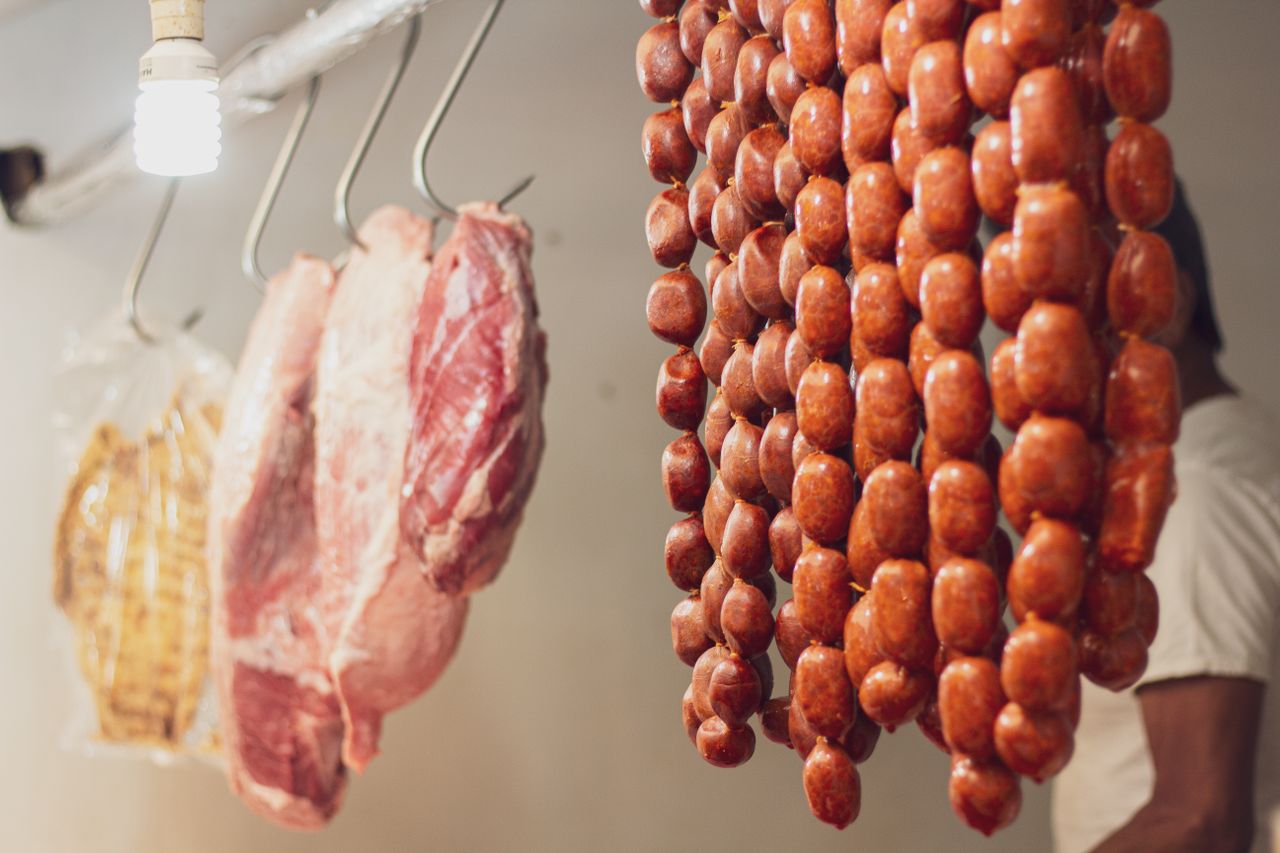
Pancreatic cancer remains one of the deadliest cancers in the United States because it is often found late and is difficult to treat. Within that broader public health picture, one common diet factor — higher consumption of processed and red meat — has repeatedly appeared in major cancer reviews as a possible contributor to pancreatic cancer risk. The clearest expert guidance today is not based on a single new warning, but on years of evidence reviewed by global cancer agencies and public health groups.
Major cancer reviews have linked processed and red meat to pancreatic cancer risk
The International Agency for Research on Cancer, the cancer arm of the World Health Organization, said on October 26, 2015 that its expert working group had evaluated red meat and processed meat and found evidence of links not only with colorectal cancer, but also with pancreatic cancer and prostate cancer. In the same review, IARC classified processed meat as carcinogenic to humans and red meat as probably carcinogenic to humans, with the strongest evidence centered on colorectal cancer.
That distinction matters because readers may see broad headlines and assume the pancreatic cancer evidence carries the same weight as the colorectal cancer finding. It does not. IARC’s summary made clear that processed meat’s Group 1 classification was driven by sufficient evidence for colorectal cancer, while the pancreatic cancer link was described as evidence of an association rather than the basis for the headline classification.
Researchers have also identified similar patterns in long-running cohort studies. A study published through PubMed from the Multiethnic Cohort reported that red and processed meat intakes were associated with increased pancreatic cancer risk, and an NIH-AARP analysis examined nitrate and nitrite exposure from processed meats as one possible pathway.
What experts say the evidence does — and does not — prove
Public-facing guidance from cancer organizations is more measured than many viral headlines. The World Cancer Research Fund says the strongest evidence supports a link between processed meat and bowel cancer, and it recommends avoiding processed meat and limiting red meat. Its broader diet guidance also points people toward patterns with more whole grains, vegetables, fruit, and pulses.
For pancreatic cancer specifically, experts generally describe the evidence as concerning but less definitive than the case for colorectal cancer. That means no major authority is saying an occasional serving of bacon, deli meat, sausage, or hot dogs directly causes pancreatic cancer in an individual person. Instead, the evidence comes from population-level studies showing that people with higher intake tend to have higher risk over time after researchers account for other factors.
That is an important difference in a disease where smoking, obesity, diabetes, age, family history, and certain inherited syndromes also play major roles. Pancreatic cancer risk is shaped by multiple exposures, and diet is only one part of that picture, according to the American Cancer Society’s broader prevention guidance and the evidence reviews cited by WCRF and IARC.
Why processed meat is under scrutiny and what it means for readers
Scientists have studied several mechanisms that could help explain the association. IARC and related evidence reviews point to compounds formed during processing or high-heat cooking, including nitroso compounds, as well as the role of haem iron in red meat. The NIH-AARP study likewise focused on nitrate and nitrite from processed meat sources because those compounds can contribute to N-nitroso compound formation.
Even so, experts do not present this as a reason for panic or as a stand-alone rule that determines who will develop pancreatic cancer. The practical takeaway is narrower: limiting processed meat is a consistent recommendation across major cancer-prevention frameworks, while limiting red meat is also commonly advised. That advice reflects the totality of evidence, not a single study.
For readers, that means the most evidence-based response is to view processed meat as a food to reduce rather than a food around which to build a daily routine. Current recommendations from major cancer groups continue to favor overall dietary patterns with more minimally processed plant foods and less processed meat, while research on pancreatic cancer risk continues to evolve.
Super friendly community and great promotions for new members. I feel lucky every time I log in here. Visit 85ph777 for some amazing rewards.