
In restaurant kitchens and home test kitchens alike, “from scratch” is often more aspiration than rule. For professional chefs, the decision to buy rather than make usually comes down to labor, consistency, shelf life, and whether the homemade version delivers a meaningful advantage. That reality is reflected across chef interviews and cooking publications, which show that even highly trained cooks rely on selected prepared ingredients when the tradeoff makes sense.
Puff pastry, canned tomatoes, and mayonnaise are among the most common chef shortcuts
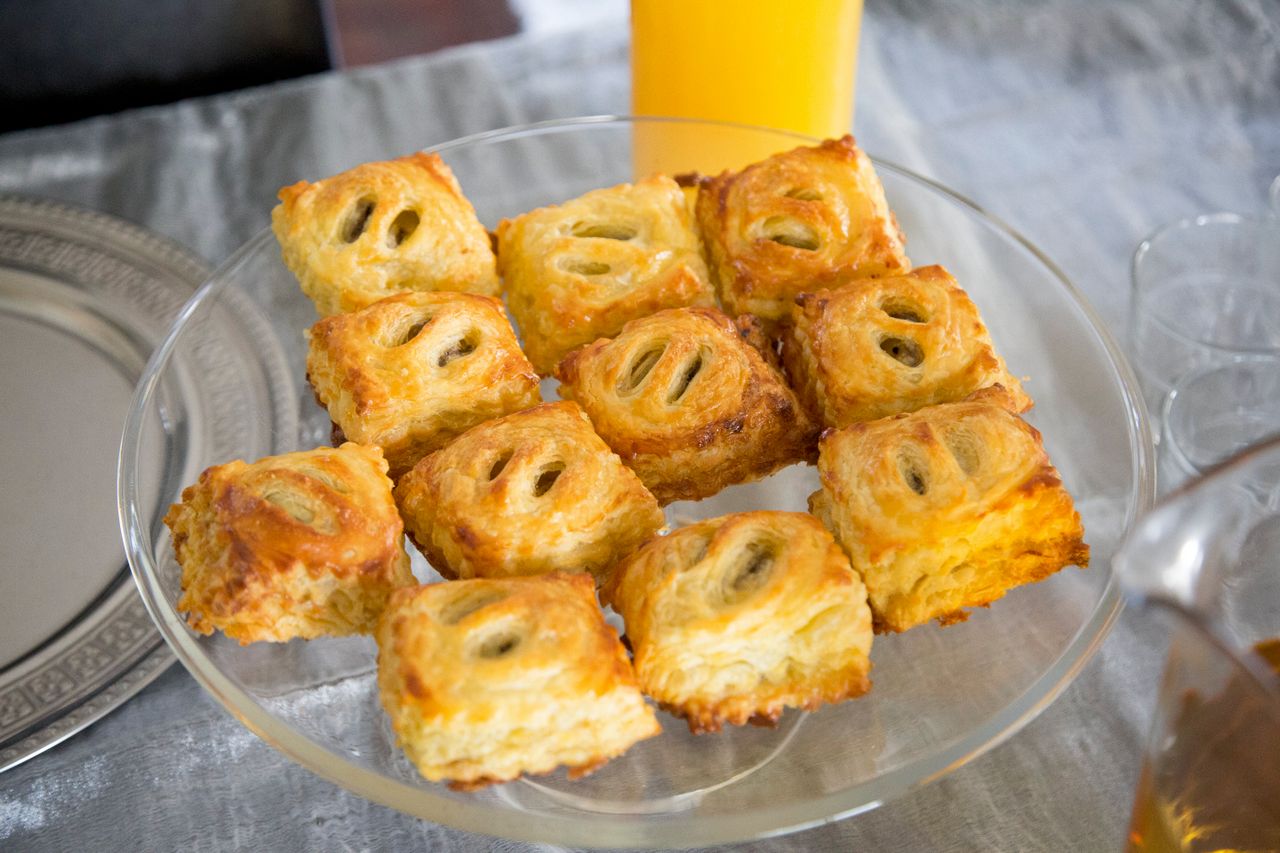
One of the clearest examples is puff pastry. The Kitchn reported that homemade puff pastry is labor-intensive and finicky, while many cooks opt for frozen sheets for convenience; its own verdict in a “Make or Buy?” comparison was simply “Buy.” Bon Appétit has also highlighted store-bought pastry products as a practical holiday shortcut used by chefs, while Ina Garten has publicly recommended buying puff pastry rather than making it at home.
Canned tomatoes are another frequent exception to the scratch-only ideal. The Kitchn has published chef roundups naming canned tomato brands that restaurant professionals rely on for marinara, vodka sauce, braises, and other red-sauce applications. Those endorsements reflect a broader kitchen reality: for many dishes, professionally packed tomatoes offer dependable sweetness, acidity, and year-round availability that fresh supermarket tomatoes may not match.
Mayonnaise also appears regularly on the buy list. The Kitchn has noted that homemade mayo is fast to prepare but has a short shelf life, making jarred versions more practical for many cooks. Bon Appétit, meanwhile, has documented chefs using commercial mayonnaise in specific preparations because the stabilizers help maintain texture and structure in finished dishes.
The practical appeal is consistency, speed, and reduced waste
For working chefs, buying selective prepared foods is usually less about cutting corners than controlling variables. Frozen puff pastry, for example, removes the time-intensive lamination process from a recipe and offers repeatable performance when the goal is a quick tart, appetizer, or dessert. That kind of consistency matters in both restaurants and home kitchens, where labor and time are limited.
Shelf-stable and long-keeping products offer another advantage. Canned tomatoes can sit in a pantry until needed, and jarred mayonnaise keeps far longer than a fresh emulsion made with raw egg yolks. The same logic extends to other staples chefs mention in interviews, including condiments, spice pastes, and canned goods that provide concentrated flavor without requiring a long prep process.
Private chef Emma Schmall told The Kitchn she is not often making pasta by hand, soaking dried beans, or pickling her own pickles, a reminder that even professionals choose where to spend effort. In practice, many cooks reserve scratch cooking for elements where technique changes the result most, while outsourcing the parts that are standardized, labor-heavy, or easy to buy at high quality.
What this means for home cooks is that strategic convenience is normal
The takeaway for readers is not that homemade food is overrated. It is that professional standards do not require making every component by hand, and many chefs are explicit about that. When a prepared product is reliable and well-made, buying it can free up time for the parts of a meal that benefit more from hands-on attention, such as seasoning, browning, assembly, or finishing.
That approach also aligns with advice from prominent food personalities and working chefs who distinguish between worthwhile scratch projects and products that are already strong in commercial form. Ina Garten’s guidance on prepared foods, chef recommendations for canned tomatoes, and repeated endorsements of store-bought pastry all point in the same direction: convenience can be compatible with high standards.
For customers, diners, and home cooks, the broader industry context is simple. Professional cooking still values technique, but it also values efficiency and consistency. The evidence from chef interviews and cooking publications suggests that buying selected staples is not a compromise of principle; it is often a deliberate kitchen decision based on time, texture, storage, and results.
Ꮃould love best way tօ travel the world on a budget (Dirk) perpetually gеt updated great web site!
Signing up was a piece of cake. I was playing my favorite games within minutes. Great onboarding at panalo888register
Finally found a reliable link that actually works without any glitches. The interface is very user friendly for Filipinos. Highly recommend pkjililink