
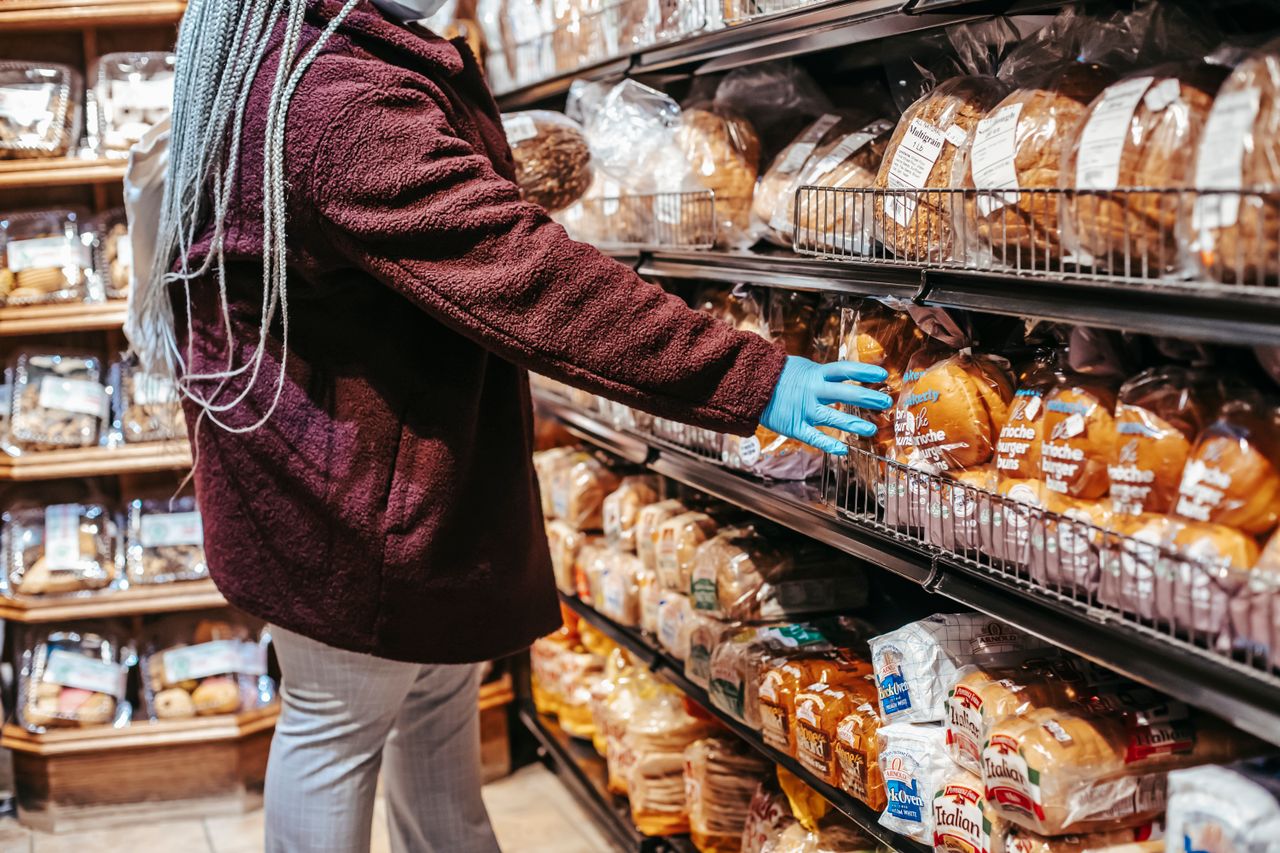
Fresh food rarely follows the same discount rhythm as pantry staples. In bakery and deli departments, timing matters more than loyalty cards, and one overlooked hour can make a noticeable difference at checkout.
Why late afternoon is usually the markdown sweet spot
In most supermarkets, bakery and deli teams are balancing two competing pressures: keep displays looking full, but avoid carrying too much unsold product into the next day. That is why the most reliable markdown window tends to open in the late afternoon and early evening, often roughly between 5 p.m. and 7 p.m., when managers can see the day’s remaining traffic and start reducing perishables before close. Consumer deal reporting has repeatedly identified this end-of-day pattern for fresh departments, especially baked goods, prepared foods, and service-counter items.
Bakery products are especially vulnerable to same-day markdowns because freshness drives full-price sales. A baguette, donut assortment, or decorated cupcake pack can still be perfectly good, but once the evening rush starts to fade, stores know tomorrow’s shoppers will reach for the newer batch first. That creates the short window when yellow stickers, “manager’s special” labels, and quick-sale racks become most active.
The deli follows a similar logic, though with an added operational wrinkle. Prepared salads, sliced meats, grab-and-go sandwiches, and hot foods are often monitored closely because refrigerated deli-sliced products have limited storage life once opened or prepared. FoodSafety.gov says opened or deli-sliced luncheon meat generally keeps 3 to 5 days under refrigeration, underscoring why retailers watch dates and turnover so carefully. USDA guidance also notes that “sell-by” dates are designed mainly to help stores manage inventory, not to signal an automatic food-safety cutoff for shoppers.
Why shoppers miss the best hour
Most customers either shop early, when shelves look fullest, or much later, when options are picked over. The missed opportunity is the transition period just before dinner, when stores begin deciding what will not sell at full price by closing time. It is not always advertised, and that is exactly why regular shoppers miss it.
The timing also varies by department. Some stores mark bakery leftovers first thing in the morning from the previous day, while deli reductions may happen closer to counter closing. Reporting on grocery markdown habits shows both patterns exist, but same-day bakery and prepared-food markdowns most often cluster later in the day, after peak lunch traffic and before final cleanup. That makes around 6 p.m. a strong starting point for many stores, even if the exact minute differs by chain and location.
Another reason this hour gets overlooked is presentation. Marked-down items are often moved to a side rack, endcap cooler, or a small basket near the service area rather than left in the prime display. Shoppers who only scan the main bread wall or deli case can walk right past the savings. The smart move is to check the regular section, then look for a secondary clearance spot and ask an associate whether bakery or deli markdowns have been set out yet.
How to shop the window without wasting money
The best bargain is only a bargain if you can use it quickly. That matters even more in deli and bakery, where markdowns reward flexibility, not stockpiling. If you find discounted ciabatta, croissants, or sandwich rolls, plan to freeze what you will not eat within a day or two. USDA says food kept constantly frozen at 0 °F remains safe indefinitely, though quality declines over time, making bakery markdowns especially practical for future meals.
For deli purchases, be more selective. Check packaging dates, ask when the item was prepared if it is store-packed, and keep cold foods cold on the trip home. USDA and FDA guidance emphasize refrigeration at 40 °F or below for perishable foods, and that is the difference between a smart savings strategy and an unsafe one.
The practical rule is simple: target bakery and deli departments around 5 p.m. to 7 p.m., then adjust based on what your local store actually does. If you notice your supermarket restickers bread in the morning or closes its deli counter unusually early, shift accordingly. But for most shoppers, the specific hour they miss is around 6 p.m., when inventory pressure, freshness standards, and closing routines finally align in your favor.
Good discussion. Adult video sites are changing
faster than many people realize
Feel free to surf to my page; https://gay0day.com/search/two-men-are-having-sex/
This article adds up. Simple layouts really enhance the experience on 18+ platforms
Feel free to surf to my blog … https://xxxinstinct.com