
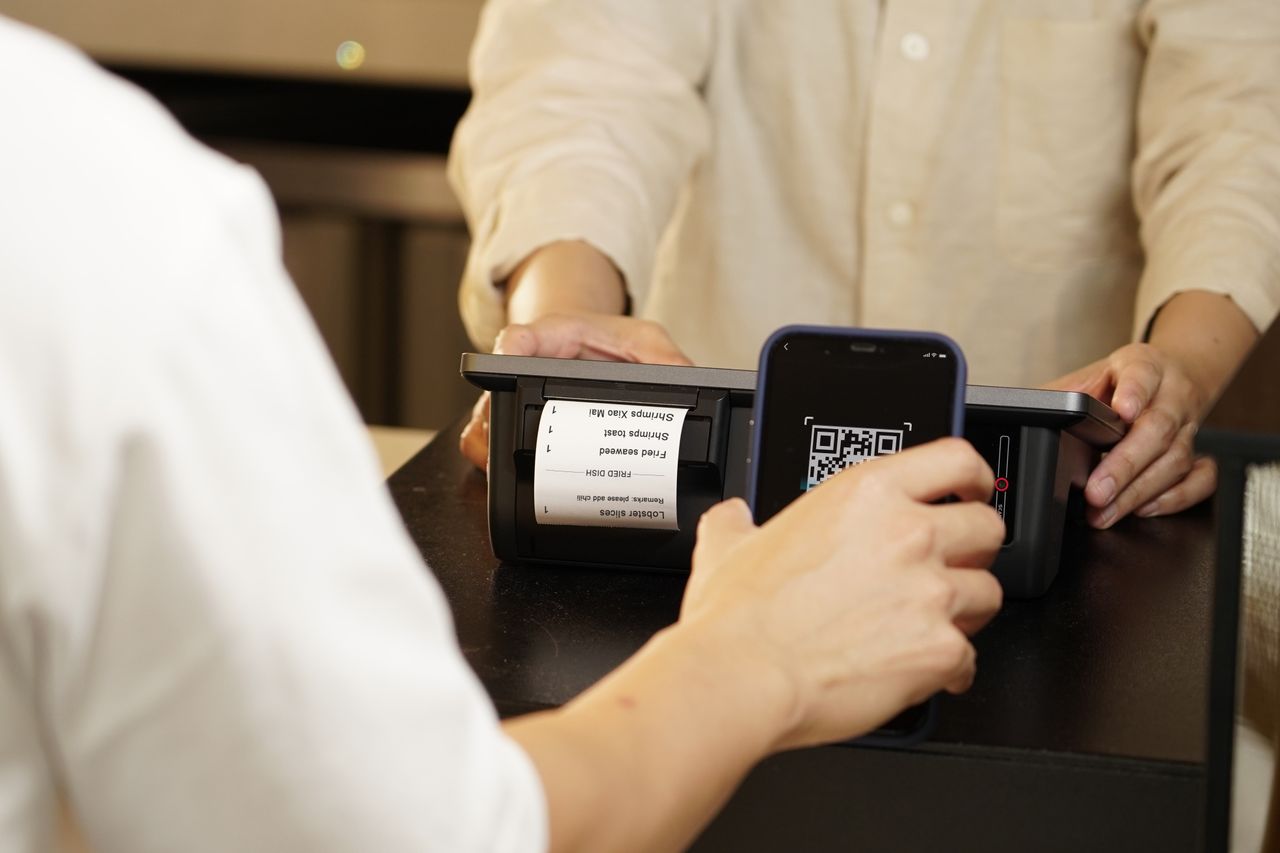
Digital coupons look like modern thrift. Tap a deal, scan a code, save a few dollars.
But for millions of shoppers, that habit is quietly backfiring. The problem is not that digital coupons never work. It is that they often change how people shop in ways that lead to bigger baskets, worse comparisons, and more checkout surprises.
The savings trap starts before you reach the register
Digital coupons are now central to grocery marketing, especially as paper offers fade. Consumer Reports, citing Inmar Intelligence, noted that 39 billion coupons had been distributed by August 2024, down sharply from prior years, while stores increasingly tied the best discounts to apps and loyalty accounts. That shift has made couponing feel frictionless, but it has also moved the savings decision onto the retailer’s turf.
That matters because digital deals are often designed to capture shoppers at the bottom of the buying funnel. Research posted on SSRN in 2025 described in-store and app-based coupon systems as tools that prompt unplanned decisions right as consumers are making purchase choices. In plain terms, shoppers do not just redeem offers. They are nudged into extra purchases when their guard is lowest.
Survey data points the same way. Savings.com reported in 2025 that 25% of shoppers said coupons make them spend more than planned, while 42% said discounts lead them to buy items they otherwise would not have purchased. That is the core paradox of digital couponing: a $1 or $2 discount can feel like a win even when it adds $8 or $12 of unplanned spending to the basket.
Why “app-only savings” can produce a higher total bill
The most expensive digital coupon mistake is focusing on the discount instead of the final price. A loyalty deal may reduce a branded cereal, frozen meal, or snack, but the discounted item can still cost more than a competing store brand or a rival retailer’s everyday price. When shoppers chase clipped offers item by item, they often stop comparing unit prices, which is where real savings usually show up.
That effect is compounded by thresholds and bundle rules. Buy-2, buy-5, or spend-$25 promotions encourage shoppers to stretch beyond their original list to unlock a deal. Economically, the coupon feels like a reward. Behaviorally, it acts like a spending trigger. The result is a cart built around qualifying for offers rather than meeting actual household needs.
There is also the issue of personalized pricing and app ecosystems. The Federal Trade Commission said in 2024 that it was studying how companies use consumer data in “surveillance pricing,” including targeted prices and promotions. Consumer Reports later reported on pricing experiments tied to grocery delivery platforms. Even when a coupon is real, the broader digital environment may be steering shoppers toward offers that maximize retailer revenue, not household savings.
The smarter way to use digital coupons without getting played
Digital coupons still have value, but only when they are the last step in a disciplined plan rather than the starting point. Build the list first, compare unit prices second, and clip deals only on items you already intended to buy. That sequence matters because it prevents the coupon from becoming the reason an item enters the cart.
Shoppers should also watch for operational failures that erase expected savings. Consumer advocates have warned that app-based discounts can be missed if the wrong size is selected, the offer is not properly clipped, the loyalty number is mismatched, or checkout happens before the coupon syncs. ConsumerAffairs recently highlighted how many older shoppers reach the register expecting a sale price only to discover the app discount never applied.
The broader lesson is simple. Retailers love digital coupons because they do more than discount products. They gather data, shape behavior, and increase engagement. Consumers should use them the opposite way: narrowly, skeptically, and only after confirming the item is still the best value in the aisle. The goal is not to win the deal. It is to pay less overall.