
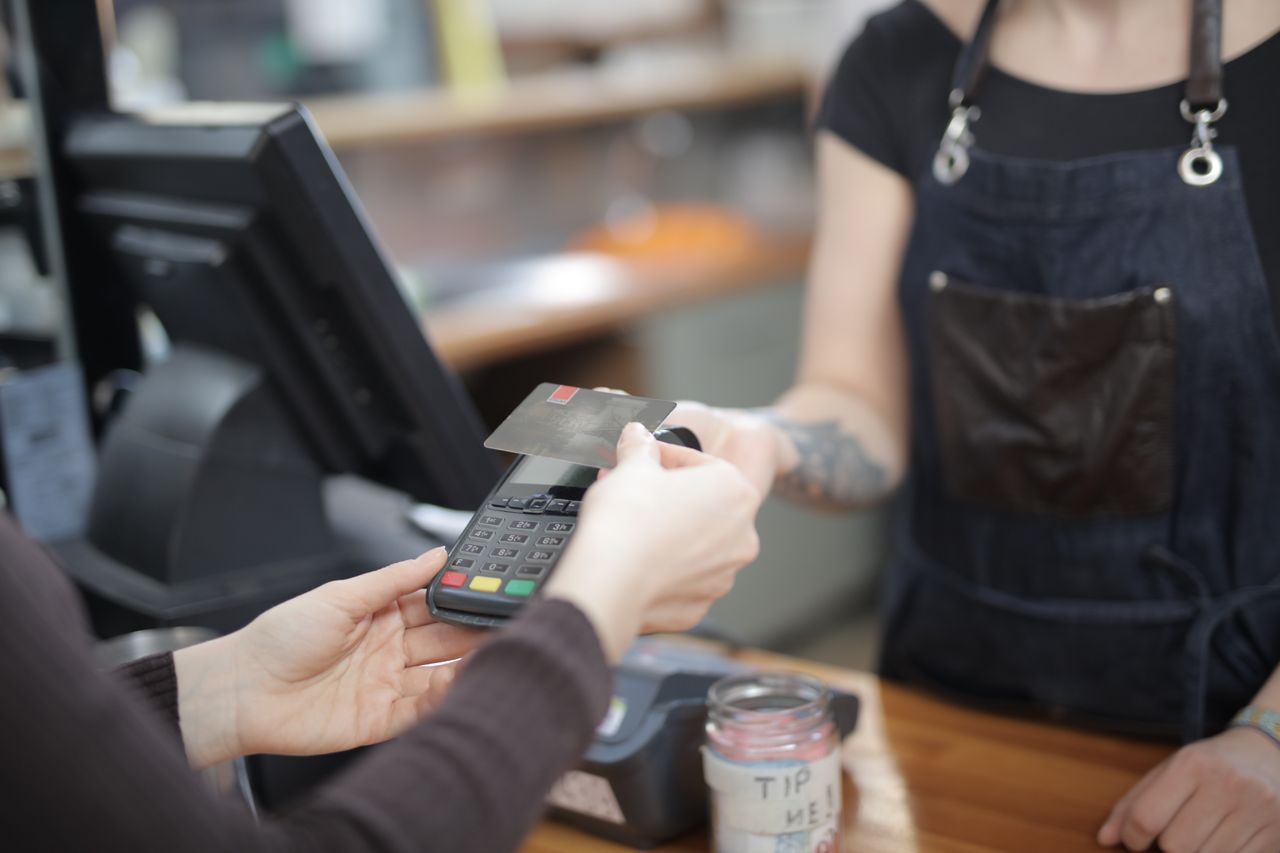
It is only 10 cents. That is exactly why people notice it.
At fast-food counters, a tiny surcharge can feel bigger than the money involved, especially when diners already believe the value equation has changed.
Why a Dime Can Feel Like a Breaking Point
Customers rarely revolt over the amount alone. They react because a 10-cent charge often lands as a symbol of something larger: rising menu prices, smaller portions, and a growing list of extras that make a quick meal feel less straightforward than it used to be.
Water cups are one flashpoint. Across social media and local reports, diners have complained about being charged small amounts for cups, lids, or what they assumed was a basic courtesy. In one March 2026 local report about a McDonald’s in Indiana, a manager said the store normally limited free water to one cup per paying customer and noted that lids cost 1 cent each, illustrating how operators increasingly treat even small disposables as real costs.
That logic makes sense from the restaurant side. According to the National Restaurant Association, total expenses for the average restaurant jumped 36% between 2019 and 2026, while food and labor each account for about 33 cents of every sales dollar, leaving a typical pre-tax profit margin around 5%. In limited-service restaurants, prime costs alone consumed a median 65 cents of every sales dollar in 2025.
But consumers do not experience those pressures as line items on a balance sheet. They experience them at the register, where a dime can feel less like cost recovery and more like one more reminder that the old promise of fast food, cheap, simple, predictable, is under strain.
The Real Issue Is Trust, Not Just Price
What irritates customers most is often surprise. A clearly posted higher menu price may sting less than an add-on fee discovered at checkout, because people interpret the second scenario as a transparency problem rather than a pricing decision.
That wider frustration has been building well beyond a 10-cent cup charge. Delivery customers have already pushed back against small-order fees and stacked app charges, with reports in 2026 noting that McDonald’s users complained that modest meals could become far more expensive once fees were added. Even when the fee is disclosed, diners often see it as pressure to spend more.
Regulators have noticed this broader consumer mood. The Federal Trade Commission says businesses that exclude mandatory fees from an initial price must clearly and conspicuously disclose them before payment, and its broader campaign against deceptive fees has helped normalize the expectation of upfront pricing. Although the FTC’s final junk-fee rule specifically targets live-event tickets and short-term lodging, its guidance reflects a wider policy push toward clearer fee disclosure.
In practice, that means even a tiny charge can damage trust if it appears arbitrary, inconsistently enforced, or poorly explained. Customers may forgive higher prices more readily than they forgive feeling nickeled-and-dimed.
Why Chains Keep Doing It Anyway
Fast-food operators still have reasons to defend these charges. Cups, lids, sauces, and packaging all cost money, and chains know that raising headline menu prices can be more visible, and sometimes more damaging, than attaching a small fee to an optional item.
There is also a behavioral angle. A separate charge can discourage waste, limit abuse, and offset the cost of customers who request extras without making a purchase. That is especially relevant for water cups, where some operators worry about misuse at self-serve fountains or repeated requests that add up over time. The business case is not hard to understand, particularly in a sector with thin margins.
Still, the industry is being pushed toward greater clarity. Florida’s law on restaurant “operations charges,” which took effect July 1, 2026, requires public food service establishments to clearly disclose automatic charges on menus, websites, and receipts. The law is aimed at bigger mandatory fees, not necessarily a dime for a cup, but it reflects the same consumer demand: say what you charge, and say it before the customer pays.
That is why the backlash over 10 cents matters. Customers are not really arguing about a dime. They are pushing back against a food culture in which every extra charge feels like another test of whether the brand still respects the customer’s expectations.
The slots here are so exciting and the jackpot feels reachable. I am having a great time on fp777slot.