
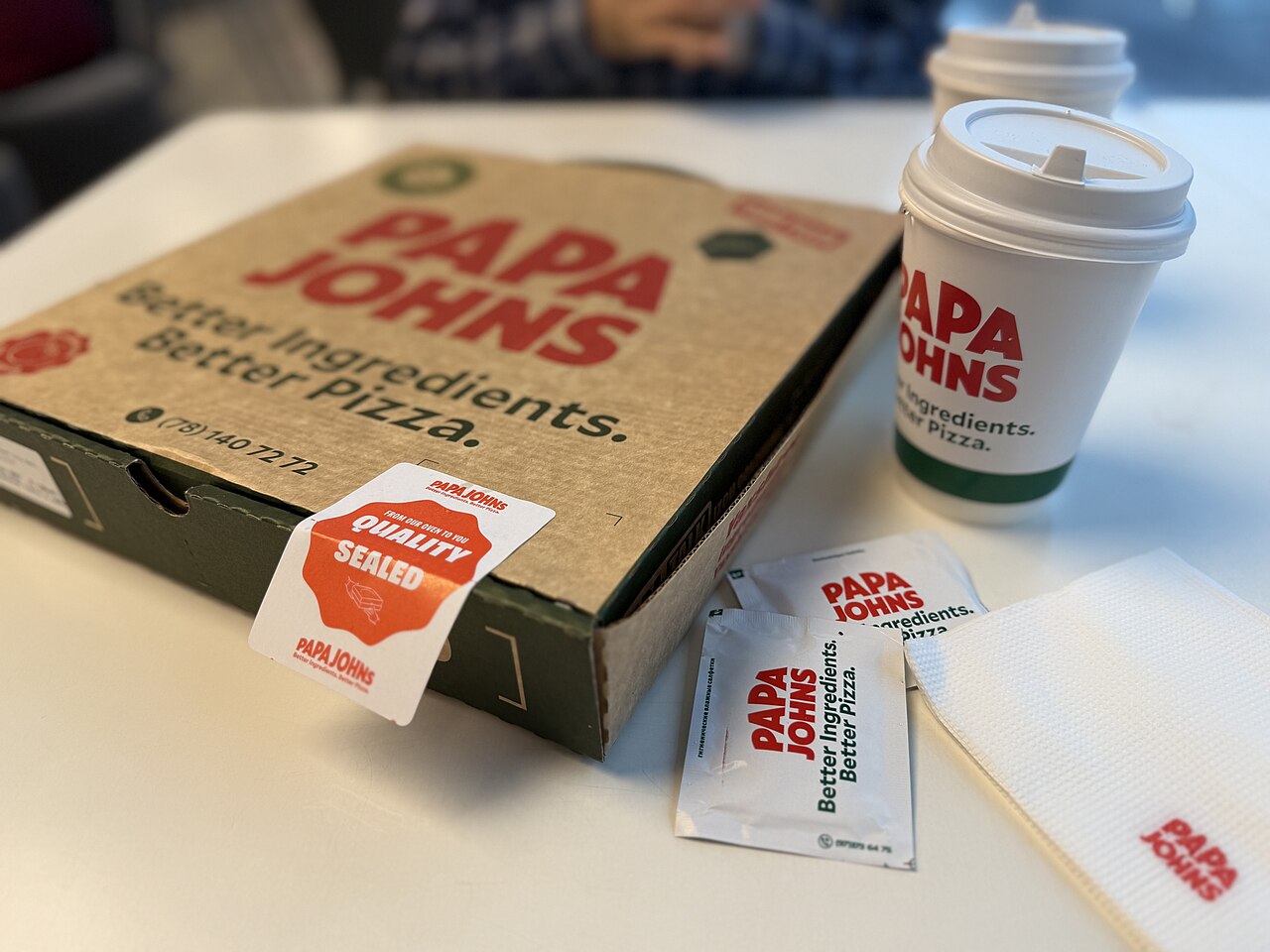
Pizza chains across the U.S. are trimming weaker locations as traffic softens and operators face a more promotional restaurant market. In Texas, Papa Johns is disappearing faster than many customers may have expected, with the state identified as the most affected market in the chain’s first round of 2026 closures.
Papa Johns has already closed 44 stores, with the latest count confirmed in May
Papa Johns confirmed during its May 7, 2026 first-quarter earnings call that 44 of the 300 underperforming North American restaurants it identified for closure had already shut down. Company executives said those closures were part of a broader restructuring plan first announced on February 26, when the chain said it expected to close about 300 locations across North America by the end of 2027, including roughly 200 during 2026.
According to the company’s fourth-quarter 2025 earnings materials and subsequent industry coverage from Restaurant Dive, the targeted restaurants are mostly franchise-owned stores that no longer meet brand expectations. Ravi Thanawala, Papa Johns’ chief financial officer and president of North America, said the company selected units that lacked a sustainable financial path and, in many cases, allowed sales to be transferred to nearby restaurants.
Papa Johns also said the targeted stores are generally older locations with average unit volumes below $600,000 and weak four-wall profitability. On the same timeline, the company said it was pursuing cost reductions elsewhere in the business, including a 7% cut to its corporate workforce, as part of what executives describe as a larger transformation plan.
Texas is emerging as the clearest hotspot, but the company has not released a full location list
Texas has emerged as one of the biggest focal points in the closures. A June 11 Fox Business report, citing a Fast Company analysis of Papa Johns financial filings, said the 44 first-quarter closures were spread across 17 states, with the highest concentration in Texas, California, Florida and Arizona.
That same reporting identified Texas as the hardest-hit state in the early phase of the shutdown plan. Some follow-up coverage published in mid-June said Texas lost about a dozen Papa Johns locations, but Papa Johns has not publicly released a comprehensive, company-confirmed list of affected Texas restaurants, cities, or exact street addresses.
Because that full list is not public, it is not yet possible to verify every Texas community affected from company documents alone. What is confirmed is the broader state-level impact: Texas is among the markets taking the largest share of the chain’s initial closures as Papa Johns reduces its footprint. The first-quarter reporting period covered December 28, 2025 through March 29, 2026, meaning the earliest wave of Texas closures had already happened by late March.
The closures reflect a profitability push as competition and weaker traffic pressure chains
Papa Johns has tied the closures directly to profitability and franchise health rather than a full retreat from growth. During the February 26 earnings call, Thanawala said the company had identified restaurants that were not meeting brand expectations or did not have a clear path to sustainable financial improvement. He also said strategic closures could help franchisees redirect labor, capital and operating attention to stronger restaurants.
The company’s May earnings call added more context. Papa Johns said North America comparable sales ended the first quarter down in the mid-single digits, while April sales trends were running slightly worse than the first quarter year over year. Executives also pointed to a cautious consumer environment, increased promotional pressure and higher food costs in the supply chain.
For Texas customers, that means some legacy Papa Johns locations may continue to disappear even as the brand says it still expects 40 to 50 gross North American openings this year. Papa Johns has said the closure plan is not meant to stop new development in priority markets, and the company continues to frame the strategy as a way to strengthen higher-performing restaurants rather than exit Texas altogether.