
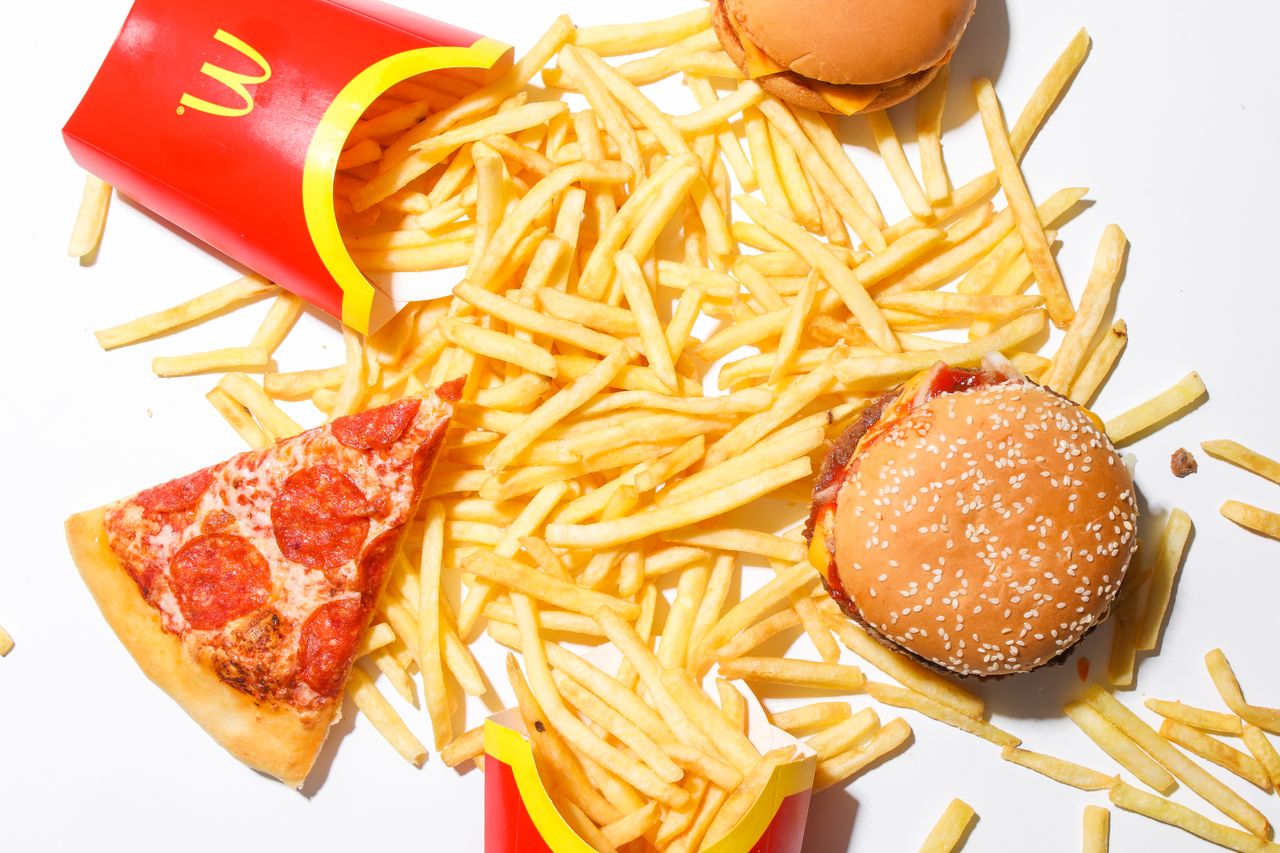
Some McDonald’s items do more than disappear. They linger in memory, in old ads, and in the cravings of customers who still insist the chain once made something better, stranger, or simply more fun.
That nostalgia is especially strong because McDonald’s has never been afraid to experiment. Not every idea lasted, but plenty of them left a mark.
The burgers and sandwiches that became fast-food legends
The Arch Deluxe remains one of McDonald’s most famous swing-for-the-fences bets. Introduced in 1996 as a burger aimed at adults, it was positioned as a more sophisticated alternative to the brand’s family-first image. Coverage from the Los Angeles Times described it as part of a major push to court older diners, while Eater later called it one of the company’s best-known flops after an enormous marketing effort failed to translate into long-term staying power.
Then there was the McDLT, the burger built around a packaging gimmick customers still remember. The hot side stayed hot, the cool side stayed cool, thanks to a dual-compartment polystyrene container that now feels like a relic from another era. The Smithsonian has noted that the foam-heavy packaging became part of the item’s problem as environmental criticism of polystyrene grew.
McDonald’s also tried to create alternatives to its beef-heavy identity long before menu diversification became routine. The Hula Burger, a grilled pineapple-and-cheese sandwich championed by Ray Kroc, was tested against the Filet-O-Fish in 1965. McDonald’s own corporate history says the result was a rout: Hula Burger sold 6 sandwiches, while Filet-O-Fish sold 350.
A different kind of near-legend is the Onion Nuggets story. McDonald’s has confirmed that former executive chef René Arend was testing Onion Nuggets in the late 1970s when chairman Fred Turner suggested he pivot to chicken instead. That detour helped clear the path for Chicken McNuggets, leaving Onion Nuggets as one of the great what-ifs in menu history.
The portable, pourable, and highly experimental middle years
McSalad Shakers captured a very specific moment in fast-food thinking. QSR Magazine reported that McDonald’s rolled them out nationwide in April 2000, serving salad in a tall clear cup with a domed lid so customers could add dressing and shake everything together. It was portable, visual, and designed for an increasingly on-the-go customer.
McPizza chased a much bigger ambition. The chain wanted a dinner item that could compete beyond burgers and fries, but pizza complicated McDonald’s speed-driven operating model. Eater reported in September 2017 that the final two U.S. locations known for still serving McPizza, in Ohio and West Virginia, had finally stopped, effectively ending one of the chain’s longest-running menu holdouts.
Another item that still gets brought up by longtime fans is the Cheddar Melt. Built around a beef patty, grilled onions, and cheddar cheese sauce on rye, it had a regional, almost seasonal feel that made it memorable even without becoming a permanent pillar. Its afterlife says something important about McDonald’s history: items do not need blockbuster sales to become deeply loved.
That same pattern explains why fans keep resurrecting old menu wish lists online. Limited runs and regional tests created a sense of scarcity long before social media turned discontinued fast-food items into digital folklore. McDonald’s menu history is full of products that failed operationally or strategically but succeeded emotionally.
The items that never fully left fans’ imaginations
Szechuan Sauce does not fit neatly into the “gone forever” category, and that is precisely why it fascinates people. McDonald’s brought it back again in 2022 through a short app-based promotion, noting that the elusive sauce had already returned multiple times over the previous 24 years. In other words, it is less a vanished item than a recurring cult event.
The original Fried Apple Pie has a similarly unfinished story. McDonald’s officially announced on June 16, 2026 that the fried version would return nationwide at participating U.S. restaurants beginning June 23 for a limited time. That comeback matters because it confirms what nostalgia-driven demand has suggested for years: some “discontinued” items are never truly gone if enough customers keep asking.
What ties these nine items together is not simply that they left the menu. It is that each one exposed a different side of McDonald’s: ambitious, playful, occasionally misguided, and always alert to how Americans eat. Some were commercial misses, some were operational headaches, and some were victims of changing tastes or packaging politics.
Yet the cravings remain because fast food is about more than convenience. It is also about memory, ritual, and the thrill of finding a favorite before it disappears. For a brand as large as McDonald’s, that may be the ultimate lesson: even short-lived menu experiments can outlast their own sales numbers.
Makaleniz açıklayıcı yararlı anlaşılır olmuş ellerinize sağlık