
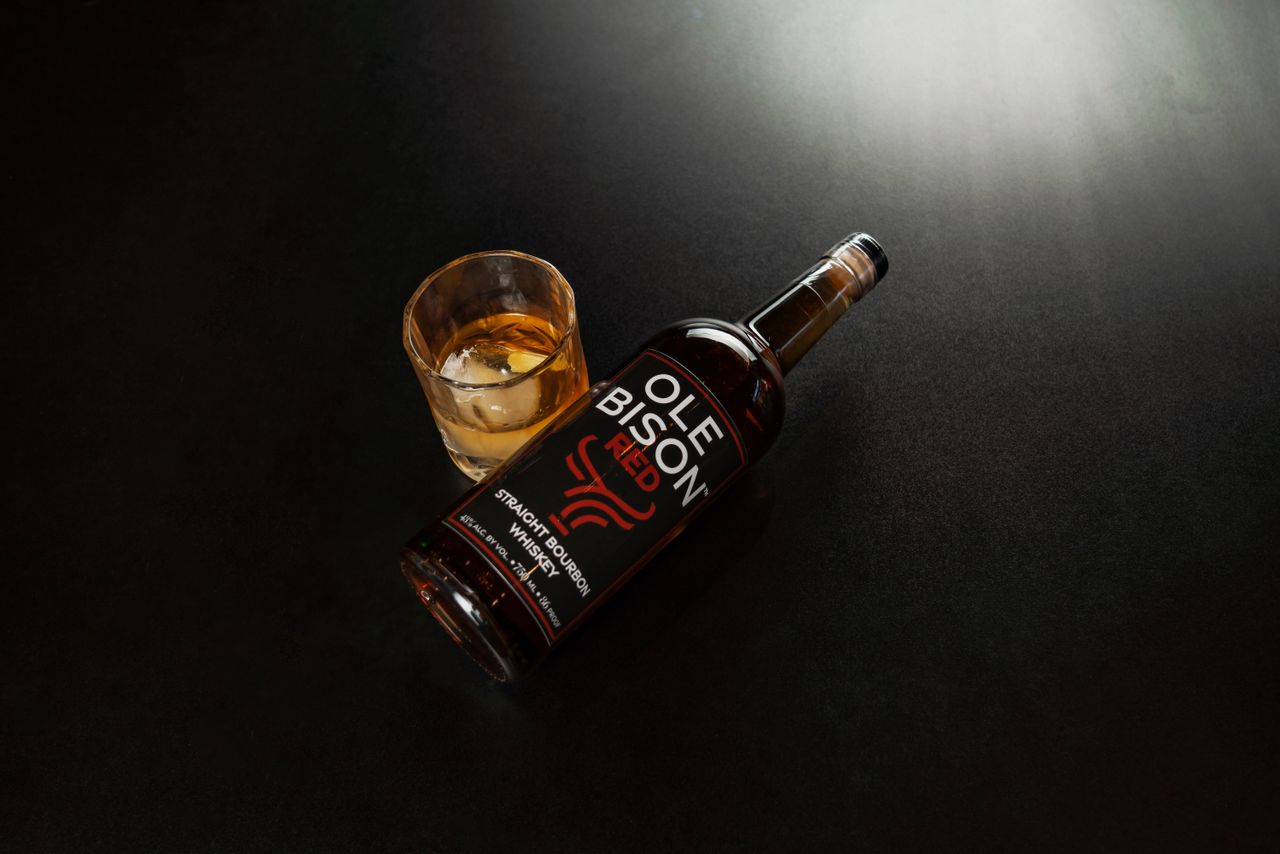
A bottle of whiskey may look simple on the shelf, but the liquid inside has usually taken a long, regulated path to get there. Long before the first pour, that spirit moved through farming, fermentation, distillation, aging, labeling, and distribution.
Where the trip starts: grain, mash, and distillation
For whiskey, the journey begins with grain, water, and yeast. The Alcohol and Tobacco Tax and Trade Bureau says whisky is an alcoholic distillate made from a fermented mash of grain, and federal rules also define how strong it can be when distilled and bottled. That means the category is shaped by law as much as by craft, especially for products sold in the United States.
The grain bill matters because it helps determine the final character of the whiskey. Corn can push a bourbon toward sweetness, while rye often brings spice and malted barley helps with fermentation and can add nutty or cereal notes. Before any barrel enters the picture, distillers mill the grain, mix it with water, and ferment the mash so yeast can convert sugars into alcohol.
Then comes distillation, the step that separates and concentrates alcohol from the fermented liquid. TTB production materials describe the process as part of a sequence that runs from treating or fermenting raw materials through distilling and refining until production is complete. In practical terms, that means the spirit drinkers know as whiskey begins as something much closer to beer than to the amber liquid in the bottle.
What happens after distillation can take years
The next stretch of the trip is often the longest. TTB defines age as the period after distillation and before bottling when distilled spirits are stored in oak containers, and for some categories the barrel is not optional. Federal rules for whiskey sold in the U.S. also set bottling minimums, including not less than 80 proof for whisky.
Aging is where time, wood, temperature, and storage conditions begin to leave a visible mark. Barrels can sit at the distillery, but they do not always stay there. The Scotch Whisky Association says some spirit is matured in warehouses adjacent to distilleries, while much of it is transported to maturation warehousing facilities and later moved again to large bottling operations in central Scotland.
That kind of movement is one reason a spirit’s backstory can be much broader than a single postcard-ready distillery. The Scotch Whisky Association also says Scotch must mature in oak casks in Scotland for at least 3 years to use that name. In the U.S., TTB’s newer standard for American single malt whisky requires the product to be mashed, distilled, and aged in the United States, distilled entirely at one U.S. distillery, stored in oak barrels with a maximum capacity of 700 liters, and bottled at not less than 80 proof.
The final miles: labeling, bottling, and the shelf
By the time whiskey reaches a bottle, regulation still plays a major role. TTB says importers and label holders are responsible for substantiating label claims, including age or origin, and the agency can require additional information to verify what is in the container. That matters for shoppers reading a label closely, because terms like age, origin, and class are not just marketing language.
The final product may also pass through blending and bottling lines far from the place where it was distilled. Industry and TTB materials both describe bottling as a distinct production stage, separate from fermentation, distillation, and aging. So the spirit in a shot glass may have traveled from farm to distillery, from distillery to warehouse, from warehouse to bottling plant, and only then to a distributor, retailer, bar, or restaurant.
That long route helps explain why whiskey is both an agricultural product and a tightly managed packaged good. According to the Distilled Spirits Council, the U.S. spirits industry sourced more than 2.73 billion pounds of grains from American farmers in 2024. What looks like a small pour at the end of the line is really the last stop in a chain that starts in the field and runs through federal rules before it ever reaches the glass.