
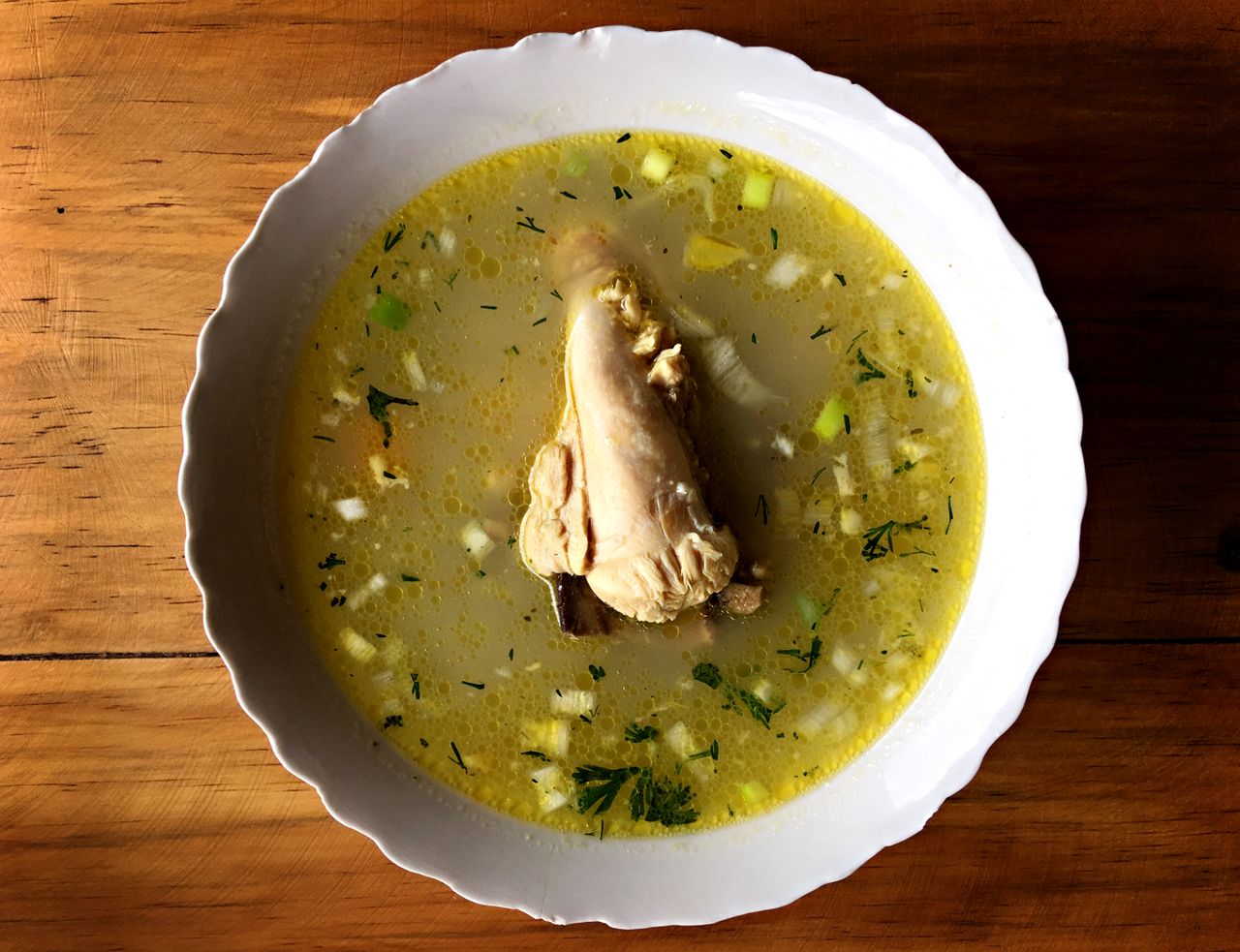
Boxed broth is one of those pantry staples that seems interchangeable until you taste several side by side. Once I did, the differences were impossible to ignore.
What surprised me most was not just which carton won, but how differently broth and stock behave when you judge them on flavor alone.
What I tested and how I approached it
To make this comparison fair, I focused on five well-known boxed products that many shoppers can actually find in mainstream grocery stores: Swanson Chicken Broth, College Inn Chicken Stock, Kitchen Basics Original Chicken Stock, Pacific Foods Organic Low Sodium Chicken Broth, and Pacific Foods Organic Chicken Bone Broth With Sea Salt. That mix matters, because these products are not all the same category. Broth is typically made more from meat and vegetables, while stock leans more on bones for body and depth, a distinction brands themselves often explain on product pages.
I tasted them as they are most often used in real kitchens: gently warmed, plain, and unseasoned. This was not a laboratory test, and I am not presenting the ranking as an independently verified industry result. It was a personal side-by-side tasting designed to answer a practical question most home cooks have: which carton gives you the best flavor before you add anything else.
That distinction is important because outside taste tests do not all agree. The Kitchn’s updated 2025 roundup named Swanson its best chicken broth, while Parade’s 2025 large-format tasting praised Pacific Foods Organic Chicken Broth in a plain, unseasoned evaluation of flavor, salt balance, and versatility. Those results are useful context, but they do not decide what happened in my own kitchen. They simply show that even experienced tasters can land in different places depending on what they value most.
Where each brand stood once the cups were poured
Swanson delivered the most immediately recognizable “classic soup” flavor of the group. It was savory, assertive, and familiar, but it also tasted salt-forward to me, which tracks with its label: 860 mg of sodium per cup on the current product page. That does not make it bad; in fact, it explains why so many cooks like it in fast weeknight recipes where the broth has to carry flavor on its own.
College Inn Chicken Stock had more body than Swanson and a slightly rounder finish, but it still read as fairly straightforward rather than layered. Kitchen Basics Original Chicken Stock was the one I expected to win. At 440 mg sodium per cup, it is notably lower than regular Swanson and the College Inn stock I checked at 480 mg, yet it still manages a developed, slow-simmered profile with herb and vegetable notes that taste intentional rather than generic.
Pacific Foods split into two very different experiences. The low-sodium organic chicken broth is especially restrained on salt, and the manufacturer’s nutrition information shows just 50 mg per cup, which makes it useful for cooks who want tight control over seasoning. But in a straight tasting, it read thinner and quieter than the front-runners. Pacific’s chicken bone broth with sea salt, by contrast, had better body and a smoother mouthfeel, with 300 mg sodium per cup, though it leaned more toward sipping-broth richness than all-purpose versatility in my test.
The unexpected winner and why it earned the top spot
My winner was Kitchen Basics Original Chicken Stock, and it surprised me because I assumed a bolder, saltier broth would dominate in a plain tasting. Instead, Kitchen Basics tasted the most complete. It had savory depth, a fuller aroma, and a cleaner finish than the others, which made it seem closer to something simmered at home rather than simply seasoned to be loud.
What pushed it over the top was balance. It did not have the sodium punch of regular Swanson, nor the ultra-light profile of Pacific’s low-sodium broth. It sat in the middle with enough body to support sauces, soups, and braises, but enough restraint that I would not feel locked into one salty direction from the start. That makes it especially useful for cooks who want one carton to handle multiple jobs well.
The bigger lesson from this test is that labels tell you something, but not everything. Sodium numbers are nutrition facts, not taste scores, and lower sodium does not automatically mean better or worse. In this lineup, Pacific’s low-sodium broth was the lightest at 50 mg per cup, while Kitchen Basics was lower than standard Swanson and the College Inn stock I reviewed, but not lower than every product in the test. Taste is still the deciding factor, and in my kitchen, Kitchen Basics was the carton I would buy again first.