
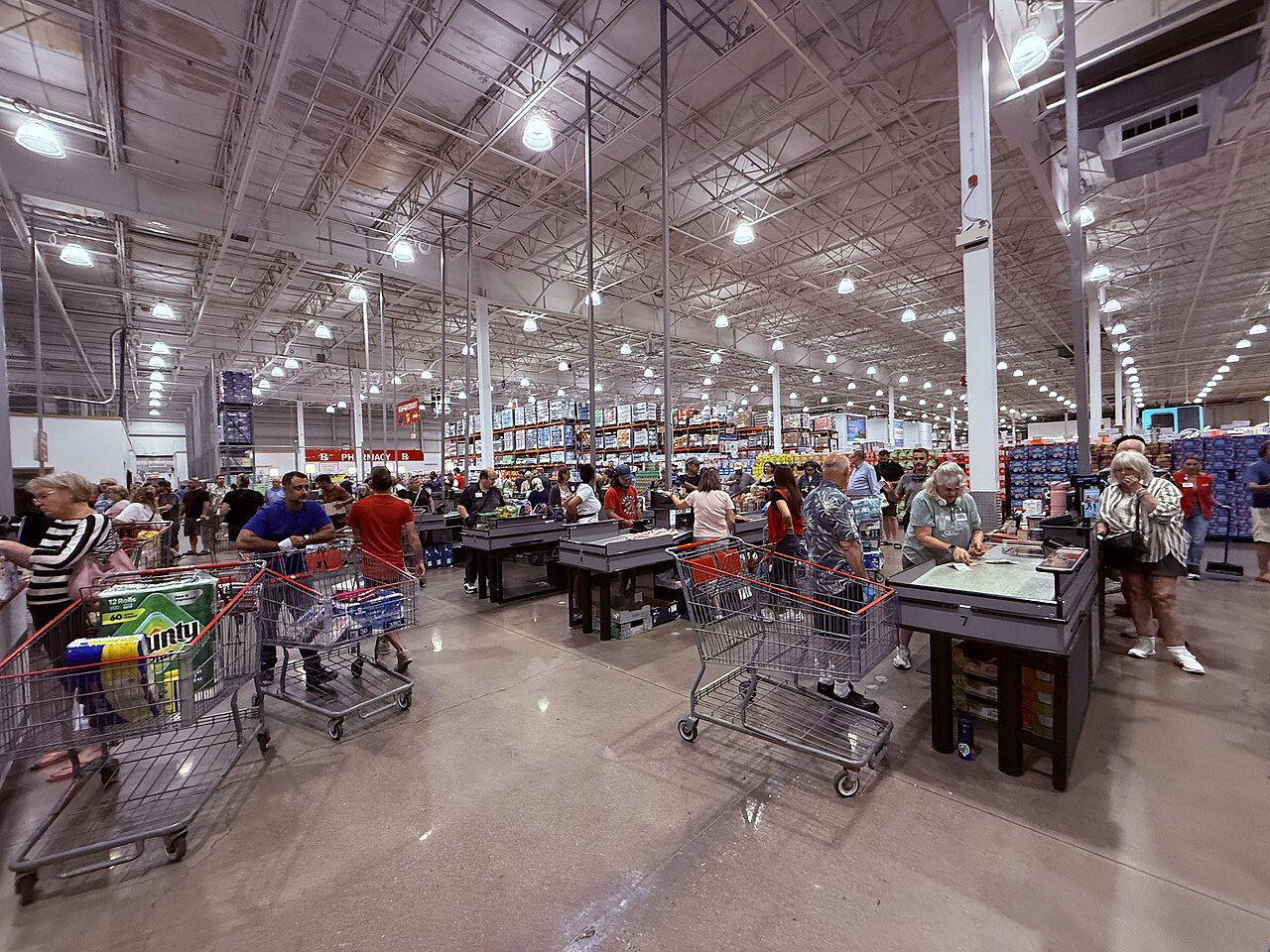
A recall notice can feel like background noise until it names something you actually buy. Then the pantry door starts to look less like a comfort zone and more like a record of assumptions.
That was my reaction to Costco’s latest recall, and it changed the way I think about every shelf, basket, and freezer drawer in my home.
The recall that turned a routine grocery habit into a safety check
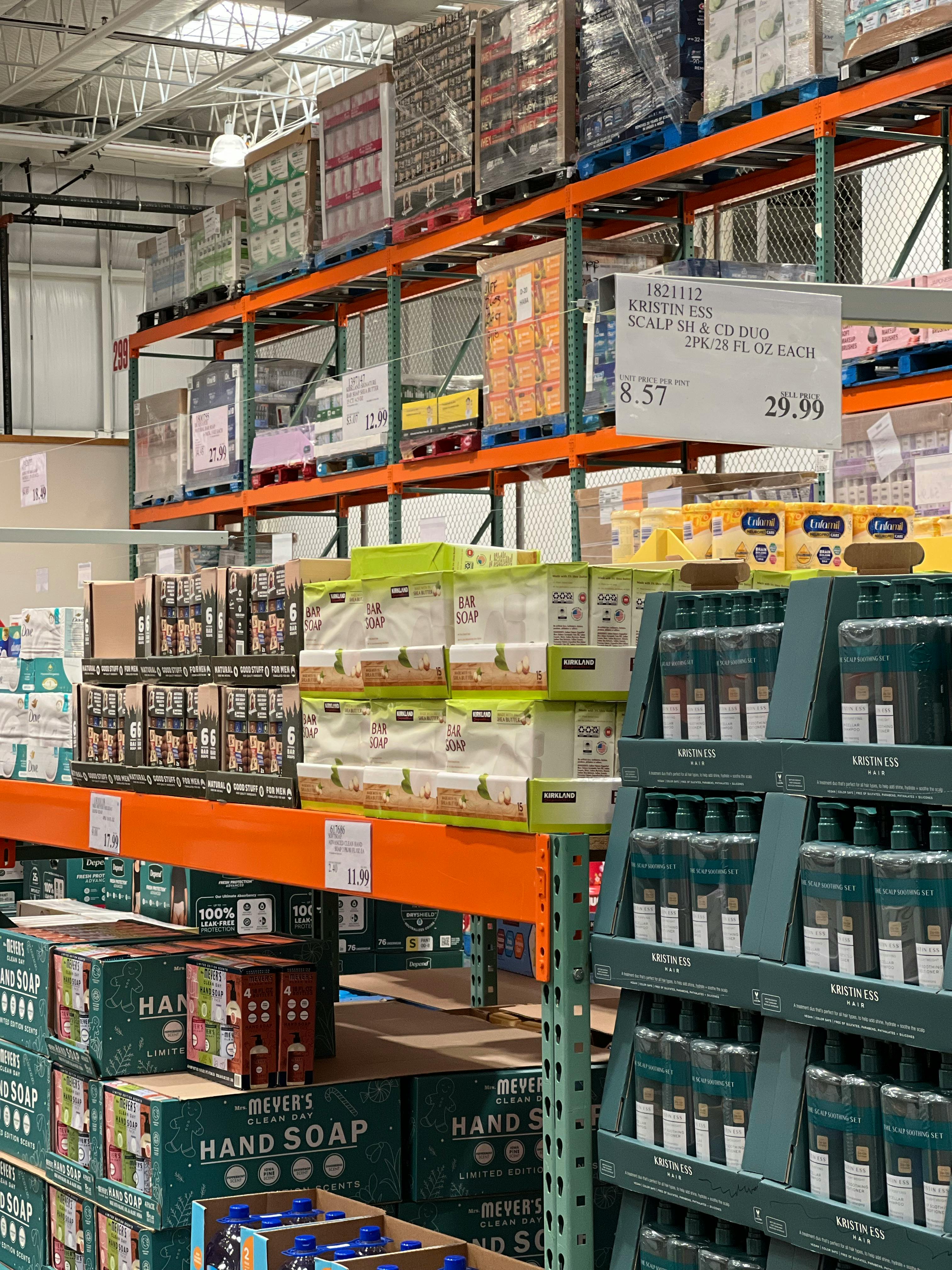
The latest Costco recall to grab attention was for Motor City Pizza Co. 5 Cheese Bread, item #1453434, listed on Costco’s recall page for Midwest, Northwest, and San Diego region warehouses. Costco’s notice followed a May 29, 2026 FDA-posted announcement from Champion Foods, which said certain batches were being voluntarily recalled because they had the potential to be contaminated with Salmonella. The product had also been distributed to other major retailers, making it a reminder that one affected ingredient can ripple across the broader grocery system. According to the FDA notice, the recall was tied to certain batches and not the entire brand, which is an important distinction shoppers often miss.
That kind of detail matters because recalls are rarely as simple as “throw out everything from company X.” They are often limited by lot code, sell-by date, production window, or region. Costco’s own recall listings show that clearly. In recent months and the recent archive, the company has posted notices for items ranging from mini beignets with undeclared hazelnuts to Hawaiian macadamia baking nuts flagged for possible Salmonella contamination and prepared foods sold in select regions. What looks from a distance like a stream of random incidents is actually a lesson in how precise food safety alerts have to be.
The mini beignets case is especially revealing. In February 2026, Costco posted a recall for Mini Beignets with Caramel, item #1181272, after some packages were found to contain chocolate hazelnut filling instead of caramel. Hawaii’s Department of Health warned that the issue involved undeclared hazelnuts and filberts, a potentially dangerous mistake for people with tree nut allergies. This was not a spoilage problem or a vague quality complaint. It was a labeling failure with potentially severe consequences for a consumer who trusted the package at face value.
That is the moment a pantry starts to look different. We tend to organize it for convenience, not verification. We stack, decant, freeze, and forget. But recalls expose a basic truth: the original package is not just packaging. It is part of the safety information system, carrying the lot code, the sell-by date, and the labeling details that determine whether the food in your house is normal inventory or a risk you did not know you were storing.
Why pantry foods create a special kind of recall blind spot

Pantry goods have a psychological advantage in our homes: they feel stable. Fresh produce wilts, dairy expires, leftovers demand attention, but crackers, baking nuts, frozen breads, flour, and snack boxes disappear into storage with an aura of long-term reliability. That sense of permanence is exactly what can make recalled shelf-stable and freezer foods easier to miss. A product bought in February can still be sitting untouched in June, and a product bought for holiday baking can be forgotten until the next season rolls around.
Federal food safety agencies have long warned consumers that recalled foods can linger in kitchens well after public attention moves on. The FDA says foods are commonly recalled because of contamination from disease-causing organisms, foreign material, or undeclared major allergens. FoodSafety.gov advises consumers to check recall notices carefully and follow the instructions for returning or discarding products. The CDC adds an important practical point in its refrigerator-cleaning guidance: recalled food should be thrown out, and foods stored with it or touching it may also need attention, depending on the situation. That advice is easy to read and much harder to live out once your food has been repackaged into bins or jars.
This is one reason warehouse shopping changes the stakes. Costco encourages bulk buying by design, and that model works well for value and convenience. But it also means a recalled item may not be a single forgotten package. It may be a multi-pack divided between a pantry, basement shelf, freezer chest, and office kitchenette. If a family split a purchase with relatives or stored part of it outside the kitchen, tracking it becomes less like grocery cleanup and more like inventory management.
There is also the issue of “safe by familiarity.” Many shoppers assume that if they have bought a product several times with no problem, future purchases carry the same low risk. In reality, recalls are batch-specific events. One lot may be fine while another is not. That is why experts emphasize identifying information rather than relying on memory. The same brand name that felt reassuring on Sunday may be attached to a recall notice on Tuesday.
When I looked at my own pantry through that lens, I realized how much confidence rests on partial information. A clear container of baking nuts looks tidy, but if I tossed the original bag, I also tossed the code that tells me whether it is safe. A freezer full of convenience food feels efficient, but efficiency without traceability is just organized uncertainty. That is the hidden blind spot recalls expose.
What food recalls actually reveal about how modern grocery chains work
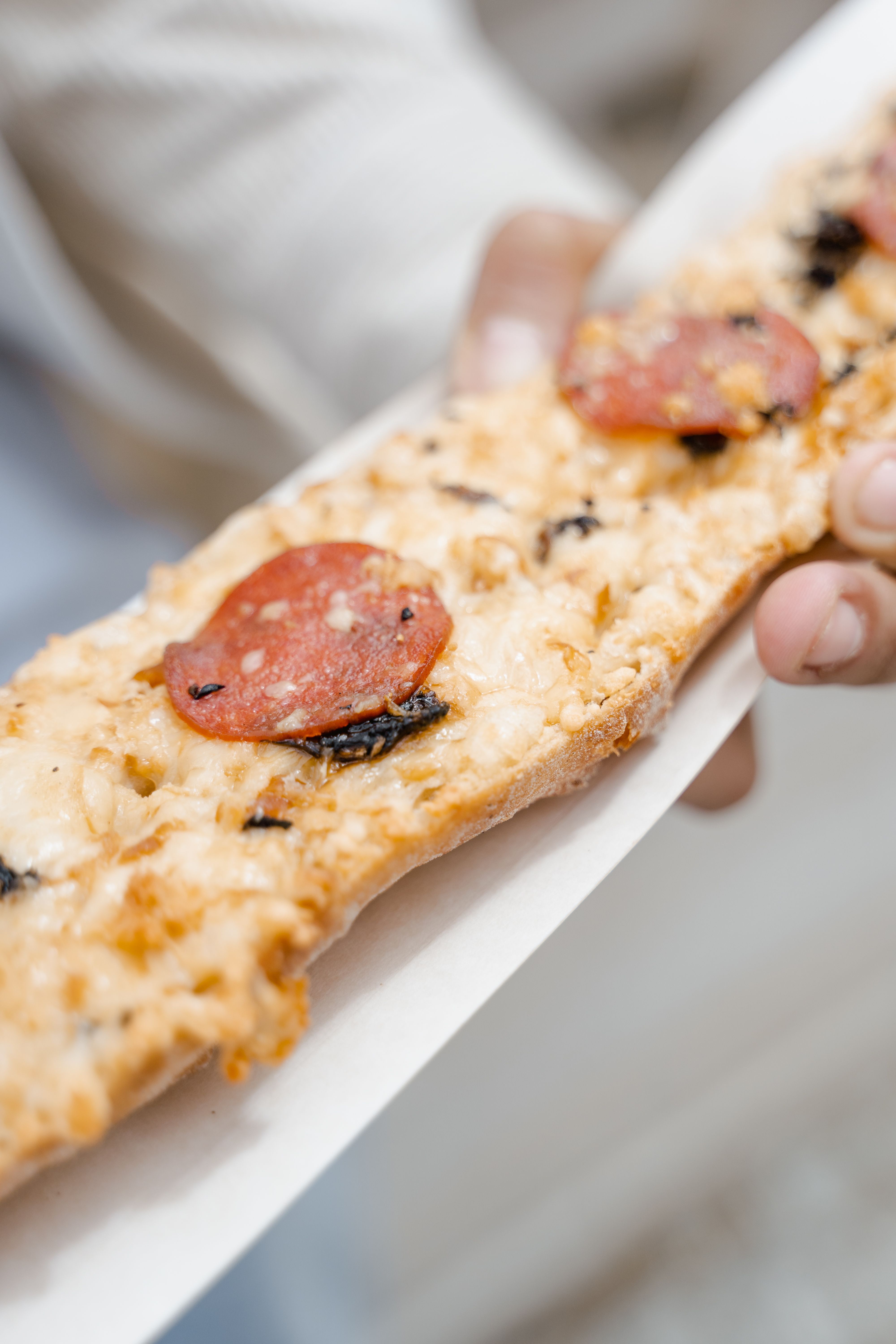
A recall notice may sound like a brand failure, but many recalls begin much earlier in the chain. The Motor City Pizza Co. 5 Cheese Bread recall, for example, was linked to a possible Salmonella risk associated with an ingredient, not a dramatic contamination event visible to shoppers. That is increasingly how modern recalls unfold. A supplier issue, a labeling mix-up, or a failed environmental test can trigger action far downstream, affecting retailers, brands, and households that had no obvious warning sign.
That does not mean the system is failing every time a recall appears. In many cases, it means surveillance is working. The FDA explains that recalls can result from contamination, foreign objects, or misbranding such as an undeclared allergen. USDA guidance on recalls similarly underscores that food safety actions are designed to remove adulterated or misbranded products from commerce. In other words, the notice is often the visible end of a detection process that began with testing, complaint review, plant controls, or supplier verification. Consumers usually enter the story only at the last stage.
Still, the volume and variety of recent Costco notices show how fragmented the food system has become. A single retailer’s recall page can include bakery mislabeling, frozen convenience food contamination risk, region-specific prepared meal notices, and nonfood consumer product recalls all at once. That mix teaches consumers something important: the grocery environment is not one pipeline but dozens of overlapping supply chains. Fresh, frozen, shelf-stable, imported, prepared in-store, and nationally branded products all carry different risk profiles and different tracking systems.
It also highlights the difference between a quality problem and a public-health problem. A customer disappointed by stale crackers has an annoyance. A shopper with a tree nut allergy who buys mislabeled beignets has a potentially life-threatening exposure. Salmonella concerns occupy another category entirely because the pathogen can cause serious illness, particularly in young children, older adults, and people with weakened immune systems. According to the CDC, about 48 million Americans get sick from foodborne illness each year, around 128,000 are hospitalized, and about 3,000 die. Those numbers are why a seemingly small recall can deserve outsized attention.
Seen that way, a pantry is not just a domestic space. It is the final stop in a national supply network. By the time a product reaches your shelf, it has passed through farms, processors, co-packers, warehouses, transport systems, store operations, and labeling controls. A recall is the moment that invisible complexity becomes visible, and once you understand that, it becomes hard to look at your own food storage as casual or low-stakes.
How I changed the way I store, label, and monitor what I bring home

The biggest change I made was simple: I stopped treating original packaging as disposable until the food is gone. For anything with a long shelf life or any item likely to be frozen, I now keep the package, or at least a clipped panel showing the brand, UPC, lot code, and best-by date. That tiny habit solves the biggest problem most consumers face during recalls, which is not knowing whether the item in the pantry is the item in the notice.
I also reorganized my pantry around traceability instead of just aesthetics. Decanting still has its place, especially for flour, rice, sugar, and snacks, but now I label containers with the product name and date information before I pour anything out. For freezer items, I use a marker to note the purchase month on the outside of the box or storage bag. If a recall alert appears weeks later, I can narrow down whether the product came from the affected window instead of digging through a frozen pile and guessing.
Another upgrade was creating a designated “use first” zone. Recall risk is not the only reason pantry goods become a problem; long storage also increases the odds of forgotten duplicates, stale products, and confusion over which package is oldest. By keeping recently opened or short-dated goods in one visible area, I reduce clutter and shorten the time products remain in limbo. It is a food safety strategy, but it is also a waste-reduction strategy. The pantry becomes easier to audit because it contains fewer mysteries.
I also started paying attention to retailer communication. Costco’s recall page is updated with current notices and archives older ones, which makes it more useful than many shoppers realize. The FDA offers food recall information and alerts, while FoodSafety.gov aggregates recall and outbreak information across agencies. You do not need to become obsessive to benefit from that system. You just need to accept that “I would hear about it if it mattered” is not a plan.
Most importantly, I changed the mental model. A pantry should not be managed like a decorative backdrop for meal planning content. It should be managed like a live household inventory with safety implications. Once I embraced that idea, I bought less indiscriminately, labeled more carefully, and became much more reluctant to strip products of the identifying details that make recalls actionable.
The real lesson is not fear, but a smarter kind of trust
EvanCarroll, CC BY-SA 4.0/Wikimedia Commons
Food recalls can easily push consumers toward cynicism. If even a familiar warehouse staple can end up on a recall list, the instinct is to conclude that the system is broken and nothing is safe. I do not think that is the most useful takeaway. A better reading is that trust in food retail should be active, not passive. Consumers should trust systems that are transparent enough to identify problems, specific enough to limit the affected product, and responsive enough to notify shoppers quickly.
Costco’s recent notices illustrate that dynamic. The recalls and product notices on its site are often highly specific about item numbers, sales windows, and affected regions. That precision matters because it allows consumers to respond rationally instead of panicking. The same is true of FDA guidance, which focuses on the exact reason a food is recalled and what consumers should do next. Good recall communication does not just protect health. It preserves confidence by showing that the response is evidence-based rather than vague.
At home, the equivalent of that precision is preparedness. If a recall hits, can you identify the product quickly? Do you still have the label or the lot code? Have you divided bulk items into unmarked containers that now cannot be traced? Have you passed part of a multi-pack to a friend without keeping a record? These questions are not dramatic, but they are practical, and they determine whether a recall notice becomes a brief inconvenience or a stressful scramble.
In that sense, the pantry is a test of modern consumer habits. We say we care about ingredients, sourcing, allergens, and waste, but our storage routines do not always reflect that. We buy in volume, unpack in haste, and rely on memory long after the receipt is gone. A recall interrupts that pattern. It asks us to treat food not just as consumption, but as something with provenance, risk, and responsibility attached to it.
That is why Costco’s latest recall stayed with me. It was not merely about one product, one supplier, or one store. It was a reminder that the safest pantry is not the fullest or the neatest. It is the one you can actually account for when it matters.
Gerçekten çok faydalı ve bilgilendirici bir içerik olmuş, emeğinize sağlık.