
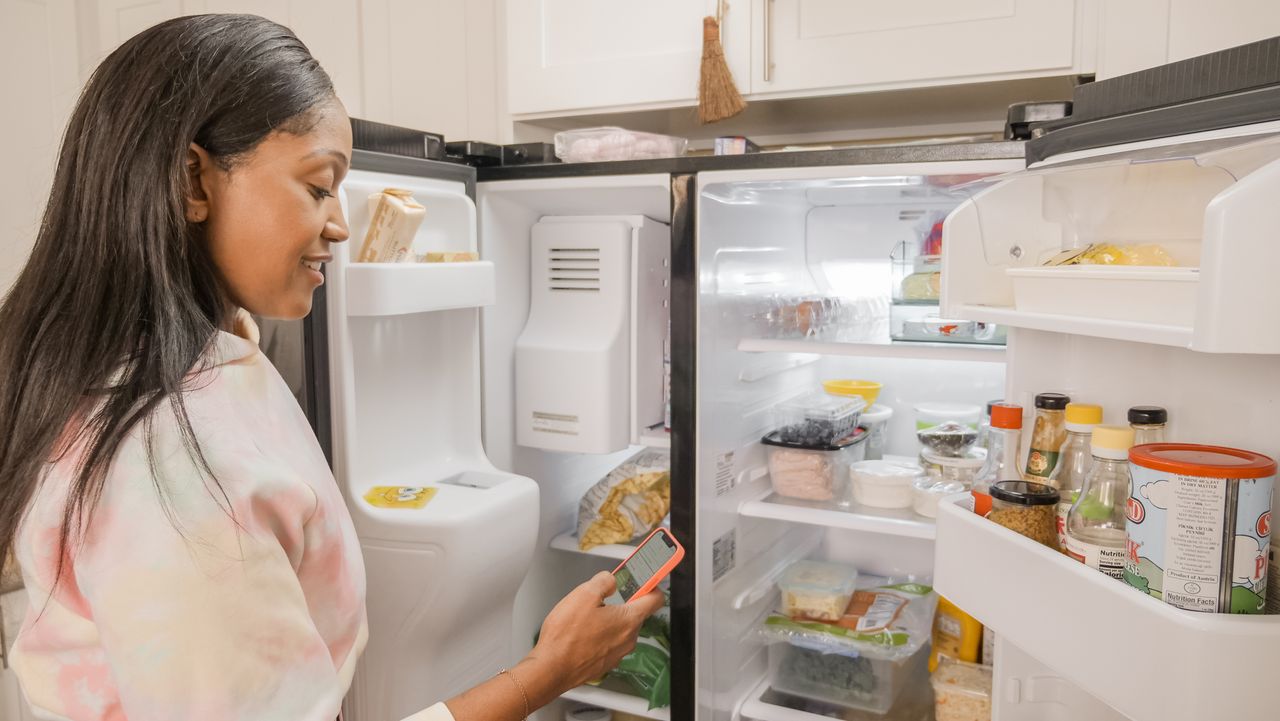
August is when kitchens quietly get more chaotic. School schedules, holiday planning, and packed calendars can turn a full fridge into a waste bin faster than most people realize.
The smartest move is to prepare before September starts. A small reset now can save money, preserve quality, and make weeknight meals far easier.
Audit Your Fridge, Freezer, and Shopping Habits Now
Start with a full refrigerator cleanout and an honest inventory of what you already own. Late summer produce, condiments, deli items, and half-used containers often pile up just before fall routines resume. According to USDA guidance, leftovers should generally be frozen within 3-4 days if you will not eat them soon, which means many households are already holding food longer than they should. That delay is where both spoilage and waste begin.
Temperature matters more than most shoppers think. Consumer Reports says 37°F is the best refrigerator setting for freshness, while 0°F is the right target for a freezer. If your fridge is running warmer, berries soften faster, greens wilt sooner, and leftovers lose both safety margin and quality. A quick thermometer check can do more to cut waste than another trip to the store.
This is also the right moment to create a visible “eat first” zone. Consumer Reports has highlighted the value of dedicating one shelf to leftovers and foods that need to be used soon. When busy fall evenings arrive, visible food gets eaten; hidden food gets forgotten. Clear containers and labels with dates make that shelf even more effective.
The financial stakes are larger than many families realize. USDA says the average American family of four loses about $1,500 a year to uneaten food. ReFED’s recent reporting also shows household food waste remains a major part of the broader U.S. food waste problem, even as some progress has been made. In practical terms, the most important pre-September habit is simple: buy from a list based on meals you can realistically cook.
Freeze Strategically Before Fall Gets Busy
Freezing is not just for bulk meat and emergency meals. It is one of the best ways to rescue food before a new season crowds your calendar. USDA notes that frozen food remains safe indefinitely at 0°F, with recommended storage times mainly affecting quality, not safety. That makes your freezer a powerful anti-waste tool if you use it intentionally.
Before September, freeze the foods most likely to be forgotten first: sliced bread, cooked rice, shredded cheese, chopped onions, overripe bananas, tomato paste, soups, and single portions of leftovers. USDA recommends shallow storage for leftovers and timely freezing, which helps food cool faster and reheat more evenly later. Smaller portions also reduce the odds that you thaw more than you need.
Pay attention to quality windows for specific items. USDA’s freezer charts note, for example, that soups and stews are best used within 2 to 3 months for quality, while uncooked ground meat is best within 3 to 4 months and whole poultry can hold quality for up to 12 months. Those timelines are especially useful now, because anything frozen in August can still be in strong condition deep into fall.
Label everything with the item name and date. Without that step, even well-stored food turns into mystery containers nobody wants to touch. The goal is not to freeze more food randomly. The goal is to turn fragile groceries into future meals before September traffic, homework, sports, and travel disrupt your best intentions.
Make a September-Proof Plan for Using What You Buy
The final step is building a grocery system that works when life gets busy, not just when you feel organized. ReFED’s consumer food waste research has repeatedly shown that homes waste food for ordinary reasons: overbuying, losing track of what is on hand, and failing to use perishables in time. September magnifies all three problems because routines change quickly and people keep shopping as if they still have open summer schedules.
Plan just 4 or 5 dinners for the week, not seven ambitious meals. Leave room for leftovers, takeout, or schedule changes. A realistic plan protects ingredients better than a perfect-looking one. If spinach can go into pasta, eggs, sandwiches, or soup, it is a smarter purchase than a specialty herb you only need once.
Use the first-in, first-out rule everywhere. Move older yogurt, produce, and deli foods to the front, and place newer purchases behind them. If you expect storms or power outages during late summer, USDA advises discarding perishable food that has been above 40°F for 2 hours or more, so having fewer excess perishables on hand can also limit loss.
Most importantly, schedule one “use-it-up” meal each week before the next grocery trip. That can be fried rice, soup, tacos, grain bowls, or a roasted vegetable pasta. September does not have to be the month when food waste spikes. If you check temperatures, freeze early, and shop for your real life, your groceries are far more likely to end up on the table instead of in the trash.
I love how intuitive the navigation is. Even for a beginner, it is very easy to get around and start playing. Great vibes all around at vnxn88com.