
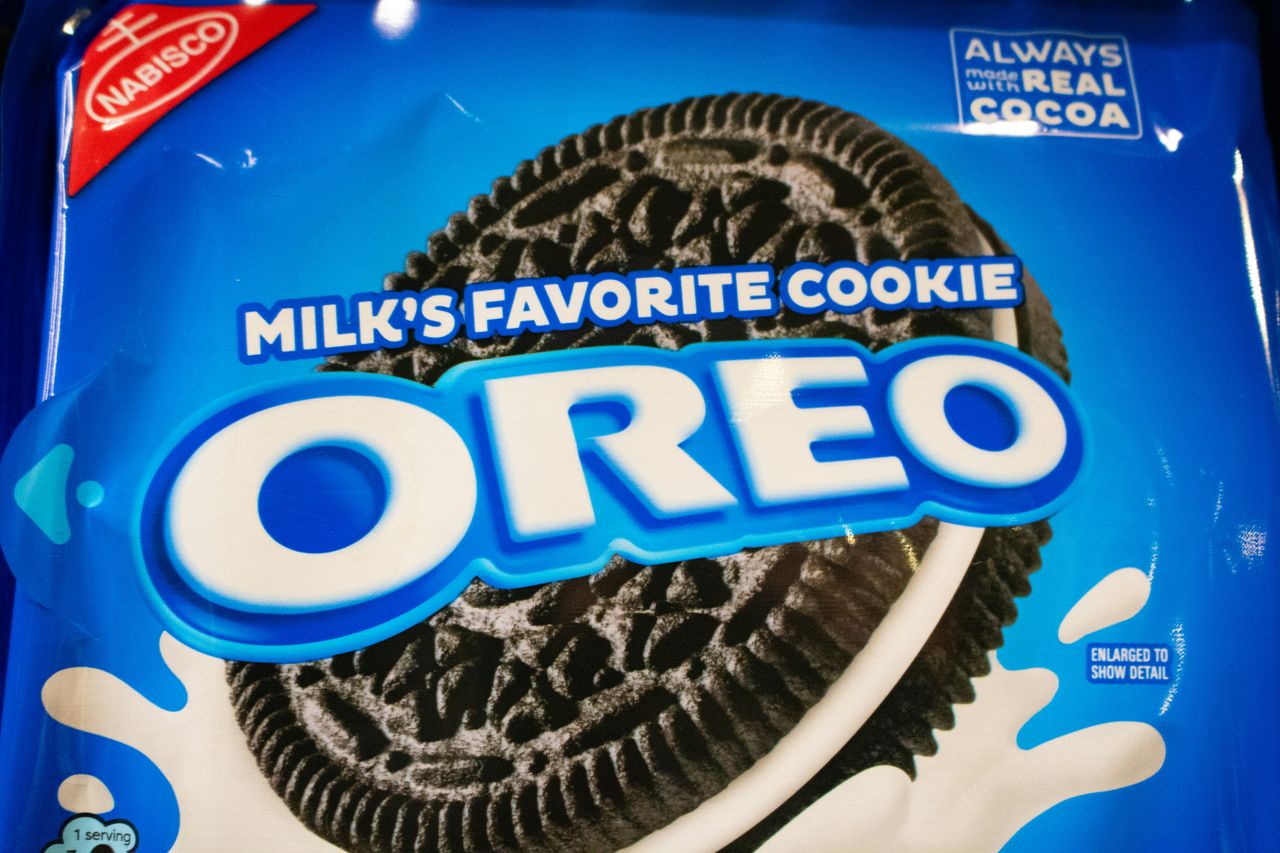
Every few weeks, it seems Oreo appears with another new flavor and another reason to stop in the cookie aisle. We roll our eyes, laugh at the concept, and then buy a pack anyway.
That is not an accident. It is one of the most effective snack marketing plays in America, and Oreo has turned it into an art form.
Oreo is not just selling cookies anymore

Oreo has long since graduated from being a single classic product into being a perpetual event. The original sandwich cookie, first sold on March 6, 1912, still does the heavy lifting for the brand, but the modern Oreo machine runs on far more than the familiar chocolate wafer and white creme. In the last several years, the brand has treated the grocery aisle like a pop culture stage, cycling through flavors, collaborations, textures, colors, and seasonal gimmicks at a pace that feels closer to streetwear drops than old-school packaged food. According to Mondelēz, Oreo opened 2025 with six new flavor innovations, a striking signal that novelty is no side project but a core business practice.
That tempo is deliberate. Modern Retail reported that Oreo tends to release limited-edition varieties every month or every other month, and those launches are not random acts of corporate whimsy. Rachel Lawson, a director of shopper marketing at Mondelēz, said 28% of people who buy limited-edition Oreos do not buy regular Oreos, which means the wild flavors are functioning as customer acquisition tools as much as product extensions. The brand is not only feeding its loyalists. It is recruiting the curious, the nostalgic, and the lapsed shopper who had not thought about Oreos in months.
The strategy also works because the category is enormous and highly competitive. Circana-projected U.S. scanner data for the 52 weeks ending December 29, 2024 showed Nabisco with about $4.4 billion in cookie sales and roughly 29.9% of category share through grocery, drug, mass merchandisers, convenience, military, and select club and dollar retailers. In that kind of environment, staying visible matters almost as much as staying tasty. A limited-edition SKU gives retailers something new to display, shoppers something new to photograph, and media outlets something easy to cover.
That is why Oreo’s weirdness is rarely as reckless as it looks. Even when a flavor seems ridiculous, it usually serves a serious commercial purpose: win shelf space, trigger impulse buying, and remind shoppers that the plain old Oreo is still sitting right next to the stunt. Lawson told Modern Retail exactly that. The limited edition grabs attention, but the intention is still to get people buying Oreo, period.
The flavors look chaotic, but the logic is disciplined
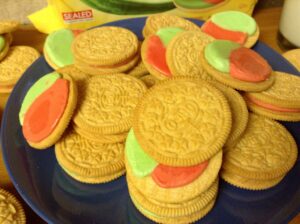
Mike Mozart from Funny YouTube, USA, CC BY 2.0/Wikimedia Commons
From the outside, Oreo’s release calendar can seem like a sugar-fueled brainstorm gone unchecked. Dirt Cake. Tiramisu. Churro. Sour Patch Kids. Star Wars-themed cookies with differently colored creme. The Coca-Cola collaboration. Post Malone’s salted caramel and shortbread swirl. Selena Gomez’s limited-edition Oreo. Summer 2026’s Firecracker Pop, inspired by the classic red-white-and-blue ice pop, arrived with cherry, lemon, and blue raspberry creme inside golden cookies. It all feels slightly absurd, which is part of the point.
But behind that absurdity is a disciplined understanding of how consumers browse. Grocery shopping is repetitive, and packaged food companies fight relentlessly to interrupt routine. Oreo’s limited-edition flavors are built to create what retailers call stopping power. A shopper who would never plan a special trip for cookies might still pause for a product that sounds nostalgic, strange, seasonal, or culturally noisy enough to deserve a closer look. Even skepticism becomes useful. “This sounds terrible” is often only one inch away from “I have to try it.”
The flavor design itself also follows recognizable patterns. Some launches lean on comfort and dessert familiarity, as with tiramisu or churro. Others tap childhood memory, like Dirt Cake or Firecracker Pop. Others borrow fandom and celebrity heat, as seen with Star Wars branding, the Coca-Cola tie-up announced in August 2024, and the Post Malone release in early 2025. According to the Associated Press, Oreo innovation leaders have explicitly described this moment in snacking as one where consumers do not want to be boxed into a single taste identity. Sweet can meet sour, dessert can meet candy, and category lines can blur without seeming off-brand anymore.
Crucially, these products are not developed overnight. The Associated Press reported that it can take one to two years to develop an Oreo limited edition, and those products typically stay on shelves for about nine weeks. That means the joke flavor is usually not a joke inside the company. It has gone through planning, formulation, packaging, retail coordination, and launch timing before anyone on social media gets to call it cursed. The brand’s playfulness is real, but it is operationally serious.
That combination is why Oreo’s novelty program feels so polished. The cookies are designed to look impulsive while being anything but. The brand understands that in a crowded snack aisle, highly calculated chaos often beats quiet consistency.
Nostalgia is the real filling in the middle
The smartest thing Oreo understands is that flavor alone is not the full product. What it really sells is a feeling, and the most bankable feeling in modern packaged food is nostalgia. Consumers may say they want innovation, but the most effective innovation often reworks something emotionally familiar: the school lunch dessert, the county fair snack, the movie-theater candy, the frozen summer treat, the comfort food you remember more fondly than you probably ate it. Oreo keeps returning to that emotional well because it almost always pays.
Firecracker Pop is a perfect recent example. It is not simply a new cookie profile. It is a memory trigger disguised as a limited-time release, built to recall the classic patriotic freezer-pop experience in cookie form. Dirt Cake worked the same way, transforming a childhood party dessert into a portable, branded sugar hit. Churro borrows the fairground and bakery case. Tiramisu borrows café sophistication without demanding actual sophistication from the eater. Even the strange ones are usually less alien than they first appear. They are often deeply recognizable references, translated into Oreo grammar.
That emotional translation helps explain why people “fall for it” repeatedly without necessarily feeling tricked. Buying a novelty Oreo is a low-stakes indulgence with a built-in story. You are not just purchasing cookies; you are sampling an idea, participating in a conversation, and revisiting a cultural touchstone. The package promises more than flavor. It promises relevance, memory, and a tiny social experience you can share with friends, family, or followers.
Celebrity tie-ins intensify that effect by attaching fandom to flavor. The Selena Gomez release in May 2025 was explicitly positioned around artist identity and fan culture. The Post Malone version in early 2025 featured custom embossments and Oreo’s first swirled creme in that format, combining novelty in taste with collectible packaging and design. These launches ask people to buy into personalities and communities, not merely ingredients. That is especially potent in a media environment where snacks are photographed, ranked, reviewed, and debated almost immediately.
Nostalgia also protects Oreo from the biggest risk of novelty: disappointment. Not every flavor needs to become a household staple. It only needs to feel worth trying once. If the cookie tastes good, that is a win. If it tastes odd but sparks a conversation and sells through its limited run, that can still be a win. Oreo is not always chasing permanence. Often, it is chasing a moment.
Scarcity, speed, and social media do the rest

Limited-edition snacks thrive because they compress decision-making. Oreo has mastered that psychology. If shoppers believe a flavor will be around forever, curiosity can wait. If they believe it may vanish in six to eight weeks, curiosity becomes urgency. That shift matters. The brand is not only asking, “Do you want this?” It is asking, “Do you want to miss this?” In consumer behavior, those are very different questions.
This is where scarcity turns a cookie into content. The limited window gives everyone involved a reason to talk now, not later. Retailers can stage displays around the launch. Food writers can publish quick-hit reviews. TikTok creators can film taste tests. Fans can race to find the pack before it disappears. Even people who never buy the cookie may help amplify it by commenting on the concept. The Oreo flavor pipeline is partly a product strategy and partly a media engine, designed to create repeatable bursts of attention without needing a Super Bowl-sized campaign for every launch.
The Coca-Cola collaboration showed how far Oreo can push this. Announced on August 13, 2024, it did not stop at a sandwich cookie. The campaign included a limited-edition Coca-Cola Oreo Zero Sugar drink, digital experiences tied to music preferences, and branded merchandise. That is a huge leap from the old model of “new flavor, same shelf.” Oreo now behaves like an entertainment property, creating collaborations that live in stores, on phones, and across social feeds at once. The cookie becomes the centerpiece of a broader cultural activation.
Social media has also changed how consumers experience novelty food. The old packaged-food model relied on television ads and in-store discovery. Now the reveal itself is part of the product. Leaks, teaser posts, official announcements, creator reviews, and reaction videos all build anticipation before many people have seen the item on a shelf. A flavor can become famous before it becomes widely available. In that environment, Oreo’s constant launch schedule is not exhausting; it is algorithmically useful.
There is also a deeper retail advantage here. Even when people come in for the novelty, they do not always leave with only the novelty. Oreo’s own executives have been open about the halo effect that limited editions create for the core business. The special flavor gets the attention, but the regular Oreo benefits from the traffic, the display, and the reminder. In other words, the stunt cookie is often advertising for the classic one standing beside it.
We keep buying because the gimmick is better than a gimmick

It is tempting to talk about Oreo’s flavor churn as if consumers are being duped, but that oversimplifies what is happening. Most buyers understand the game. They know not every new cookie will be life-changing. They know some flavors are more amusing than essential. Yet they keep participating because the exchange is fair enough: a few dollars for curiosity, novelty, and a shot of pleasure. In a market full of forgettable line extensions, Oreo at least commits to the bit.
That is why the brand’s strategy feels sustainable rather than desperate. It is anchored by an iconic core product with more than a century of recognition, then refreshed by a rolling cast of limited editions that make the whole franchise feel contemporary. The original Oreo remains the trust signal. The new flavors provide the spark. Together, they let the brand behave both like a heritage staple and like a pop culture brand that always has something brewing.
The broader snack industry has moved this way too, but Oreo remains unusually good at making the formula visible. According to the Associated Press, Mondelēz planned about a dozen limited-edition Oreo flavors in a single year, and Modern Retail reported the launches often arrive monthly or every other month. That cadence keeps Oreo from becoming background noise. Even if a consumer skips three releases in a row, the fourth may hit a nostalgic nerve or fandom sweet spot hard enough to break through.
And that is the real answer to why we keep “falling for it.” We are not simply falling for flavor. We are responding to ritual, scarcity, memory, identity, and the pleasure of trying something slightly ridiculous with almost no downside. Oreo keeps launching new flavors because the launches themselves are valuable, whether or not each cookie becomes beloved.
So yes, the latest Oreo may be another obvious marketing ploy. It may also be delicious, oddly compelling, or just silly enough to earn a spot in your cart. Oreo understands that those outcomes are not mutually exclusive. In fact, that is exactly why the strategy keeps working.