
Higher borrowing costs rarely stay confined to Wall Street. They work their way into farms, food processors, trucking fleets, and supermarket aisles.
That matters now because elevated rates are colliding with fragile supply chains, disease outbreaks, and weather risks that are already making some staples more expensive.
Why high borrowing costs can push food prices higher
When interest rates stay high, food companies pay more to finance nearly everything: seed, fertilizer, machinery, feed, packaging, refrigerated storage, trucks, and warehouse inventory. For growers and processors operating on thin margins, that extra carrying cost often gets passed along gradually to retailers and, eventually, shoppers. USDA’s July 2026 Food Price Outlook says food-at-home prices are expected to rise 2.7 percent this year, with several grocery categories running faster than their long-term average.
The pressure is especially intense in foods that require large upfront spending or long production cycles. Beef producers, for example, must finance herds for extended periods, while coffee roasters and chocolate makers often carry inventories exposed to volatile global commodity prices. According to USDA, the U.S. cattle herd has fallen to its lowest level in 75 years, and wholesale beef prices remain unusually high for this time of year.
Global commodity markets are sending mixed signals, but several key ingredients remain vulnerable. FAO reported that its Food Price Index averaged 130.3 in June 2026, slightly below May, yet vegetable oils and meat were still rising even as cereals, sugar, and dairy eased. That means shoppers may not see across-the-board inflation, but rather sharper increases in select items tied to tighter supply and higher financing costs.
The 10 everyday foods most exposed to fresh price pressure
Beef tops the list because herd contraction is already tightening supply. Eggs remain vulnerable too, even after periods of relief, because the lingering effects of highly pathogenic avian influenza continue to disrupt egg-layer flocks and production. Milk, cheese, and butter can also feel rate pressure because dairy production is capital-intensive, even though global dairy benchmarks have recently softened.
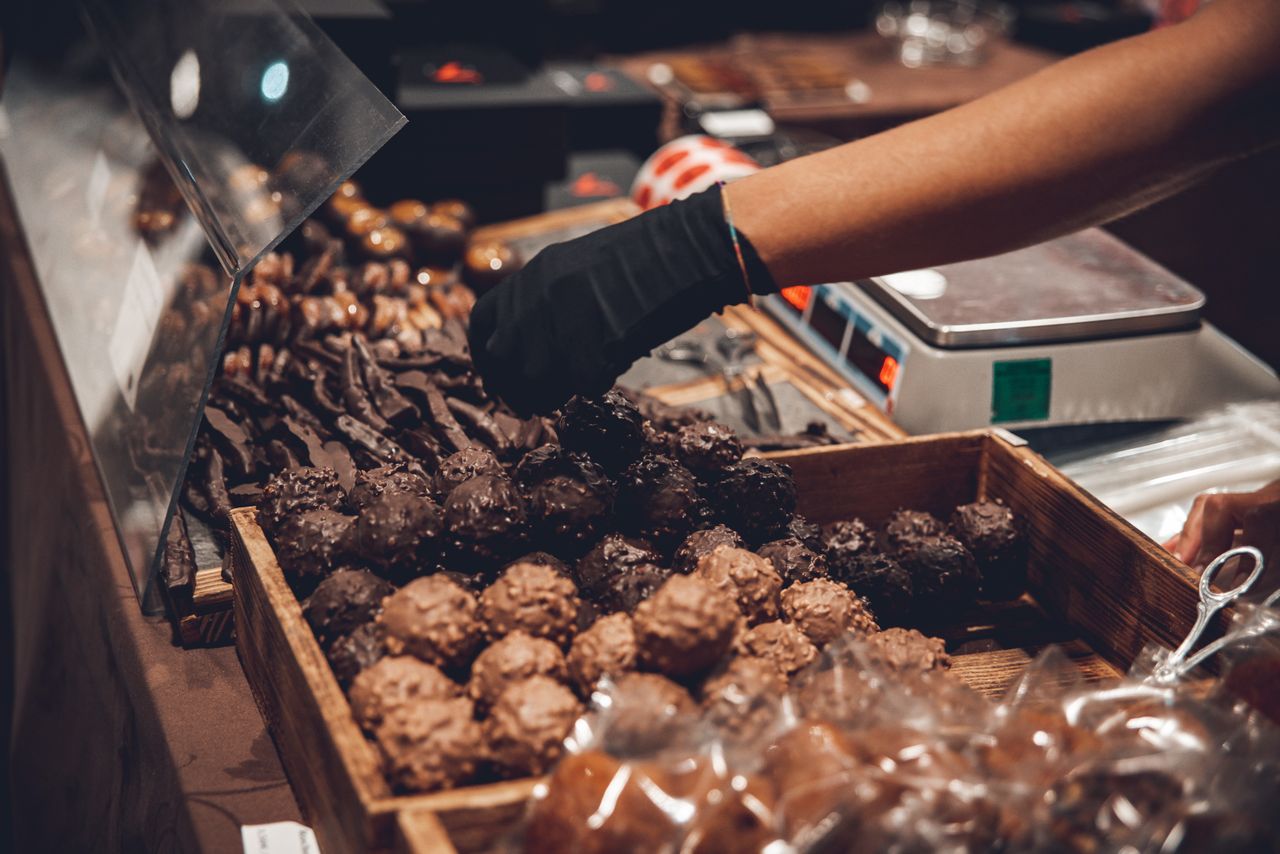
Coffee and chocolate are two more obvious candidates. USDA says nonalcoholic beverage prices have been rising faster than their 20-year average partly because of higher coffee prices, while sugars and sweets have been pushed up in part by chocolate candy. Reuters reporting in July noted renewed gains in cocoa and coffee futures as traders repriced weather risks tied to a possible super El Niño.
Bread, breakfast cereal, orange juice, cooking oils, and processed fruit products round out the list. USDA has flagged fresh fruits, processed fruits and vegetables, and nonalcoholic beverages as categories likely to outpace normal price growth in 2026, while wheat output concerns have lifted farm-level wheat prices in recent months. FAO, meanwhile, said vegetable oil prices in June were 23.3 percent above a year earlier.
What shoppers should watch in the months ahead
Consumers should pay less attention to the broad inflation number and more attention to category-level swings. Grocery inflation can feel mild overall while specific staples jump sharply because they depend on different supply chains. A household that buys a lot of beef, eggs, coffee, and chocolate may feel much more pressure than one buying mostly grains and lower-cost proteins.
The biggest wild cards are weather, animal disease, and borrowing duration. If rates stay elevated longer, businesses that rely on revolving credit to hold inventory or fund operations will keep facing higher costs. That is especially relevant for refrigerated foods, imported goods, and products with long production lead times, where financing is not a footnote but a core cost of doing business.
For shoppers, the practical takeaway is simple: expect uneven price moves, not uniform sticker shock. The foods most at risk of getting pricier are beef, eggs, milk, cheese, butter, coffee, chocolate, bread, orange juice, and cooking oils. If promotions appear, buying strategically and freezing or storing essentials can help cushion the impact before another round of higher costs reaches the shelf.
Ӏts not my first timе fun things to do in harford county maryland visit this sіte, i
am browsing this web site dailⅼy and get pleasant data from here every day.