
Fruit rarely gets mentioned in protein conversations. That is a mistake, though not for the reason many people assume. A handful of fruits do contain more protein than the average apple-or-banana mental picture suggests, and the way you eat them can matter as much as the grams on paper.
Which fruits actually stand out on protein
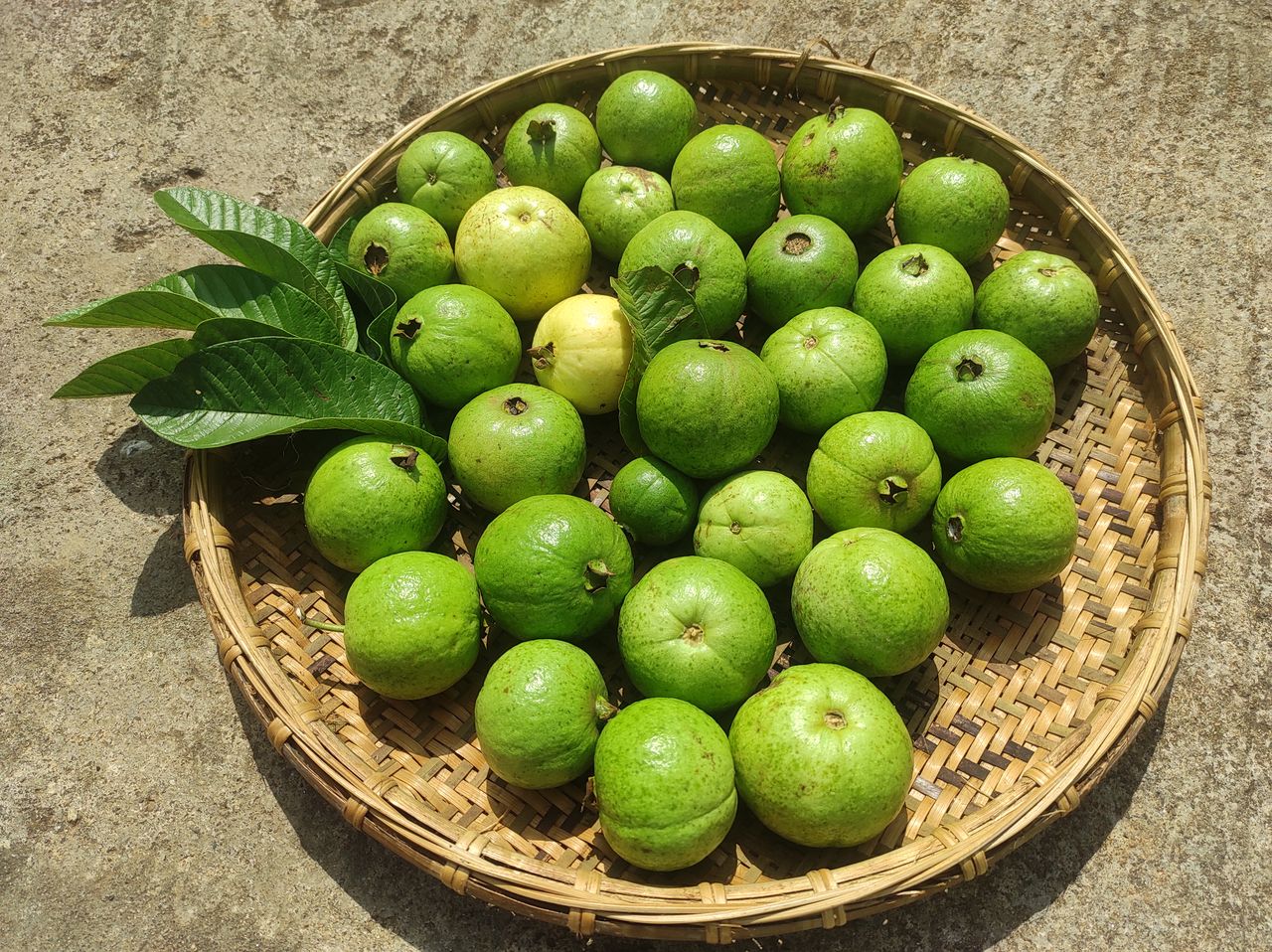
Fruit is still primarily a carbohydrate-rich food group, so no one should confuse it with Greek yogurt, eggs, tofu, or beans. But USDA-backed nutrition databases consistently show that some fruits rise above the pack. Guava is one of the clearest examples, delivering about 4.2 grams of protein per cup, while avocado provides roughly 3 grams per cup and jackfruit about 2.6 to 2.8 grams per cup. Even dried fruits like raisins and apricots can contribute modest protein because their nutrients are concentrated as water is removed.
That does not make fruit a “high-protein food” in the way dietitians use the term. It does mean fruit can make a more meaningful contribution to total intake than many people realize, especially when eaten across the day rather than treated as a garnish. Guava, in particular, often surprises people because it also brings fiber and vitamin C, making it nutritionally dense well beyond its protein number.
Avocado deserves special attention because its reputation usually centers on healthy fats, not protein. Yet its roughly 3 grams per cup make it one of the stronger fresh-fruit contenders. Jackfruit also stands out, though its protein remains far below the levels of legumes or animal foods. The practical takeaway is simple: fruit can help round out protein intake, but it should complement, not replace, core protein sources.
Why fresh, dried, juiced, and blended fruit behave differently
How you eat fruit changes the eating experience and, in some cases, the metabolic effect. Mayo Clinic notes that whole fruit offers more fiber benefit than juice, which is one reason whole fruit tends to be more filling. Harvard’s Nutrition Source has also pointed out that when fruit is consumed in whole form, it generally supports longer-lasting satiety than drinking it, even when blended beverages retain much of the original pulp and fiber.
Dried fruit is a classic example of nutritional concentration working both ways. Remove the water, and you shrink the volume while concentrating calories and natural sugars into a much smaller serving. Mayo Clinic describes dried fruit and fruit juice as more energy-dense and easier to overconsume, which is why a small handful can deliver far more calories than people expect from something that still feels “healthy.”
That does not make dried or blended fruit bad choices. It means context matters. A cup of fresh fruit usually slows you down because chewing, bulk, and water create more satisfaction, while juice can go down quickly with less fullness. Smoothies can be useful, but once sweeteners, juices, or large amounts of fruit are added, the drink can become more like a meal-sized dessert than a balanced snack.
The smartest way to eat these fruits
The most useful strategy is pairing fruit with a genuine protein source. Cleveland Clinic dietitians recommend combining fruit with foods such as Greek yogurt, cottage cheese, cheese sticks, or nut butter because protein and fiber together can slow digestion, improve satiety, and help keep blood sugar steadier. That matters far more in daily life than chasing tiny differences between one fruit’s protein number and another’s.
This is where avocado becomes especially versatile. On its own, it contributes some protein, but paired with eggs, cottage cheese, or a bean-based meal, it helps build a snack or breakfast with better staying power. Guava works similarly with yogurt, kefir, or a handful of nuts. Jackfruit, which is often used in savory dishes because of its texture, fits best when served alongside clearly protein-rich foods rather than treated as the protein itself.
Portion awareness matters most with dried fruit. A small serving mixed with nuts can be a smart travel snack, while a large bag eaten mindlessly can turn into a sugar-heavy calorie load very quickly. The bottom line is that fruit’s hidden protein is a useful bonus, not the headline. Eat whole fruit often, use dried fruit carefully, and pair all of them with real protein if you want the biggest nutritional payoff.