
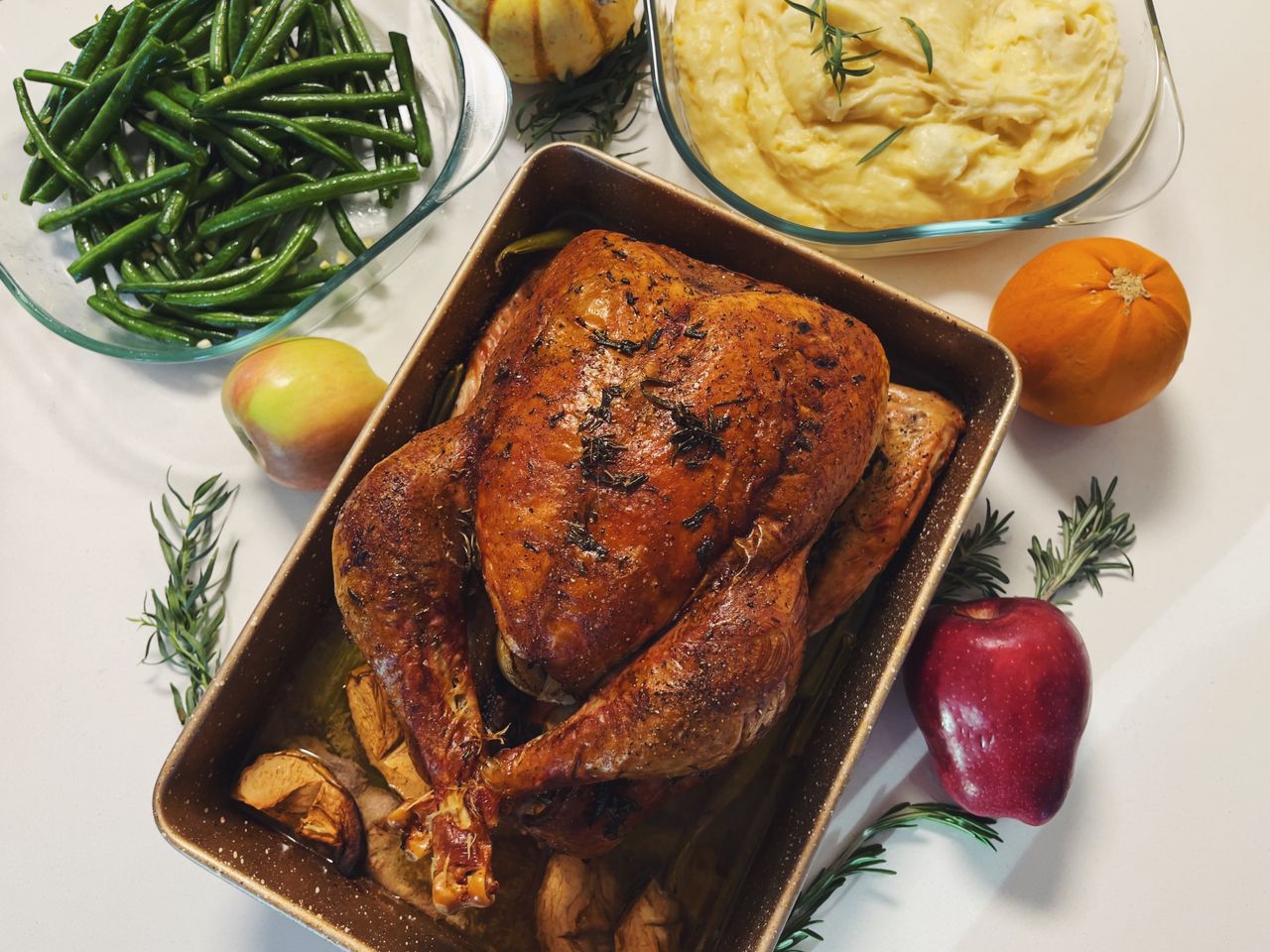
Thanksgiving is supposed to feel generous, warm, and effortless. But the biggest food safety mistakes often happen in the rush between thawing, carving, serving, and storing leftovers. A holiday meal can look perfect and still create the conditions for foodborne illness.
The turkey mistakes that start trouble early
The first slip-up happens days before dinner: thawing the turkey the wrong way. Federal food safety guidance says a large turkey should be thawed in the refrigerator, in cold water, or in the microwave, never on the counter at room temperature. The FDA notes that a 20-pound turkey can take four to five days to thaw in the refrigerator, which is where many hosts get caught off guard and start improvising.
Another overlooked mistake is washing raw turkey. The CDC warns that rinsing poultry can spread germs through droplets onto sinks, counters, utensils, and nearby food. That matters because cross-contamination is one of the easiest ways to turn a holiday kitchen into a high-risk zone, especially when people are juggling side dishes, desserts, and guests at the same time.
Then there is undercooking, which still fools experienced home cooks who rely on color, pop-up timers, or cooking charts alone. The USDA says turkey is only safely cooked when it reaches 165 °F throughout, checked with a food thermometer in the thickest part of the breast, thigh, and wing. Stuffing adds another hazard: the FDA advises cooking stuffing to 165 °F as well, and says the safest approach is often baking it in a separate casserole dish rather than inside the bird.
The serving habits that quietly raise risk
Once dinner hits the table, hosts often assume the danger has passed. In reality, the serving window is where bacteria can multiply fast, because USDA guidance says perishable food should not sit out more than 2 hours, or more than 1 hour if temperatures are above 90 °F. In the 40 °F to 140 °F danger zone, bacteria can double in as little as 20 minutes.
That makes buffet-style holiday eating a hidden problem. A turkey platter, gravy boat, green bean casserole, and cream-based side can spend an entire afternoon at room temperature while people graze, talk, and go back for seconds. Hosts tend to focus on keeping food warm enough to feel appetizing, but “warm” is not the same thing as hot enough to stay safe.
A related slip-up is using the same cutting board, knife, or serving spoon for raw and cooked foods. It sounds basic, yet it is common in crowded kitchens, especially when someone slices the raw turkey packaging open, wipes the counter casually, and moves straight to bread, herbs, or cooked dishes. One rushed shortcut can transfer harmful bacteria far beyond the bird itself.
The leftover errors most people repeat every year
The day after Thanksgiving may be even riskier than the meal itself. One classic mistake is leaving the turkey carcass, stuffing, or pans of mashed potatoes out too long while everyone relaxes. USDA guidance is clear that food should be refrigerated within 2 hours, and large amounts should be divided into shallow containers so they cool faster instead of trapping heat in the center.
Another common error is treating smell as a safety test. The FDA warns not to taste food that seems questionable and advises, “when in doubt, throw it out,” because dangerous bacteria do not always change a food’s odor, look, or flavor. Leftovers also do not last indefinitely; FDA consumer guidance says they should generally be used within three to four days.
Finally, many people reheat leftovers casually instead of thoroughly. USDA says leftovers should be reheated to 165 °F, and checked in several places with a food thermometer, not just warmed until steaming around the edges. That simple habit, along with fast refrigeration and smaller storage containers, is what separates a comforting second meal from the holiday’s most preventable hosting mistake.
다양한 정보를 확인할 수 있는 오피 사이트를 통해 필요한 내용을 편리하게 살펴보세요.