
Walmart and Kroger are being pulled into a wider debate over why the price on the same grocery item may not match from one shopper to the next. The latest federal marker came on August 19, 2026, when the Federal Trade Commission said it was considering requiring businesses to disclose whether they use personalized pricing data, a practice the agency said has drawn growing scrutiny.
For households trying to stretch a food budget, the issue is simple: whether a discount is available to everyone, tied to a loyalty account, or influenced by data a retailer or platform has collected. That distinction matters most in the grocery aisle, where small price differences can add up over a week of milk, bread, produce and packaged staples.
FTC scrutiny put retailer pricing under a brighter light
The FTC voted 2 to 0 to release a draft enforcement policy statement saying the law barring deceptive practices likely prohibits undisclosed use of personal data to set prices, according to Reuters. FTC Chairman Andrew Ferguson said consumers expect a listed price to be the same price everyone else sees, not a retailer’s estimate of what an individual is willing to pay.
Reuters reported that the FTC described surveillance pricing as a strategy in which companies use personal data, including browsing history, location and shopping habits, to set individualized algorithmic prices instead of standard market-wide prices. The agency also said the proposal would be open for public comment for 30 days.
Walmart moved quickly to distance itself from that practice. In comments reported September 25, 2026, Walmart CEO John Furner said the company would not charge a personalized price and said a shelf price should match what rings up at checkout. That response came as large retailers faced broader public pressure over digital pricing tools and artificial intelligence.
Kroger questions center on discounts, not a confirmed shelf price rule
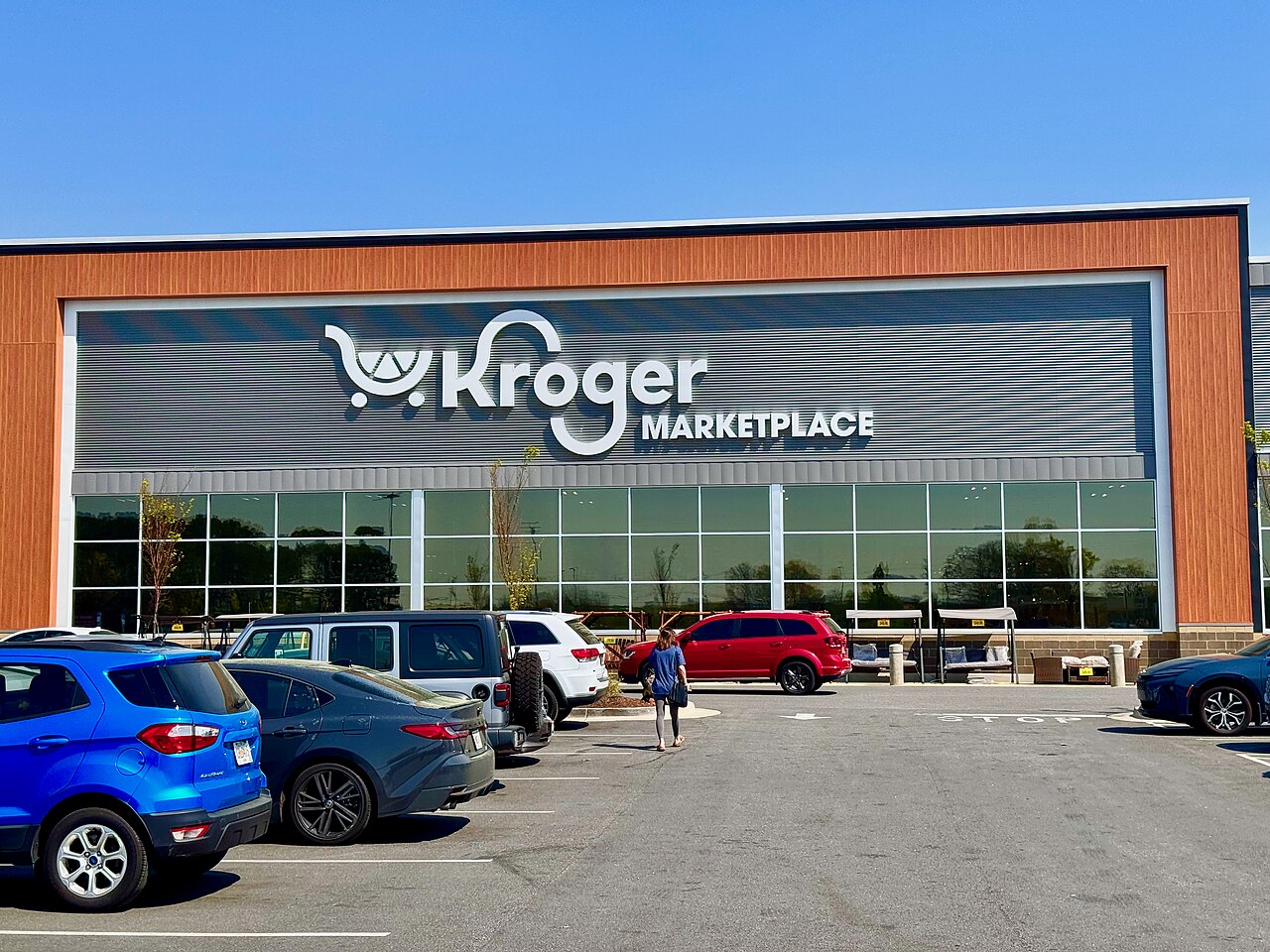
Kroger’s role in the debate is different. Consumer Reports said in a May 21, 2025 investigation that Kroger collects extensive loyalty program data and uses it to build detailed customer profiles, including an “income predictor,” and uses customer data to personalize promotions and discounts.
A separate Consumer Reports article said Kroger’s in-house data unit, 84.51°, analyzes shopper data to create personalized discounts for Kroger-brand products and national brands. Consumer Reports has urged Kroger to give everyone in its loyalty program the same discount offers regardless of income or education level, but that is an advocacy position, not a finding by regulators.
Consumer Reports also said its reporting launched a broader series after it found pricing inaccuracies at Kroger-owned stores. In an update published May 29, 2025, it said Kroger announced plans to hire an additional 15,000 employees across the country to enhance the customer experience after the investigation was published. Kroger has not, in the materials reviewed here, publicly said it uses personal data to raise shelf prices for one shopper over another.
What shoppers can verify at home, and what remains unsettled
What is confirmed today is that price differences can happen in more than one way. A standard sale may be available to everyone. A digital coupon may require a loyalty account. A personalized offer may be targeted to one shopper and not another. Reuters also reported that Instacart ended price tests in December after a study found some shoppers saw prices up to 23 percent higher than others browsing the same items from the same store.
State and local officials are also stepping in. Consumer Reports said Maryland enacted a law on April 28, 2026 aimed at banning the use of personal data to set higher grocery prices. Axios reported that Seattle recently targeted what it called AI-assisted price gouging at grocery stores while still allowing some price differences tied to costs or broad customer groups such as seniors or students.
For shoppers, that means the reason your price may not match your neighbor’s is still under dispute. Walmart is publicly saying no to personalized pricing. Kroger is facing questions about personalized discounts through its loyalty system. The FTC has not said all personalized pricing is illegal, but it has said undisclosed use of personal data to set prices may violate the law.