
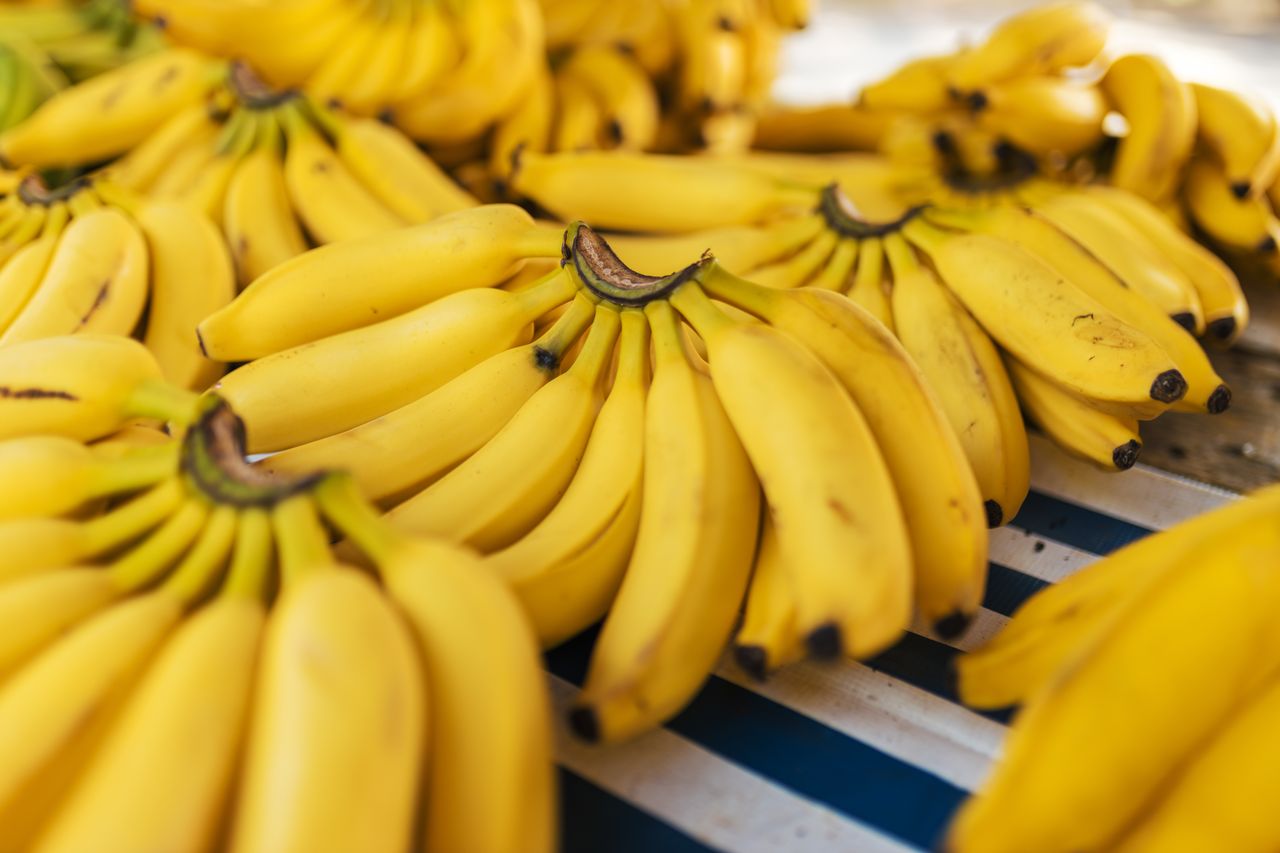
Some nutrition stories get reduced to a single nutrient. Bananas are the classic example. Most people think potassium first, but this familiar fruit quietly brings magnesium to the table too.
That matters because many Americans still fall short on magnesium. And when a food is cheap, portable, and easy to eat, even a modest contribution can make a real difference over time.
Why bananas deserve a second look
A medium banana provides about 32 mg of magnesium, according to the National Institutes of Health Office of Dietary Supplements. That is not a blockbuster number, but it is meaningful in a country where NIH says nearly half of Americans consume less magnesium than their estimated requirements from food and beverages. In other words, bananas are not a magnesium miracle, but they are a practical everyday helper.
Bananas also come with nutritional advantages that make that magnesium easier to fit into real life. Harvard’s Nutrition Source notes that a medium banana has roughly 110 calories, about 3 g of fiber, and around 450 mg of potassium. That combination gives the fruit a stronger case than any single-mineral headline ever could. You are getting multiple useful nutrients in one familiar snack.
This is why dietitians often care more about repeatable habits than “top 10” lists. A person may not eat pumpkin seeds or black beans every day, but many will eat a banana several times a week. When a food is affordable, shelf-stable for several days, and needs no preparation, small nutritional wins add up faster.
What magnesium actually does in the body
Magnesium is involved in hundreds of biochemical reactions, including muscle and nerve function, blood sugar regulation, protein synthesis, and blood pressure support, according to NIH. Early signs of low magnesium can include fatigue, weakness, nausea, and loss of appetite. Severe deficiency is less common, but chronically low intake is still worth noticing, especially because it often reflects an overall diet low in nutrient-dense foods.
That is where bananas fit in best: not as a standalone fix, but as part of a broader pattern. Foods that contain fiber often supply magnesium too, and NIH’s professional guidance highlights that connection. Bananas offer both, which helps explain why they show up so often in advice for building a better breakfast or smarter snack routine.
There is also a useful bonus depending on ripeness. Harvard Health reports that greener, less-ripe bananas contain more resistant starch, a carbohydrate that is digested more slowly and can also feed beneficial gut microbes. That does not make green bananas “better” for everyone, but it does show how one simple fruit can offer slightly different benefits depending on how you eat it.
The smartest way to use bananas for a magnesium boost
The most realistic strategy is to treat bananas as a base, not the whole solution. Slice one over yogurt, blend it into a smoothie with spinach, or pair it with peanut butter and oats. Those combinations matter because magnesium intake improves much faster when several nutrient-dense foods show up in the same meal rather than relying on one ingredient to do all the work.
This also helps correct a common misconception: bananas are a decent source of magnesium, but not one of the most concentrated. Seeds, legumes, whole grains, leafy greens, and nuts generally deliver more per serving. Still, a banana’s convenience gives it unusual power. A food only helps if people actually buy it, keep it around, and eat it consistently.
For most healthy adults, that makes bananas one of the simplest “quiet upgrade” foods in the produce aisle. They will not solve a serious deficiency on their own, and persistent symptoms should be discussed with a clinician. But as an everyday fruit that contributes magnesium, fiber, potassium, and versatility without much cost or effort, bananas make a stronger nutritional case than they usually get credit for.
Everything is just so seamless here. I appreciate the transparency and the easy navigation. Go check bdap999 out.