
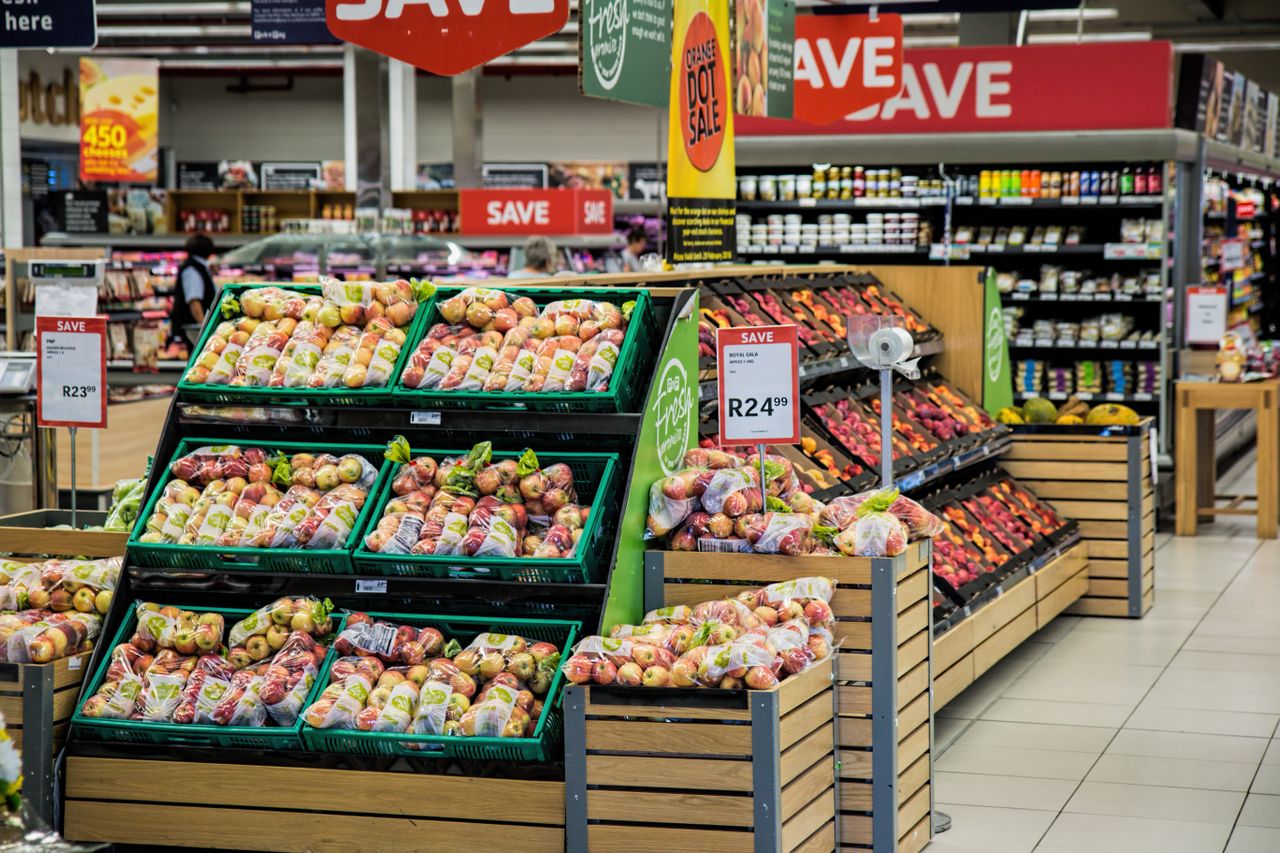
Nationally, grocery shoppers remain highly focused on value as food spending stays under pressure and retailers compete aggressively on promotions. One of the most common in-store tactics is the sale sign that says “Limit 5,” a phrase that can look like buying five is the smart move when it often is not. The sign is usually a pricing restriction, not evidence that five units are the best deal for a household.
The sign creates urgency, but the number is usually a cap, not a target
The basic event here is not a recall or a store closure but a common retail pricing practice used across supermarkets: sale signage that limits how many discounted items a shopper can buy in one transaction or at one price tier. As Grocery Coupon Guide reported in a recent explainer, stores use “Limit 5” language to make a promotion appear especially valuable, even when the number is simply a ceiling on discounted purchases rather than a signal that customers should buy the maximum.
That framing matters because retail marketing rules focus on whether advertised items are available at the stated price, not whether shoppers are making the best purchase for their own budgets. The Federal Trade Commission said its Retail Food Store Advertising and Marketing Practices Rule requires stores to have advertised products in stock and readily available at or below the promoted price. That means a limit can be a lawful part of a promotion while still encouraging shoppers to buy more than they planned.
Industry data also show why those signs get attention. FMI, the Food Industry Association, has reported that shoppers increasingly define value through deals and savings cues, while a NIST publication citing FMI said 74% of shoppers use unit pricing when it is available. In practice, that means the most useful number on the shelf may not be the purchase limit at all, but the per-ounce or per-unit cost.
The household impact depends on what the item is, how long it keeps, and what else is in the cart
For shoppers at the local level, the practical effect of a “Limit 5” sign depends less on the sign itself and more on the item category. A pantry staple with a long shelf life may be worth stocking up on if the unit price is meaningfully lower. A perishable item, by contrast, can become expensive quickly if part of the purchase spoils before anyone eats it.
Federal food-waste guidance directly addresses that risk. The FDA says consumers should not buy more food than they can use before it spoils, and it notes that promotions pushing unusual or bulk purchases can lead households to buy outside their normal needs and throw some of that food away. The EPA similarly advises households to save money by buying only what they need and estimates the cost of food waste at $728 per person per year, or $2,913 for a household of four.
What is not publicly knowable, store by store, is how many shoppers actually increase their basket size because of a specific “Limit 5” sign. Retailers generally do not release that level of promotional performance data. But federal and industry material support the broader point that buying the maximum amount is not automatically the lower-cost choice once spoilage, storage space, and the rest of the week’s grocery budget are considered.
The broader context is consumer psychology, food waste, and pressure on grocery budgets
Why this happens comes down to a mix of psychology and household economics. The reference source used for this article describes the sign as an artificial scarcity cue: when a store limits an item, shoppers may infer the deal is unusually strong and feel pressure to maximize it. That response is consistent with broader research on pricing behavior showing that consumers react strongly to simplified numerical cues and sale framing.
At the same time, the real cost of a “good deal” can rise if the purchase displaces other essentials. USDA’s Food Expenditure Series tracks how closely households watch food spending, and USDA’s Economic Research Service has long documented that large amounts of food go uneaten, with perishability and overbuying contributing to loss. The agency has estimated that 133 billion pounds of food, or 31% of the available U.S. food supply at the retail and consumer levels in 2010, went uneaten.
For customers, the bottom line is straightforward: a “Limit 5” sign means the discount stops after five, not that five is the right number to buy. The better measure is whether the sale beats the regular unit price and whether the food fits a realistic meal plan, storage space, and household budget. Federal consumer and food-waste guidance supports that approach, and current grocery-value research suggests shoppers are increasingly weighing practical value, not just the excitement of a promotion.