
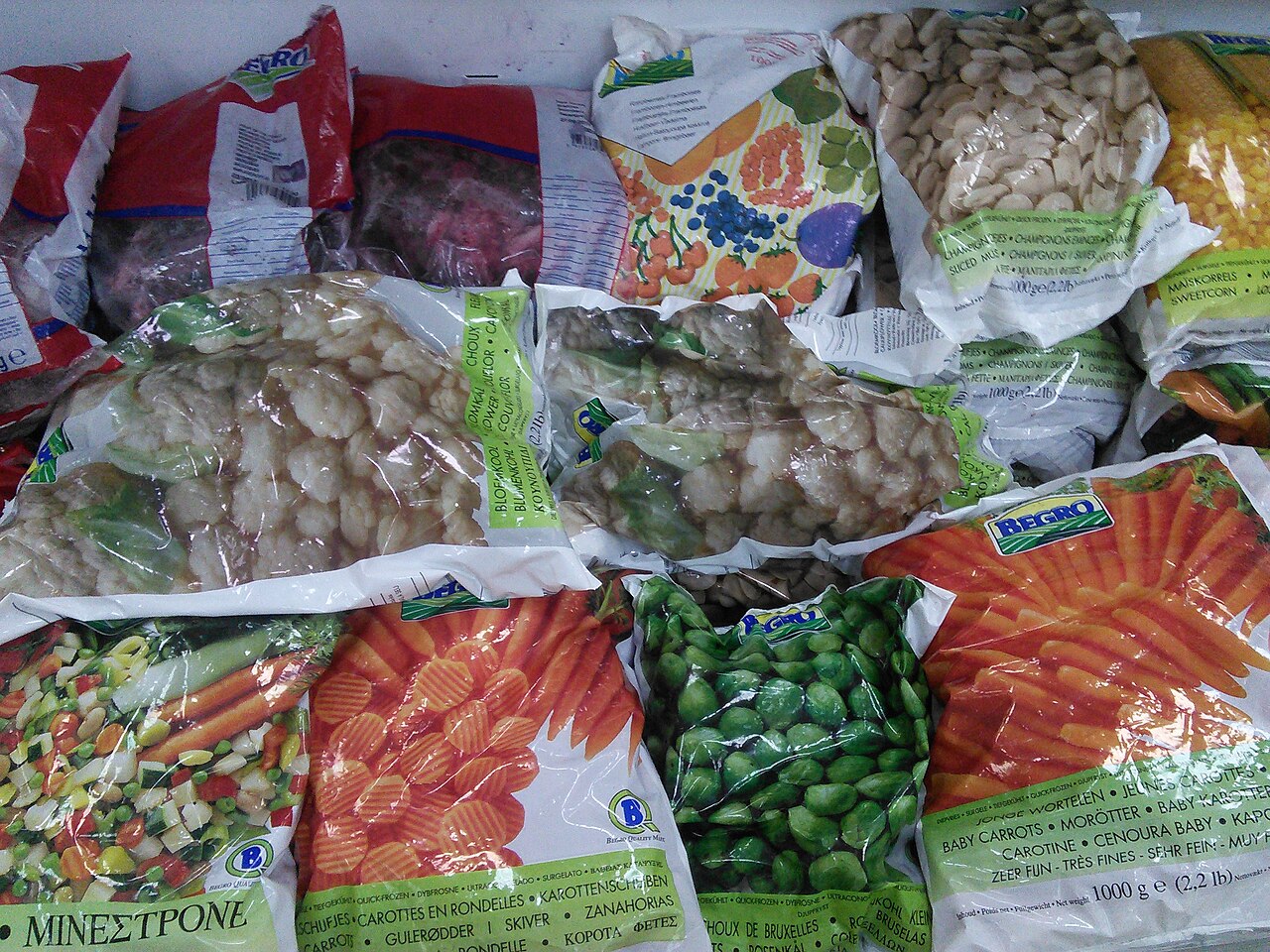
Vegetable prices have remained an unsettled part of the U.S. grocery bill in 2026, even as overall food-at-home inflation has been more moderate than the spikes consumers saw earlier in the decade. Against that backdrop, the swap many budget-focused shoppers are making right now is moving at least part of their cart from fresh vegetables to frozen vegetables, while also leaning harder on cabbage, carrots, onions, potatoes, and beans. The shift is less about a single trend item than a practical response to price volatility and waste.
Frozen vegetables are emerging as the clearest budget substitute
The most visible swap is from fresh vegetables to frozen ones, a change supported by both price and nutrition data. The USDA Economic Research Service updated its Food Price Outlook on June 25, 2026, and said food-at-home prices are forecast to rise 3.2% in 2026, while its vegetables and pulses reporting has continued to describe fresh vegetable pricing as a category that can move unevenly by commodity and season. USDA also reported that imports accounted for about one-third of U.S. vegetable availability in 2025, underscoring how supply and sourcing can shape what shoppers see at retail.
Frozen vegetables have become the practical alternative because they offer predictability at the shelf. Harvard Health has said it does not matter whether consumers buy produce from the produce aisle or the frozen section, so long as the frozen items are not loaded with sauces or other additives. That guidance has helped make frozen broccoli, green beans, peas, spinach, and mixed vegetables a straightforward replacement for higher-priced fresh items.
The swap also addresses food waste, which is part of the cost equation for many households. A frozen bag can be portioned out meal by meal, while fresh greens and tender vegetables often need to be used quickly. In grocery terms, that means the savings are not only on sticker price but also on how much product actually gets eaten.
Cabbage, root vegetables, and beans are filling the gap in everyday meals
Beyond the freezer case, shoppers are also shifting toward vegetables and pantry staples that store longer and stretch further. Cabbage has become a common replacement for more expensive leafy greens because one head can be used across salads, slaws, sautés, and soups. Carrots, onions, potatoes, and sweet potatoes are also drawing attention as low-cost staples that can work as sides or as the base of a full meal.
That shift is consistent with the economic realities around produce distribution. USDA research on transportation costs has found that fuel and shipping expenses can affect fresh fruit and vegetable prices, especially for perishable products moving long distances. For consumers, that makes sturdier vegetables with longer shelf lives more appealing when budgets are tight.
Beans are part of the same pattern, even though they are not a direct substitute for every vegetable purchase. Canned and dried beans can bulk up soups, grain bowls, salads, and skillet meals at a relatively low cost per serving. In practice, shoppers are not only replacing one vegetable with another; they are rebuilding meals around ingredients that keep longer, travel better, and provide fiber and satiety at a lower total cost.
The broader context is volatility, seasonality, and a push toward flexibility
What is driving the swap is not one shortage or one company decision but a broader pricing environment. USDA data shows food and fuel prices have been among the more volatile consumer categories over the long term, and the agency’s produce outlook continues to point to the role of seasonality, sourcing, and commodity-specific changes in what consumers pay. That means shoppers can see meaningful price differences between fresh and frozen, or between tender greens and hardier vegetables, even within the same store.
Seasonality is also central to the shift. USDA and land-grant university nutrition guidance have long noted that produce prices vary across the year, and that frozen options can provide consistency when fresh items are out of season or shipping from farther away. For households trying to control weekly spending, flexibility matters more than loyalty to any one vegetable.
For customers, the immediate takeaway is practical: the “smart shopper” vegetable swap is not eliminating vegetables, but changing which forms and varieties go into the cart. Frozen vegetables, cabbage, root vegetables, and beans are gaining ground because they align with current price conditions, store well, and still support balanced meals, while USDA’s latest outlook suggests grocery shoppers should continue to expect a mixed pricing environment through 2026.