
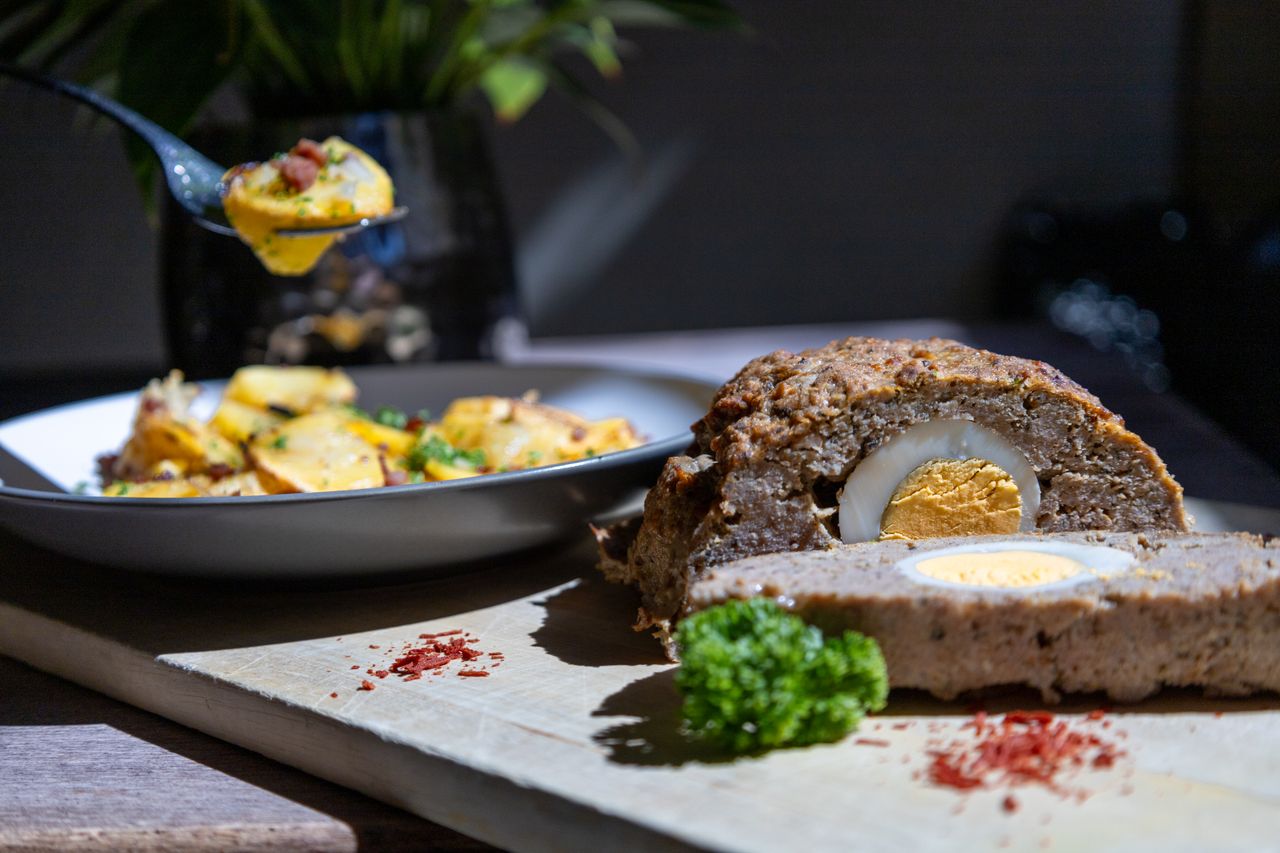
A lot of kitchen wisdom survives because it solves real problems. My grandmother’s favorite meat trick did exactly that, and it still earns its place on the stove.
What looked like thrift was also technique. In many ways, modern cooks are only now catching up to what frugal home kitchens understood generations ago.
The old trick was never really about “cheapening” meat
During the Depression, home cooks learned to make a little meat go much further by mixing it with ingredients that added bulk, moisture, and nourishment. Breadcrumbs soaked in milk, crushed crackers, oats, rice, or beans were common additions, especially in meatloaf, patties, meatballs, and stews. Historical USDA household diet records show how heavily earlier American diets leaned on beans, grains, milk, and other modest staples when meat was scarce or expensive.
What my grandmother did was simple: she never treated ground meat as a stand-alone ingredient. She built it out with a panade, the classic mixture of starch and liquid that cooks now praise for improving texture. Food science writers at Serious Eats have explained that panades help ground meat retain moisture, limiting the tight, rubbery texture that happens when proteins seize during cooking.
That matters even more now because meat remains one of the most volatile items in the grocery cart. USDA Economic Research Service data showed beef and veal prices rose 5.4 percent in 2024, while USDA and Bureau of Labor Statistics updates in 2025 and 2026 continued to show tighter beef supplies and higher year-over-year beef prices. What once looked like necessity now looks like intelligent adaptation.
Why the method works so well in a modern kitchen
The genius of the trick is that it improves eating quality while lowering cost. When breadcrumbs or oats absorb milk, broth, or even grated onion, they create a soft matrix inside the meat mixture. As the meat cooks, that structure holds onto juices, giving you a loaf, burger, or meatball that tastes richer even though it contains less meat by weight.
This is why some of the best meatloaf recipes still rely on soaked bread rather than extra beef. The filler does not merely stretch the mixture; it protects tenderness. That same principle appears in cuisines around the world, from meatballs bound with bread to dumpling fillings extended with tofu, cabbage, or mushrooms. Grandmothers did not call it food science, but they understood the result every time they sliced into a juicy loaf.
There is also a nutrition argument for this approach. Adding lentils, beans, oats, or mushrooms increases fiber and can reduce the saturated fat per serving without making dinner feel skimpy. In a period when USDA says food-at-home prices are still rising overall, even if more slowly than the inflation spikes of 2022, that kind of practical flexibility is worth reviving.
How to use it without making dinner taste “stretched”
The key is proportion and purpose. For 1 pound of ground beef, turkey, or pork, a reliable starting point is 1/2 to 1 cup of soft breadcrumbs or quick oats plus about 1/2 cup of milk, stock, or another moistening ingredient. Let that sit for a few minutes before mixing so the starch hydrates fully instead of stealing moisture during cooking.
If you want a heartier version, replace part of the meat with finely chopped mushrooms, mashed beans, or cooked lentils. Mushrooms add savoriness, beans add creaminess, and lentils disappear especially well into tomato-based sauces or shepherd’s pie filling. The point is not to disguise the meat, but to support it with ingredients that make the final dish more balanced and more forgiving.
That is why the trick still feels modern. It answers today’s high beef prices, reduces waste, and often produces better texture than an all-meat mixture. My grandmother would have called that common sense. A lot of professional cooks would call it smart formulation, but the plate tells the same story either way.
Really impressed with the bonuses they offer for new players. It feels like they actually value the users. Love playing at 119betwin.
The variety of options here is impressive. I love how easy it is to navigate the site on my phone. Definitely giving five stars to vnxa88 for the great service.
Really impressed with the performance here. Everything loads quickly and the navigation is intuitive. If you are searching for a stable platform, br22ff is the way to go.