
Big-name destinations are losing some of their shine. In 2026, the smartest domestic trips will be the ones that feel discovered rather than overexposed.
That shift is exactly why a new class of American town is worth watching now. These places already have the bones of future hot spots: strong main streets, serious food scenes, cultural credibility, and outdoor access that turns a weekend stop into a longer stay.
Why smaller-town travel is set to surge in 2026
Travel patterns have been bending toward what Expedia and other industry watchers have called “detour destinations,” the smaller places travelers choose instead of the usual headline cities. That trend has practical roots: lower prices, easier parking, less friction, and a growing appetite for places that still feel local. Reuters has also reported that travelers are showing more interest in less-heralded U.S. destinations as affordability and Americana-style experiences pull attention away from the most saturated markets.
The best underrated towns are not random dots on a map. They usually combine three things: a preserved historic core, a strong independent business culture, and a reason to linger outdoors. When those elements line up, the result is a place that feels easy on arrival and memorable on departure, which is exactly what leisure travelers increasingly want.
That makes 2026 a smart moment to go early. Once a town’s restaurants, galleries, river walks, music venues, and boutique stays begin appearing on more national lists, the value equation changes fast. The nine towns below are not unknown, but they still offer that increasingly rare travel luxury: a sense that you got there before the algorithm did.
The arts-forward towns with breakout potential

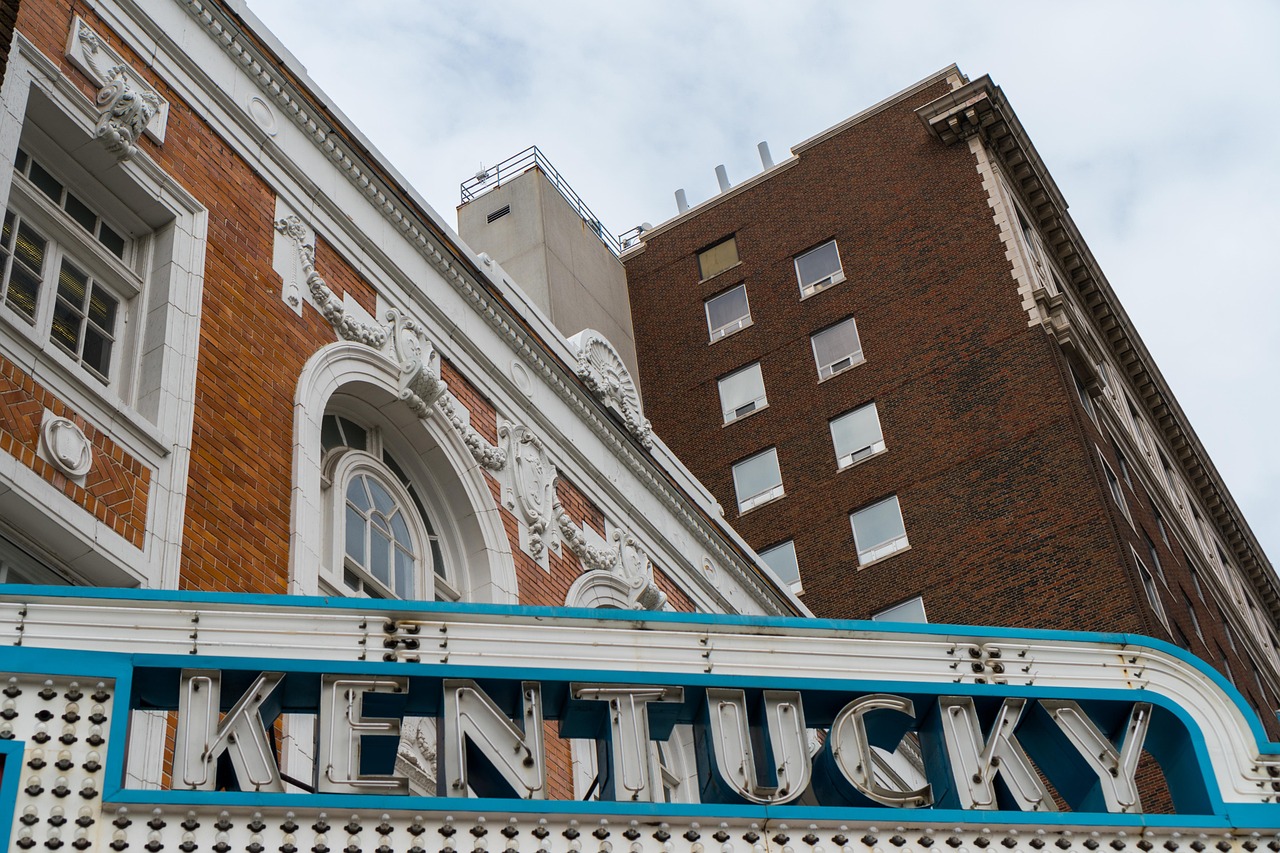
Paducah, Kentucky, deserves far more national attention than it gets. UNESCO designated Paducah a Creative City in Crafts and Folk Art in 2013, and the town has steadily turned that distinction into a real creative identity rather than a branding slogan. Its compact historic core, quilt heritage, and serious maker culture give it the kind of depth that modern travelers notice immediately.
Bisbee, Arizona, is another town that feels on the edge of wider discovery. The city itself describes Bisbee today as an artist’s community built on preserved architectural and historic heritage, and Visit Arizona frames it as a place where the arts scene kept the town alive after the mining era faded. The result is a hillside destination with real visual drama, old hotels, stair-stepped streets, and enough galleries and character-filled storefronts to fill a long weekend.
Silver City, New Mexico, rounds out this category with a downtown that punches above its weight. Local tourism officials highlight its historic district, arts venues, and festival calendar, while the town’s MainStreet effort has spent decades tying preservation to revitalization. It is the sort of place where travelers come for the Gila region and stay for the murals, galleries, old brick storefronts, and the quiet confidence of a town that knows exactly what it is.
River towns and waterfront places getting a second look
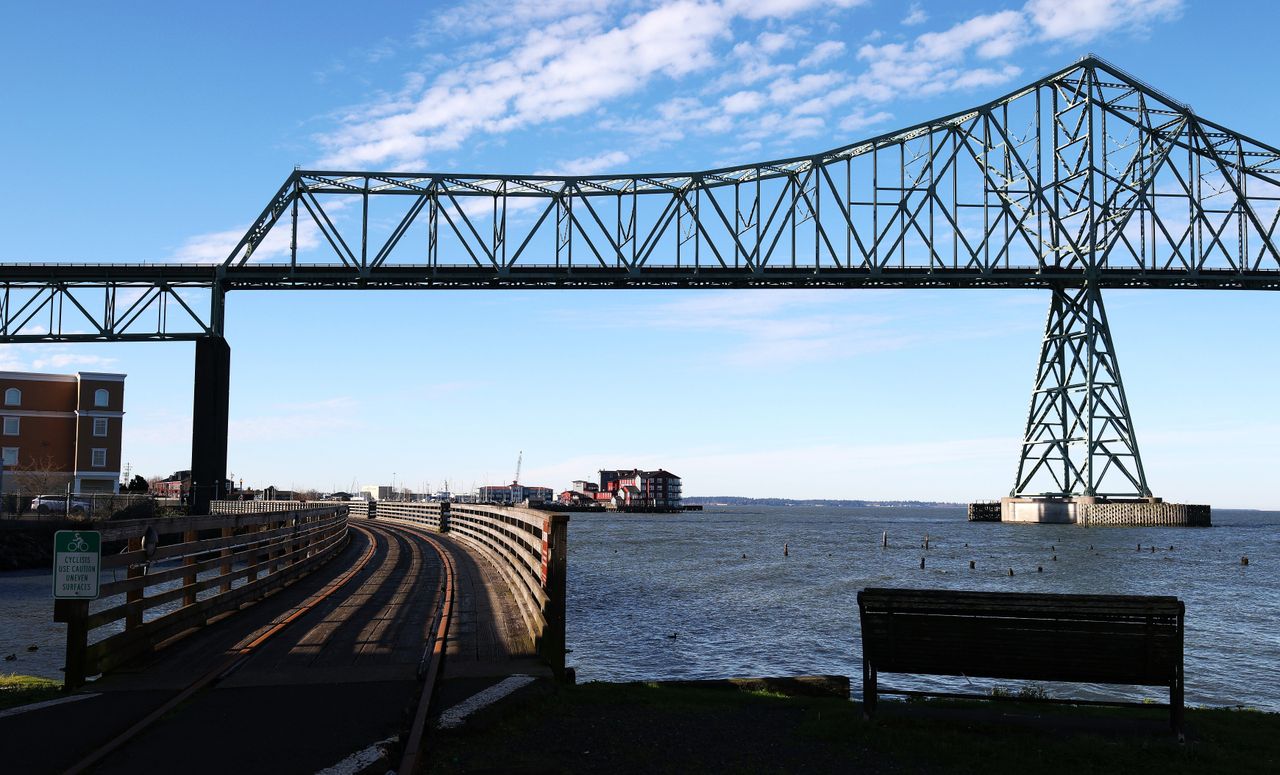
Astoria, Oregon, has long had the ingredients of a breakout destination, but it still feels less saturated than many Pacific Northwest favorites. Its riverfront setting at the mouth of the Columbia gives it scale and drama, while the Columbia River Maritime Museum remains one of the town’s signature anchors. Travel Oregon has continued to spotlight Astoria’s maritime culture, and the city’s mix of working-port grit, heritage architecture, and contemporary food and beer keeps getting stronger.
La Crosse, Wisconsin, is another place that rewards travelers who think beyond obvious Midwest stops. Downtown La Crosse emphasizes its location along the Mississippi River and a vibrant business district, and the city’s riverfront, trails, and historic core make that easy to believe. It has the infrastructure of a larger destination without the usual big-city hassle, which is exactly why it feels underrated rather than undiscovered.
Old Orchard Beach, Maine, may not sound hidden, but it is still underestimated outside the Northeast. The town has about 9,000 year-round residents, yet summer population can swell to roughly 75,000, according to the town’s tourism materials. What makes it interesting for 2026 is not novelty but timing: travelers looking for classic American beach-town energy may rediscover places like this as alternatives to pricier, more curated coastal escapes.
Mountain and outdoors towns that still feel personal
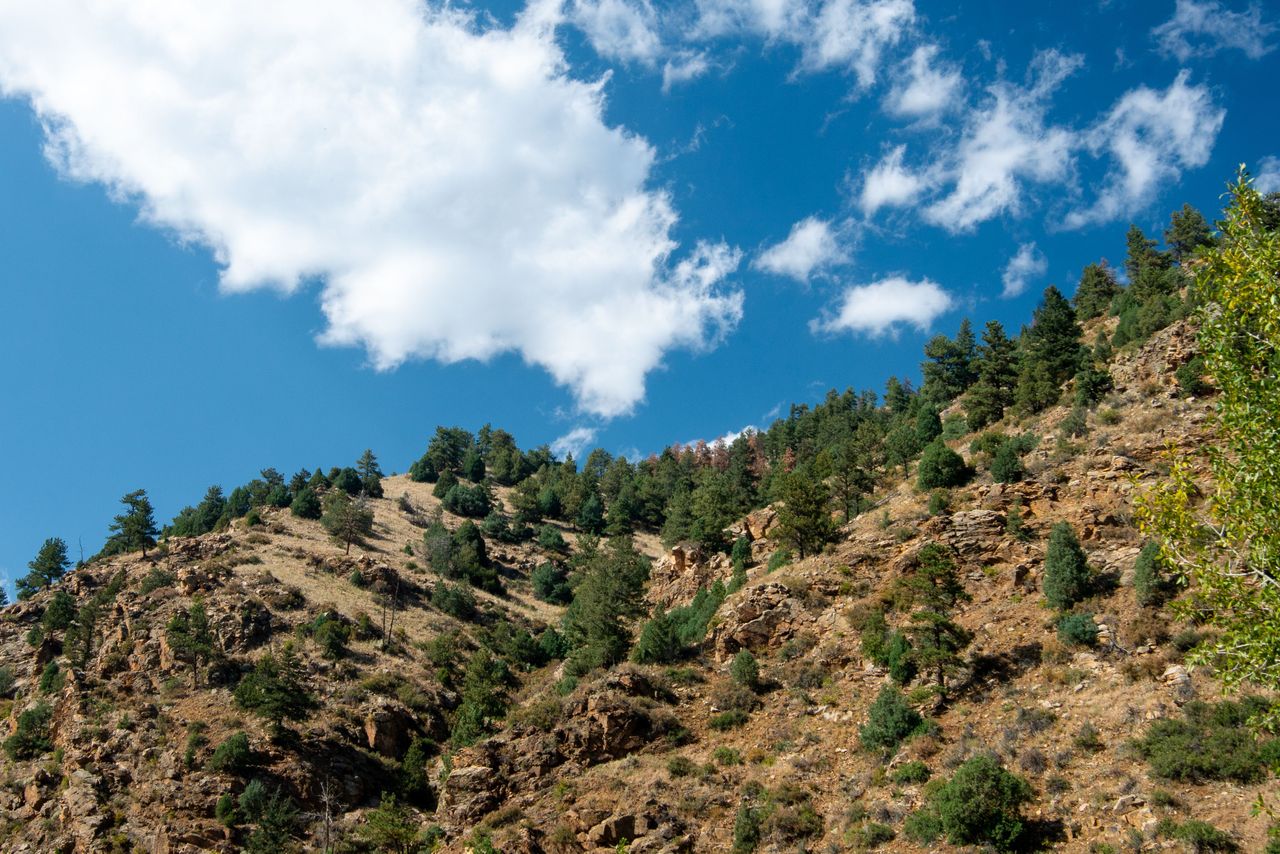
Golden, Colorado, is often overshadowed by the marquee mountain names farther west, but that is precisely its advantage. The town’s tourism bureau calls it the closest “mountain town” to Denver, with a walkable downtown, creekside dining, museums, and access to classic Colorado recreation. For travelers who want the mountain-town mood without committing to a full resort itinerary, Golden is remarkably efficient.
Silverton, Colorado, offers a more rugged version of that appeal. The town sits at 9,318 feet, has a year-round population of about 701, and pairs a highly walkable historic downtown with big public-land access. Local officials increasingly describe Silverton as both a preserved mining town and an evolving outdoor hub, the kind of place where growth feels real but not yet overprocessed.
Thomas, West Virginia, may be the most quietly compelling town on this list. With a population of around 600, it has built an identity around arts, music, and outdoor adventure, while nearby draws such as Blackwater Falls strengthen its pull. The Purple Fiddle has become one of the town’s best-known cultural calling cards, and Thomas now occupies a sweet spot many towns chase for years: authentic, active, and still just under the national radar.
How to visit before the crowds catch up

The best way to experience these towns is to resist the checklist mentality that ruins bigger destinations. Book two or three nights, walk the historic center early, and build your days around one anchor activity and one spontaneous one. In Paducah that may mean studio-hopping and a long dinner; in Astoria, museum time and a waterfront ramble; in Silverton, a scenic drive followed by a slow evening on main street.
Timing matters. Shoulder seasons are where underrated towns often show their best selves: better restaurant access, easier lodging, and more genuine contact with local life. That is especially true in places like Bisbee, Thomas, and La Crosse, where the appeal lies as much in atmosphere as in headline attractions.
Most important, go with the right expectation. These towns are not trying to imitate Austin, Asheville, or Jackson. Their value is that they still feel proportionate to themselves. In a travel economy obsessed with the next big thing, that may be the strongest reason to visit now, before everyone else decides the same thing in 2026.