
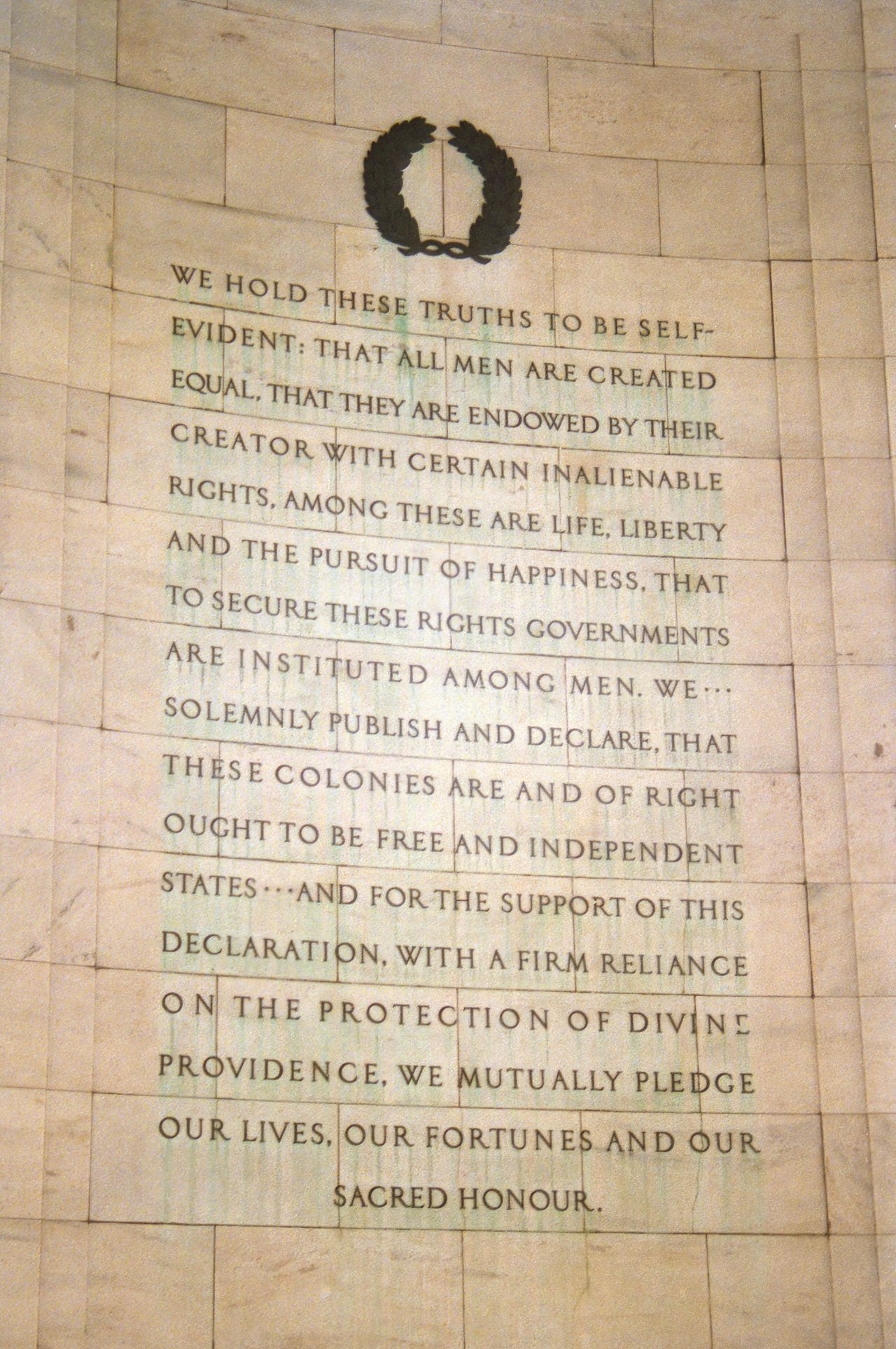
America is nearing a milestone few nations ever reach. On July 4, 2026, the United States will mark 250 years since the Declaration of Independence was adopted, and the anniversary is already shaping public reflection across the country.
But the familiar painting of founders gathered in serene agreement hides a far more complicated truth. The Declaration was not born in a single moment of unity. It was argued over, revised under pressure, printed in haste, and signed later than most Americans realize.
The declaration was a process, not a single day

The most persistent myth about the Declaration is that everything happened on July 4, 1776. In fact, according to the National Archives, the Continental Congress voted for independence on July 2, then spent July 3 and most of July 4 revising the text before formally adopting it that afternoon. That distinction matters because it shows the Declaration was both a legal break and a carefully staged political message.
Congress had already moved toward this moment in June. On June 10, it appointed the Committee of Five: Thomas Jefferson, John Adams, Benjamin Franklin, Roger Sherman, and Robert R. Livingston. Jefferson drafted the text between June 11 and June 28, with Adams and Franklin suggesting changes before Congress took up the document in earnest, according to the National Archives. The Declaration, then, was never the work of one pen alone, even if Jefferson’s voice dominates its language.
The document Americans picture today was not the version rushed into public view first. The Library of Congress says printer John Dunlap produced the first printed copies on the night of July 4, and they were distributed on July 5 to assemblies, committees of safety, and military commanders. Those early broadsides were not signed by all the delegates. They carried John Hancock’s name in type, along with secretary Charles Thomson, which means the iconic image of a fully signed Declaration on Independence Day is historically wrong.
Even the famous parchment copy came later. The National Archives records that Congress ordered the text engrossed on July 19, and delegates began signing that parchment on August 2, 1776, with some signatures added afterward. In other words, the Declaration was a sequence of decisions, edits, printings, and performances. That makes it less tidy than the national legend, but far more revealing about how revolutions actually work.
The most important parts were the ones Americans now overlook

Modern readers often focus on one soaring sentence about equality and rights, but in 1776 the heart of the Declaration was also its long bill of indictment. The National Constitution Center notes that the document contains 27 grievances against King George III, and for many contemporaries that detailed case against British rule was essential. The Declaration was not only philosophy. It was prosecution.
That legal structure helps explain why the text still feels so deliberate. It opens by asserting a people’s right to dissolve political bonds, then grounds that claim in natural rights, then presents evidence of abuse, and finally announces separation. The framers were writing for multiple audiences at once: skeptical colonists, foreign governments, British readers, and future generations. They wanted the break with Britain to look principled, necessary, and justified under the political ideas of the age.
What is often left out of patriotic retellings is that Congress softened and removed major passages before approval. The Library of Congress preserves evidence that a paragraph condemning the slave trade was deleted during debate on July 3 and 4. Jefferson later wrote that the passage was struck in part to satisfy South Carolina and Georgia, while some northern interests were also uneasy. That deletion exposes one of the sharpest contradictions at the nation’s founding: a declaration of universal equality emerging alongside political accommodation with slavery.
The final text, then, was not simply an expression of ideals. It was a compromise document shaped by coalition politics. Its brilliance lies partly in its language, but its limits are just as historically important. The Declaration announced a revolutionary principle powerful enough to outgrow the intentions of some of its authors, which is why later abolitionists, suffragists, and civil rights leaders repeatedly returned to it as both promise and challenge.
Why the 250th anniversary is about more than commemoration
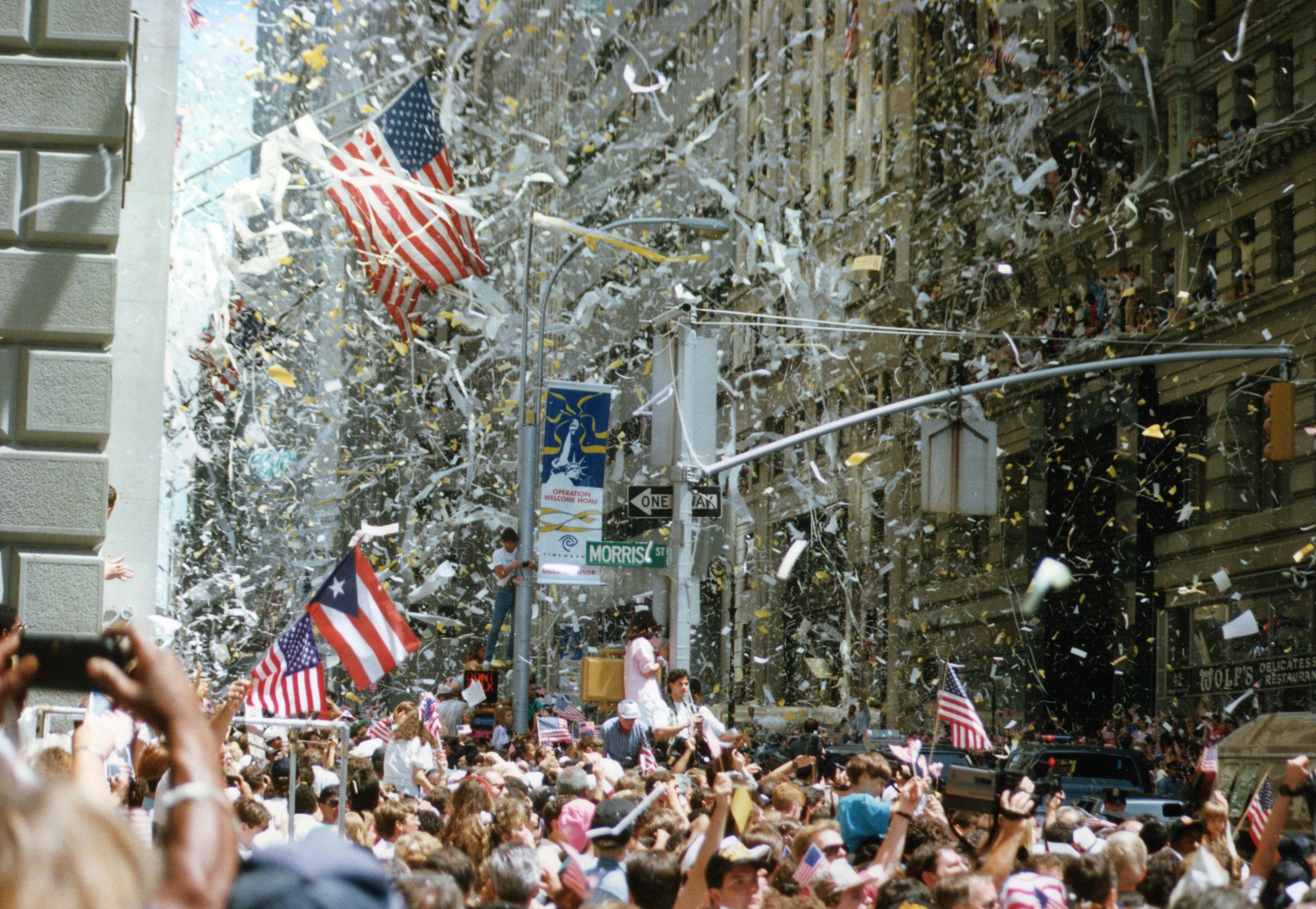
The approach to the semiquincentennial has turned the Declaration back into a living civic text. America250, the congressionally established national initiative for the anniversary, describes the effort as a multi-year campaign running through July 4, 2026, with national events planned in cities including New York, Philadelphia, and Los Angeles. The organization says the goal is not simply ceremony, but broad public participation in reflecting on the nation’s past and future.
That framing is telling. A 250th anniversary arrives at a time when Americans are still arguing over who the founders were, what equality means, and how national memory should work. The Declaration remains central because it is both inspiring and unfinished. Its opening claims still define the country’s moral vocabulary, yet its omissions and compromises remain impossible to ignore. Serious history does not weaken the document by admitting this tension. It makes the Declaration more honest and more useful.
The physical document itself also reinforces that point. The engrossed parchment preserved by the National Archives is faded from time, light, and repeated display, a reminder that national symbols are not self-sustaining. They survive because each generation decides whether to preserve, reinterpret, or challenge them. The Declaration has endured not because it settled every question in 1776, but because it left Americans arguing over liberty, rights, and belonging ever since.
As America turns 250 on July 4, 2026, the Declaration of Independence should be read less as a marble monument and more as an unfinished argument. It was drafted by committee, revised by conflict, narrowed by compromise, and enlarged by history. That is the untold story behind the nation’s founding text, and it may be the most American part of all.