
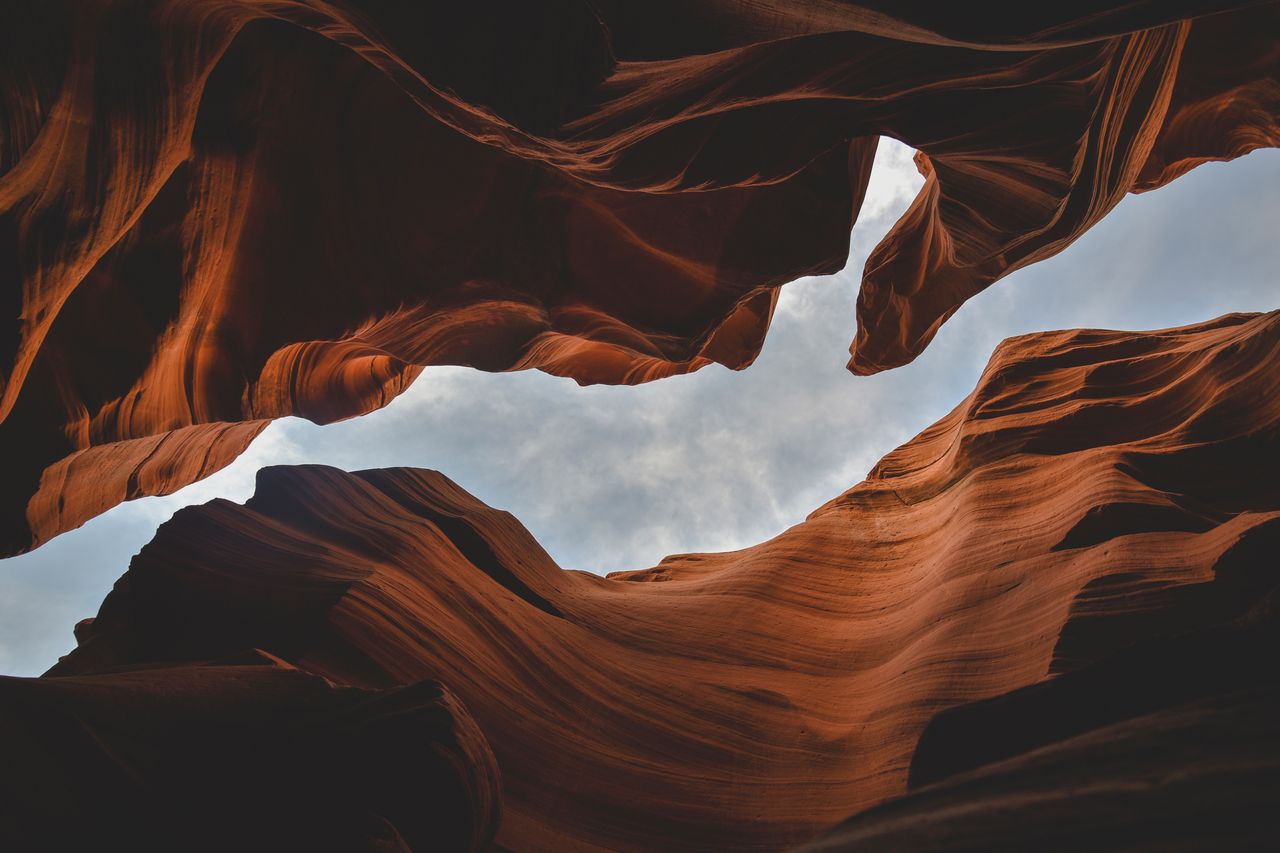
Some places do more than impress you. They recalibrate your sense of scale.
Across the United States, a handful of natural wonders deliver the same kind of awe travelers cross oceans to find, and in several cases, they define the global standard rather than merely matching it.
Landscapes So Vast They Rewrite Perspective

The Grand Canyon remains the clearest example of American enormity turned into art. According to the National Park Service, the canyon spans roughly 10 to 16 miles across in many places, while its walls plunge about 5,000 feet from rim to river. Those numbers matter because they explain why first-time visitors often struggle to photograph it accurately: the eye can register depth and layered geologic time better than a lens can. It is not simply a big hole in the ground, but one of the planet’s most legible records of erosion, uplift, and ancient rock.
Yosemite belongs in the same elite company, though it works by vertical drama rather than horizontal immensity. The National Park Service notes that Yosemite’s iconic terrain was shaped by granite formation and glacial sculpting, creating U-shaped valleys, rounded domes, hanging waterfalls, and some of the world’s most recognizable cliffs. Yosemite Falls drops 2,425 feet, making it one of North America’s tallest waterfalls, while El Capitan and Half Dome have become reference points for grandeur in mountain scenery. This is the rare landscape that feels both engineered and impossible.
Denali offers a different kind of supremacy: raw mass, weather, and exposure. The National Park Service identifies it as North America’s tallest mountain at 20,310 feet, but the more revealing measure is how abruptly it rises from surrounding terrain. That vertical relief gives Denali an outsized presence compared with many higher peaks elsewhere on Earth. Add in grizzlies, caribou, moose, wolves, and immense roadless space, and the result is a wilderness that feels less like a scenic destination than a functioning northern continent in miniature.
Places Where Earth Still Feels Actively Alive

Yellowstone is not merely famous; it is geologically singular. The U.S. Geological Survey and the National Park Service report that the park contains more than 10,000 thermal features, including more than 500 geysers, roughly half of the world’s geysers and the largest concentration anywhere. That concentration is what elevates Yellowstone from beautiful to globally unmatched. Its steaming ground, mineral pools, mudpots, and eruptions are surface expressions of heat and water moving through rock above a deep magmatic system.
Hawaiʻi Volcanoes National Park delivers a related but more visceral form of planetary power. The park stretches from sea level to 13,681 feet and encompasses Kīlauea and Mauna Loa, two of the world’s most active volcanoes, according to the National Park Service. Mauna Loa is also identified by the USGS as the largest active volcano on Earth, rising more than 13,100 feet above sea level and over 30,000 feet from the seafloor. Few landscapes let visitors witness land-building processes so directly, with fresh lava, stark volcanic deserts, and cultural traditions that treat the terrain as sacred rather than merely scenic.
Bryce Canyon earns its place not through size, but through concentration and eccentricity. The National Park Service describes Bryce Amphitheater as home to the greatest concentration of hoodoos on Earth, those thin, irregular rock spires shaped by frost wedging, precipitation, and time. What makes Bryce world-class is that it turns erosion into architecture. At sunrise and sunset, the orange, pink, and cream stone seems less like a canyon than a city of weathered towers, each one temporary on a geologic clock yet unforgettable on a human one.
Living Systems as Astonishing as Any Monument
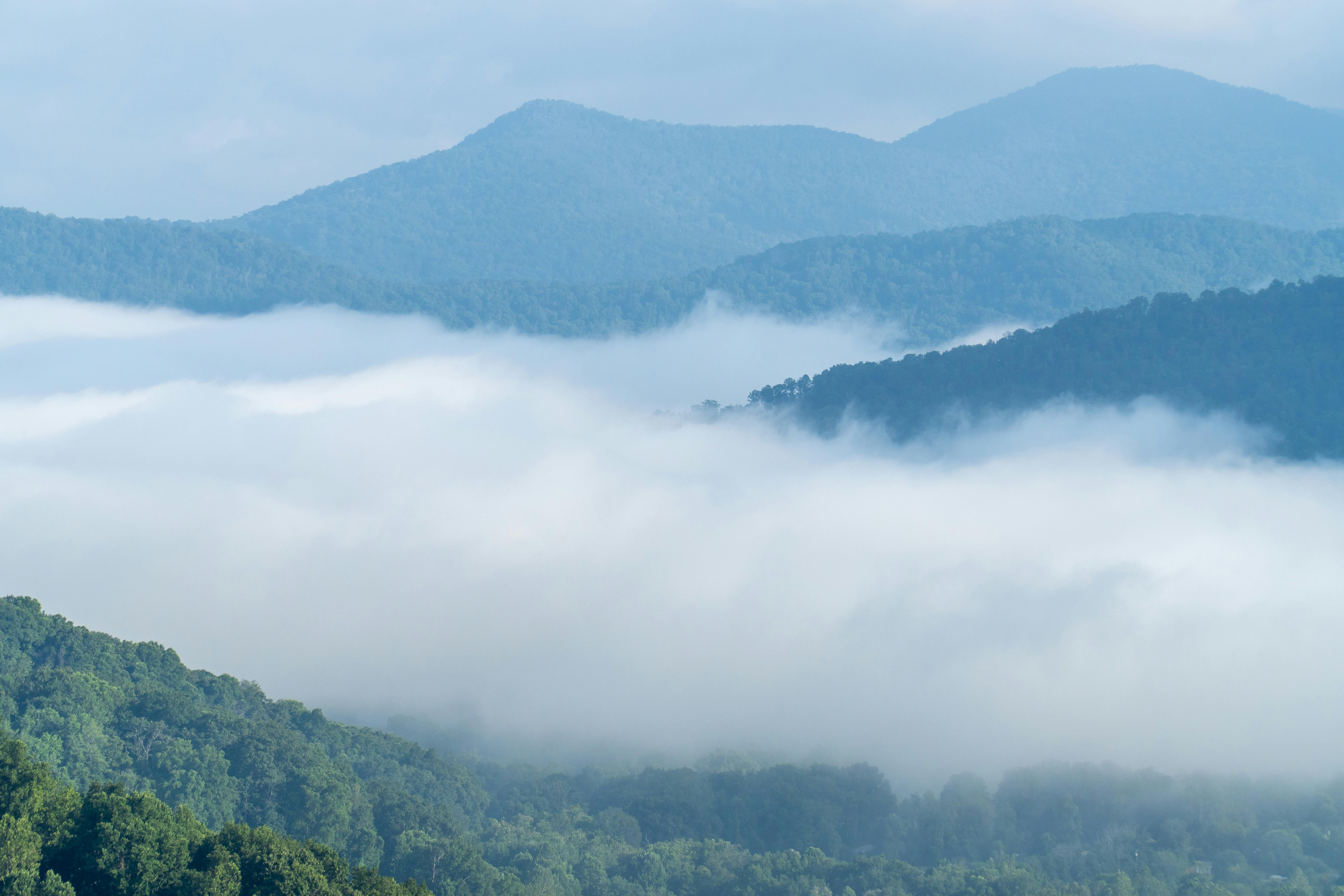
Not every wonder depends on cliffs or fire. The Great Smoky Mountains rank among the most biologically rich landscapes in the country, and the National Park Service calls them the most biodiverse park in the national park system. The park is home to nearly 100 native tree species, more than any other North American national park, and about 25 percent of it is old-growth forest. That blend of elevation, rainfall, and deep-time ecological refuge has created a temperate mountain world whose richness rivals tropical destinations more often associated with biodiversity.
The Everglades make their case through scale of ecology rather than scenic theatrics. The National Park Service says Everglades National Park preserves the largest subtropical wilderness in the nation, along with the largest continuous mangrove ecosystem in the western hemisphere. It also supports more than 400 bird species and serves as one of North America’s most important breeding and migration landscapes for wading birds. To travel through the Everglades is to see how water, grass, estuaries, and light can produce a wonder every bit as extraordinary as stone.
Then there are the redwoods, which redefine what a forest can be. The National Park Service states that coast redwoods are the world’s tallest trees, with some rising more than 350 feet and living up to 2,000 years. Their height alone would be enough to justify global reverence, but the surrounding ecosystem is just as compelling: fog, fern-covered understories, salmon streams, and wildlife adapted to a vertical world. America’s greatest natural wonders endure because they are not copies of famous places elsewhere. In many cases, they are the benchmark by which the rest of the world is measured.