
Controversy is one of the fastest ways for a brand to dominate the conversation. It is also one of the fastest ways to destroy years of trust.
What separates a costly backlash from a noisy but profitable storm is not controversy alone. It is the mix of audience fit, brand equity, authenticity, timing, and how clearly a company understands who it is willing to disappoint.
Controversy is not the same thing as damage

A brand scandal only hurts sales when it collides with the core reasons people buy the product in the first place. Consumers do not punish every company equally, and they do not respond to every controversy with the same intensity. In many cases, outrage is loud but shallow, especially when it comes from people who were never likely customers to begin with. That is why two companies can face similar cultural criticism and emerge with very different commercial outcomes.
Research helps explain the gap. Edelman’s 2024 work on trust and brand politics found that trust dramatically shapes whether consumers purchase, stay loyal, or advocate for a brand. In its cross-market data, people were far more likely to buy from, remain loyal to, and recommend brands they fully trusted than brands they did not. That means controversy lands on top of an existing balance sheet of trust. If a company already has strong emotional credibility, some consumers will give it room to stumble or even rally to its side when critics attack.
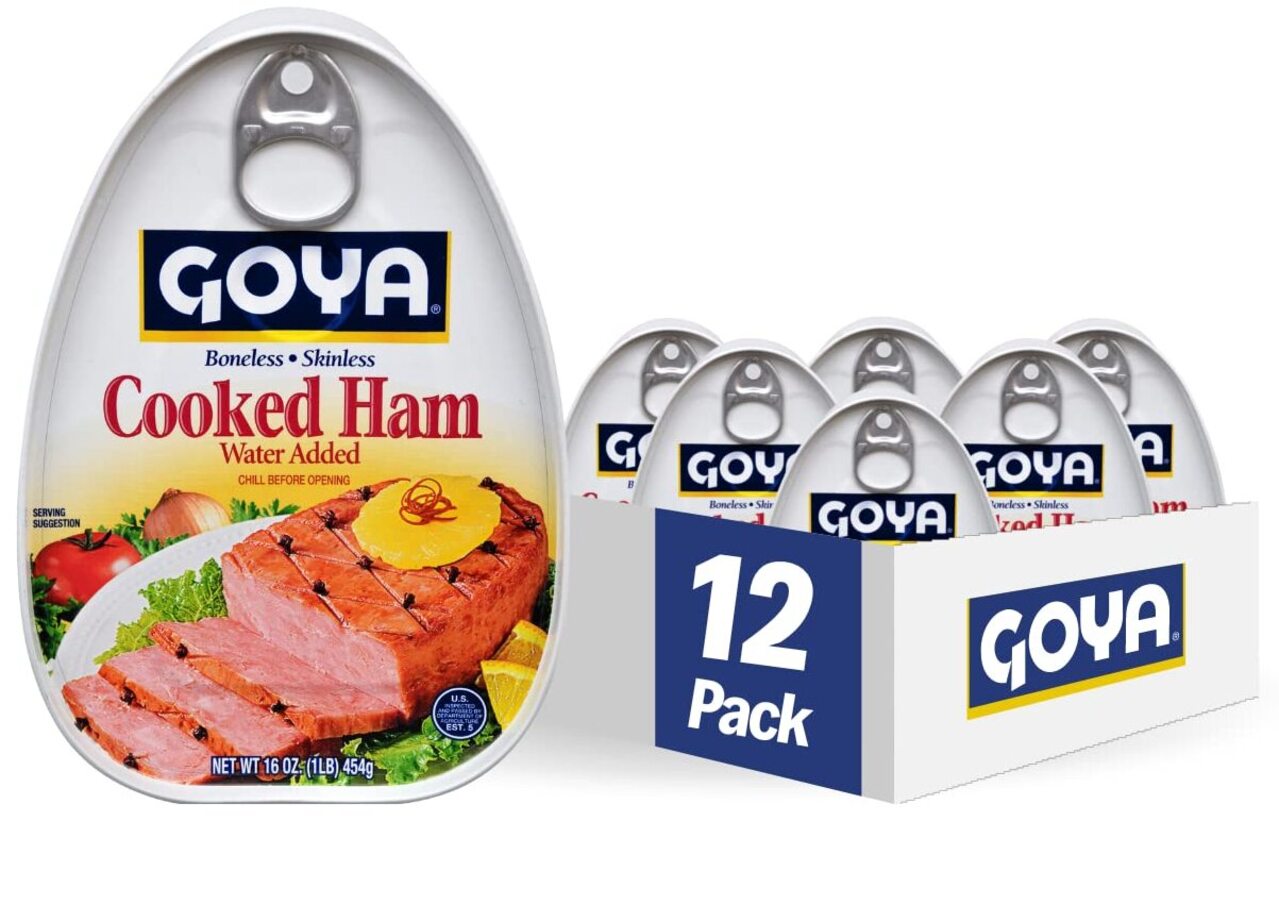
That dynamic is especially visible in boycotts. According to reporting by AP, Northwestern marketing professor Anna Tuchman found that Goya’s 2020 political controversy triggered not just calls for a boycott but also a counterreaction from supportive buyers. Sales increased in the short run because first-time customers from heavily Republican areas bought the brand, though the bump faded after about three weeks. The lesson is crucial: controversy can create attention and even sales, but not all sales spikes are durable.
The opposite pattern appears when outrage attacks a brand’s broad, middle-market appeal. Bud Light became the clearest recent example. AP reported in February 2025 that the brand’s sales plunged after its 2023 partnership with Dylan Mulvaney and still had not fully recovered. A controversy can therefore be survivable when it energizes a brand’s natural base, but devastating when it fractures a mass audience that values familiarity, low drama, and social comfort more than identity signaling.
The audience decides whether outrage becomes a boycott or a buycott

The most important question in any brand controversy is not “What does the internet think?” It is “What do our actual customers think, and how intensely do they think it?” Social media often creates the illusion of universal backlash, but purchasing power is concentrated in specific groups, channels, and routines. If the people making the most noise are not the people filling carts, ordering drinks, or choosing the household staple every week, the commercial effect may be limited.
That is one reason some controversies generate what researchers call a buycott, where support purchases offset or temporarily exceed boycott losses. Goya showed this pattern. The buycott worked because the issue aligned with a politically motivated audience ready to turn consumption into a statement. But it did not permanently remake the customer base, which is why the lift faded. Attention alone is not enough; it must attract repeat buyers, not just symbolic ones.
Nike’s 2018 Colin Kaepernick campaign remains one of the most cited cases of a brand accurately reading its audience. Reuters reporting on market data found Nike sold out 61% more merchandise after the ad appeared, while other widely cited tracking showed a sharp jump in online sales in the immediate aftermath. The campaign angered some consumers, but Nike was not trying to preserve universal approval. It was leaning into a younger, more urban, more globally minded customer base that already associated the brand with boldness and athlete activism. In that context, controversy reinforced the brand rather than confusing it.
Food and beverage brands face a harder version of this challenge because their audiences are often broader and more habitual. A pantry brand, beer label, or fast-food chain typically depends on routine purchases from a politically mixed public. That makes audience fragmentation more dangerous. A fashion brand can survive by becoming more tribal if the tribe is affluent and loyal. A mass grocery or beverage brand usually has less room to choose sides without risking shelf velocity, distributor confidence, and everyday convenience-driven purchases.
The practical implication is simple but uncomfortable: leaders must know whether their brand is built for intensity or for breadth. A niche brand can often withstand controversy better than a household staple because it wins through identity. A staple wins through easy consensus. When consensus breaks, the sales impact can arrive quickly.
Trust, authenticity, and brand fit matter more than the headline
Consumers can forgive a brand for taking a stand they disagree with more readily than they forgive a brand that seems fake, confused, or opportunistic. That distinction matters. A company does not need unanimous applause to survive controversy, but it does need coherence. People want to see a believable link between the brand’s values, its history, its products, and its response.
Academic research on brand activism points in the same direction. A study published on ScienceDirect found that disagreement with a brand’s moral stand tends to hurt brand attitudes and behavioral intentions, but the effects are not symmetrical. Supporters may become somewhat more favorable when backlash erupts, while opponents can turn sharply negative. In other words, controversy often intensifies polarization rather than creating a neat average effect. Brands that understand this enter the fight knowing they are trading reach for resonance.
Recent social research shows consumers are increasingly sensitive to performance without substance. Sprout Social’s 2025 Index found authenticity and relatability rank among the traits consumers value most from brands, while roughly one-third say trend-jumping by brands is embarrassing. That is highly relevant in a controversy cycle. If a company appears to be chasing attention, mimicking social language it has not earned, or improvising values for applause, audiences punish the mismatch. Buzz then becomes mockery, not momentum.
Kantar’s work on inclusion adds another layer. The company reported that inclusive advertising can produce a significant sales uplift, with preliminary research cited alongside the Unstereotype Alliance and Oxford University’s Saïd Business School showing more progressive, inclusive creative outperforming less progressive work by more than 16% on sales outcomes. But that should not be misread as a universal formula for activism. Inclusive messaging works best when it is executed skillfully and is embedded in the brand rather than deployed as a one-off gesture during a cultural flashpoint.
This is why the same issue can reward one company and damage another. If the move feels native to the brand, customers read conviction. If it feels bolted on, they read manipulation. Consumers are often less offended by a clear point of view than by a transparent attempt to borrow one.
The response strategy can deepen the wound or contain it

How a company handles the first 72 hours after a controversy often determines whether the story hardens into a sales problem. Speed matters, but clarity matters more. Brands get into greater trouble when they panic, issue half-apologies, or try to satisfy opposing camps with language so vague that everyone feels abandoned. A weak response can transform a manageable flare-up into a longer trust crisis.
Bud Light’s post-backlash difficulties became a case study in this problem. Analysts and news coverage repeatedly pointed to consumer confusion over what the brand actually stood for after the company attempted to lower the temperature. Instead of projecting confidence to supporters or reassurance to traditional drinkers, the brand appeared caught between identities. Axios reporting in 2023 highlighted criticism that the company seemed unwilling to take a clear stand, and that ambiguity mattered because Bud Light’s core proposition had always been broad social ease. Once that ease was disrupted, uncertainty itself became part of the damage.
By contrast, brands that weather controversy better usually do three things well. First, they identify the real stakeholder hierarchy: core consumers, retailers, employees, partners, and investors. Second, they speak in plain language that matches prior behavior. Third, they keep operating instead of acting as though the internet is the entire market. Not every online uproar requires a maximal response. Sometimes the most effective move is limited acknowledgment paired with consistent execution in stores, on shelves, and in customer service.
Trust data reinforces the importance of response quality. Edelman’s broader trust findings show business remains more trusted than many other institutions to introduce innovation and navigate change, but that trust is conditional. When companies appear evasive or politically clumsy, they burn the very advantage that allows them to survive tough moments. Trust is not simply a reputation score; it is a form of commercial resilience.
There is also a practical retail angle. Grocery, beverage, and household brands do not live only in headlines. They live in repeat purchase, physical availability, pricing, and habit. If controversy disrupts any of those, through retailer caution, distributor pressure, shelf resets, or consumer substitution, the effect can outlast the news cycle. A better crisis response therefore protects not just image, but the mechanics of distribution and repeat demand.
The brands that benefit from controversy know the trade they are making
The most successful controversial brands are not lucky. They are deliberate about the exchange. They understand that controversy can increase attention, sharpen identity, and energize loyalists, but only if the company is prepared to lose some people in order to matter more to others. The strategic question is not whether a brand can “win the internet.” It is whether the controversy strengthens the economics of its chosen audience.
That is why blanket advice about “staying out of politics” or “being brave” is too simplistic. Some brands should absolutely avoid hot-button cultural positioning because their business depends on broad trust, low friction, and cross-demographic appeal. Others can lean into sharper values because they compete on symbolism, community, and emotional affinity. A premium coffee chain, athletic label, snack startup, or direct-to-consumer food brand may have more room for identity-driven controversy than a legacy light beer or center-aisle pantry staple built on ubiquity.
Executives also need to distinguish between temporary buzz and durable brand building. Goya’s controversy produced a short-lived commercial bump, but the effect did not fundamentally change long-term demand. Nike’s Kaepernick campaign, by contrast, aligned with a larger strategic arc and helped reinforce what the brand already represented to priority consumers. Bud Light suffered because the controversy cut against the stable, mass-market social role the brand had occupied for decades. These cases are different not because one controversy was moral and another political, but because the fit between message, brand, and buyer was different.
For food and drink companies, the stakes are especially high because purchases are frequent, low-margin, and habit-based. The brands most exposed are those that mistake visibility for strength. Being talked about is not the same as being chosen at the shelf. If controversy makes the product feel riskier, less familiar, or socially awkward, sales can fall fast. If it makes the brand feel more meaningful to the right consumers without disrupting the buying habit, the noise can work like free advertising.
In the end, controversy helps brands that already know who they are. It hurts the ones that discover, too late, that fame and fit are not the same thing.