
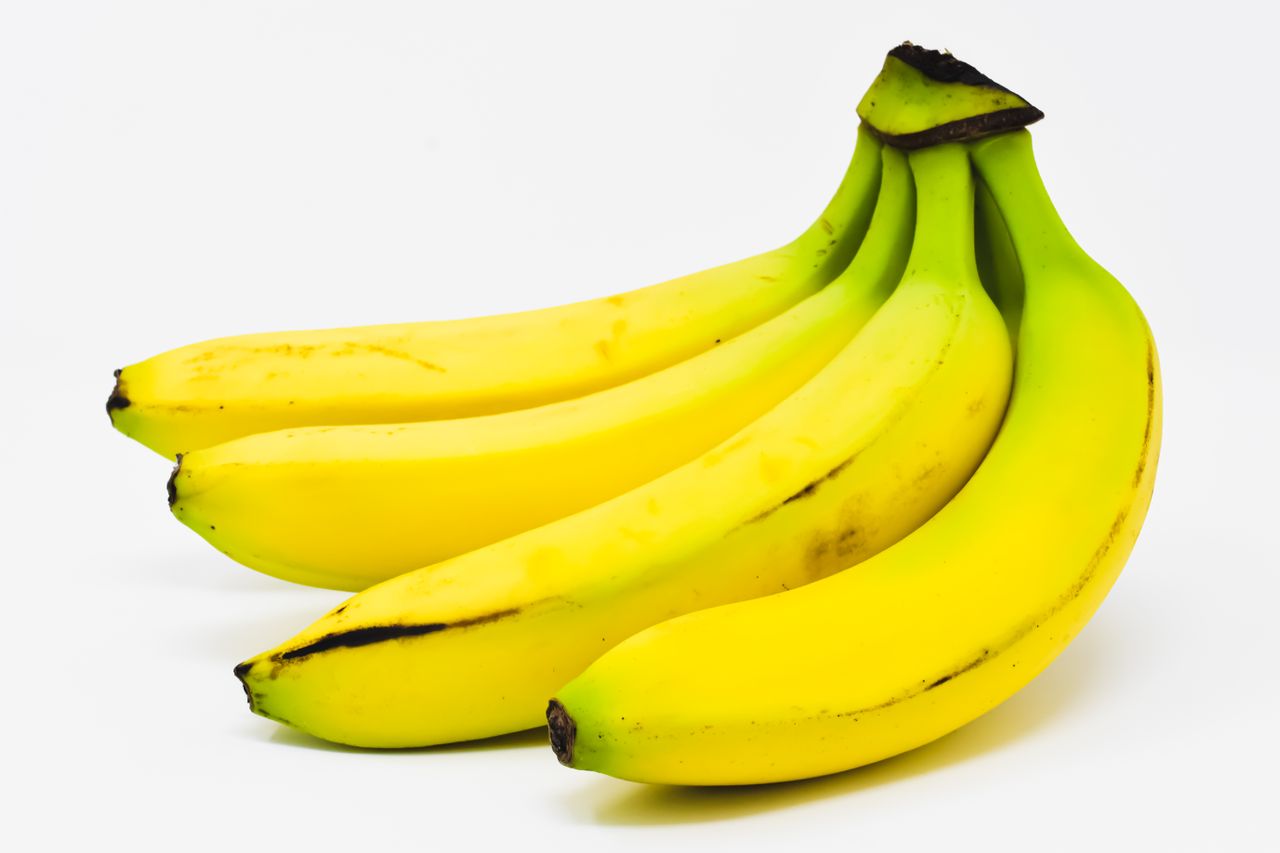
Bananas look like one of the safest fruits in the kitchen. After all, you throw the peel away.
But that outer skin still matters. If you never wash your bananas before eating them, the biggest concern is not the peel itself getting eaten, but what the peel can transfer.
The peel is a barrier, not a sterile surface
A banana peel does an excellent job protecting the fruit inside, which is why most people can eat unwashed bananas for years without getting sick. The edible portion is sealed off from direct contact during growing, shipping, stocking, and handling. That makes bananas lower-risk than produce you eat skin and all, such as berries, lettuce, or apples.
Still, food safety agencies do not treat peels as automatically clean. The FDA advises rinsing produce before you peel it so dirt and bacteria are not transferred from the knife onto the fruit or vegetable. FoodSafety.gov gives similar advice, saying produce should be rinsed before peeling or cutting away damaged areas. According to the FDA, fresh produce can pick up contamination in the field, during harvest, through wash water, and from repeated human handling along the supply chain.
That matters for bananas because they are touched a lot. Shoppers squeeze bunches for ripeness, store workers restock them, and they travel in boxes and on display tables that are not sterile. The University of Minnesota Extension notes that even produce you plan to peel should be scrubbed or rinsed because surface grime and germs can move inward during preparation.
So if you never wash bananas, the most likely outcome is not dramatic illness. It is simply that you keep accepting a small, avoidable chance of transferring surface contaminants to your hands, countertop, knife, or the fruit itself.
What can transfer from the peel to your food
The main issue is cross-contamination. If you peel a banana with unwashed hands after handling the outside, or slice through the peel for smoothies, fruit salad, or lunch boxes, anything on the surface can hitch a ride. USDA food safety guidance emphasizes that harmful bacteria spread easily from food, utensils, and surfaces when they are not handled properly.
In practical terms, that can mean ordinary dirt, microbes from many hands, or trace residues left from production and transport. The FDA says most microbial contamination on produce is found on the surface, which is why washing can reduce overall risk even if it cannot sterilize the item completely. FDA also notes that washing is a risk-reduction step, not a guarantee that all pathogens are removed.
Pesticide residue is usually not the strongest reason to wash a banana, even though many consumers assume it is. University of Minnesota Extension says pesticide use on produce is tightly regulated by the FDA, USDA, and EPA, and any residue present should be under established safety limits. In other words, the bigger everyday concern is transferable surface contamination, not a hidden toxic coating.
There is also a quality issue. A visibly dusty or sticky peel can soil your fingers and then the fruit. If you pack bananas in lunches, set them on cutting boards, or use the peel as a grip while slicing, an unwashed surface can spread mess as well as microbes.
The low-effort habit experts recommend
The good news is that bananas do not need special treatment. The FDA recommends rinsing fresh produce under plain running water and says there is no need to use soap or commercial produce wash. FoodSafety.gov also warns against harsh cleaners, because produce can absorb substances that are not meant to be eaten.
For bananas, a brief rinse right before eating or preparing is enough. If the peel looks especially dusty, gently rub it under running water with clean hands. Then dry it with a clean cloth or paper towel if you want to reduce lingering surface moisture and remove a bit more residue, another step the FDA says can further reduce bacteria.
This matters most when you are cutting bananas with the peel on, making baby food, preparing fruit for older adults, or serving someone with a weakened immune system. In those situations, small food safety habits matter more because the consequences of contamination can be more serious. The FDA consistently advises prevention first, since it is better to reduce contamination before illness starts.
If you never wash your bananas, you will probably be fine most of the time. But the expert consensus is clear: a quick rinse before peeling is an easy, sensible step that lowers risk without adding real work.