
Microplastics are no longer an abstract environmental problem. They are part of the modern kitchen, and in many cases, they get into food during routine cooking, storage, and cleanup.
That does not mean every plastic item is dangerous on contact. It does mean the combination of heat, scraping, cutting, steeping, and wear can turn common kitchen tools into a steady source of tiny plastic particles at mealtime.
Cutting, Stirring, and Scraping Are Major Release Points
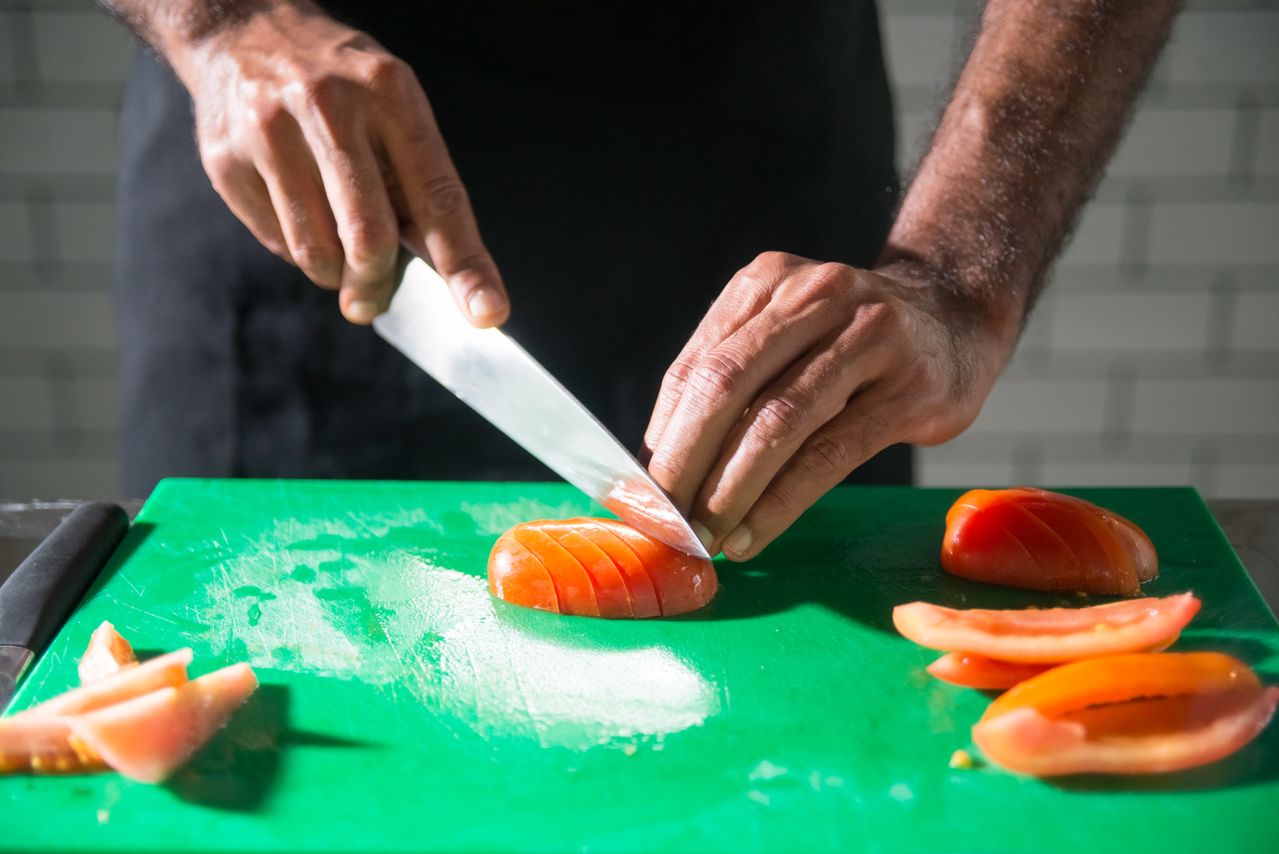
Plastic cutting boards are one of the clearest examples. Researchers reviewing kitchen contamination have found that repeated knife friction can shave microscopic plastic fragments from board surfaces directly onto food, especially when boards are heavily scored or worn. The concern is not theoretical: recent kitchen-focused reviews describe cutting boards as one of the most studied household sources because normal meal prep creates the exact abrasion conditions that release particles.
Black plastic utensils and spatulas bring a second issue. Beyond particle shedding from everyday scraping, some black plastic kitchen tools have drawn scrutiny because recycled electronic waste can introduce problematic additives, including flame retardants, into consumer products. Even when the headline concern is chemical contamination, the wear-and-tear problem remains the same: old, softened, or chipped tools are more likely to degrade into food.
Nonstick cookware can also contribute when coatings are scratched, blistered, or overheated. A damaged nonstick pan does not just lose performance; it can release fragments from its polymer coating into whatever is being sautéed or fried. The practical takeaway is simple: three of the seven biggest kitchen sources are already in the active cooking zone—plastic cutting boards, plastic utensils, and worn nonstick pans—and all get worse as surfaces age and degrade.
Heat Turns Food Contact Items Into a Bigger Exposure Risk
Microwavable plastic containers are often marketed for convenience, but heat changes the equation. Published studies have found that plastic food containers can release microplastics and nanoplastics during microwave use, with higher temperatures accelerating breakdown and migration. One kitchen contamination review reported release rates ranging from hundreds to millions of particles per cm^2 under microwave heating, showing how quickly stress can escalate once hot food meets aging plastic.
Takeout containers and deli tubs deserve similar caution, especially when people reuse them for leftovers. These packages were often designed for short-term food contact, not repeated cycles of hot soup, oily pasta, dishwasher detergent, and microwave reheating. Over time, warping, clouding, and surface fatigue make them more likely to shed particles into sauces, grains, and other foods with lots of contact time.
Tea bags are an overlooked source, but evidence has grown quickly. Recent reviews found that plastic-containing tea bags, including some nylon and polypropylene mesh styles, can release very large numbers of micro- and nanoplastic particles when steeped in near-boiling water. That makes them one of the most direct kitchen-to-cup pathways on this list, because the particles are generated during the brewing process itself.
What You Drink and Store Food In Matters More Than Most People Think
Bottled water may be the most familiar exposure route of all. In early 2024, NIH highlighted research showing that a liter of bottled water contained an average of about 240,000 plastic particles, with roughly 90% classified as nanoplastics. Researchers identified plastics linked not only to the bottle itself, such as PET, but also to filtration materials, underscoring that packaging and processing can both contribute.
Plastic food storage containers round out the list, especially when they are old, scratched, or used with acidic or fatty foods. According to EFSA and WHO, micro- and nanoplastics have been detected across food and drinking water systems, while the full health implications are still being worked out. That uncertainty is exactly why exposure reduction matters: when the science is incomplete, limiting unnecessary contact is a sensible first move.
The good news is that kitchen exposure is one of the few parts of the microplastics story people can actually control. Replacing scarred plastic boards, retiring damaged nonstick pans, avoiding hot food in disposable plastic tubs, choosing loose-leaf tea or paper tea bags without plastic mesh, and relying more on glass, stainless steel, or ceramic for heating and storage can cut down several sources at once. You may not eliminate microplastics from every meal, but you can stop inviting so many of them to the table.