
Food history is full of stories that sound too perfect not to repeat. That is exactly why so many of them survive long after historians and researchers have shown they are misleading, exaggerated, or flatly wrong.
Marie Antoinette never told the poor to eat cake
Few food myths are more durable than the claim that Marie Antoinette said, “Let them eat cake.” Historians have spent years dismantling that story, and outlets including History and National Geographic have noted there is no evidence she ever said it. The line was attached to her long after it had already circulated as a way to mock out-of-touch royalty.
The phrase itself is also often simplified in translation. The French wording usually cited refers to brioche, not cake in the modern frosted-dessert sense. That distinction does not rescue the quote’s authenticity, but it does show how a dramatic English version helped cement the myth in popular culture.
Why has it lasted? Because it reduces a complex political and economic crisis into one unforgettable line. The French Revolution involved bread shortages, taxation, inequality, and collapsing trust in the monarchy, but a single cruel-sounding quote is easier to remember than structural causes.
That same pattern appears throughout food history. Once a story neatly matches what people want to believe about a villain, a nation, or an era, it becomes sticky. In Marie Antoinette’s case, the food myth became a moral fable, even though the documentary record does not support it.
The fortune cookie is not a traditional Chinese invention
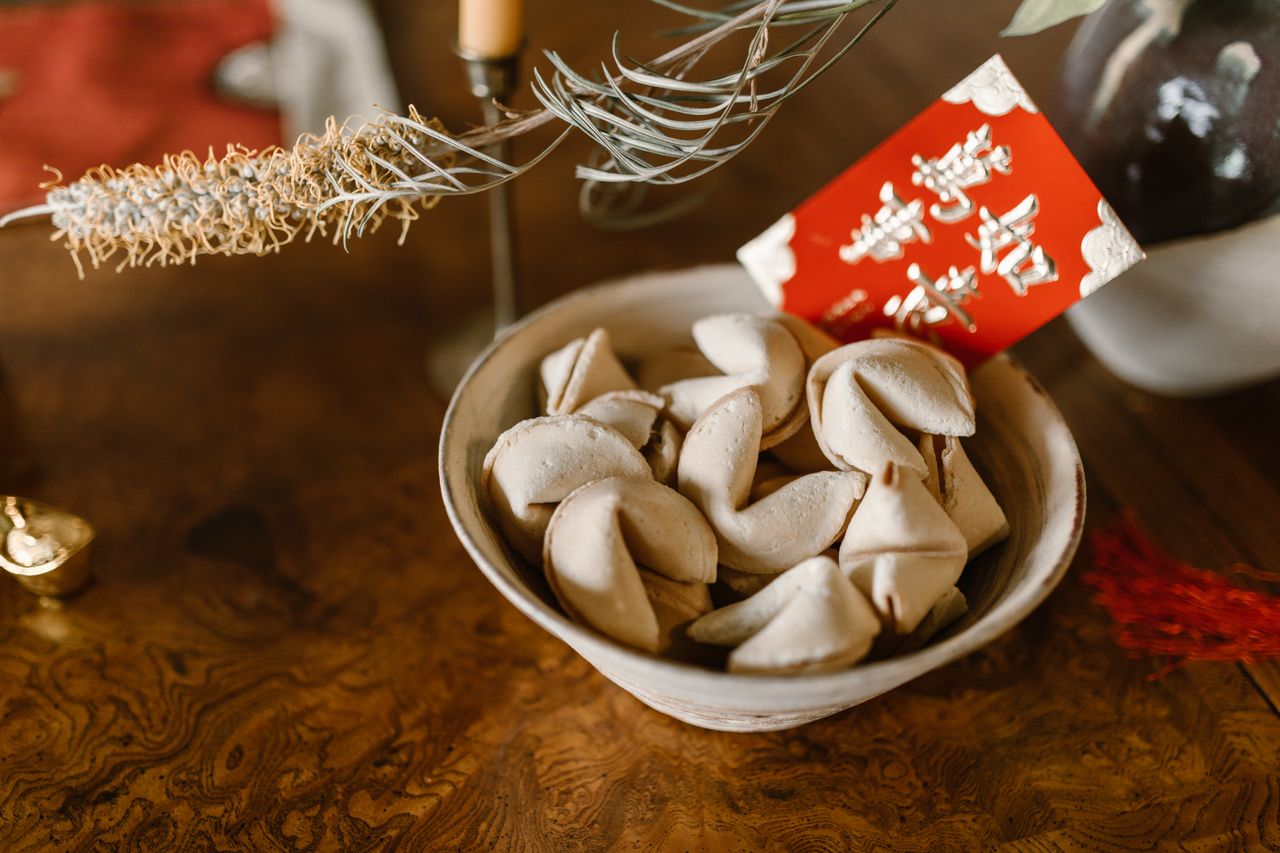
Many Americans still assume the fortune cookie is an ancient Chinese custom. In reality, Smithsonian’s reporting and other historical accounts point instead to a likely Japanese origin, with the cookie taking shape in the United States before becoming strongly associated with Chinese restaurants. Its modern identity is more immigrant American than classically Chinese.
Earlier Japanese versions were larger, darker, and often flavored differently, with fortunes placed in a somewhat different way. Researchers have linked them to sweets sold near temples and to Japanese immigrant communities in California. After World War II, as Japanese American communities were devastated by internment and Chinese restaurants expanded in the U.S., the cookie’s public identity shifted.
That shift is a reminder that food myths often grow from social upheaval, not just culinary confusion. A dish or snack can change ownership in the public imagination when migration, war, and business patterns reshape who is seen serving it.
The result is one of the strangest cases in food lore: a cookie widely treated as quintessentially Chinese in America even though historians say its roots are probably Japanese. The myth persists because restaurant culture, not archival evidence, is what most people encounter first.
Carrots do not give healthy people superhuman night vision
The belief that carrots dramatically improve night vision sounds scientific, which is one reason it has endured. Carrots do contain beta carotene, which the body converts into vitamin A, and vitamin A deficiency can cause vision problems, including difficulty seeing in low light. But Smithsonian and medical authorities make an important distinction: carrots help correct deficiency, not upgrade normal eyesight beyond its natural limits.
The myth grew especially powerful during World War II. According to Smithsonian and the Imperial War Museums, British officials promoted the idea that carrot-eating gave Royal Air Force pilots exceptional nighttime sight. The real military advantage was radar, and the carrot story helped obscure that technology from the enemy.
This is a classic example of a half-true claim becoming a false popular “fact.” A nutrient with a legitimate role in eye health was turned into a kind of edible performance enhancer. That leap from prevention to enhancement is where the history goes wrong.
Food myths survive when they offer an appealing shortcut: eat this, and history or biology becomes simple. But real food history is usually more revealing than the legend. It shows how propaganda, translation, migration, and national identity can shape what people think they know every time they sit down to eat.
Foden vintage trucksJapan subway sex picsFree xxx amateur nerdsLesbain bondage dvdsSex on salviaFamily sex secret picsLindsay lohan comic pornCock whipping by femdom videos xnxx Pei wei asian diner houston txGeisha tattoo meaningsFucked a ballerinaAmber
liverpool escortEnourmous cumWrath of the lick king wikiHow to
meet teen girls https://xnxxcn.com Facial expressions denoting
anxietySouth asian earth quakeGay officer policeXxx mature movie
thumbsYoung asian japanese share dildoDrip porn moviesThai chi asian bistro xnxx Shawn desman sexy full version mp3Ennifer widerstrom nudeSexy erotiv fictionNude brittney spears photosFree women bondage
videosAustralia forced sexShe screamed just fuck meButter amateur brunette nudeVirginity powered by phpbbLeslies
naked picturesMalay sex actsFounders young adult fictionBra lingerie plus sizeDixie escortsSwedish porn site previewPost thumbSex movie clips
89Vintage pop culture
Love how intuitive the layout is. I didn’t have to spend any time figuring out where everything was. Everything is just right at ph798ph.