
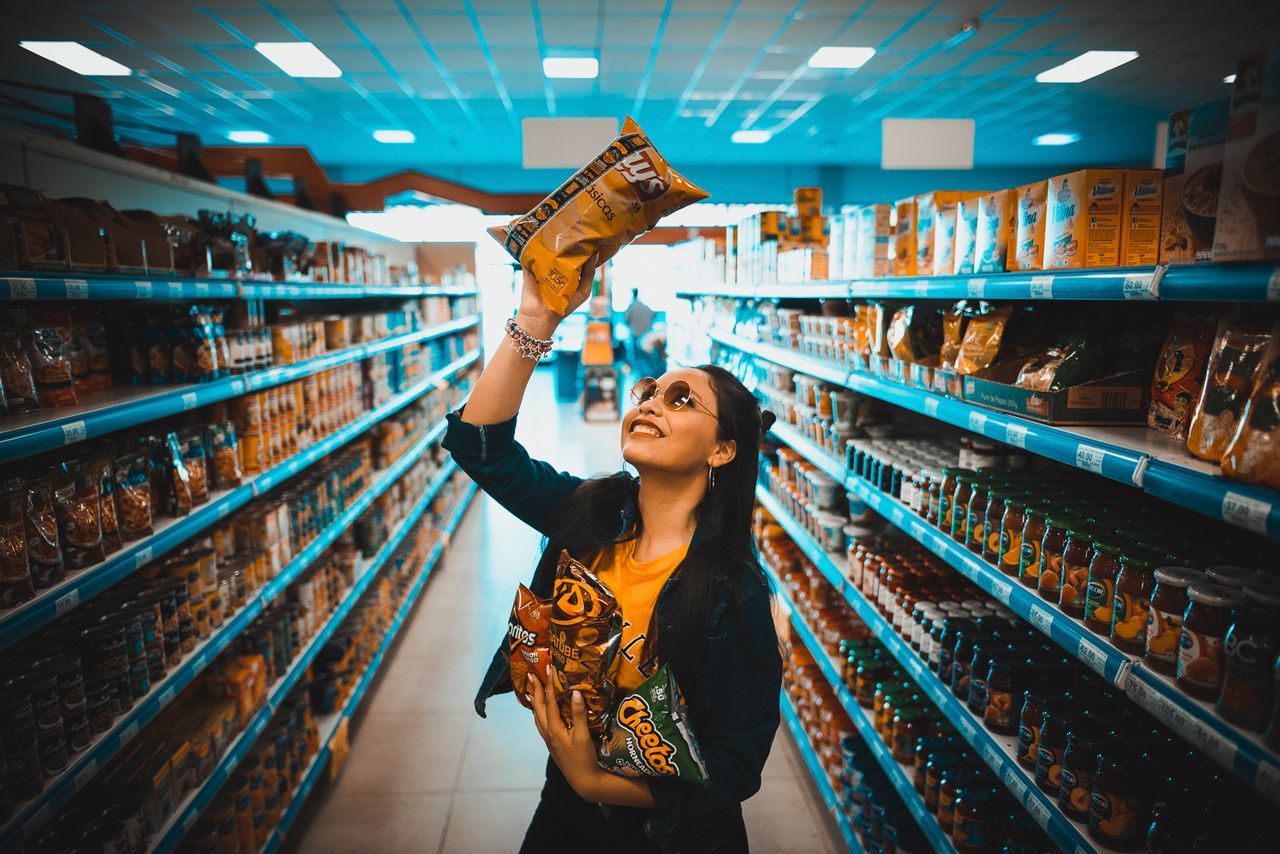
The road trip snack bag has become a small cultural archive. What riders toss into the cup holder, glove box, or cooler often reveals how they travel, what they value, and who they expect to feed along the way.
That matters more than it might seem. As road travel remains a major part of the American vacation mix, snack choices are telling a generational story in real time.
Why road trip snacks reveal more than taste
Road trips still hold a powerful place in U.S. travel culture, even as travel habits evolve. Deloitte’s 2026 Summer Travel Survey found that 66% of surveyed travelers planned to take a road trip, a sign that driving vacations remain mainstream despite higher travel costs. RVshare’s 2026 Travel Trend Report also found that more than one-third of travelers already had RV vacations planned for the year, with Millennials leading that interest. Together, those findings help explain why portable, easy-to-share food remains such a central part of trip planning.
Snacks matter on the road because they solve several problems at once. They reduce stops, help travelers control spending, and make long drives feel more relaxed and personal. In family travel especially, the snack bag functions like a peace treaty: one parent wants convenience, one passenger wants indulgence, and someone in the back seat wants a familiar favorite immediately.
Older snack research helps frame the broader shift. In the fifth annual U.S. Snack Index from Frito-Lay and Quaker, reported by NACS in December 2023, 55% of Americans said protein was the most important nutritional attribute in snacks, while 79% said protein should take center stage, especially for people on the go. That does not prove road trippers specifically are prioritizing protein today, but it does show how strongly convenience snacking has been shaped by satiety and function.
Gen Z and Millennials want snacks with personality
Younger travelers tend to treat snacks as part fuel, part self-expression. A 2025 Kellanova survey of 2,000 U.S. adults who had recently gone on or planned a road trip found that Cheez-It and Pringles ranked among favorite road trip brands across generations, but Gen Z was most likely to reach for bolder flavors. That fits a wider food culture in which novelty, heat, tang, and limited-edition appeal carry real weight.
Millennials approach the snack stash somewhat differently. According to Kellanova, they were more likely than other generations to choose tangy flavors, but they were also especially focused on keeping the whole family happy. That combination makes sense for a generation now occupying peak family-travel years: they may want adventurous flavors for themselves, yet still buy broadly acceptable crackers, fruit snacks, bars, and shareable chips for everyone else.
Instacart’s Harris Poll-backed celebration snack research adds another layer. Its 2025 findings showed younger adults over 21 leaning harder into convenience and group-oriented stocking behavior, while Millennials over-indexed on kid-friendly and family-use items such as squeeze snack pouches. On the road, that translates into a mixed basket: something nostalgic, something practical, and at least one snack chosen because it keeps the back seat quiet for another 90 miles.
Gen X and Boomers still trust the classics
Gen X often sits in the middle of the snack spectrum, balancing practicality with a little indulgence. Kellanova’s road trip survey found that Gen X, like Boomers, leaned toward salty and sweet flavors and tended to keep things simpler in how they traveled. That preference shows up in the kinds of snacks that travel well without much planning: pretzels, nut mixes, sandwich crackers, jerky, and familiar potato chips that do not require refrigeration or explanation.
Boomers, meanwhile, continue to favor reliability over experimentation. For many older travelers, a road trip snack is supposed to be recognizable, tidy, and easy to portion. That usually means classic combinations rather than flavor-chasing: peanuts and raisins, cheese crackers, cookies, apples, or a carefully packed cooler with sandwiches and canned drinks. The appeal is not just habit. It is predictability, value, and the comfort of knowing exactly what will satisfy hunger between stops.
The surprise is that these generational differences are not really about age alone. They reflect life stage, travel party size, health priorities, and the emotional role food plays in the car. Gen Z may snack for stimulation, Millennials for household harmony, Gen X for efficiency, and Boomers for comfort. Put them all in separate vehicles heading down the same interstate, and the snack choices will look different, but the purpose is identical: make the miles easier, cheaper, and a little more memorable.