
North Carolina is becoming an unusually busy proving ground for fast-food growth. In a single state, national arrivals and entrenched Southern brands are now competing more directly for the same drive-thru traffic.
That makes for a compelling rivalry, but the evidence points to expansion and early buzz, not a documented scoreboard of local winners.
A crowded field is taking shape across the state
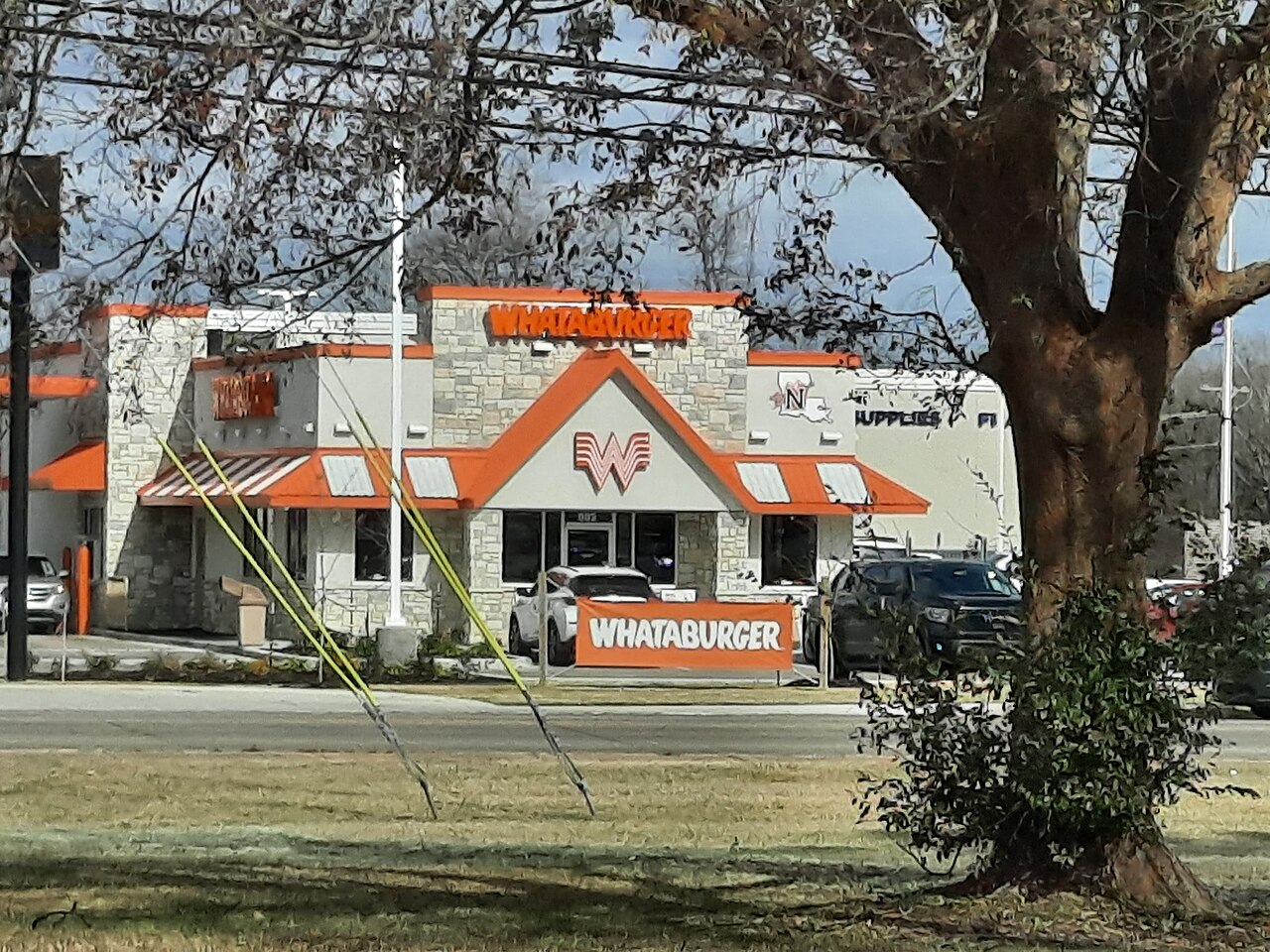
The most visible newcomer is Whataburger, which opened its first North Carolina restaurant in Gastonia on May 29, 2025, according to company materials and local reporting. Whataburger’s own press information says the Gastonia opening made North Carolina its 17th state, giving the Texas-born chain a symbolic foothold in one of the South’s most closely watched restaurant markets. Local coverage also showed strong opening-day interest, including customers eager enough to turn the debut into an event.
That attention matters because North Carolina is not an empty market waiting for discovery. It is already home turf for Bojangles, the Charlotte-founded chicken-and-biscuit chain that still leans heavily on its Carolina identity while expanding nationally. Bojangles describes itself as Carolina-born, and industry reporting has shown the brand continuing to add stores even as it modernizes operations and pushes into new territories.
Other challengers are moving in as well. Raising Cane’s announced its first Rocky Mount restaurant would open on August 3, 2026, marking a fresh entry into that market. Del Taco’s North Carolina footprint remains small but real, with state location listings showing restaurants in Durham and Kernersville. Smashburger has also expanded its presence, with company and trade reporting indicating four open or coming-soon locations in North Carolina, including Charlotte, Durham and Huntersville.
Why North Carolina is such a valuable test market
North Carolina offers a mix that chains prize: fast-growing suburbs, college markets, commuter corridors and a strong drive-thru culture. For restaurant operators, that creates a useful real-world laboratory where breakfast, lunch, dinner and late-night demand can all look different from one city to the next. A chain that works in Charlotte may still need a different playbook in Rocky Mount or the Triad.
The home-state advantage is strongest for Bojangles and Cook Out, though they use it differently. Bojangles competes through breakfast credibility, biscuit heritage and a long-established regional identity. Cook Out, while more private and less expansion-focused in public messaging, has built a loyal following around broad menus, late hours and value positioning that resonate especially well with students and younger drivers.
Newer or newer-to-the-state competitors are approaching the market with sharper specialization. Raising Cane’s centers almost everything on chicken fingers, fries, toast and sauce, a menu discipline that has helped it scale nationally. Whataburger sells familiarity with a Texas accent, while Smashburger and Del Taco bring formats that can appeal to diners looking for something outside the standard burger-or-biscuit routine.
That variety is why sweeping claims about favorites should be handled carefully. There is evidence of curiosity, openings and expansion pipelines. There is not, at least from the reporting currently available, a rigorous statewide ranking proving that locals have already settled on clear winners and losers.
What the competition may mean for diners and chains
For consumers, the immediate effect is simple: more choice and more direct comparisons. When six recognizable chains cluster in the same state, diners begin to weigh convenience, consistency, speed and price with unusual intensity. A breakfast biscuit run, a post-game burger stop and a chicken-finger dinner are no longer separate habits; they are overlapping decisions.
For chains, that raises the stakes on execution. Industry reporting has highlighted Bojangles’ efforts to update store design and drive-thru systems, a sign that legacy brands understand nostalgia alone is not enough. Newcomers, meanwhile, have to convert opening-week crowds into repeat business, which is far harder than generating social-media excitement around a launch.
The smartest conclusion is not that North Carolina has already crowned champions. It is that the state has become a meaningful contest zone where brand identity, operational speed and local adaptation will matter more than hype. If clear favorites do emerge, they will need to be demonstrated through traffic data, sales trends, survey work or sustained customer behavior, not just a packed opening day.