
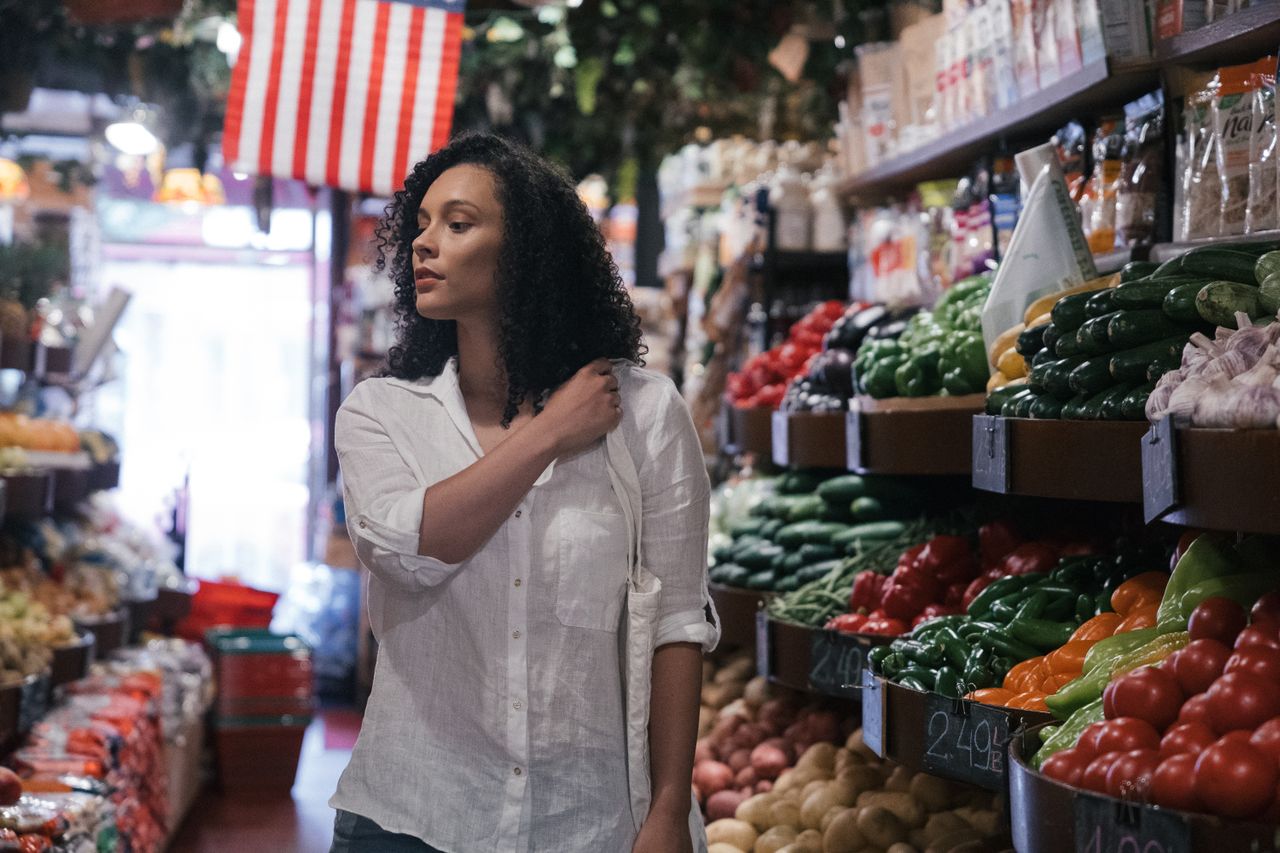
A border crossing can turn an ordinary grocery trip into a mission. For some Americans, the payoff is access to store brands, bakery counters, and prepared foods that feel meaningfully different from what they can buy at home.
Why Canadian chains keep ending up on U.S. shoppers’ radar
Canada’s grocery market is unusually concentrated, which helps explain why certain banners become destination names for cross-border shoppers. A USDA Foreign Agricultural Service report said five major retailers controlled approximately 75 percent of Canada’s food and beverage retail market in 2023, while a later USDA market summary described five retailers accounting for more than 65 percent of grocery sales in 2024. That kind of scale gives major chains the buying power and private-label reach to build recognizable experiences across provinces.
Loblaw remains the clearest example. Its 2025 annual report says the company operates more than 2,800 stores, pharmacies, and clinics across Canada, but that figure should not be described as all grocery stores. Within its supermarket division, the company lists banners that many U.S. visitors know by sight or reputation, including Real Canadian Superstore and No Frills, along with T&T, the Asian grocer that has become one of the most talked-about retail exports from Canada.
Metro is another major player with a strong regional identity. The company’s 2025 annual reporting says it operates or services 1,006 food stores, with banners including Metro, Super C, Food Basics, and Adonis. For Americans crossing into Quebec or Ontario, that matters because banner differences shape what they actually encounter, from discount assortments to stronger Mediterranean or specialty offerings.
T&T adds another layer to the appeal because it has proven there was already pent-up U.S. demand for the format. The chain opened its first U.S. store in Bellevue, Washington, on December 5, 2024, and later said Bellevue and Lynnwood both won recognition in Seattle-area readers’ choice awards in 2026. The company has also said Bellevue was chosen in part because shoppers from the Seattle area were already driving to its Richmond, British Columbia, store.
In Mexico, scale matters, but format matters even more
Mexico’s best-known grocery names are not a single uniform experience. That is especially true at Soriana, whose store locator and corporate materials show multiple formats, including Híper, Mercado, Súper, Express, and City Club. For a U.S. shopper crossing the border, that means the destination value depends heavily on which version of the chain they are actually visiting.
That distinction is important because store counts can quickly become outdated. Soriana reporting has previously circulated higher figures, but its corporate information listed 801 stores as of September 2026, so older totals should not be treated as current. In practical terms, the chain’s footprint is still large enough to make it a central player in Mexican grocery shopping, especially in border states and major urban markets.
Chedraui has a different kind of relevance for Americans because it already operates on both sides of the border. Chedraui USA says it has 383 stores across California, Arizona, Nevada, New Mexico, and Texas. That gives many U.S. shoppers brand familiarity before they ever visit a Mexican branch, even if claims about Mexican stores being categorically better stocked or stronger in bakery execution are harder to verify without direct comparative reporting.
What does hold up factually is that Mexican grocery retail can feel more format-driven and local in its assortments. In chains with broad footprints, hypermarket-style stores, neighborhood supermarkets, warehouse formats, and small express locations can each serve a different mission. For Americans making a special trip, the smartest move is not chasing a logo alone, but targeting the right format in the right city.
What makes a border grocery trip feel worth the miles
The stores Americans talk about most often are usually the ones that combine scale with a sense of discovery. In Canada, that often means a tight mix of private label, prepared foods, and specialty departments inside chains large enough to keep standards consistent. In Mexico, the appeal is often format variety, regional product mix, and the chance to shop a retailer at its domestic center of gravity rather than a U.S. adaptation.
Prepared food has become a major differentiator. T&T’s U.S. announcements have highlighted dim sum displays, noodle counters, sushi bars, street-food stations, and a bakery-deli lineup running into the hundreds of items. That kind of merchandising helps explain why a grocery run can double as a food outing, and why some chains inspire destination behavior instead of routine errand shopping.
Private label also plays a quiet but important role. Large chains in concentrated markets can develop store-brand ecosystems that go well beyond pantry basics, shaping how shoppers perceive value and exclusivity. That does not prove every American thinks a cross-border trip is worthwhile, but it does explain why certain names come up repeatedly whenever shoppers compare what feels distinct abroad.
In the end, the foreign grocery stores worth driving across the border for are not necessarily the biggest ones, but the ones with a clearly different proposition. A massive footprint helps, yet the real draw is a combination of trust, novelty, and food that feels hard to replace back home. That is what turns a supermarket into a destination.