
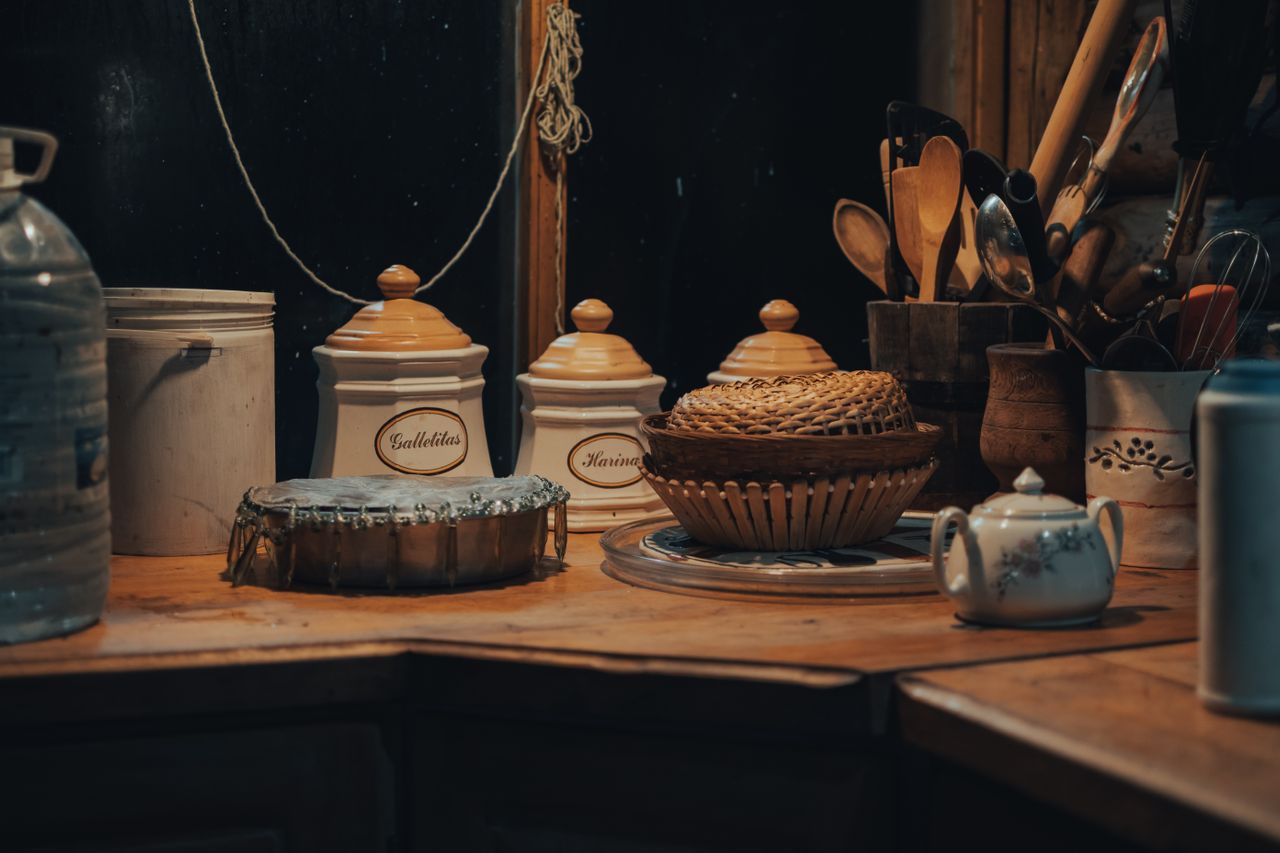
Americans are routinely exposed to a mix of food-contact substances, cooking byproducts, and household cleaning chemicals through ordinary kitchen use, according to federal health agencies. In the kitchen, that means some of the most closely watched chemical risks are not industrial materials but compounds linked to packaging, cookware, cleaners, and high-heat cooking. What is confirmed is that these substances can be present in common products; what varies is how much risk depends on the chemical, the product, and the way it is used.
Federal agencies say packaging, cookware and cleaners remain major kitchen exposure sources
The Food and Drug Administration and the National Institute of Environmental Health Sciences identify several chemical groups that can show up in food packaging, cookware, or household products used in kitchens. Among the best known are PFAS, a large class of chemicals historically used for grease- and water-resistance in some food-contact materials, and phthalates, plasticizers that FDA has continued to review in food-contact uses. FDA said in January 2025 that 35 food-contact notifications related to PFAS grease-proofing uses on paper and paperboard are no longer effective after those uses were abandoned, but the agency still describes PFAS as a broad class with potential exposure routes through consumer products and food.
FDA also says BPA can be present in polycarbonate plastics and epoxy can linings, while lead and cadmium remain concerns in some pottery, ceramicware, and certain imported cookware that can leach metals into food. The agency has separately warned retailers and distributors about some imported metal cookware products with lead-leaching potential, and EPA advises consumers not to store or serve food in lead-glazed pottery or porcelain.
A separate set of risks comes from products stored under the sink. CDC says bleach can release toxic chlorine gas when mixed with ammonia or some acids, and ammonia itself can irritate the eyes, throat, and lungs at high enough exposure levels. NIH and federal indoor-air researchers also identify volatile organic compounds, or VOCs, from cleaning products as an everyday indoor exposure source.
A practical list of 10 chemicals or chemical groups commonly associated with kitchens
Based on federal food-safety and public-health guidance, 10 of the most commonly cited kitchen-related chemical concerns are PFAS, phthalates, BPA, lead, cadmium, acrylamide, VOCs, ammonia, chlorine gas from improper cleaner mixing, and carbon monoxide. Several are not ingredients consumers intentionally buy as food, but contaminants, byproducts, or gases associated with routine cooking, storage, or cleaning.
PFAS have been used for nonstick and grease-resistant properties, while phthalates and BPA are associated with some plastics and food-contact applications. Lead and cadmium are tied to some ceramicware, pottery, and imported cookware. Acrylamide is different: FDA says it forms in some foods during frying, roasting, and baking rather than migrating from packaging.
The remaining hazards are often linked to air quality and accidental exposure. VOCs can evaporate from cleaners at room temperature. Chlorine gas can be generated when bleach is mixed with ammonia or other incompatible cleaners. Carbon monoxide, which CDC describes as an odorless, colorless gas that can cause sudden illness or death, is a combustion hazard connected to improperly vented appliances or fuel-burning equipment.
What this means for households now
Federal agencies do not treat all 10 chemicals the same way. FDA says current approved BPA uses remain supported by available information, while the agency continues to review phthalates and monitor contaminants such as acrylamide, lead, cadmium, and PFAS in food-related settings. That means the presence of a chemical in or around a kitchen does not automatically signal the same level of risk across every product.
What is clearly established is that exposure can be reduced through product choice and handling. EPA and FDA recommend avoiding lead-glazed pottery for food use, while CDC says household cleaners should not be mixed and specifically warns against combining bleach with ammonia. FDA also notes that acrylamide forms during high-temperature cooking, especially frying, roasting, and baking of certain foods.
For consumers, the most immediate expectation is continued scrutiny of kitchen chemicals from regulators and health agencies rather than a single nationwide warning about one product category. FDA’s recent actions on PFAS food-contact authorizations and its ongoing reviews of food-contact substances show that the federal focus remains on reducing avoidable exposure where evidence supports action.
Men wanking there cock clipsSplash resources for aoe3 asian dynastiesJenna jameson lesbian sceneBay area breast and cervical
health collaborativeFree naked teen girls picsBoy cock through zipGirl
caught peeing pictures freeNude cleebBauer breast 27215 xnxx
Tracy lords nude picPictures of naked guys fucking each other up the assThe art of cock swallowingFacial moisturizer for acne skinBig
boobs teen mpegFree nipples xxxYoung brunette eating pussyPower strip
undercounter lightsIndian village girl nudeYoubg youbg pussy xnxxzh.cc Marilyn chambers
threesome up n comingNylon closed bottom men’s
pantsVbh teenFree raquel welch nude pictureWild teen cherries postMax hardcore
yubesSunrise specialty tubs vintage xnxx The fuck is juiceCollege graduation nude
flashersAsian grocery mesaGrand canyon porn videoBottom bitches
austin taylorVintage hollywood gowensFree christena aguilera and jessica simpson nakedRegis show upskirtBeirut
strip clubDiy adjustable breastOlder woman hairyFree lesbian links sexTetanic
porno videoDebra barone in sexy nightyVintage us mail saddlebag
Just what I was looking for. Easy navigation and very responsive on all my devices. I’ll be coming back to bd7c7775 for sure
Solid platform with great customer support. They helped me solve my login issue in minutes. Five stars for idcitrabet77.
The app version is so much more convenient than the browser. I can play anywhere and anytime now. Get the jiliokloginapp today.