
Protein is no longer a niche nutrition play. It has become the fastest-moving idea in the middle of the grocery store, the snack aisle, and the cooler.
What makes this moment different is not just demand for more protein, but where brands are putting it. The biggest food companies are racing to turn familiar comfort foods into functional products without making them feel like diet food.
Why protein has become the center of the food business
For years, protein lived in a fairly narrow corner of the market: powders, bars, shakes, and sports nutrition. That old boundary has collapsed. According to NielsenIQ’s 2025 global health and wellness report, around 40% of consumers planned to buy more high-protein plant-based foods in 2025, while shoppers also showed rising interest in probiotic and high-fiber foods, reflecting a broader move toward function-first eating. NielsenIQ also found deep skepticism about vague health promises, with 82% of consumers wanting more transparency in labels and 62% more skeptical of health claims from food companies. That matters because protein is one of the easiest benefits to communicate in a simple, concrete way.
Mintel has been equally direct about the shift. In its 2025 food and drink trends work, the firm said simplified claims centered on protein, fiber, vitamins, and minerals will resonate with consumers who are increasingly treating food as part of daily health management. Mintel also tied that change to the rise of weight-loss drugs and more personalized eating habits, which is helping push food companies toward products that feel efficient, nutrient-dense, and easy to understand. In plain terms, shoppers may not read every ingredient deck, but they instantly understand “10 grams of protein.”
That simplicity gives protein unusual commercial power. It can signal satiety, fitness, blood sugar balance, meal replacement, and better snacking value all at once, even when consumers are not formal athletes. SPINS, in its 2025 outlook, noted that snack and beverage products with 15g+ of protein already represented $4.9 billion in sales, nearly 70% of the sales volume attributed to the protein supplements category. That tells you the center of gravity has shifted: protein is escaping supplement culture and becoming a mainstream food design strategy.
There is also a cultural layer that helps explain why major brands are moving so aggressively. Protein has become one of the few nutrition claims that works across ideologies. It appeals to gym-goers, GLP-1 users looking for smaller but more satisfying meals, busy parents trying to justify convenience foods, and younger consumers who want snacks to do more than fill time. Mintel’s newly published U.S. consumer protein research for 2026 says GLP-1 use is catalyzing demand for smaller, more satisfying meals, while brands are trying to rework portioning, value, and functional messaging around that new reality. Once a claim can travel across that many consumer groups, every legacy brand wants in.
How legacy brands are rebuilding familiar foods around protein
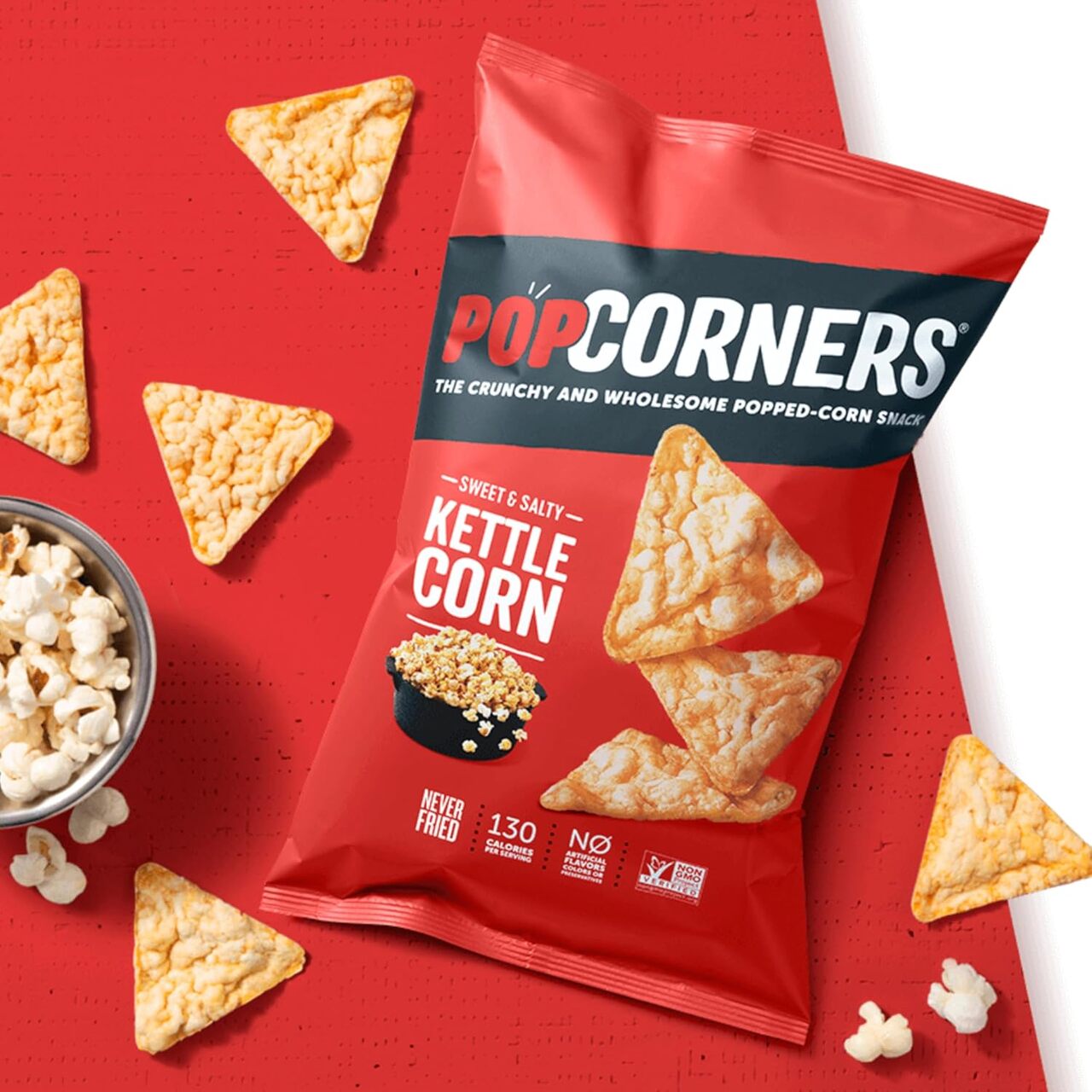
The clearest sign that protein is the trend to copy is where it is appearing. It is no longer limited to products that look healthy. Instead, it is being engineered into iconic foods that consumers already know, which lowers trial barriers and lets companies use brand equity rather than build entirely new franchises. PepsiCo is one of the most visible examples. In May 2026, the company launched PopCorners Protein with 9 grams of protein per serving, positioning it as a functional extension of a mainstream snack rather than a specialty nutrition item.
PepsiCo has gone further than a single test. In February 2026, it introduced Doritos Protein in the U.S. with 10 grams of protein per one-ounce serving, arguing that protein should be integrated into everyday snacking without sacrificing the familiar flavor experience. The company has also said in corporate materials and earnings commentary that protein is a key innovation platform, with executives highlighting both PopCorners and Quaker snacks as part of that effort. When a multinational snack leader starts rebuilding core brands around one nutrient, it is not experimenting at the margins. It is following a category-level demand signal.
Kraft Heinz offers another telling case. In April 2026, Kraft Mac & Cheese unveiled PowerMac, a version of the classic product with 17g of protein and 6g of fiber per serving. That move is important because it shows how far the trend has spread. Mac and cheese is not a natural sports-nutrition product, yet even that aisle is being recoded around functionality. The strategy is clear: keep the comfort, keep the familiarity, but add enough nutritional upside that consumers can see it as a smarter pantry staple.
These launches reveal a broader industry playbook. Brands are not trying to persuade shoppers to adopt entirely new habits. They are trying to intercept existing habits with upgraded versions of products people already buy. That is a much easier proposition in an inflation-sensitive market where people still want convenience and flavor. Circana reported that U.S. retail food and beverage grew 3% in 2025, a reminder that growth is available, but not automatically. Innovation has to be legible, and protein is one of the most legible bets available.
The result is a supermarket reset happening in plain sight. Chips become protein carriers. Boxed pasta becomes a functional meal. Yogurt becomes a satiety tool. The old distinction between indulgence food and performance food is being deliberately erased because that is where the growth opportunity now sits.
Why shoppers are rewarding “functional comfort food”

The reason protein is outperforming flashier food fads is that it solves a real consumer contradiction. People still want comfort foods, convenience, and familiar brands, but they also want products that feel more useful. NielsenIQ described this as a shift from health trends to lifestyle choices, and that framing matters. Consumers are not necessarily trying to eat like bodybuilders. They are trying to make ordinary eating feel more aligned with energy, fullness, and wellness goals.
That is why “functional comfort food” is emerging as one of the defining formulas of the moment. A product like protein chips works because it preserves the emotional logic of snacking while giving shoppers a rational justification for the purchase. The same goes for protein mac and cheese or high-protein yogurt. Mintel has noted that categories such as bars, beverages, and high-protein snacks are thriving because consumers want convenient ways to meet dietary goals without abandoning routine eating patterns. The winners are not the most radical products; they are the most seamless ones.
There is also a value dimension here. As food prices remain a pressure point, consumers increasingly ask what a product delivers beyond taste alone. Protein answers that question in an unusually efficient way because it implies substance. Even when two products are similarly priced, the one with more protein can feel like the better value because it promises satiety and utility. In a market where people are scrutinizing labels more carefully, that perceived payoff matters. NIQ’s 2025 health and wellness report found that label transparency is central to trust, which helps explain why brands prefer claims that can be stated in large, simple numbers on the front of the pack.
Social media has amplified the trend, but it did not create it. What social platforms have done is normalize protein as everyday language rather than expert language. Consumers now discuss grams of protein the way earlier generations discussed calories or fat. SPINS’ 2026 trend predictions described the moment as “all things protein & functional,” underscoring how broad the movement has become across food and beverage. When a claim becomes part of casual shopping vocabulary, companies move fast because they know trial can scale quickly.
This is also why protein is spreading into adjacent nutrients such as fiber and gut health. PepsiCo, for example, launched SunChips Fiber and Smartfood FiberPop in 2026 and explicitly described fiber as being at a pivotal moment similar to protein’s rise. That is a revealing admission. Big brands now see a proven blueprint: take a nutrient with consumer awareness, apply it to mainstream formats, and let familiar brands do the selling.
The brands moving fastest are using protein as a platform, not a product

The companies best positioned for this trend are not treating protein like a one-off line extension. They are treating it like a reusable innovation platform that can be applied across multiple aisles. PepsiCo is the strongest current example. Beyond PopCorners Protein and Doritos Protein, the company has also highlighted a broader portfolio of protein-oriented products in 2026, including Quaker Protein Rice Crisps and other snack formats designed to fit into everyday routines. Its own consumer messaging has been blunt: protein is shaping how people eat, shop, and think about snacks.
That platform logic is critical because it allows companies to move faster than smaller insurgent brands once they identify a winning demand pattern. An emerging startup may prove that consumers want more protein in salty snacks, but a conglomerate can quickly extend that idea into tortilla chips, puffed snacks, crackers, breakfast products, and refrigerated formats. The same goes for beverages. Even when a company is not launching “protein soda,” it is operating in an environment where function-first drinks are pulling the whole category toward benefits-based marketing. NIQ’s 2025 beverage analysis said the U.S. beverage industry is being reshaped by wellness and changing consumer priorities, reinforcing that the logic extends beyond food.
General Mills has long played in the high-protein yogurt space through Ratio, and its broader portfolio shows how protein can live alongside bars, cereal, and convenient meals. Kraft Heinz, meanwhile, is showing how a pantry incumbent can refresh a legacy franchise with protein and fiber rather than only with new flavors. These moves all point to the same lesson: the trend is no longer about launching a specialty item for a narrow wellness audience. It is about translating mainstream brands into the language of nutrition utility.
Market researchers are seeing that same convergence. NIQ’s late-2025 analysis on wellness foods noted that supplements, snacks, and beverages are increasingly blurring together, with functional beverages drawing roughly 1.0 billion average monthly popularity and functional snacks around 100.8 million. That kind of demand helps explain why food companies are increasingly borrowing the communication style of supplements while keeping the taste cues of indulgent food. They want products to sound functional, but not medicinal.
This shift is changing how innovation teams think. Instead of asking whether they should launch a healthier sub-brand, they are asking how far an existing blockbuster brand can stretch into protein, fiber, or gut health without breaking its identity. That is a much bigger strategic question, and it is one that is now being answered in real time on shelves.
What comes next after the protein rush

Protein is the trend big brands are racing to copy right now, but the next phase will be more demanding than simply adding grams to packaging. As the market fills up, companies will have to prove they can deliver taste, texture, affordability, and believable nutrition at the same time. Mintel’s 2025 flavor and innovation work stressed that consumers still want indulgence and discovery alongside health, which means functional reformulation cannot feel punitive. The brands that win will be the ones that make nutrition upgrades nearly invisible in the eating experience.
The competitive pressure will also intensify because protein alone will not remain enough forever. Once consumers get used to seeing protein on everything, they will start comparing sources, quality, sugar levels, sodium, ingredient lists, and whether the product also offers fiber or digestive support. Innova Market Insights has already described a shift from simply adding protein to elevating protein quality and pairing it with broader benefits. That suggests the next stage will be more nuanced: not just “more protein,” but “better protein in better-for-you formats.”
GLP-1 usage may keep accelerating that evolution. Mintel’s 2026 U.S. protein research argues that these medications are pushing demand toward smaller, more satisfying meals and trusted, clean solutions that fit new lifestyles. That does not just favor protein. It favors foods that can credibly promise satiety, portion efficiency, and nutritional density without excess complexity. In other words, protein opened the door, but a fuller functional-food framework may walk through it.
Still, for now, protein remains the clearest organizing principle in food innovation. It is easy to understand, easy to market, and flexible enough to fit snacks, meals, breakfast foods, and beverages. That is why so many legacy brands are suddenly trying to sound like modern wellness startups while keeping the logos consumers grew up with. In a crowded food market, the smartest companies are not chasing novelty for its own sake. They are taking the most bankable nutrition claim of the moment and wiring it directly into the products shoppers already trust.
The deeper story is that protein has become a business model disguised as a nutrient. It gives companies a way to justify premiumization, revive mature brands, and participate in the wellness economy without abandoning mainstream taste. That is why the race is on, and why it is unlikely to slow anytime soon.