
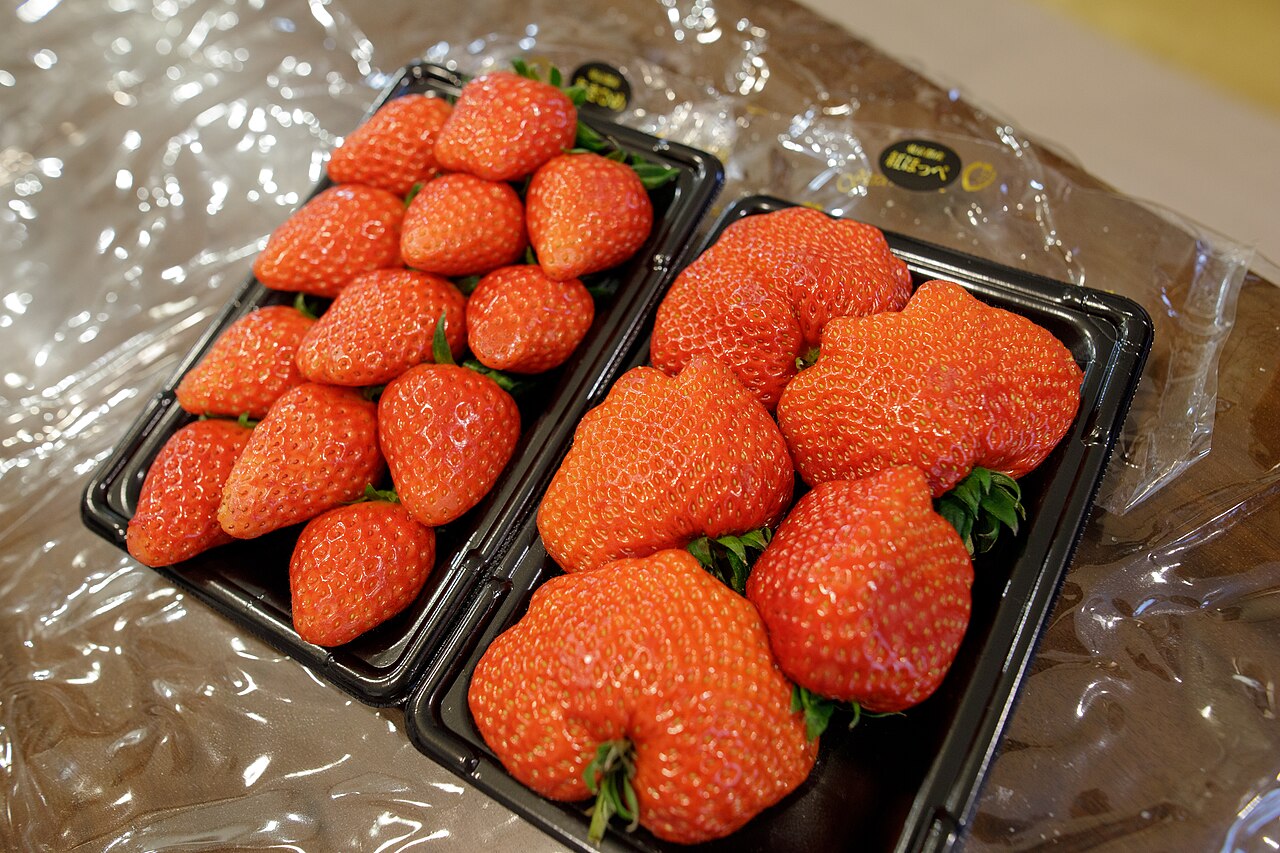
Japanese strawberries are having a moment, but this craze did not appear out of nowhere. What looks like a simple fruit trend is really the collision of agriculture, luxury culture, tourism, and social media.
For many shoppers, the surprise is not that Japanese strawberries are good. It is that they can taste so noticeably different, and that people are willing to line up, post, gift, and pay premium prices for them.
They deliver a flavor experience that feels unusually precise
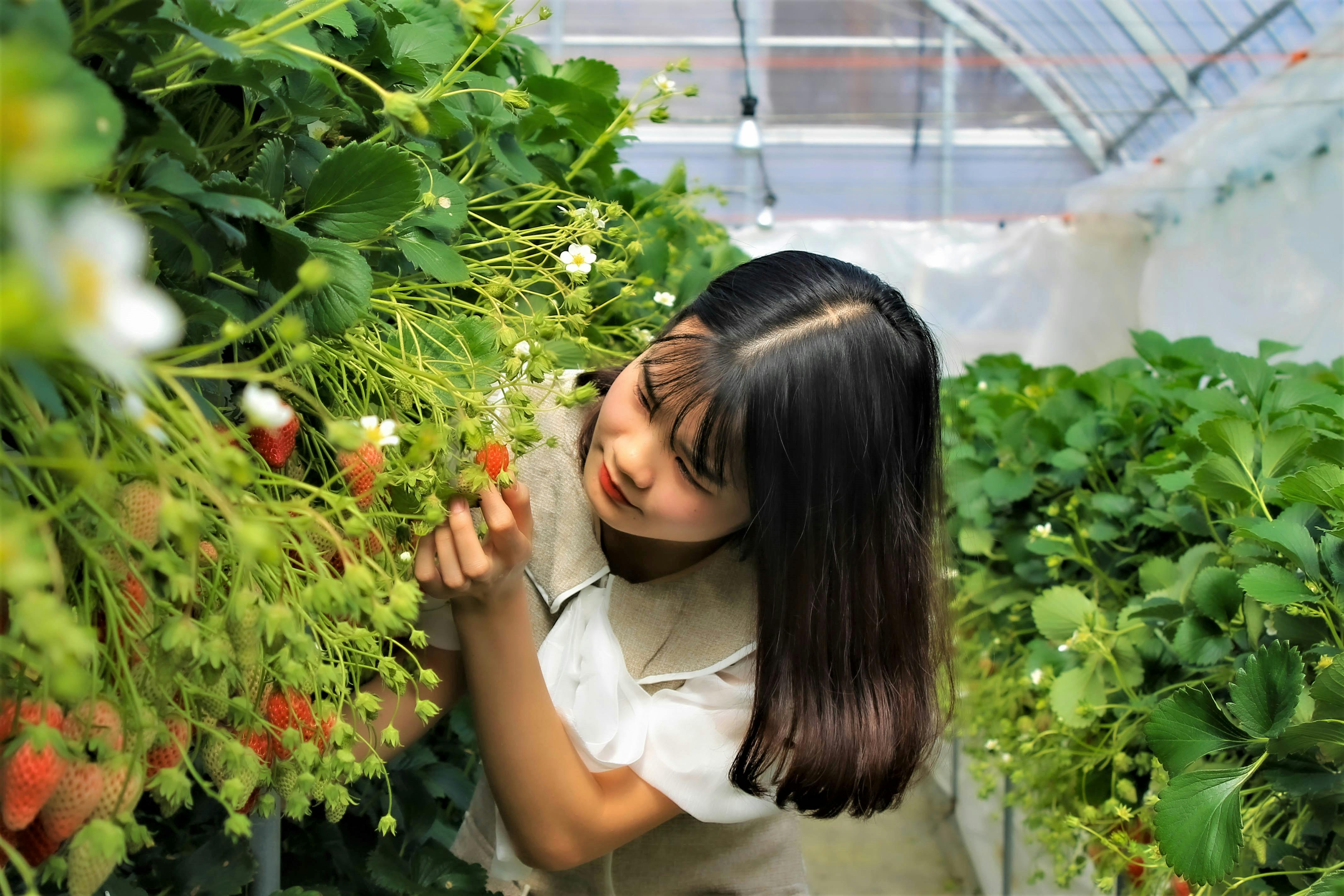
The biggest reason for the obsession is simple: Japanese strawberries are cultivated to be eaten fresh, and that changes everything. JETRO notes that Japan is often described as having the world’s highest consumption of raw strawberries, which has pushed growers to focus intensely on sweetness, juiciness, aroma, and appearance. That emphasis produces berries that feel designed for immediate pleasure rather than just durability in transit.
Variety also matters. Japan has roughly 300 strawberry cultivars, according to JETRO and Japan’s agriculture ministry, a remarkable number for a single fruit category. That deep bench of varieties gives growers room to target specific textures, sugar-acid balance, fragrance, and size, turning strawberries into something closer to a connoisseur product than a commodity.
Names like Amaou, Skyberry, Tochiaika, and Echigohime are treated almost like wine grapes or apple heirlooms. Each comes with a regional identity and a clear sensory promise, whether that means oversized fruit, lower acidity, intense sweetness, or a softer, juicier bite. For consumers, that specificity makes buying strawberries feel less routine and more like choosing a signature experience.
Japan turned strawberries into a luxury category
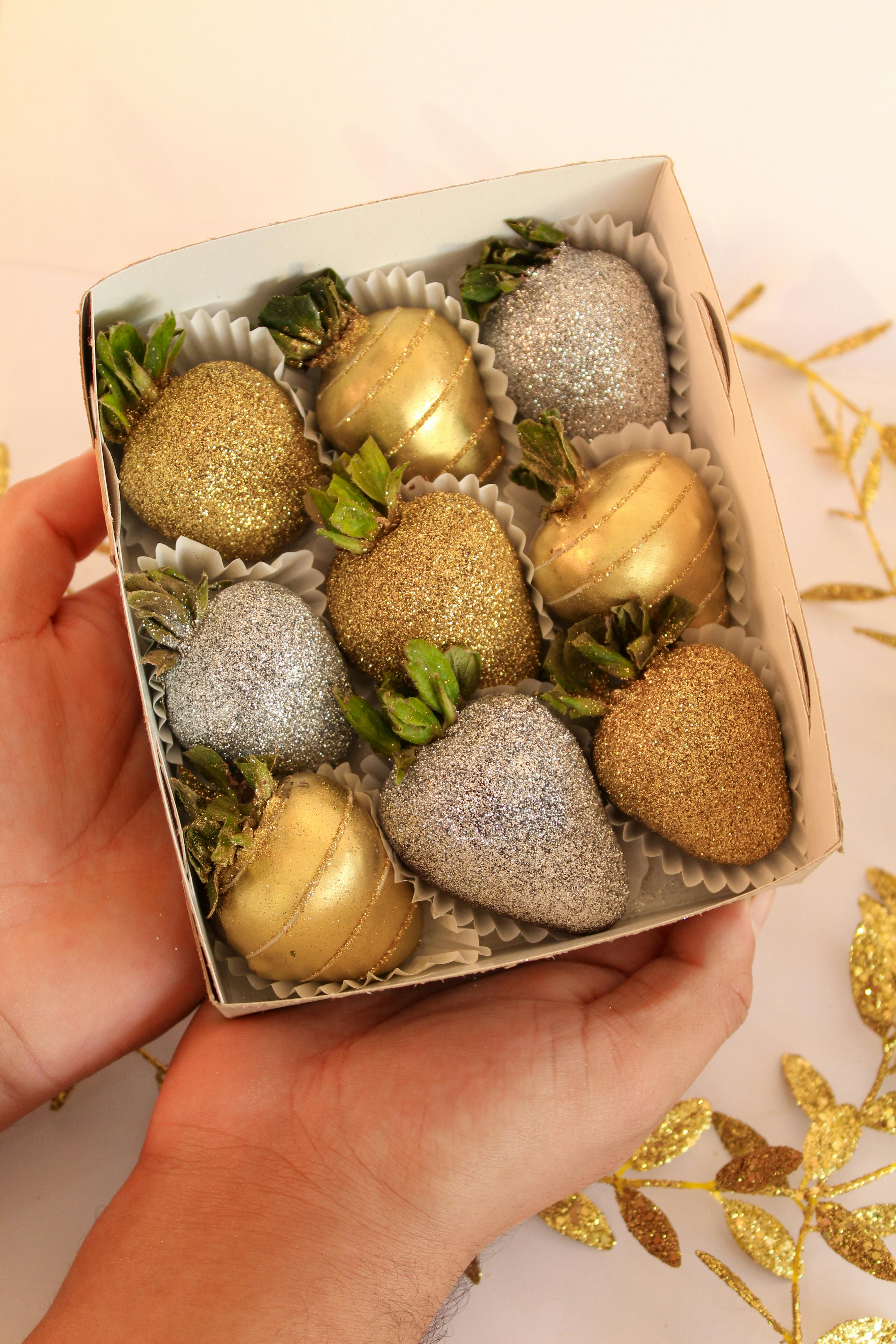
Japan has long treated premium fruit as a meaningful gift, and strawberries benefit from that cultural backdrop. The Japan Times has reported on the country’s reputation for immaculate, high-priced fruit, while a separate report described winter strawberries so perfectly formed that the finest specimens can sell for striking sums as gifts. In Japan, presentation is not superficial; it is part of the product.
That luxury framing changes how strawberries are perceived abroad. Instead of competing only with everyday supermarket berries, Japanese strawberries often arrive in carefully cushioned packaging and are marketed as jewel-like, seasonal specialties. Government-backed export promotion has leaned into exactly that image, presenting Japanese fruit as premium, meticulously grown, and emotionally resonant.
The result is a fruit that photographs like a luxury accessory and eats like a special occasion. In an era when consumers increasingly want products with a story, Japanese strawberries offer one instantly: exacting farm practices, regional prestige, delicate handling, and visible perfection. That story helps justify the higher price and makes the purchase feel aspirational rather than indulgent.
Social media made the berries famous far beyond Japan
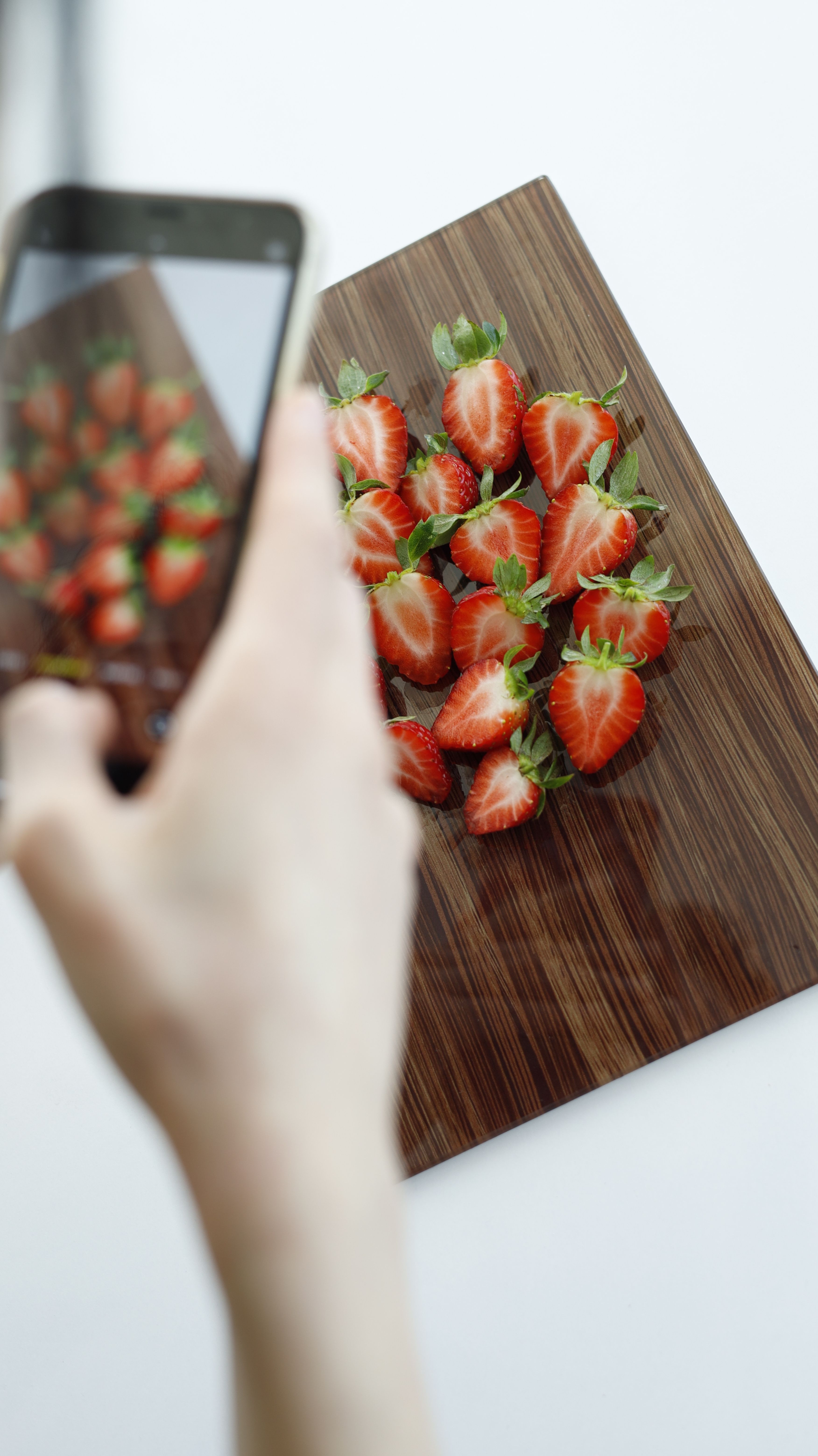
The visual appeal of Japanese strawberries is almost unfair. They tend to be glossy, evenly shaped, vividly colored, and often dramatically large, which makes them perfect for short-form video, dessert photography, and gift-content culture. A fruit that already looks curated in real life naturally thrives on platforms where beauty is a form of credibility.
But the obsession is not just about the berry by itself. Japanese strawberry sandos, parfaits, shortcakes, and cafe specials have become social-media accelerants. Eater recently noted the buzz around Japanese strawberry cream sandos in the United States, where first-bite videos and sold-out cases turned a niche dessert into a local sensation. Once a strawberry becomes a lifestyle image, demand widens fast.
Tourism amplifies that effect. Visitors encounter strawberry parfait counters in department stores, seasonal buffets, and strawberry-picking experiences, then bring those images home online. The berry becomes shorthand for a broader Japanese food fantasy: precision, seasonality, cuteness, craftsmanship, and a sense that even familiar things can be elevated far beyond expectation.
Better export logistics helped turn fascination into real demand
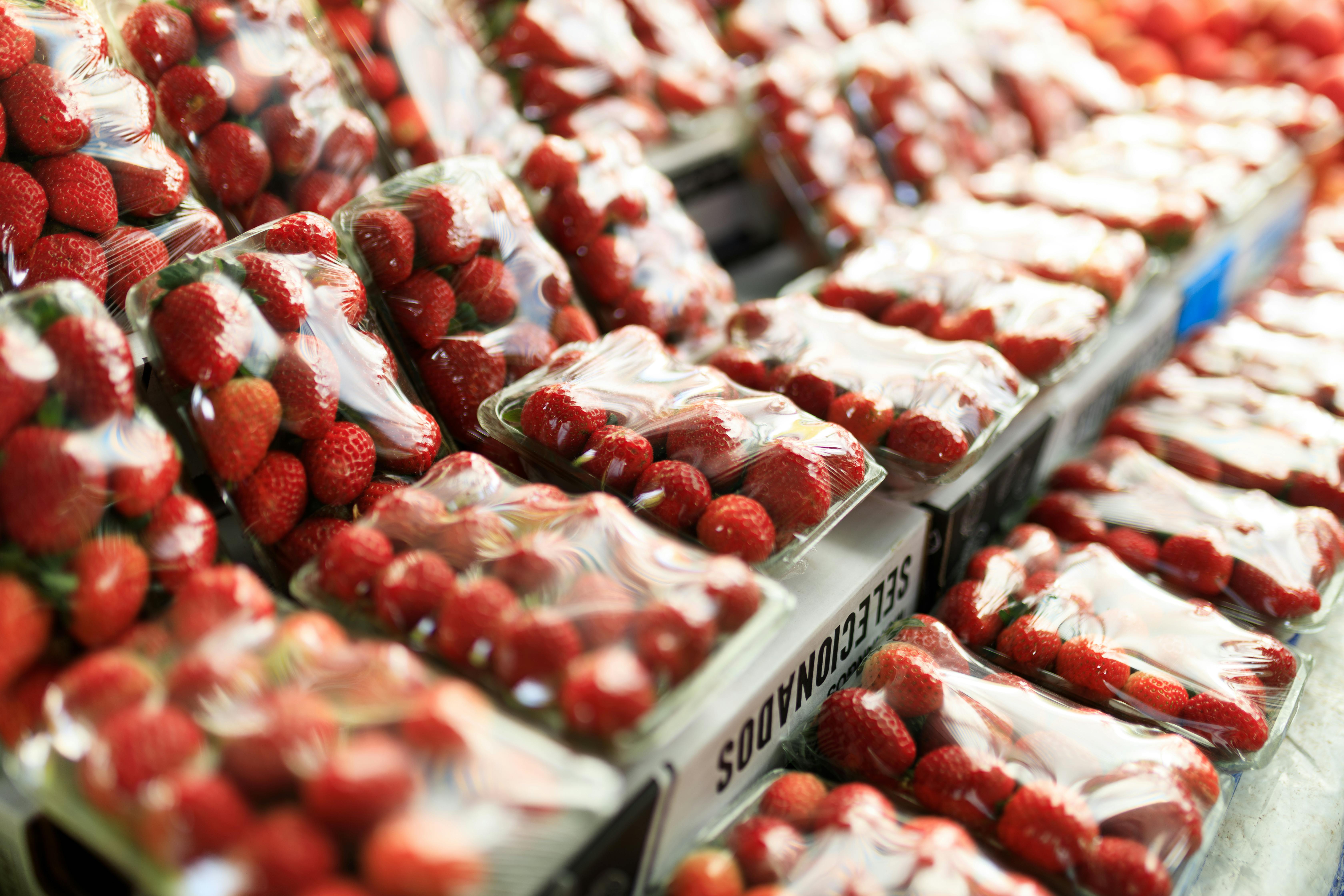
For years, one barrier was obvious: strawberries are delicate. Soft texture is one of the qualities that makes Japanese strawberries so appealing, but it also makes them difficult to ship long distances without bruising or dulling. JETRO says producers addressed that problem with improved cushioning, controlled-atmosphere transport, and other technologies that better preserve freshness during export.
Those improvements matter because global obsession only becomes meaningful when people can actually buy the fruit. JETRO identifies Hong Kong and Taiwan as major export destinations where Japanese strawberries are especially valued for sugar content, size, and juiciness. As logistics improved, strawberries moved from being admired in travel photos to being attainable in premium retail abroad.
More broadly, Japan’s agricultural and food exports continue to expand. Japan’s agriculture ministry says the country’s farm, forestry, fishery, and food exports exceeded ¥1.5 trillion in 2024 for the first time. Strawberries are a small part of that larger story, but they fit it perfectly: a high-value, brandable product that rewards careful handling and appeals to consumers seeking quality over volume.
Seasonality and scarcity make them feel even more desirable
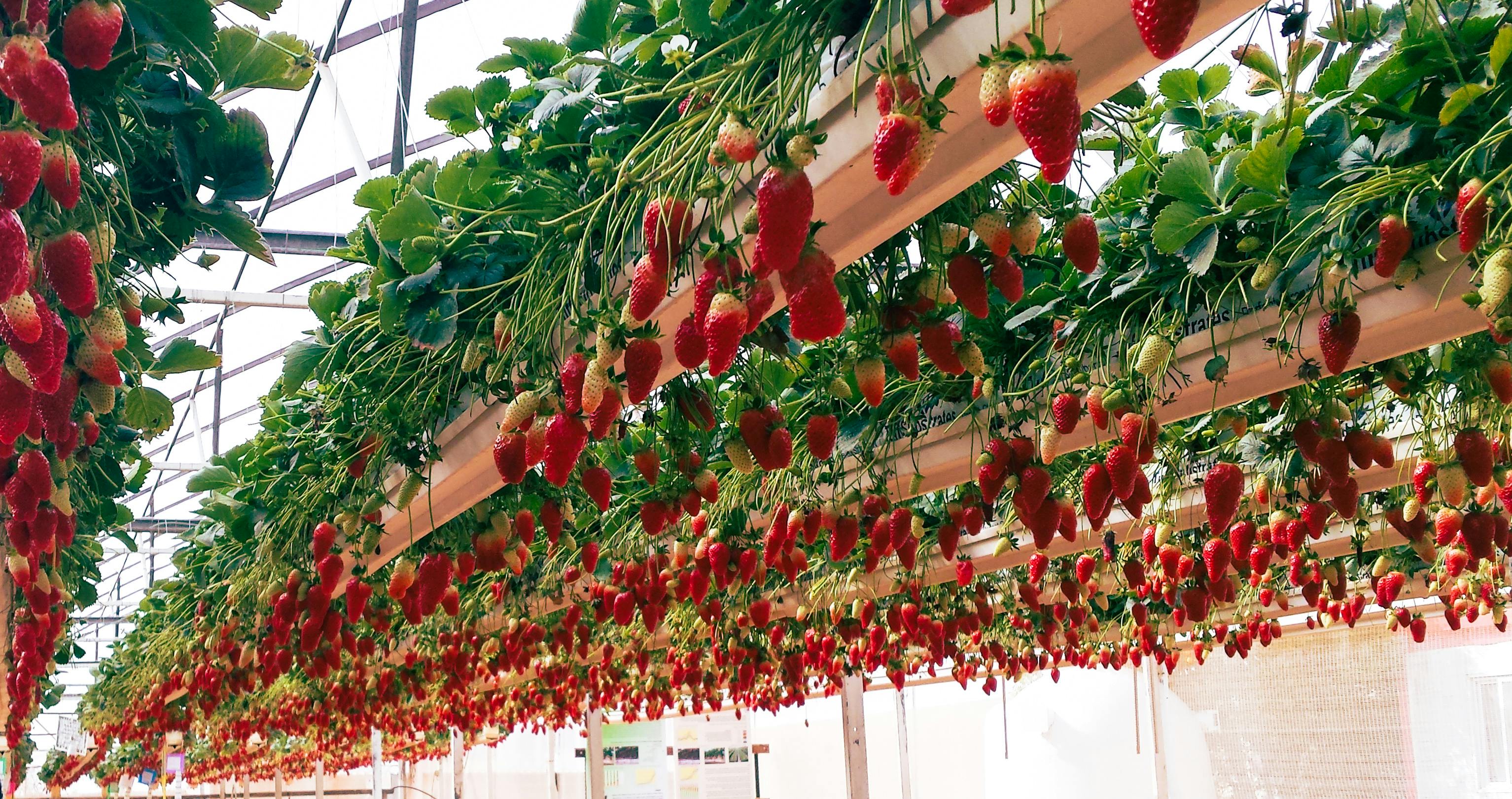
Another reason people are suddenly talking about Japanese strawberries is timing. In Japan, strawberries are strongly associated with winter through spring, and JFOODO highlights January to April as the period when they are most readily available in the market. That seasonal rhythm gives the fruit a built-in sense of anticipation that many year-round produce items no longer have.
Winter strawberries also feel counterintuitive to many consumers outside Japan, where berries are often thought of as late-spring or summer fruit. The Japan Times has described Japan’s peak strawberry season as a wintry phenomenon, tied to cultivation systems that prioritize quality and timing. That surprise factor adds to the mystique: people encounter a fruit they thought they understood, but in a totally different seasonal context.
Scarcity sharpens desire. Seasonal menus, department-store halls, hotel dessert buffets, and regional farm promotions all create a limited-window mentality. Consumers know the best berries will not feel as special in six months, so they buy now, post now, and gift now. In food culture, nothing fuels obsession like the sense that a perfect bite is available only for a moment.
The craze reflects a bigger shift in how people buy food
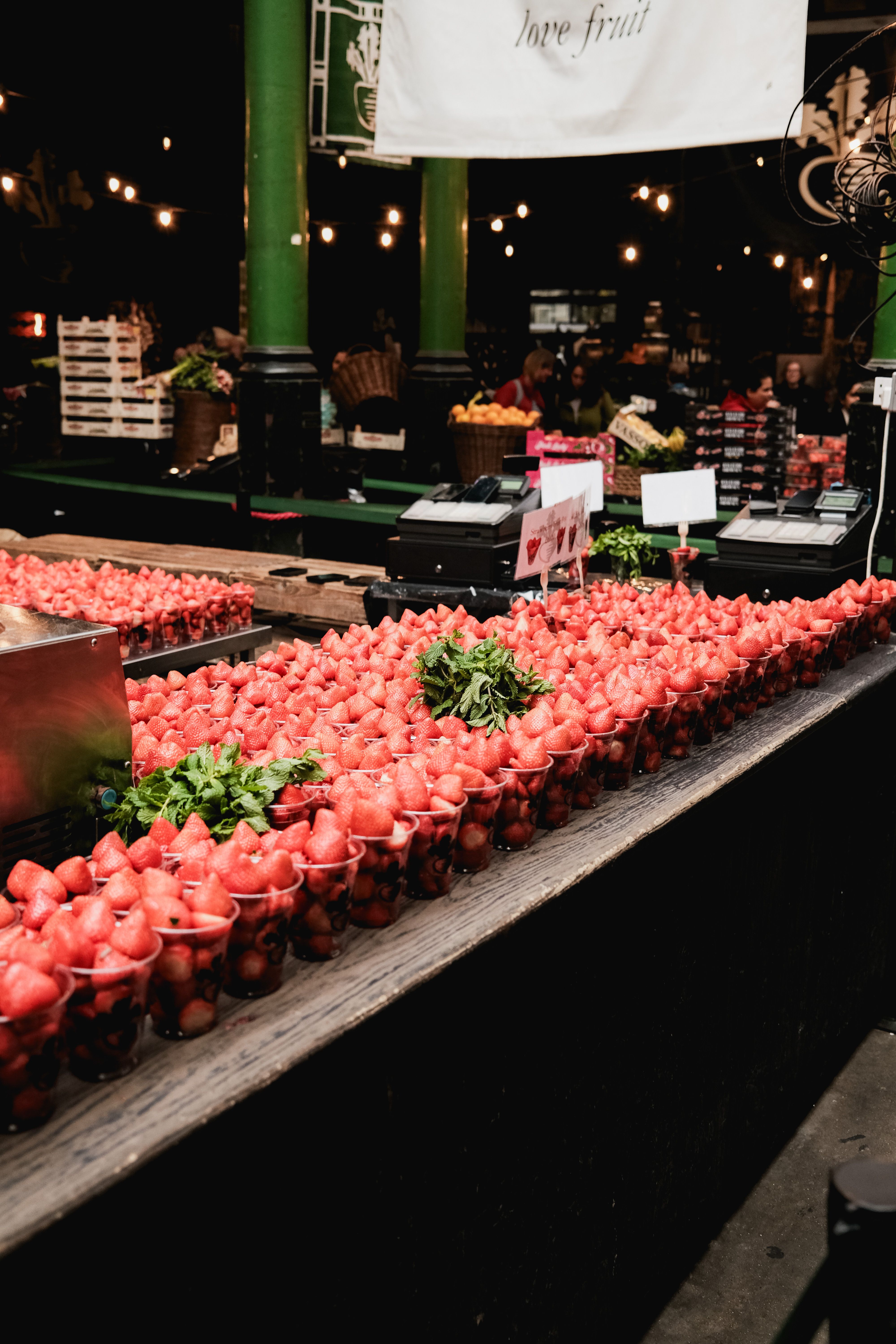
The Japanese strawberry boom is really a story about modern consumption. People increasingly want food that can do several jobs at once: taste exceptional, look beautiful, signal discernment, connect to place, and feel worth talking about. Japanese strawberries check every box, which is why they resonate far beyond fruit lovers or Japan enthusiasts.
They also fit a growing premium-produce economy. Consumers who may not splurge on luxury fashion or fine dining every week will sometimes spend on a standout ingredient that feels accessible yet elevated. A premium punnet of strawberries, a strawberry sando, or an elaborate parfait offers a manageable entry point into luxury. It is indulgence scaled to everyday life.
So why is everyone suddenly obsessed with Japanese strawberries? Because they are not being sold merely as berries. They are being sold as craftsmanship, seasonality, regional pride, visual pleasure, and edible status all at once. In a crowded food world, that combination is rare, and once people taste it, photograph it, and share it, the obsession starts to make perfect sense.