
The snack aisle still looks colorful, crowded, and comfortingly familiar. But behind the bright bags and familiar mascots, a more sophisticated strategy is taking over.
The brands winning now are no longer just selling chips, crackers, and cookies. They are selling permission, identity, affordability, and function in one carefully engineered package.
The old mass-market snack playbook is giving way to a portfolio strategy
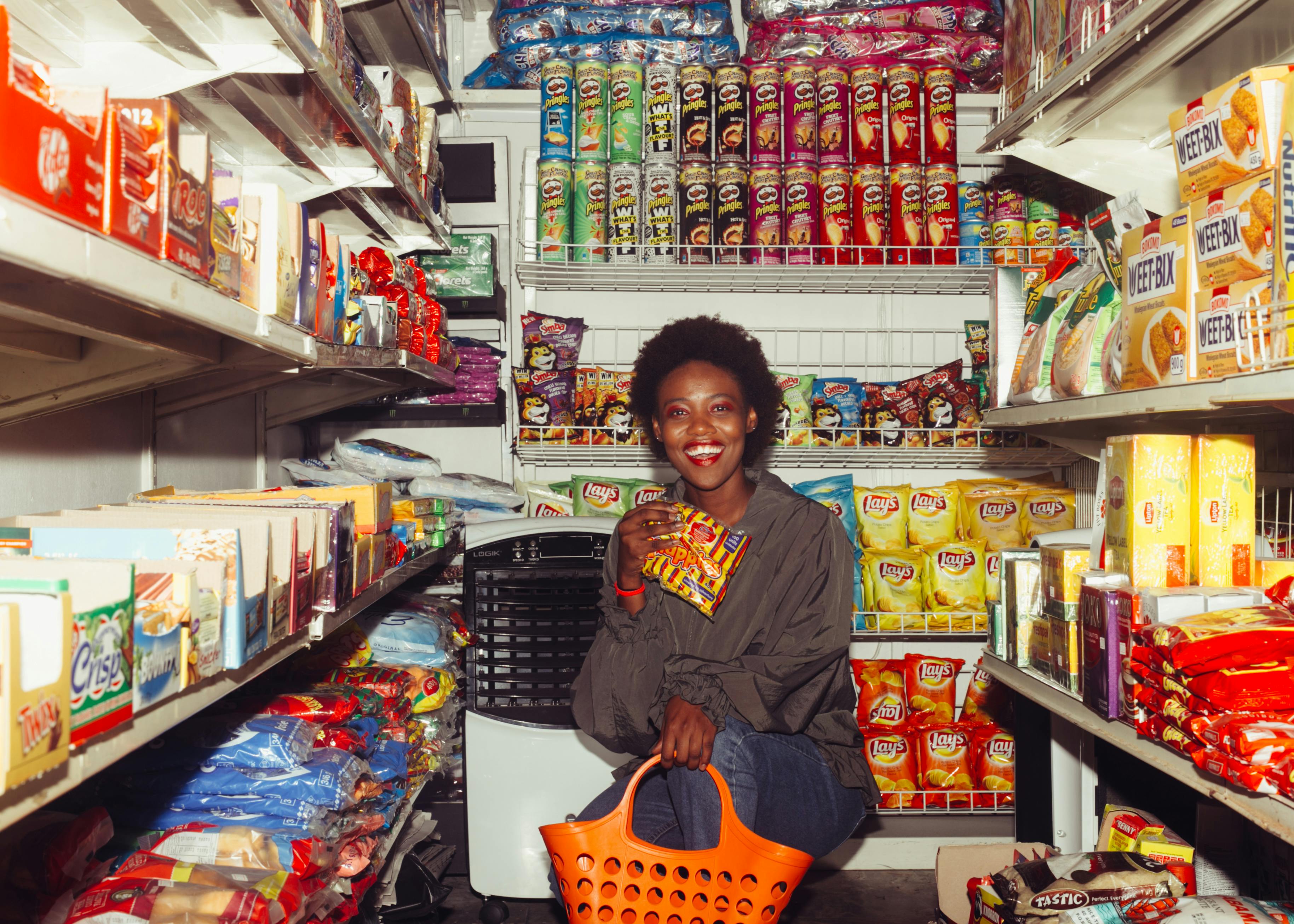
For decades, the formula in snacks was straightforward: build a blockbuster brand, buy prime shelf space, add a new flavor or limited-time twist, and trust habit to do the rest. That model has not disappeared, but it is no longer enough. Large food companies are now operating with a more segmented portfolio strategy, where the real objective is to capture multiple consumer moods at once: indulgent tonight, protein-focused tomorrow, budget-conscious on payday week, and premium on the weekend.
That shift is visible in the way major manufacturers describe themselves. PepsiCo increasingly frames its business around “convenient foods,” a broader category that lets it move across traditional snack boundaries and adapt to changing eating habits. In early 2025, the company closed its $1.2 billion acquisition of Siete Foods, explicitly saying the deal would expand options for consumers seeking simple ingredients and “positive choices.” Around the same period, PepsiCo also emphasized sharper everyday value and affordable price tiers for mainstream brands, underscoring that growth now depends as much on pricing architecture as product novelty.
Mondelez has been pushing a similar idea from a different angle. The company’s strategy centers on core snacking categories that it says continue to grow faster than other food categories, but the message is not simply “sell more cookies.” It is to make snacks more delicious, accessible, and affordable while using global scale to stretch brands into adjacent occasions. In practical terms, that means the same company can chase premium chocolate buyers, lunchbox cracker shoppers, and convenience-driven impulse buyers without relying on one universal message.
Campbell’s snack division shows the limits of the old model as clearly as anyone. At its 2025 investor day, the company said it would focus growth around a tighter set of leadership brands, including Goldfish, Cape Cod, Kettle Brand, Snyder’s of Hanover, Late July, and Lance. That is a sign of a market where breadth alone is not enough. Companies now need fewer, clearer brand roles, each with a distinct reason to exist on shelf.
What looks like clutter in the aisle is actually discipline. The new playbook is not about one dominant brand voice. It is about building a family of brands that can meet different emotional and economic needs before a competitor or private label does.
Health is no longer a separate aisle idea but a branding layer across everything

The most important strategic change in snacks may be this: health is no longer treated as a niche. It has become a flexible branding layer that can be added to mainstream products without stripping away pleasure. The winners are not necessarily brands that look overtly “diet” or “wellness” driven. They are brands that make consumers feel they are making a slightly smarter choice while still eating something fun.
That helps explain the surge of protein, fiber, seed-based, grain-free, and cleaner-label snack launches. PepsiCo’s recent moves are especially revealing. In 2026, it expanded PopCorners into protein offerings with 9 grams of protein per serving, citing research that 73% of Americans are intentionally consuming foods with protein each day and that more than half use snacks to help meet that goal. That is not a fringe behavior anymore. It is mass-market snack positioning with a functional twist.
Retailers are following the same script with private label. Kroger launched a Simple Truth Protein line in 2025 with more than 80 items spanning meals and snacks, calling it the widest private-label protein offering on the market. That matters because protein is no longer just a benefit claim. It is now a shortcut for modern relevance. It tells shoppers that a brand understands gym culture, GLP-1 era eating patterns, and the broader demand for satiety and utility in smaller eating occasions.
The same logic is reshaping ingredient language. PepsiCo’s nutrition strategy has highlighted reformulation, lower saturated fat targets, and innovation that broadens the range of perceived better-for-you options. But the strategic breakthrough is not nutritional engineering alone. It is linguistic. Brands have learned that phrases like “simple ingredients,” “positive choices,” “whole grain,” and “made with chickpea” can soften the guilt around snacking without forcing consumers into a joyless trade-off.
Research firms are documenting the same migration. Circana reported in 2025 that healthier options are gaining ground and that flavor and innovation are redefining how Americans snack. NielsenIQ has likewise pointed to momentum in plant-based, protein-packed, and clean-label snacks, with better-for-you products outpacing conventional peers in growth over multiple years. The result is a snack aisle where health is no longer a separate set. It is woven into mainstream branding as a permission structure.
Value has become a brand message, not just a price point
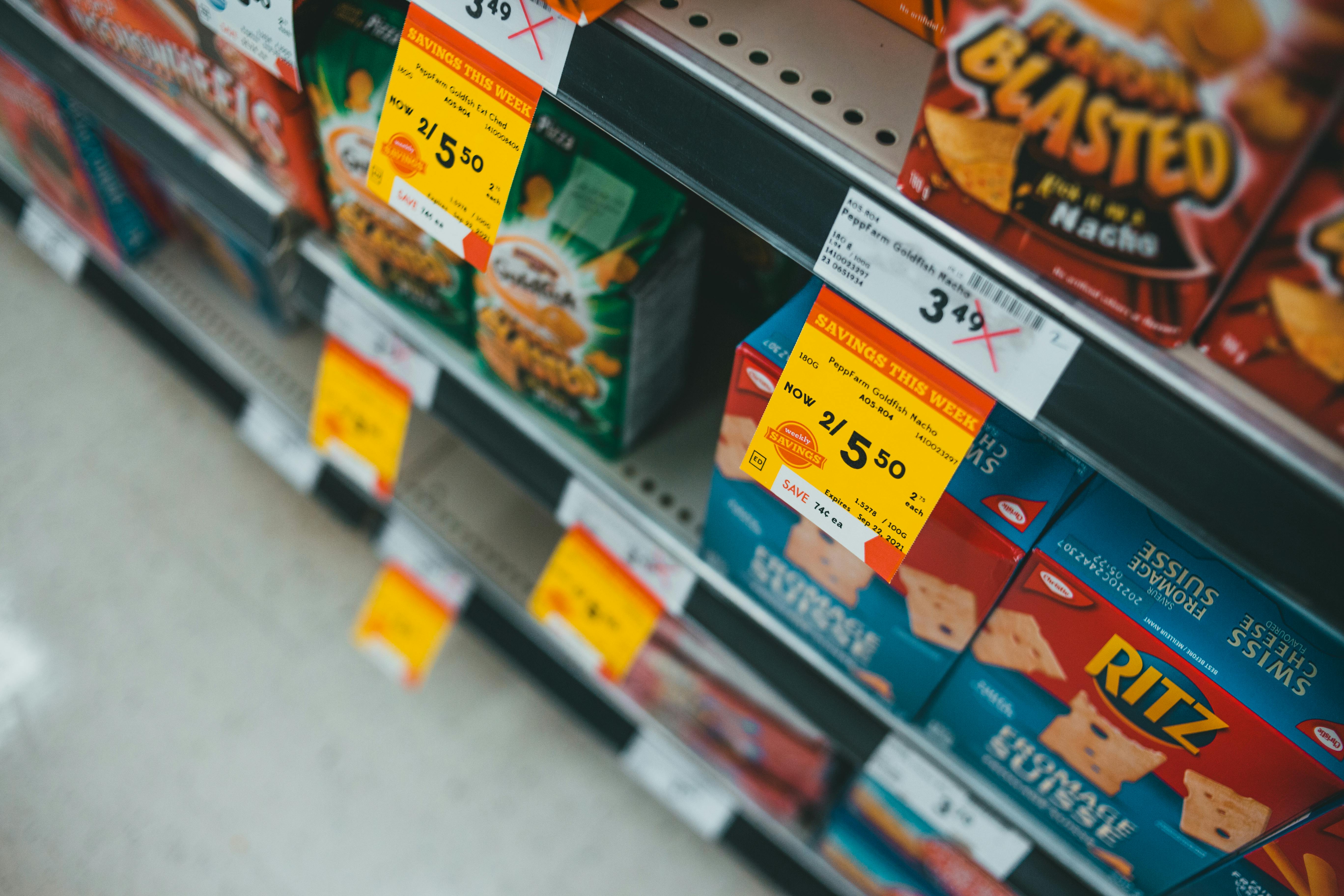
If health adds permission, value adds frequency. One of the clearest lessons of the past two years is that snack brands can no longer assume consumers will keep paying up for habit alone. Inflation fatigue, slower volume growth, and more deliberate household spending have forced manufacturers to rethink what value means. It is not simply discounting. It is the careful design of pack sizes, price tiers, promotions, and sub-brands that make a purchase feel smart rather than compromised.
PepsiCo’s own messaging has become much more explicit on this front. After acknowledging weaker U.S. demand for snacks in early 2025, the company said it was adding promotions, more chips per bag, and value packs to improve affordability. Later, it described a targeted approach to affordable price tiers by brand and channel as part of a broader plan to improve purchase frequency for mainstream brands. That is a meaningful shift. The company is not treating affordability as a temporary fix. It is turning it into a core commercial strategy.
Mondelez has made similar moves in the U.S., stressing the importance of hitting the right price points and using larger packs to communicate better value. This reflects a deeper truth about modern snacking: many consumers still want their familiar treats, but they increasingly want to justify them. A family-size box, a club-store format, or a “better value” pack can function as reassurance even when the shopper is still spending more in absolute terms.
The pressure is especially acute because snacks are discretionary in a way staple groceries often are not. Campbell’s chief executive said in June 2025 that consumers were becoming increasingly intentional about discretionary snack purchases, even as they cooked more at home. That comment captures the mood perfectly. Shoppers have not abandoned snacks. They have started evaluating them more critically.
This is where brand strategy gets subtle. Value brands and secondary brands are being asked to do more work. Companies are using them to protect shelf presence, reach lower-income shoppers, and counter the perception that flagship products are overpriced. In some cases, that means leaning harder into regional brands, entry-level lines, or more visible promotional architecture. In others, it means redesigning the entire price ladder so shoppers can move within a brand family instead of defecting out of it.
Private label is no longer copying the aisle; it is helping redefine it
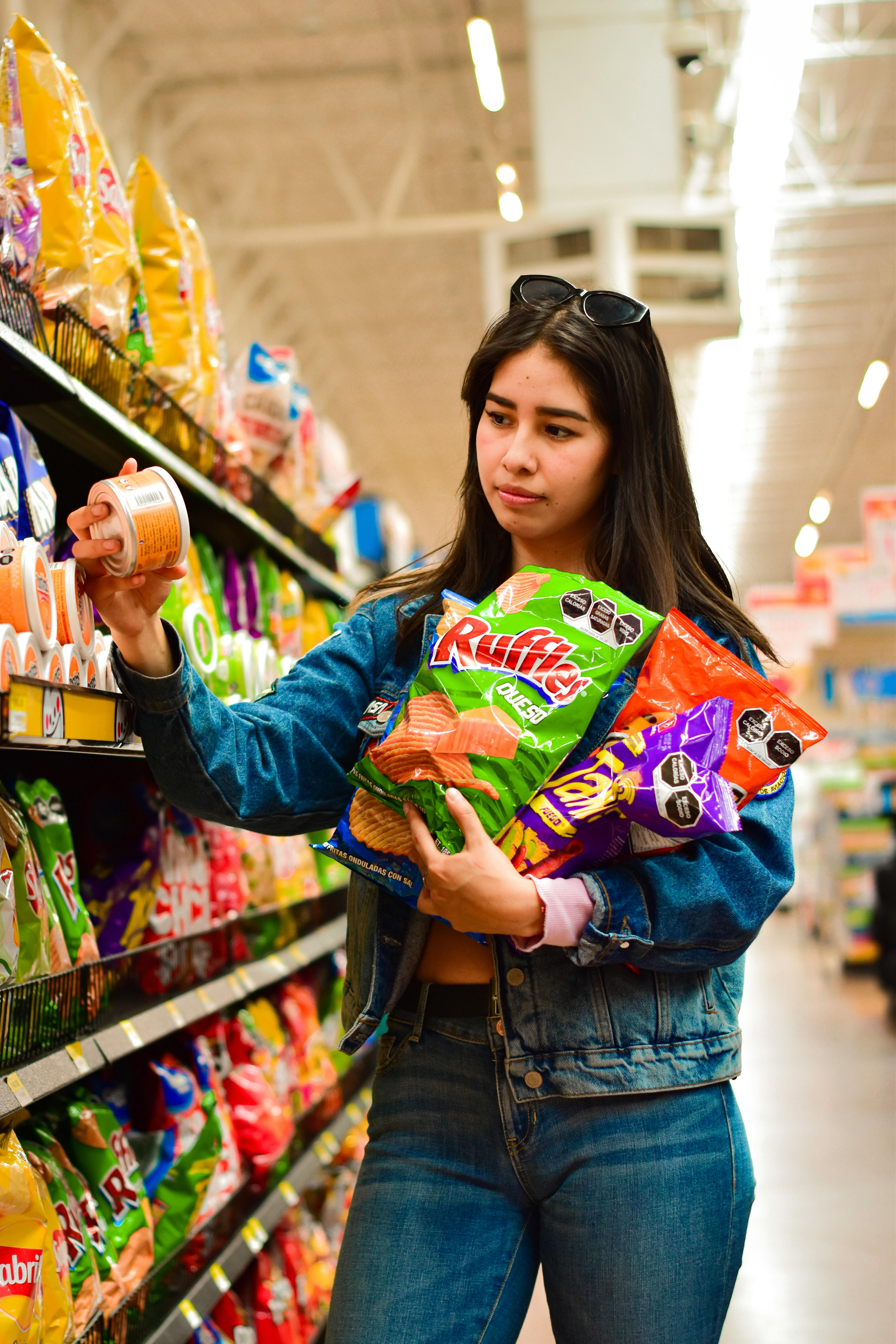
The most underestimated force in American snacking may be the rise of private label from cheap substitute to credible brand system. For years, store brands mostly pressured national players on price. Now they are competing on quality, innovation, wellness, and even lifestyle signaling. That changes the strategic balance of power because the retailer is no longer just the landlord of the aisle. Increasingly, it is a brand owner with its own point of view.
Circana reported in 2025 that private-label snacks were outpacing branded growth in several core categories, and its broader research found retailers building brand equity through innovation, differentiation, premiumization, and sustainability. NielsenIQ data cited by Food Dive showed 80% of consumers surveyed said private-label snacks offered equal or better quality than name brands, with Gen Z especially receptive to that idea. Once shoppers believe store brands are good, not merely good enough, national brands lose one of their oldest advantages.
Kroger offers a strong case study in how this works. Its Simple Truth and Private Selection lines are not generic placeholders; they are distinct identities. Simple Truth leans clean, health-forward, and now protein-rich. Private Selection moves in a more premium, trend-aware direction, including seasonal and limited-edition launches such as its 2025 Cherry Harvest collection. That is not imitation. It is brand architecture. The retailer is covering multiple snack occasions using its own labels, often with sharper margins and tighter control over shelf placement.
Walmart’s evolving private-brand standards point to another dimension of the strategy. Its 2025 move to eliminate synthetic dyes and additional ingredients from U.S. private-brand food products signaled that own-brand snacks can also compete on trust and ingredient standards, not just price. In other words, private label can now speak the language of wellness and transparency as fluently as national brands.
For national snack makers, this is a profound challenge. They are no longer defending against a lower-cost replica. They are competing against retailers that own consumer data, own the shelf, and increasingly own the narrative around quality. The old answer was advertising. The new answer has to be sharper brand distinction, stronger innovation, and clearer emotional value.
The future belongs to brands that can hold contradiction without looking confused

What makes the current snack aisle so revealing is that it rewards contradictions. Consumers want indulgence and nutrition, novelty and familiarity, affordability and premium cues, convenience and ingredient transparency. The brands pulling ahead are not trying to resolve those tensions. They are learning how to package them elegantly.
Conagra’s 2025 Future of Snacking report captured the shape of that demand, highlighting bold flavors, better-for-you choices, and on-the-go convenience as simultaneous drivers. Industry observers are seeing the same thing at trade shows and in launch pipelines: global heat, sweet-spicy combinations, co-branded flavors, high-protein repositioning, and cleaner formulations all appearing at once. The aisle is no longer organized by a single trend. It is organized by layered consumer identity.
That helps explain why acquisitions, partnerships, and line extensions now matter so much. A company that buys a grain-free brand, launches a protein version of a familiar snack, maintains a value tier, and keeps a premium artisanal-looking line is not being incoherent. It is building a hedge against fragmentation. PepsiCo’s combination of heritage brands, better-for-you acquisitions, and functionality-led innovation shows how large players are trying to stay culturally broad without becoming strategically vague.
The branding challenge, however, is discipline. Consumers will tolerate complexity, but they punish confusion. A brand must still signal what it stands for in an instant. The strongest strategies therefore separate roles clearly: one brand for permissible indulgence, one for heritage comfort, one for wellness credibility, one for premium discovery, one for budget reliability. The brilliance is backstage, in the portfolio design, not always on the front of the bag.
America’s snack aisles are being reshaped quietly because the shift is less about one breakout product than about a new operating logic. Winning snack companies are acting less like manufacturers of packaged treats and more like curators of consumer moods. They are building portfolios that let shoppers feel thrifty, adventurous, health-conscious, nostalgic, and slightly indulgent in the same trip.
That is the real brand strategy remaking the aisle. It is not louder packaging or weirder flavors alone. It is the ability to make one shelf speak to many versions of the same consumer, often within the same week, and sometimes within the same afternoon.