
Three words do most of the work in fast food marketing: fresh, real, natural. They sound reassuring, almost honest. But the biggest lie is not that chains use ingredients that all consumers dislike. It is that the language around those ingredients is designed to make heavily formulated food feel simple.
The lie is usually about the impression, not the literal label

Fast food chains have become experts at saying technically true things that still create a misleading picture. “100% beef,” “made with real cheese,” and “freshly prepared” can all be accurate while leaving out the industrial systems, flavoring agents, stabilizers, and processing steps that shape the final food.
That gap matters because people do not buy ingredients one by one. They buy a story about purity and simplicity. A burger may indeed contain 100% beef in the patty, while the bun, sauce, cheese, pickles, and seasoning deliver emulsifiers, preservatives, colorings, gums, and flavor systems that create the familiar taste and texture.
Federal labeling rules make this easier than many people realize. According to the FDA, ingredients must be listed in descending order by weight, but some components can still appear under collective terms such as “natural flavor,” “artificial flavor,” “spices,” or even “color added.” That means consumers often see a cleaner-looking ingredient panel than the underlying formulation might suggest.
So the real lie is not always “this food contains fake ingredients.” It is the quieter suggestion that if a menu board uses rustic language and farm-style imagery, the food itself is somehow closer to homemade than to food engineering. In most cases, it is much closer to the latter.
“Natural” and “real” are marketing comfort words, not clarity
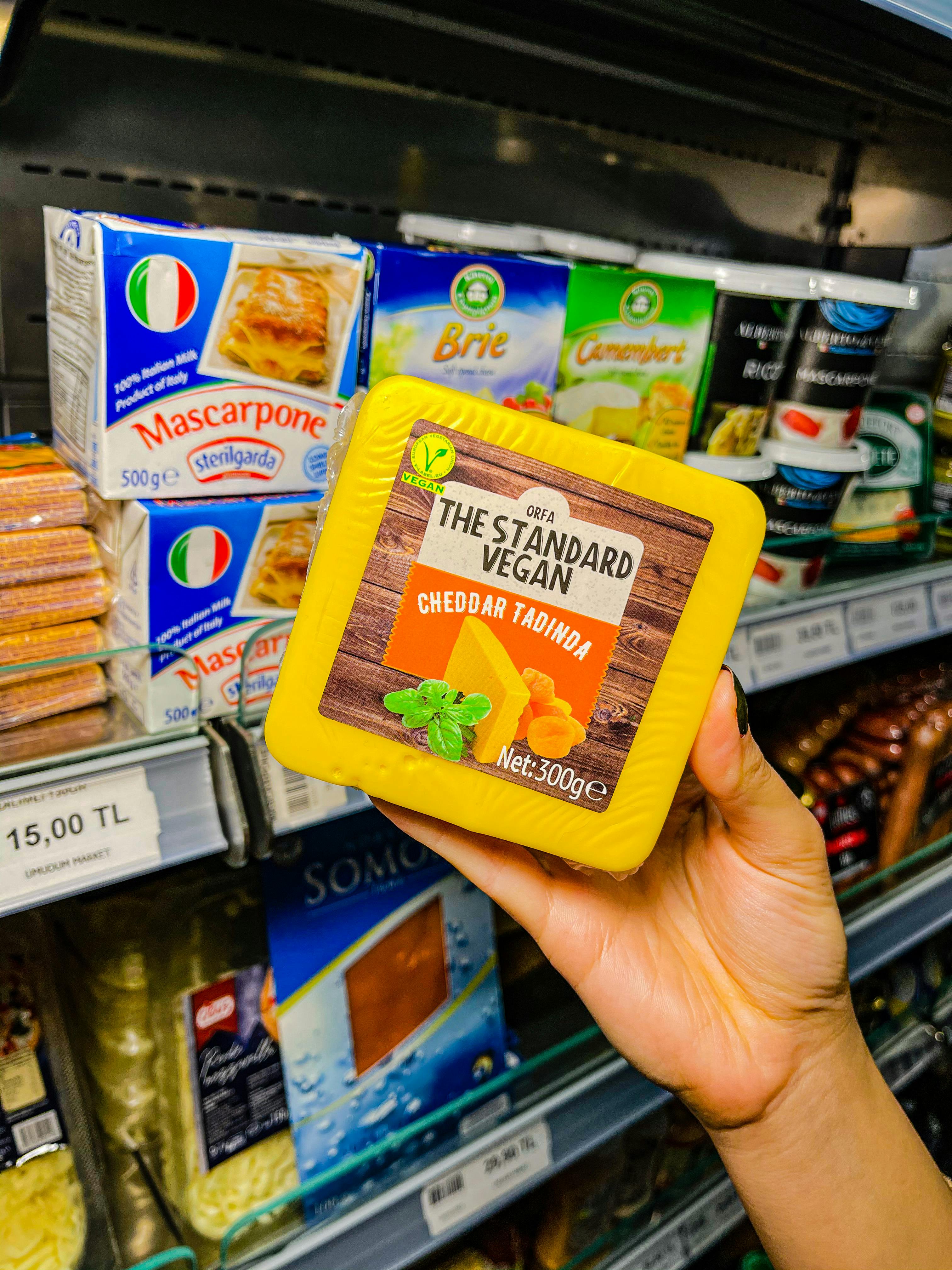
The word “natural” carries enormous emotional weight, yet it often tells consumers less than they think. The USDA has documented how common “natural” claims are across packaged foods, and the FDA still allows key categories like flavors and some colors to be grouped in ways that do not fully spell out every constituent ingredient.
That creates a powerful halo effect. If a menu item sounds natural, many diners infer fewer additives, less processing, and better nutrition. But FDA guidance is explicit that ingredients must meet the same safety standard whether they are naturally or artificially derived. In other words, “natural” is not a shortcut for healthier, simpler, or less manufactured.
Even the term “natural flavor” can be misunderstood. USDA guidance for meat and poultry labels explains that natural flavors may come from spices, extracts, essential oils, and other sources, but that umbrella term still does not give consumers a detailed recipe-level understanding of what created the flavor profile.
This is why the industry’s biggest trick is linguistic. Consumers hear “real ingredients” and picture a kitchen. Companies mean something much broader: ingredients that originate in recognizable raw materials, then pass through extensive industrial formulation. The food may not be fraudulent. The impression often is.
The famous examples are hiding in plain sight

McDonald’s is one of the clearest case studies in how ingredient messaging works. The company says its burger patties are 100% real beef with no fillers, additives, or preservatives, and it also explains that many patties are flash frozen before service, while Quarter Pounder patties are fresh in most contiguous U.S. locations. Both statements can be true at once, yet they create very different emotional reactions.
Its fries tell an even more revealing story. McDonald’s states that its fries are made from real potatoes, but the company also says suppliers partially fry them in an oil blend containing beef flavoring before they are frozen and shipped to restaurants. That does not make the fries unsafe or unusual by industry standards. It does show how “just potatoes” is never the full story.
This pattern repeats across the sector. A chain can promote fresh beef while relying on highly standardized buns, sauces, coatings, and seasoning blends that are built for shelf life, transport stability, and repeatable flavor. Wendy’s “fresh, never frozen” beef claim, for example, speaks to one input in one product category, not to the overall processing footprint of the meal.
That is how the ingredient illusion survives scrutiny. Each isolated claim may hold up. The consumer takeaway that the whole meal is straightforward and minimally manipulated usually does not.
Processing is the part nobody talks about enough

Consumers often focus on whether an ingredient sounds familiar, but processing does more to define fast food than any single additive. Fast food is engineered to travel, hold heat, survive freezing, reheat predictably, and taste identically across thousands of locations. That requires systems, not just recipes.
Preservatives and stabilizers are only part of that system. The FDA notes that additives can improve safety, maintain freshness, preserve texture, prevent separation, and standardize color and taste. Those functions are essential to modern chain food. Without them, national fast food as people know it would be far less consistent, less convenient, and often less safe.
The issue is not that processing automatically makes food dangerous. It is that chain market around the word as if the food came together in a back-of-house kitchen from a few raw ingredients and a grill. In reality, many components arrive pre-formulated, partially cooked, frozen, dried, concentrated, or blended long before a worker assembles the order.
That distinction changes how people should think about ingredient honesty. The real question is not “Does this contain chemicals?” Everything edible is chemical. The better question is “How much invisible formulation was required to make this food cheap, durable, and identical everywhere?” In fast food, the answer is usually: a lot.
Clean labels can still conceal complex formulations
Another reason the ingredient story feels incomplete is that labels and menu disclosures do not always capture complexity in a consumer-friendly way. FDA rules allow collective declarations for some flavors, spices, and colors, which means a shopper or diner may not see every subcomponent spelled out in plain language.
Allergen rules still matter, and companies do disclose major allergens. But beyond allergen compliance, transparency often stops at the legal minimum. A phrase like “natural flavor” may be perfectly lawful while giving almost no practical insight into how a product was formulated to taste buttery, smoky, grilled, or meaty.
Recent FDA action on color claims also shows how fluid these marketing categories can be. In 2025, the agency said companies would have more flexibility to use “no artificial colors” claims when products contain no petroleum-based colors. That may reduce one kind of confusion, but it also underscores how much labeling language depends on regulatory framing rather than everyday understanding.
For consumers, the lesson is simple: a short claim on the front of the package or menu board is almost never the whole truth. Fast food chains are selling reassurance as much as food. Ingredient language is one of their most effective tools.
What honest ingredient transparency would actually look like

Real transparency would not mean scaring people with long chemical names. It would mean explaining what the ingredient does, why it is there, and how processed the component was before it reached the restaurant. That would let consumers judge the food on reality instead of on branding cues.
A more honest menu might say the beef patty is plain, but the sandwich as a whole is built from industrially prepared components designed for flavor consistency and shelf stability. It might explain that fries start as potatoes but are also pretreated, partially fried, flavored, frozen, and finished in restaurant oil. That is not scandal. That is context.
Fast food does not need to pretend it is farmhouse cooking to be acceptable. People buy it for convenience, price, speed, and familiarity. The problem begins when language like “real,” “fresh,” and “natural” quietly encourages consumers to imagine something less processed than what they are actually eating.
That is the biggest lie nobody talks about enough. Fast food chains are not mainly deceiving customers about whether ingredients exist. They are deceiving them about how simple those ingredients really are.