
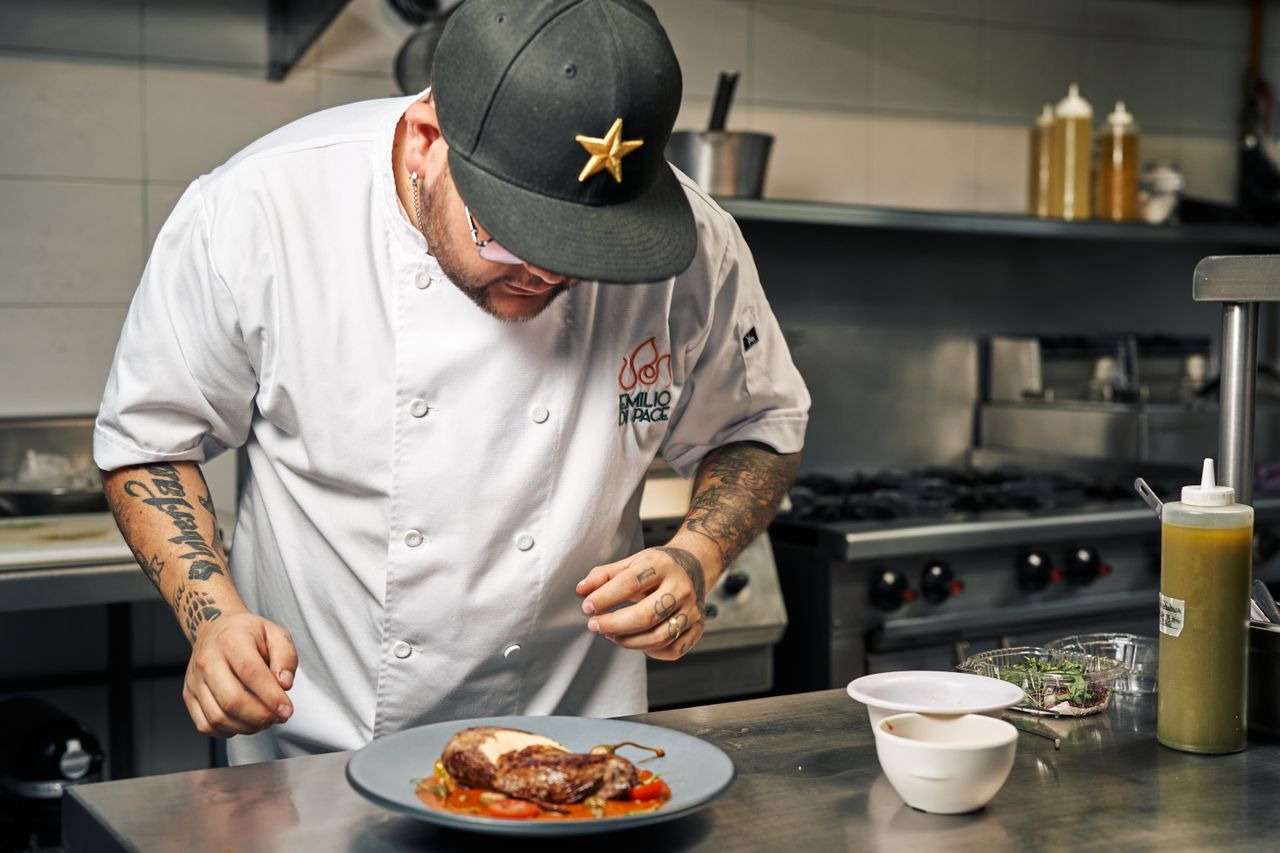
Luxury hotels often promise great dining. Very few make the entire stay feel like an extension of a Michelin-starred kitchen.
That is what makes SingleThread Inn in Healdsburg, California, so startling. The five-room property sits above the acclaimed SingleThread restaurant, and the chef-driven experience is so tightly woven into the overnight stay that the price tag lands with real force.
A hotel built around one of America’s most decorated dining rooms

SingleThread is not a conventional resort with a famous chef attached for branding. It is a tiny inn created by chef Kyle Connaughton and farmer Katina Connaughton, built around a restaurant that has earned three Michelin stars and a Michelin Green Star in California. Michelin also awarded the inn Three Keys, its highest hotel distinction, putting the property in a rare tier where lodging and dining are treated as one integrated experience.
That structure matters because guests are not simply booking a room near a famous restaurant. According to the inn’s official materials, overnight stays include a full-service breakfast for two, and inn guests receive guaranteed access to the restaurant, one of the hardest reservations in Sonoma County to secure. Michelin’s own hotel coverage describes the property as a place where breakfast, amenities, and room service are included to create a home-like sense of hospitality.
The result is less like checking into a hotel and more like entering a private culinary world. Even before dinner begins, the inn telegraphs that food is the true luxury amenity.
What “every meal” actually means during the stay
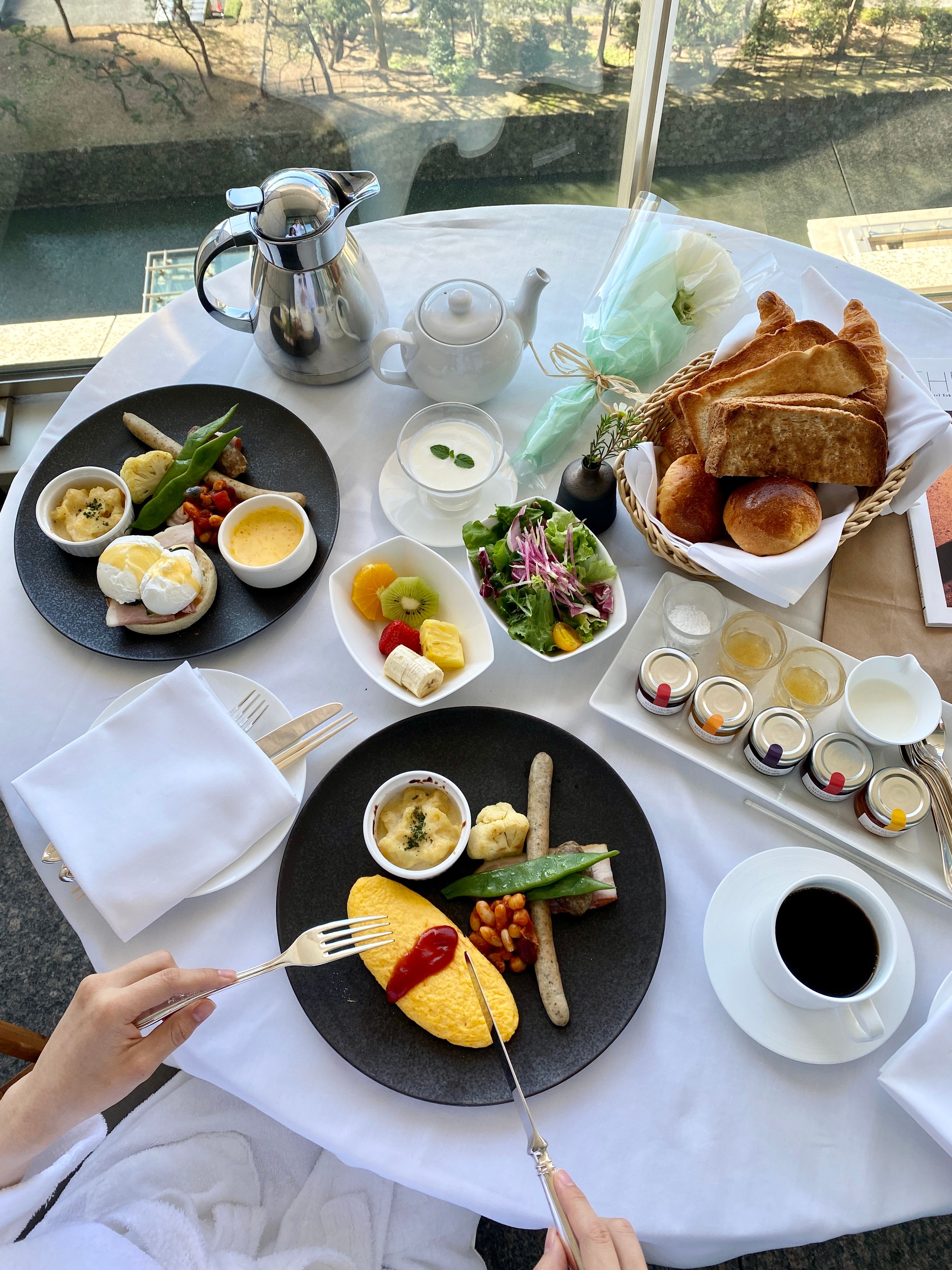
The promise sounds exaggerated at first, but it holds up surprisingly well. Breakfast is not an afterthought buffet or a standard room-service tray. SingleThread says guests receive a complete breakfast shaped by seasonal produce from the farm, with service available in the room, in the study, or on the rooftop garden when weather allows. The inn also highlights Japanese and Sonoma-style breakfast options, showing how deeply the food program is tied to Chef Connaughton’s culinary point of view.
Then there is the restaurant itself, the crown jewel of the stay. The dining room has become a destination because of its highly choreographed tasting experience and its farm-driven approach. Condé Nast Traveler has described the meal as the real reason many travelers come, while Forbes Vetted noted that simply obtaining a guaranteed reservation is a major perk given the demand.
For guests staying two nights or more, the experience can stretch further with a private in-room Hot Pot Donabe Dinner, a multi-course meal served family style. That detail is important because it means the chef’s influence is not limited to one marquee dinner. It spills into breakfast, into in-room dining, and into the overall rhythm of the stay.
Why the price feels shocking, even in luxury travel
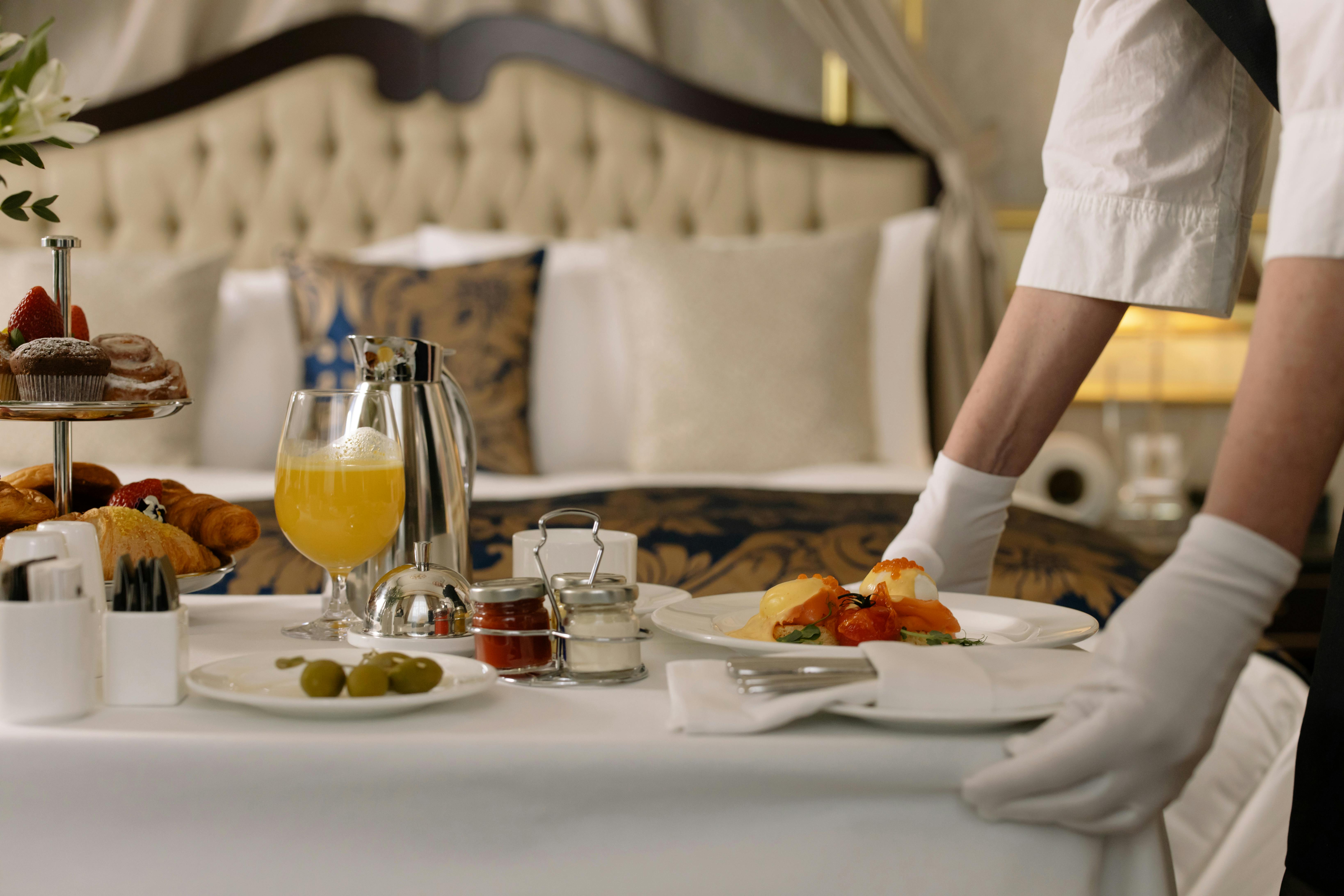
The sticker shock comes from context. Many luxury travelers expect expensive rooms, and many food lovers expect Michelin-level dinners to cost serious money. What feels different here is the stacking effect. You are paying for scarce inventory, elite cooking, intimate service, and one of wine country’s most sought-after restaurant reservations at the same time.
SingleThread has only five rooms, which immediately pushes it into an ultra-boutique category. That scarcity alone changes the economics. Add in highly personalized hospitality, premium ingredients, and a breakfast program that would be a headline feature at lesser hotels, and the base rate stops looking like a normal room charge and starts resembling admission into a tightly managed culinary production.
There is also the psychological effect of comparing it with ordinary hotels. A luxury property may charge a similar room rate but still treat food as an optional extra. At SingleThread, meals are central to the identity of the stay. That makes the total feel steep, but it also makes comparisons tricky. You are not just buying a bed for the night. You are buying access to a chef-led ecosystem.
The real value proposition behind the bill
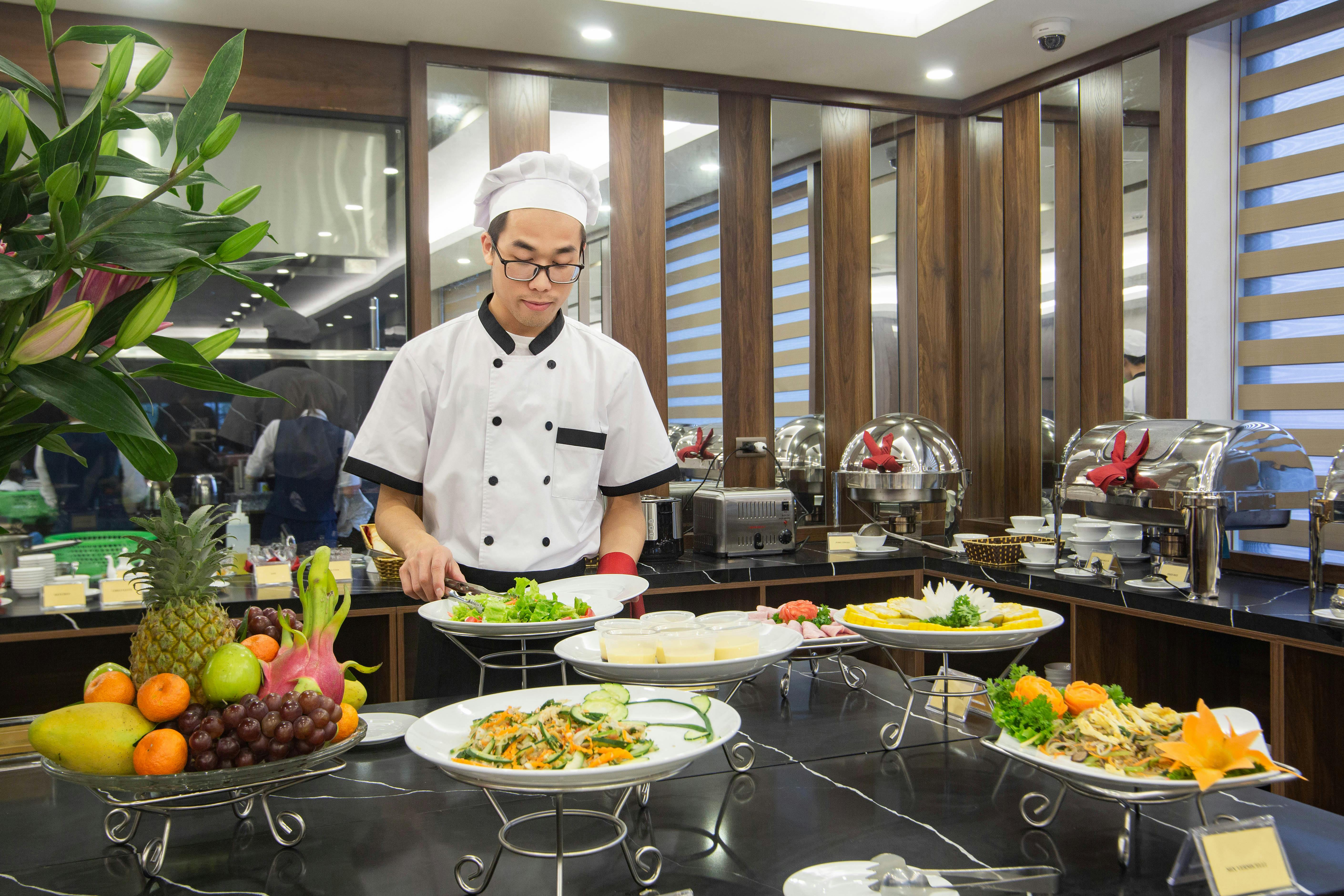
Whether the cost feels outrageous or justified depends on what kind of traveler you are. For someone who mainly wants a plush room, a spa, and a pool, SingleThread may look overpriced. The inn itself does not lean on sprawling resort infrastructure. Its official booking information notes there is no on-site pool, and guests looking for traditional large-hotel amenities may find the culinary emphasis narrow.
But for serious diners, the calculation changes fast. Guaranteed access to a three-Michelin-starred restaurant has real value in a market where prime reservations can shape an entire trip. Breakfast is included, and Michelin’s hotel coverage emphasizes that the experience is designed to feel comprehensive rather than transactional. That changes the way guests mentally break down the bill.
There is also a broader shift in luxury travel at work here. More high-end travelers now organize trips around restaurants, wineries, and chef experiences rather than around room size alone. In that environment, a hotel where the food is the destination can command a premium that would seem irrational in a more conventional hospitality model.
Why Michelin-star hospitality is becoming a travel category of its own
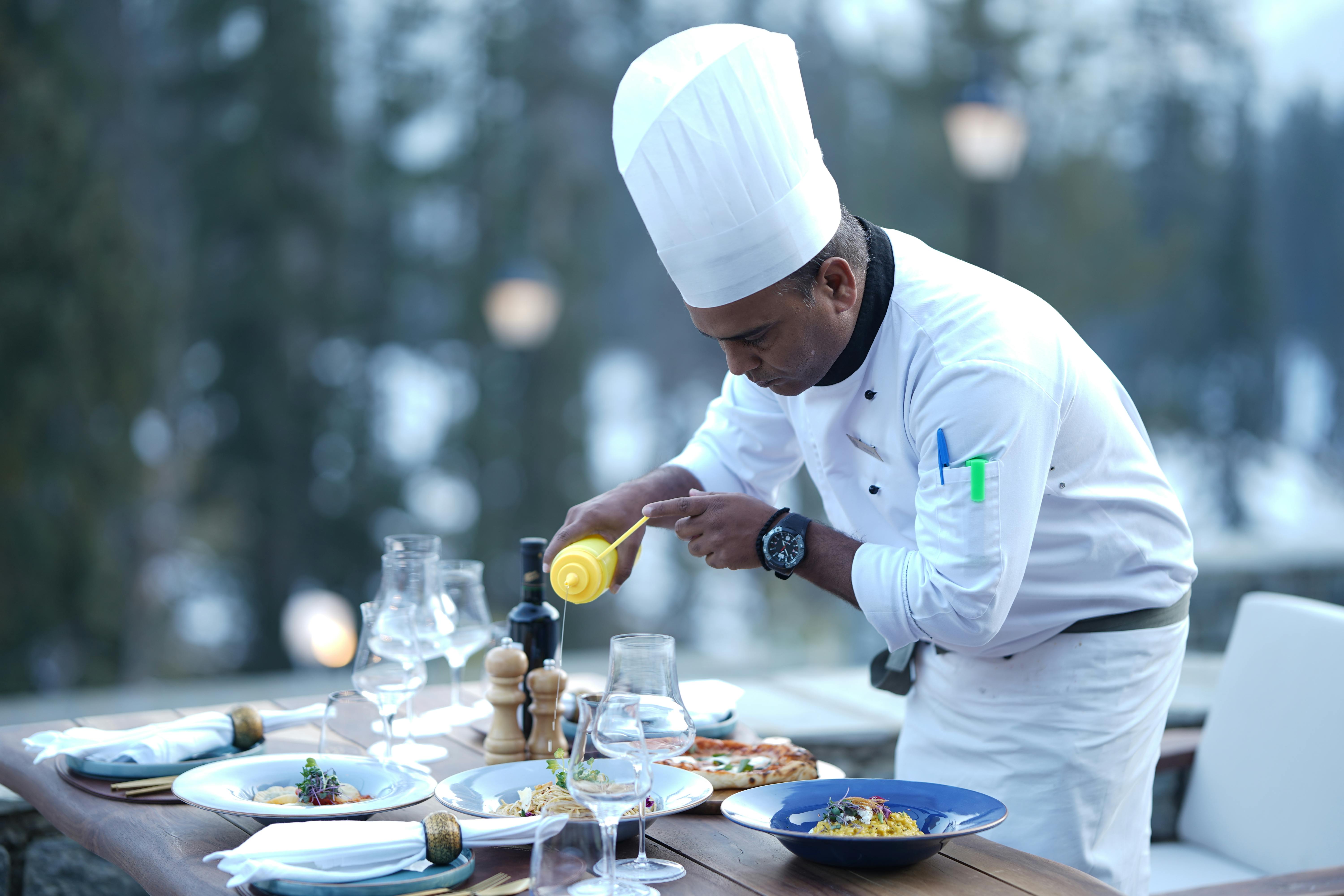
SingleThread is part of a wider evolution in luxury travel, where hotels are increasingly judged by their culinary credibility as much as their thread counts. Michelin’s recent expansion into hotel “Keys” reinforces that change by rewarding properties that deliver a complete sense of place, not just polished rooms. In other words, the meal is no longer a side feature of the stay. It is often the defining reason to go.
That helps explain why chef-driven hotels now attract a different kind of guest. These travelers are not asking whether a hotel has a decent restaurant. They are asking whether the stay itself can deepen a dining experience. Properties that answer yes, especially those tied to Michelin-recognized kitchens, gain pricing power because they offer something increasingly difficult to replicate.
There is also an exclusivity premium at work. Fine dining, especially at the three-star level, already trades on rarity, seasonality, and labor intensity. When a hotel wraps those same values into lodging, the room becomes part of the tasting menu’s aura.
The final verdict: astonishing price, but not an empty one
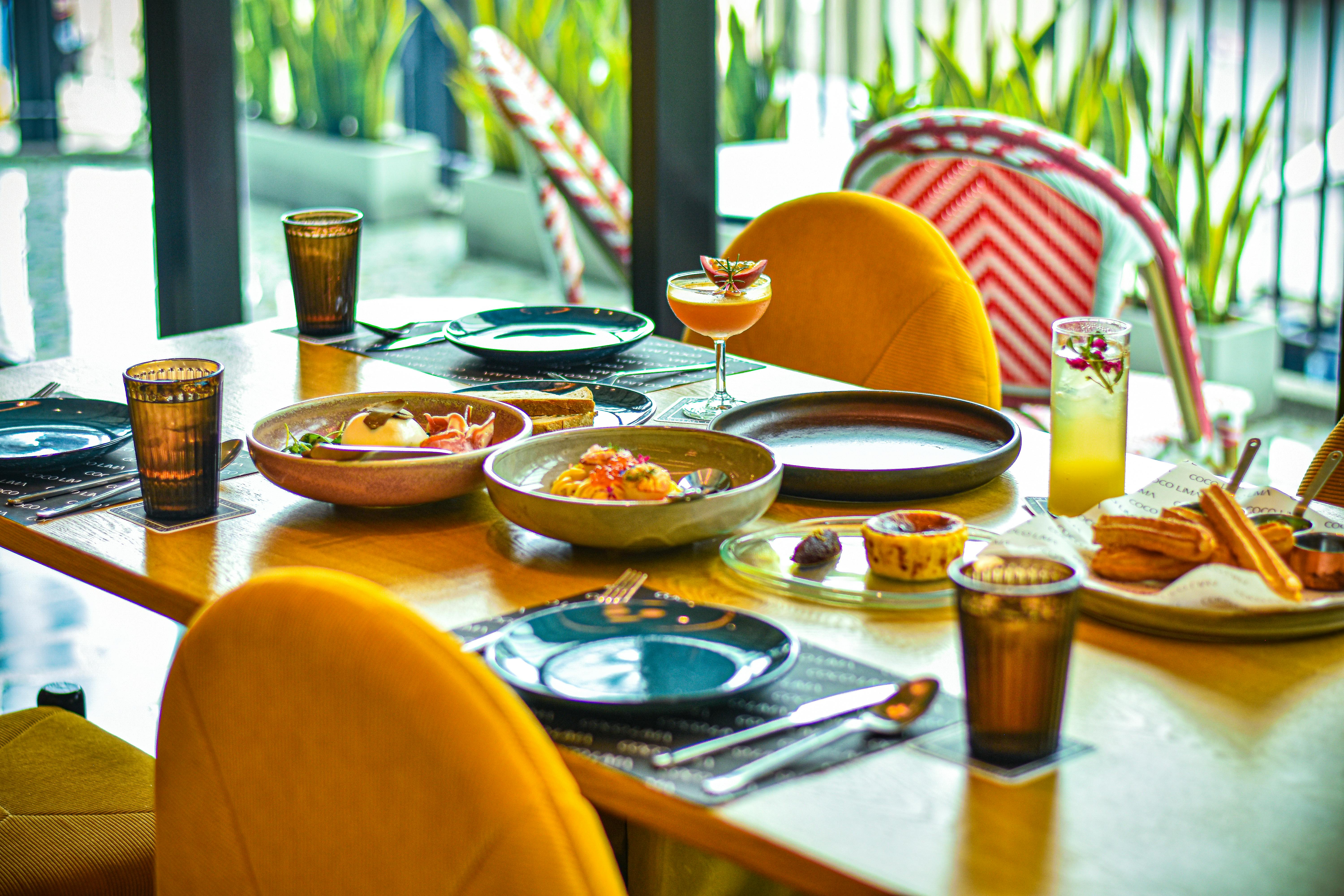
The shock is real because the price asks you to rethink what a hotel stay can be. At SingleThread Inn, the room is almost secondary to the culinary choreography around it. Breakfast is included, restaurant access is effectively built into the stay, and guests on longer visits can add an in-room Donabe dinner that extends the chef’s reach beyond the dining room. Few hotels can credibly say that every major meal moment is touched by a Michelin-starred operation.
That does not make the experience affordable, and it certainly does not make it universal. For plenty of travelers, the bill will feel excessive no matter how exquisite the food is. Yet for people who measure luxury by craftsmanship, scarcity, and the privilege of being fed at the highest level from morning to night, the number starts to make a different kind of sense.
It is a shocking price, yes. But it is also one of the clearest examples of how food has become the ultimate luxury amenity.