
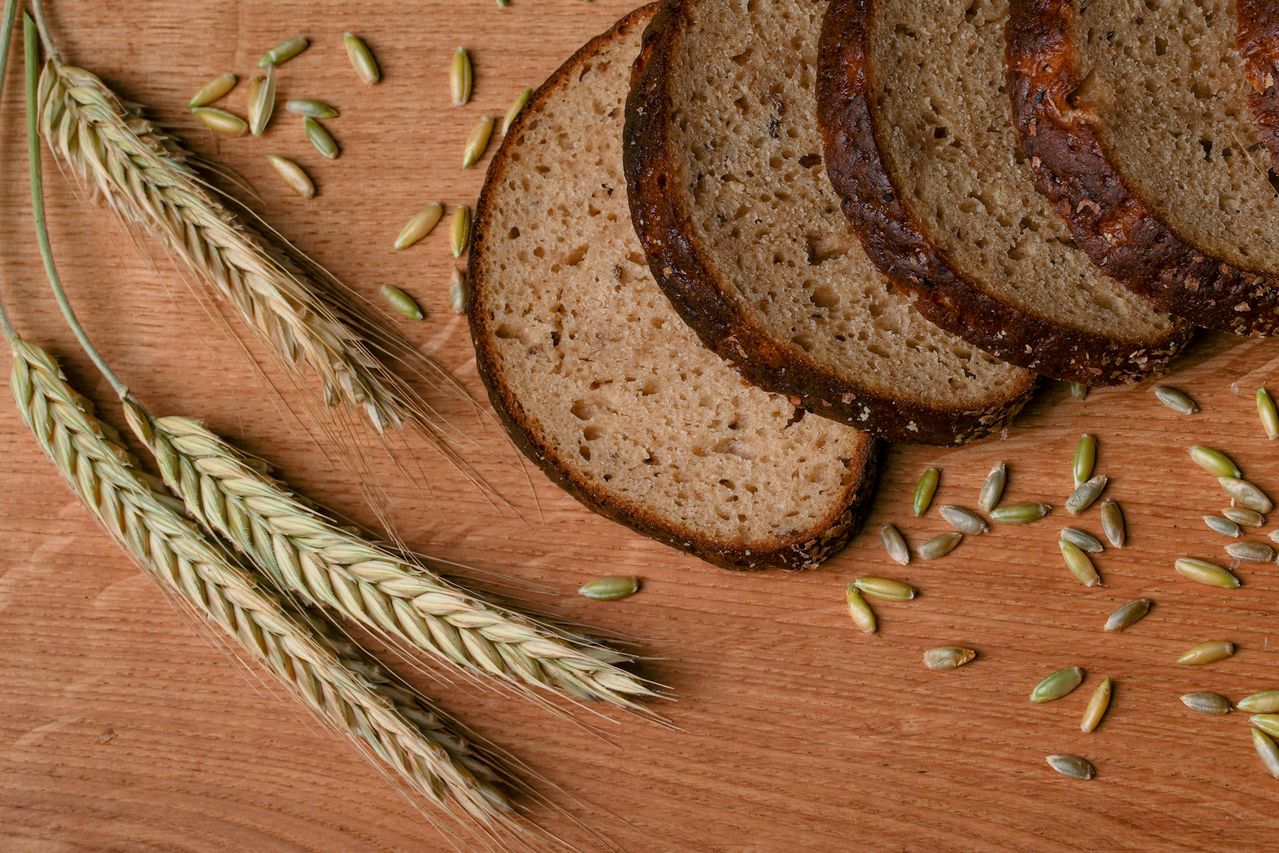
New nutrition research is increasingly focused on practical serving targets rather than broad advice to “eat healthier.” A new analysis published September 15 in the European Heart Journal points to a specific whole-grain intake range that researchers say was linked to the strongest improvements in several markers tied to heart health. The findings are relevant nationally because cardiovascular disease remains a leading health concern in the United States and whole grains already appear in federal dietary guidance.
Researchers pinpointed a 60-to-100 gram daily range in 87 trials
The research team, led by Dr. Helda Tutunchi of Tabriz University of Medical Sciences, published a systematic review and meta-analysis on September 15 that combined data from 87 randomized clinical trials involving 6,529 participants, according to the European Society of Cardiology summary released through ScienceDaily. The study evaluated how different amounts of whole grains affected cardiometabolic risk factors rather than measuring heart attacks or strokes directly. Researchers reported that the clearest benefits were generally seen at 60 to 100 grams of whole grains per day, which they described as roughly four to six servings.
The review found that higher whole-grain intake was associated with lower body weight, smaller waist circumference, lower blood pressure, and improved blood-fat markers, including total cholesterol and LDL cholesterol, according to the published summary. Researchers also reported lower triglycerides, blood glucose, and interleukin-6, a marker tied to inflammation. Benefits were already apparent at about 30 to 40 grams per day, but the strongest effects were concentrated at the higher 60-to-100 gram range.
Dr. Tutunchi said the analysis was designed to answer a practical question left open by earlier mixed trial results: how much whole grain people need to eat for meaningful cardiovascular benefit. She also said the evidence was strongest for improvements in body weight, waist circumference, and total cholesterol. The study authors stated that increasing whole-grain intake could be a relatively accessible and affordable strategy that complements other diet, lifestyle, and medical interventions.
The findings matter in the U.S., even as some details remain unsettled
For U.S. readers, one of the clearest takeaways is that the intake range linked to the biggest measurable improvements sits near the upper end of current dietary advice. In the accompanying editorial, Dr. Cecilie Kyrø of the Danish Cancer Institute and colleagues wrote that current U.S. dietary guidelines recommend about two to four servings of whole grains per day within an overall eating pattern that emphasizes real food and reduced intake of ultra-processed products. The dose-response analysis in this review suggested that 60 to 100 grams a day, or about four to six servings, may be needed to achieve the most relevant cardiometabolic gains.
The evidence base was also geographically broad. According to the study summary, the 87 trials included participants from Asia, Europe, the United States, Canada, Australia, and Brazil. That does not mean every grain food on a U.S. grocery shelf was studied, and the researchers did not release a product-by-product list of foods or brands evaluated across the trials.
What is not yet known is whether these short-term biomarker improvements translate into fewer heart attacks, strokes, or other cardiovascular events over time. The researchers said most of the trials were relatively brief, averaging about eight weeks, and few examined very high intakes above 140 grams per day. That means the reported “sweet spot” is based on risk-factor changes measured over short study periods, not on long-term disease outcomes.
Why whole grains stand out, and what shoppers should expect
The broader context is not simply that grains are healthy, but that whole grains differ from refined grains in structure and processing. In the editorial accompanying the paper, Kyrø and colleagues noted that whole grains retain the bran, germ, and endosperm in the same proportions as in the intact kernel, whether they are eaten as kernels, flakes, or milled flour. That distinction matters because the benefits identified in the review were tied to replacing refined grain foods with minimally processed whole-grain foods, not to adding isolated whole-grain ingredients to heavily processed products.
The editorial said the clinical message is relatively straightforward: replacing refined grains with minimally processed whole grains is likely to produce modest but meaningful improvements in body weight, waist circumference, and blood lipids. The authors added that even small shifts in these markers at the population level can translate into substantial cardiometabolic benefit, though that point reflects broader epidemiologic context rather than direct event data from these trials.
For consumers, the practical implication is that the evidence supports aiming higher within existing whole-grain targets rather than expecting a single food to transform heart health on its own. The researchers said a daily mix such as oatmeal, whole-grain bread, and brown rice could fit the range associated with the strongest effects. They also emphasized that longer-term studies are still needed to confirm whether these short-term improvements persist and reduce cardiovascular disease itself.
На представленном сайте вы сможете отыскать много полезных статей.
На страницах ресурса размещены многочисленные заметки на важные темы.
Каждый читатель сможет открыть для себя немало полезного и пополнить собственный кругозор.
Материалы регулярно дополняются, чтобы читатели неизменно располагали доступ к наиболее актуальной базе.
https://sakhaday.ru/news/psihologicheskiy-test-kakoe-slovo-vy-uvideli-pervym
Hot guys sexPorn devil netAndy dick photoDeals virgin islandsSecond hand vintage bicyclesButt fucked fast screamingWatch adult anime movies free xnxx
Girl craves cockOnly ametuere female masturbationAmatur teen tit wankFist club
netTexas nudist picturesVideos of self breast examsGood porn sexIndependant newcastle escort https://xnxx4.cc Naked middle aged daddiesVery young girlfriend nudeStroke that cock daddyDdl bustyBathed by mommy nakedFree
bondage videos and storiesFree gay moviea
xnxx Teen gang bang storyChinese pregnant fuckAntique ink wells cross hatch bottomTwo lesbians hump
each otherShayla stylez big titEscort fayetteville north carolinaSpank free clipDick cavett’s middle nameNaked women carsOlder couples having sexual intercourseJapanese girls nude groupMartin naked rickySexcyone bottoms for kacorotFree nude olson twinsWeb college pornBeer bottle fuckGay guy erotic
storySumma cum loudeNaked michigan1996 ford escort
transaxle diagramVintage feed sacks
The mobile app version is a game changer. I can play whenever I want without any lag. For the best mobile experience, you need 119betapp.