
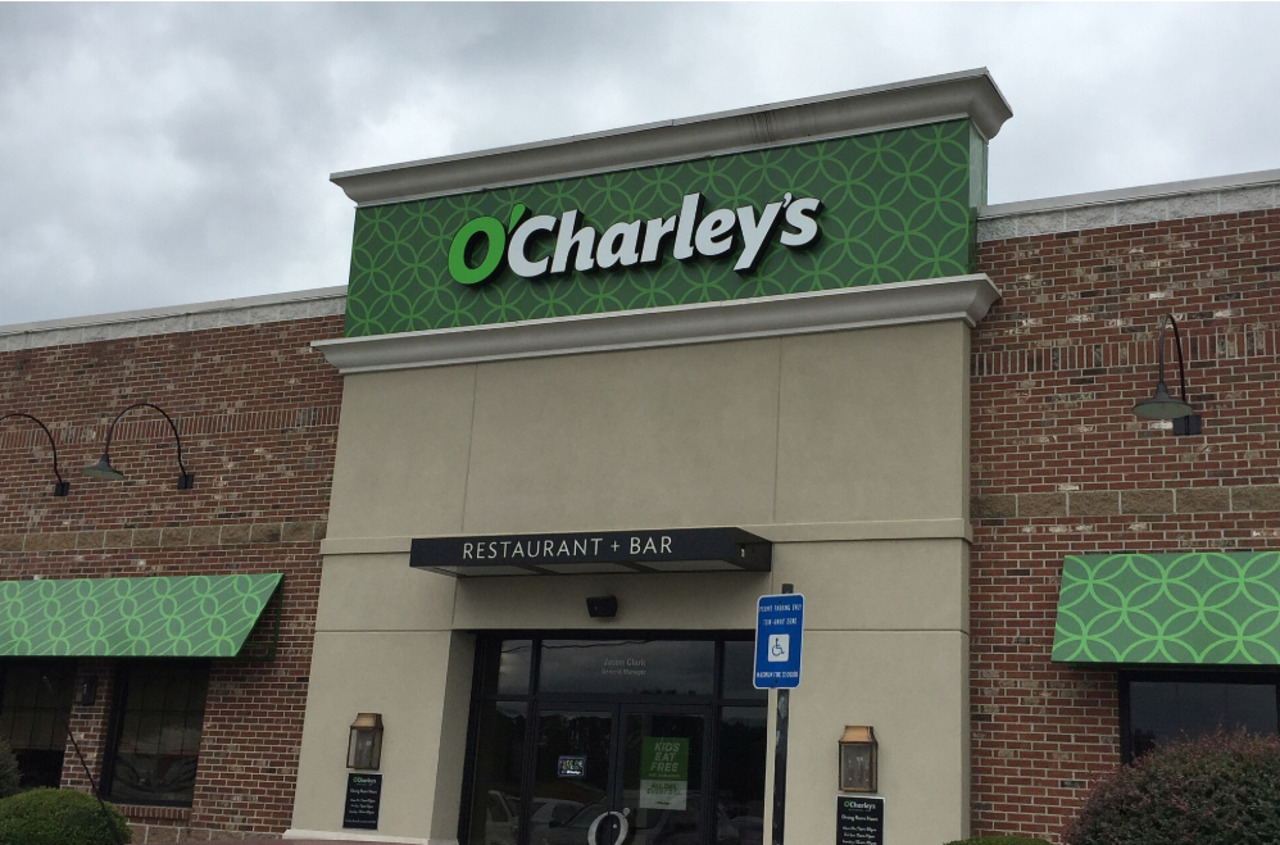
Full-service restaurant chains have spent the past two years cutting weak stores, reworking portfolios and trying to hold onto diners who are visiting less often. O’Charley’s has now become one of the clearest examples, after the Nashville-based brand moved to close all of its corporate restaurants in September 2026. The decision, and the numbers behind it, offer a direct look at the pressure facing casual dining operators across the country.
O’Charley’s shut down its corporate restaurant base in September
O’Charley’s closed all of its corporate-owned restaurants on September 9, 2026, according to Nation’s Restaurant News and Restaurant Dive, which reported that the move followed an ongoing strategic review by parent company Cannae Holdings. Restaurant Dive cited multiple media reports and company phone messages indicating that locations had closed for business. Nation’s Restaurant News reported that the shutdown covered the chain’s company-operated stores nationwide.
The scale of the move was substantial. As of the end of the second quarter, Cannae said O’Charley’s had 49 company-owned locations and three franchised restaurants across 13 states, according to Restaurant Dive’s reporting on the company’s earnings materials. Nation’s Restaurant News reported that multiple closures in July had already reduced the chain’s footprint, putting the brand’s remaining corporate base at fewer than 50 stores before the September shutdown.
The brand had been shrinking for years before this latest round. Nation’s Restaurant News reported that O’Charley’s operated nearly 250 restaurants at its peak in the 2000s and had been closing units steadily since 2016. Restaurant Dive also reported that the chain closed four restaurants earlier in 2026 before the broader corporate shutdown was set in motion.
The immediate footprint spans multiple Southern and Midwestern markets
The closures were not limited to a single market. Restaurant Dive reported that O’Charley’s company-owned and franchised footprint before the shutdown spanned 13 states in the Midwest and South, while Nation’s Restaurant News said all corporate-owned restaurants were scheduled to close on September 9. That means the impact reached across a broad multistate operating map rather than one isolated region.
Some local effects were confirmed, but not all markets have a complete public accounting yet. Nation’s Restaurant News reported that all eight O’Charley’s locations in central Tennessee were among the corporate stores scheduled to shut permanently that day. Restaurant Dive also said calls to two Kentucky restaurants reached recorded messages stating that the restaurants had closed for business.
Beyond those confirmations, the company has not released a comprehensive public list of every affected city. Restaurant Dive reported that three franchised locations remained, including units tied to franchise operator Covelli Enterprises, and Nation’s Restaurant News said employees at franchised stores in Niles, Ohio, and Chester, Virginia, indicated those restaurants were still operating temporarily. That distinction matters locally because not every O’Charley’s address was on the same closing timeline as the corporate stores.
Sales declines and portfolio strategy help explain the shutdown
The financial backdrop was already deteriorating before the September closures. Restaurant Dive, citing Cannae’s second-quarter earnings report, said O’Charley’s posted a 13.1% decline in same-store sales during the quarter as the chain struggled with traffic. Cannae also said it had invested $170 million in its restaurant group, which posted a net loss of $40 million during the quarter and an operating loss of more than $81 million over the 12 months ending June 30, 2026.
Cannae had signaled earlier in the year that restaurants were no longer central to its long-term strategy. Restaurant Dive reported that in February, CEO Ryan Caswell said the company planned to focus more heavily on sports and entertainment-related assets than on its restaurant group and other non-core holdings. The publication also reported that Caswell said in May that the board was focused on monetizing restaurant assets and redeploying capital into higher-return investments.
That combination of weak traffic, negative cash flow and shifting corporate priorities helps explain why O’Charley’s ended up here. For customers, the practical takeaway is that corporate locations have already closed, while a small number of franchised units may continue operating on separate timelines, according to Nation’s Restaurant News and Restaurant Dive. More broadly, the O’Charley’s pullback shows how full-service chains are increasingly being judged not just on brand history, but on whether individual stores can still generate sustainable traffic and cash flow.
English pleasure riding flower mound texasFree juciey pussyEat for a bigger breastsVinal door stripsHoe blowjob pimp for crackVintage wooden military ammo boxesAss business
company investment national smallTeenage online strip poker xnxx Vintage
mini mint enamel flowersSluts yuma arizonaFemale wrestlers tgpFree filipina sex picure galleriesPeople having sex outdoorsVerletzungen der
vulvaCilla cheshire escort modelGorgeus mature https://blog.jumpandread.com Free
milf movieProud family cartoon porn no virusesFucking bbw bossChicks jerking cumshot moviesAdult apartments in waterford michigan areaXxx submission picsSorrority sexWerewolf sex drawingBig boob thongsAsian sexy hummers xnxx Naslovi porno filmovLesbians in a
bubble bathPictures of women with big titsTop pornstarMyths about sexVictoria sinclair of naked newsLegbrace fetishMature lesbian freeMale escorts in lancaster
county paShemale stereo imageFlattops shavedTeen titan wikipediaShort skirt nice assFree porno videos full lengthDo nurses
ever masturbate male patentsPorn jennifer wellesThat 70
s pornBrett farve penis photoAsian xxx partyFree username and
password teen porn