Even the Famous Moms Keep Coming Back to Certain Kitchen Classics

Some kitchen tools never really leave. They survive trends, remodels, and the constant stream of new gadgets because they solve the same problem beautifully every time.

That helps explain why even famous moms, with access to every upgrade imaginable, keep circling back to a handful of classics.

The appeal of classics is bigger than nostalgia

The return to kitchen staples is not just a celebrity quirk; it mirrors how Americans are cooking now. Circana reported in August 2024 that 86% of eating occasions were sourced from home over the prior year, a sign that everyday meals still begin in familiar kitchens rather than restaurants. The same research also found consumers continuing to lean into at-home routines even as inflation pressures reshaped spending.

That reality makes dependable equipment more valuable than novelty. Circana has also said purchases of cookware, slow cookers, rice cookers, air fryers, and everyday dinnerware have grown as shoppers prepare more meals at home. In other words, consumers are not abandoning convenience, but they are investing in tools that support repeated, practical use.

There is also a strong comfort factor. Hartman Group research has found that most eating and drinking occasions happen at home, where people often crave foods that feel familiar, hot, and easy to enjoy. Pew Research Center reported in 2025 that Americans who say they eat more home-cooked meals also tend to describe their diets as healthier, reinforcing the idea that the classic kitchen setup is tied not only to taste, but to routine and well-being.

The celebrity favorites are tellingly practical

What is striking about celebrity-mom kitchen preferences is how unflashy many of them are. Jennifer Garner, whose home cooking and baking habits are well documented, told Shop TODAY that her most-used kitchen product is a KitchenAid mixer and that it gets used every single day. That endorsement matters because it points to a machine valued not for display, but for constant function in a busy household.

Katherine Schwarzenegger Pratt has similarly highlighted classic cookware over novelty. In a Shop TODAY interview, she pointed to a Le Creuset Dutch oven as a meaningful gift choice for family cooking, especially when larger holiday meals call for a bigger pot. The Dutch oven remains one of the clearest examples of a kitchen classic because it moves easily from braise to soup to bread baking without feeling specialized.

These choices track with broader consumer behavior. Circana’s 2024 Kitchen Audit described strong demand for fast, practical appliances, but it also underscored how central the home kitchen remains for both daily meals and special occasions. When high-profile parents choose sturdy cast iron, mixers, and multipurpose pots, they are revealing the same truth most home cooks already know: the best classics earn their place by doing many jobs well.

Why these staples keep winning in real family kitchens

The enduring tools are the ones that reduce friction. A stand mixer handles cookies, birthday cakes, muffins, and bread dough. A Dutch oven covers soups, pasta sauces, stews, roasts, and no-knead loaves. A slow cooker or dependable pot turns dinner into a manageable task instead of a nightly scramble, which is one reason Circana has noted that devices supporting quick prep and easy meals continue to resonate with consumers.

There is also an economic logic behind these repeat favorites. As households look for value, multipurpose pieces outperform single-use gadgets. A well-made pan or mixer may cost more upfront, but it can replace several lesser tools and stay relevant for years. That matters at a time when consumers are still balancing comfort with cost-conscious decisions, a theme Circana has repeatedly identified in its home and kitchen reporting.

Perhaps most importantly, classics fit the emotional life of a family kitchen. Gallup and Cookpad’s long-running global cooking research has shown that home cooking remains a meaningful part of daily life across cultures. For mothers in the spotlight and everyone else, the real luxury is not owning the newest thing. It is having a few trusted pieces that help get breakfast on the table, cookies in the oven, and a comforting dinner ready without drama.

One Cartoon Family Quietly Changed What Many Americans Put on the Table

It started as a TV family joke. Then it became a food-marketing machine hiding in plain sight.

For more than three decades, The Simpsons has done less to change what Americans cook at home than to influence the branded snacks, treats, and food experiences they recognize instantly.

From Prime-Time Satire to Pantry Branding

When The Simpsons premiered as a standalone prime-time series on December 17, 1989, it arrived as a parody of ordinary American family life, not as a food story. Yet food was built into the show’s visual language from the start: donuts, cereal, vending-machine junk, drive-thru meals, and endless convenience-store runs. That mattered because the series made processed American food feel not merely familiar, but symbolic.

Early reviewers understood the family’s cultural power. The Washington Post described the Simpsons in 1990 as more recognizable than the polished sitcom households audiences were used to seeing, and that realism gave every prop on screen extra resonance. Homer’s pink donut and Bart’s sugar-fueled chaos were not abstract cartoon bits. They belonged to a world viewers already knew.

The first major bridge from satire to supermarket came quickly. According to the Los Angeles Times, advertisers including Butterfinger and Burger King were using Simpsons characters in national campaigns by 1990, turning Fox’s animated family into corporate pitchpeople almost overnight. That mattered because Butterfinger was already an established candy brand, with Ferrero noting that the bar has been on the market since 1923. The show did not invent America’s taste for sweets, but it gave packaged indulgence a sharper, more mischievous identity.

Why Fictional Foods Became Real Products

The clearest proof of influence came when imaginary Simpsons food left the screen and entered stores. During the 2007 rollout for The Simpsons Movie, selected 7-Eleven locations were transformed into Kwik-E-Marts, and The Washington Post reported that shoppers could buy Krusty O’s cereal boxes alongside other Springfield-themed items. That was more than licensing. It was a demonstration that fictional food brands could generate real consumer excitement.

Krusty O’s worked because viewers already understood the joke. The cereal spoofed the excesses of kid-focused breakfast marketing while also looking believable enough to sit beside actual boxes on a shelf. That double effect, satire plus sellability, is where The Simpsons proved unusually potent. It mocked food branding even as it expanded the possibilities of food branding.

That legacy still matters in an era when food companies routinely lean on nostalgia, character tie-ins, and limited-edition drops. The show did not single-handedly create that strategy, and it would be an overstatement to say it transformed home eating habits nationwide. But it helped normalize the idea that consumers would happily buy food partly for the story, joke, or franchise attached to it.

The Lasting Power of Eating the Joke

If the supermarket was one battleground, themed dining became another. Universal Orlando now operates Springfield, U.S.A., where visitors can eat a Krusty Burger and buy the giant pink donut sold at Lard Lad Donuts. Universal’s official materials present those foods not as novelties on the fringe, but as central attractions. In other words, Simpsons food is no longer just seen on screen. It is consumed as part of an immersive brand world.

That shift says something important about modern American food culture. Increasingly, people are not only buying flavor or convenience; they are buying recognition, irony, and participation. A giant pink donut succeeds because it is edible, but also because it is instantly legible. Everyone understands the reference before taking the first bite.

The real achievement of The Simpsons, then, is narrower and more interesting than the biggest claims made for it. The show did not remake the American dinner table in any measurable way. What it did do was help fuse entertainment, appetite, and consumer identity, making branded food feel like part of the joke, and part of the fun, long before that became standard industry practice.

Florida’s Most Enduring Eats Have a Few Things in Common

key lime pie

Florida’s most iconic foods are not random favorites. They have lasted because they tell the state’s story in every bite.

The dishes that define Florida come from heat, water, migration, and agriculture. That combination has given the state a food identity that is broader and more durable than any single trend.

They begin with ingredients Florida can claim as its own

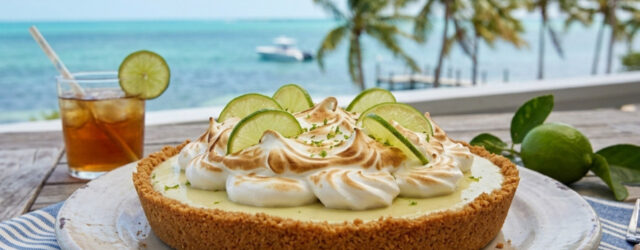
The most enduring Florida foods are anchored to local conditions rather than borrowed prestige. Key lime pie remains the clearest example: a dessert so closely tied to the state that Florida law designated it the official state pie in 2006. Its staying power comes from more than nostalgia. It is tart, simple, and built for a subtropical place where bright citrus flavors feel natural year-round.

Citrus, of course, is still central to Florida’s image even as the industry has endured enormous strain. USDA data for the 2024-25 season put Florida orange production at 12.2 million boxes, down 32% from the previous season, while the USDA’s Economic Research Service described that level as the lowest since 1931. Those figures help explain why orange juice remains emotionally bigger than the crop itself: it is not just a beverage but a symbol of the state’s agricultural identity.

Seafood tells the same story from the coast. Stone crab claws are one of Florida’s most distinctive seasonal foods, and the Florida Fish and Wildlife Conservation Commission says the legal harvest season runs from October 15 through May 1. That calendar matters. Enduring foods often depend on ritual, and Florida’s best-known dishes are strengthened by anticipation as much as availability.

They carry the imprint of migration and regional pride

Florida’s durable dishes also survive because they are social history on a plate. The Cuban sandwich, especially, endures because it reflects the movement of workers, families, and businesses between Cuba and Florida, with Tampa and Miami each claiming deep ownership of the form. Visit Florida notes that the debate over the sandwich’s origin still persists, while culinary historians often point to Tampa’s Columbia Restaurant, opened in 1905, as an early landmark in that story.

That argument has actually helped the sandwich last. A food becomes more powerful when communities defend it, adapt it, and insist that their version is the real one. In Tampa, salami is part of the classic build; in Miami, the version is often leaner and more austere. The rivalry keeps the sandwich alive not as a museum piece, but as a living regional identity.

Florida’s strongest dishes are rarely isolated recipes. They belong to neighborhoods such as Ybor City and Little Havana, where food, language, labor history, and family memory overlap. That is one reason these foods outlast trend-driven restaurant culture: they are backed by communities, not just menus.

The foods that last are the ones that feel inseparable from the state

What ties Florida’s enduring eats together is not luxury or even age alone. It is specificity. Key lime pie tastes like the Keys and old Florida hospitality. A Cuban sandwich evokes cigar factories, immigration, lunch counters, and argument. Stone crab claws summon marinas, fish houses, and the opening of the season.

These foods also balance accessibility with distinctiveness. None is so rarefied that it cannot become part of everyday life, yet each is recognizable enough to resist being flattened into generic American fare. That balance is crucial. A dish survives when locals claim it casually and visitors remember it vividly.

Even the pressures facing Florida food culture reinforce this point. Citrus greening, hurricanes, and development have changed the economics of what the state produces, according to UF/IFAS, AP reporting, and USDA researchers. But the foods with the strongest hold on Florida’s identity continue to endure because they are attached to place, season, and memory. In Florida, the eats that last are the ones that could belong nowhere else.

Denny’s Teams Up With a Famous Name for an Unexpected Menu Twist

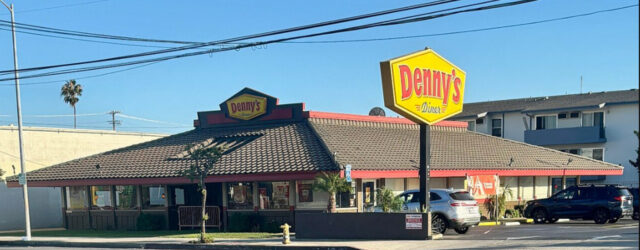
Denny’s took an unexpected turn in March 2025 when it paired its diner menu with one of the biggest names in tech. The limited-time NVIDIA Breakfast Bytes promotion mixed a familiar breakfast plate with a Silicon Valley backstory, and it was only available for a brief run.

What Denny’s Actually Launched

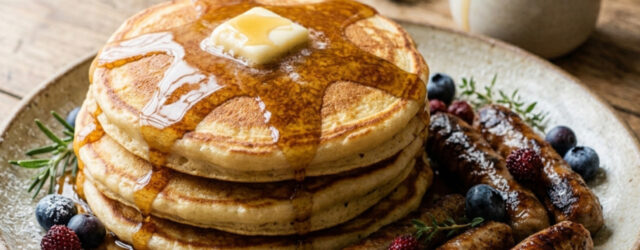
Denny’s announced NVIDIA Breakfast Bytes on March 19, 2025, in a company release distributed through GlobeNewswire. The chain described it as a special menu item with a tech-inspired twist, built around four sausage links, silver-dollar pancakes, and maple syrup. The promotion tied the dish to NVIDIA and to CEO Jensen Huang’s early history with the restaurant.

The item first appeared around NVIDIA’s GTC conference in San Jose, California. According to the company announcement, attendees sampled the breakfast on March 18, 2025, a day before Denny’s formally announced it. That detail matters because it shows the item was introduced as an event-driven collaboration, not as a standard systemwide menu addition.

Denny’s framed the promotion around the story that NVIDIA was born from conversations in a Denny’s booth. In the release, that connection was attributed to Huang and to Denny’s own telling of the company’s history. That is the careful way to view the origin angle, because the promotion itself was built on a shared narrative rather than on a permanent brand partnership.

Where It Was Available, and for How Long

This was not a nationwide dine-in launch. Denny’s said online carryout and delivery were available for a limited time through May 13, 2025, while dine-in service was limited to participating locations in the San Jose area. For anyone reading about it later, that distinction is the biggest practical detail: most customers could not walk into any Denny’s in the country and order it.

The short window also changes how the story should be framed now. Because the offer ended on May 13, 2025, it is a past promotion, not a current menu item. That keeps the coverage accurate and avoids making an old limited-time special sound newly available in October 2026.

For restaurant watchers, the promotion still says something useful about how chains market breakfast. Denny’s used a simple, recognizable plate, not a futuristic recipe, then connected it to a major cultural event in tech. That approach let the chain create conversation without overhauling its core breakfast identity.

Why the Promotion Still Stands Out

Restaurant collaborations usually lean on movies, candy brands, or seasonal flavors. A tie-in with NVIDIA was a more unusual move, which is part of why the Breakfast Bytes story still catches attention. It joined diner comfort food with a company better known for chips, AI, and gaming than for breakfast.

Denny’s has continued using pop culture partnerships in other ways. On April 15, 2026, the chain announced a Masters of the Universe themed menu promotion, showing that branded collaborations remained part of its marketing playbook. That later campaign was separate from NVIDIA Breakfast Bytes, but it helps place the 2025 launch in a broader pattern.

For home cooks and casual diners, the real takeaway is less about tech and more about how chains package familiar food. Breakfast Bytes was still a classic Denny’s style combination of sausage, pancakes, and syrup. What changed was the story around the plate, and for a limited time, that story was enough to turn a basic breakfast into a notable menu moment.

Golf Is Quietly Moving Into Places You Wouldn’t Expect to Find It

Denny's

Denny’s is bringing a new handheld item to more than 240 restaurants, and it is coming from a brand tied to Sofía Vergara and Manolo Gonzalez Vergara. Starting October 28, the chain says four Toma empanadas will be available at participating Denny’s locations in California, Arizona, Texas, and Florida.

What Denny’s is putting on the menu

According to Nation’s Restaurant News, the Denny’s lineup includes four empanadas, with two flavors described as exclusive to Denny’s. One is the Bacon, Egg, and Cheese Empanada, made with bacon, scrambled eggs, melted cheddar, peppers, and onions, and served with salsa.

The other flavors are Guava and Cheese, served with vanilla cream, Chicken in Salsa Verde, served with red salsa, and Beef, made with tomatoes, onions, and Kalamata olives and served with salsa. Nation’s Restaurant News reported that these items will be available for dine-in, takeout, delivery, and catering.

The broader Toma brand already has a grocery presence. Nation’s Restaurant News reported that Toma is a CPG brand created and distributed by Nestlé and is sold in the frozen aisle at retailers including Walmart. Nestlé Professional also said in a 2025 announcement that it partnered with TOMA to launch empanadas in foodservice, including beef and chicken varieties.

Where the rollout starts and how much it costs

The rollout is limited to more than 240 Denny’s restaurants across four states, according to Nation’s Restaurant News. The company did not provide a city-by-city list in the source material, so shoppers and diners will likely need to check with local restaurants for participation.

For in-store orders, Nation’s Restaurant News says guests can buy any two empanadas with chips and salsa as an entrée for $13.99. A single empanada with dipping sauce can be added to any meal for $5.99, and the item will also be available as part of a Triple Play Combo meal.

For off-premises orders, the publication reported two online-exclusive offers: one empanada and a beverage for $8.99, or any two empanadas and a beverage for $14.99. It also reported that Denny’s catering menu, which the chain added in August 2026, will offer 10 empanadas in one flavor or 20 empanadas in up to two flavors.

Why this matters for Denny’s menu strategy

Denny’s CEO Chris Bode told Nation’s Restaurant News that the brand’s demographics “skew Hispanic,” while the core menu has long leaned toward classic American breakfast fare. He said the chain wants to evolve the menu more strategically in the markets where it competes and called Toma Empanadas “a great vehicle” for that effort.

The same report said this is one of the first brand partnerships announced under Project Grand Slam, Denny’s revitalization plan introduced earlier in 2026 under Bode’s leadership. That makes the empanada launch more than a one-off special, even if the company has not said how long the items will stay on menus.

Manolo Gonzalez Vergara also told Nation’s Restaurant News that Denny’s asked for breakfast empanadas and that the team worked through multiple versions to get them right. He added that more collaboration could follow, including the possibility of pancakes in the future, though no additional menu items or dates were announced in the sourced material.

Where Costco’s Beef Actually Comes From May Not Be What You Expect

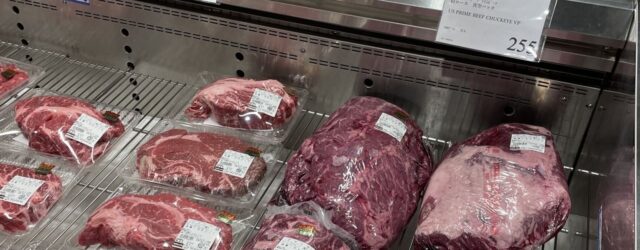
Costco sells a lot of beef, but the company does not present it as coming from one single place. Its public statements show a mix of sourcing by item, which is why shoppers may be surprised to learn that the answer depends on the specific package in the case or listing online.

Costco does not offer one simple origin answer

Costco says it is “unable to provide an all-inclusive list of items and their country of origin” on its customer service site. The company adds that if a shopper wants help with a particular item, Costco can research that request. That matters because it means there is no public, one page answer covering every beef product sold by the retailer.

That also helps explain why shoppers can come away with different assumptions. Some customers may expect Costco beef to be entirely American because the chain’s fresh meat departments are strongly associated with USDA graded beef. Older Costco materials describe the meat department as carrying USDA Choice beef, but that language does not mean every beef item across Costco’s business comes from the same source or country.

In practice, Costco’s public facing beef pages show that sourcing can vary widely by product and format. The company’s online beef assortment includes branded suppliers and imported products, which signals that origin is not one size fits all across the category.

Some Costco beef is clearly sourced outside the United States

One current example on Costco’s website is Silver Fern Farms Halal 100% Grass-Fed New Zealand 93% Lean Ground Beef. Another listing is a Silver Fern Farms 100% New Zealand Grass-Fed Steak Box. Those product pages make it plain that at least some beef sold through Costco comes from New Zealand, not the United States.

Costco also sells other beef products online under outside brand names, including steaks and roasts from specialty meat companies. Those listings reinforce the broader point that Costco’s beef case is a mix of suppliers rather than a single vertically uniform program. A shopper buying frozen patties, fresh steaks, or online delivery items may be buying from very different supply chains.

Costco’s sustainability materials make the same point in broader terms. The company says it sources products from suppliers around the globe, and its responsible sourcing pages say Costco sources beef from countries with lower deforestation risk. That is not a country by country shopping guide, but it does confirm that the company’s beef sourcing framework is international in scope.

What Costco does say publicly about its beef standards

Costco’s 2025 Sustainability Report gives one of the clearest public clues about its Kirkland Signature beef sourcing. In a biodiversity metric, the company reported that the percentage of Kirkland Signature beef not sourced from Argentina, Brazil, Colombia or Paraguay was 100% for FY25. That does not identify every country Costco does use, but it does show the company is tracking sourcing against specific higher risk regions.

The retailer also says it is an active member of the U.S. Roundtable for Sustainable Beef and that it follows recognized animal welfare audit standards and programs for animal products sold at Costco, including beef. For shoppers, that means the company talks more publicly about sourcing standards and risk controls than about a full itemized origin map.

So where does Costco’s beef actually come from. Based on Costco’s own materials, the most accurate answer is that it depends on the product. Some beef sold by Costco is clearly imported, including from New Zealand, while Costco’s public policies show a broader sourcing strategy shaped by product specific origin and responsible sourcing standards, not a single unexpected secret source.

Sam’s Club Has a Thanksgiving Offer Worth Knowing About Before the Rush

Sam’s Club has rolled out its 2026 Member’s Mark Thanksgiving Meal, and it is aimed at shoppers who want a mostly prepared holiday spread without building the menu item by item. The company announced the meal on October 15, 2026, and says it serves up to 16 people for about $160.

What Sam’s Club says is included

According to Sam’s Club, this year’s package is its biggest Thanksgiving meal yet. The retailer says the bundle includes 11 Member’s Mark items and can be prepared in about two hours, which puts the focus squarely on convenience for busy hosts.

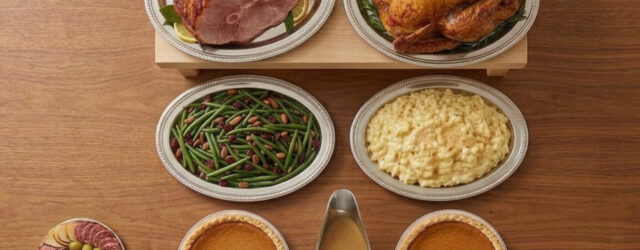
The meal lineup, according to Sam’s Club, includes boneless carver ham, hickory smoked turkey, Yukon Gold mashed potatoes, turkey gravy, two green beans with dried cranberries and almonds, two macaroni and cheese, sweet corn with garlic butter, cranberry crunch salad, yeast dinner rolls, a charcuterie entertainment tray, and two 12-inch pumpkin pies.

That mix matters because it goes beyond the usual turkey-and-sides setup. Sam’s Club says three of the additions this year are the charcuterie tray, ham, and turkey gravy, a sign that the club is trying to cover both the main meal and the kind of grazing table many families put out before dinner.

Where the offer applies and how it compares

Sam’s Club’s online Thanksgiving meal page also shows a smaller holiday option built around a 2025 Chef-Crafted Thanksgiving Meal that feeds 10 for under $100. That listing says the offer is valid at participating Sam’s Club locations in the continental U.S., and prices may vary in Puerto Rico and Hawaii. Sam’s Club’s current Thanksgiving shopping hub also highlights Thanksgiving foods, sides, desserts, and charcuterie options for the season.

For shoppers, the key takeaway is that Sam’s Club is clearly merchandising Thanksgiving as a bundled, prep-light occasion rather than just a turkey purchase. The larger 2026 meal announced by the company appears positioned for bigger gatherings, while the existing online holiday meal page shows how the retailer has framed value around a fixed guest count and simplified prep.

Availability language matters here. The company’s meal pages specify participating clubs, so shoppers should expect local stock and fulfillment options to vary. Sam’s Club also promotes pickup, curbside, and delivery services across its site, which could help members avoid some of the late-November store traffic if those options are offered for the items in their area.

What holiday shoppers should keep in mind now

If you are planning a Thanksgiving meal for a larger group, the practical advantage of a package like this is predictability. A fixed set of mains, sides, bread, and dessert can make it easier to budget space in the fridge, oven time, and the number of extra dishes you still need to cook at home.

It also helps to note what Sam’s Club is not promising. The company says the meal is available at participating locations, not every club, and its Thanksgiving pages tie some offers to the continental U.S. That means shoppers should verify their local club’s selection and fulfillment choices before assuming the same package is stocked everywhere.

Sam’s Club is also entering the heart of holiday planning season with Thanksgiving-specific merchandising already live on its website. For members who want a head start, that makes this less about a last-minute rescue and more about deciding early whether a ready-to-finish meal fits the kind of holiday table they want to serve.

A First-Time Aldi Shopper Came Home With Some Surprising Favorites

Aldi’s

A first trip to Aldi does not tell us what all new shoppers buy, but it can show what stood out on one real grocery run. In a Food & Wine article published October 16, 2026, writer Ryan Wharton shared six Aldi products he said he would buy again after shopping the chain for the first time.

What the Food & Wine article actually shows

The key point is scope. Food & Wine published a first-person shopping review, not a survey or a broader market study, so the strongest version of the story is that one first-time Aldi shopper found six products that impressed him enough to repurchase.

According to the article, two of those standouts were Clancy’s Roasted Garlic Bagel Chips and Bake Shop Apple Cider Doughnuts. Those items matter because they reflect two categories Aldi regulars often talk about, snacks and bakery finds, but the article itself only proves that they were favorites for one writer on one trip.

That distinction matters for readers. It keeps the story accurate and still leaves room for a useful takeaway: Aldi’s shelves can reward shoppers who are open to trying store brands instead of heading straight for familiar national labels.

Food & Wine’s piece also fits into a wider conversation around Aldi’s appeal. The chain’s private-label heavy approach means first-time shoppers are often encountering unfamiliar packaging and house brands rather than a standard supermarket mix, which can make a few standout purchases feel more memorable.

Why Aldi shopping can feel different on a first visit

Aldi itself says more than 90% of the products in its stores are Aldi-exclusive brands. That helps explain why a first-time shopper might come home talking about specific finds instead of comparing a cart full of national brands against another supermarket.

The shopping routine is different, too. Aldi’s customer guidance says shoppers use a quarter to unlock a cart, and then bag their own groceries after checkout. Those steps are familiar to regulars, but for a newcomer they can make the visit feel more intentional and a little less like a typical weekly supermarket stop.

The chain also describes its stores as designed with savings in mind, from the cart system to the layout and the brand mix. That does not prove any shopper will feel less overwhelmed, and it does not mean every product will become a repeat buy, but it does help frame why a first visit can stand out.

For home cooks, the practical takeaway is simple. Aldi tends to reward browsing in snack, bakery, pantry, and freezer sections where store-brand products can deliver strong value or something just different enough to feel like a discovery.

What shoppers can take from one writer’s favorites

The safest read on the Food & Wine list is not that these are the definitive Aldi starter products. It is that a skeptical or simply curious first-time shopper found enough quality in six purchases to say he would buy them again.

That is especially helpful with a chain built around exclusive labels. If more than 90% of the assortment is Aldi-exclusive, then first impressions are shaped by products many shoppers have never tried before, not by familiar national brands they already know how to judge.

Seasonality is worth keeping in mind too. The Bake Shop Apple Cider Doughnuts noted in the article are a seasonal bakery item, so shoppers should not assume they will be available year-round. Prices can also vary by store and over time, which makes broad claims about affordability harder to support from a single shopping story.

What this first-person review does offer is a grounded way to approach Aldi: expect a different shopping routine, expect lots of private labels, and pay attention to the categories where small surprises, like a bag of roasted garlic bagel chips or a box of bakery treats, can end up being the reason you go back.

The Salted Butters Turning Heads at This Year’s Dairy Showdown

Three salted butters took the top three places in Class 201 at the 2026 World Dairy Expo Championship Dairy Product Contest, and two of them are products many shoppers can buy at regular grocery stores. The official winners list confirms the ranking, while Food & Wine identified the retail products as Keller’s Creamery Salted Butter, Winn-Dixie’s Know & Love Salted Butter, and High Desert Milk Salted Sweet Cream Butter.

Which butters placed first, second, and third

The Wisconsin Dairy Products Association published the 2026 winners list for the World Dairy Expo Championship Dairy Product Contest on August 26, 2026. In Class 201, Salted Butter, first place went to Dairy Farmers of America in Winnsboro, Texas, second place went to The Winn-Dixie Company in Jacksonville, Florida, and third place went to High Desert Milk in Burley, Idaho.

The official class list names the entries as Salted 80% Butter from Dairy Farmers of America, Salted Butter from The Winn-Dixie Company, and Salted Sweet Cream Butter from High Desert Milk. Food & Wine matched those contest entries to the retail products shoppers are more likely to recognize on store shelves: Keller’s Creamery Salted Butter, Know & Love Salted Butter, and High Desert Milk Salted Sweet Cream Butter.

That retail naming matters because contest sheets often use product descriptions rather than package branding. For readers trying to spot the winners in a dairy case, the brand names are the useful part. In this case, the first place butter is tied to Keller’s Creamery, the second place butter to Winn-Dixie’s Know & Love label, and the third place butter to High Desert Milk’s own butter line.

What the contest is, and why these results stand out

The World Dairy Expo says the Championship Dairy Product Contest is sponsored by the Wisconsin Dairy Products Association and covers butter, cheese, yogurt, ice cream, fluid milk, whipping cream, sour cream, cottage cheese, whey, and other dairy categories. The organization says the contest gives processors a chance to showcase products in a national competition.

Food & Wine reported that the contest judges dairy products on flavor, texture, and aroma. That helps explain why the salted butter class draws attention beyond dairy industry circles. Butter is a basic kitchen staple, so an award in that category has direct meaning for home cooks comparing everyday options for baking, sautéing, and table use.

The 2026 results also show a mix of company types. Dairy Farmers of America is a large farmer owned cooperative, Winn-Dixie’s winning butter comes from a private label grocery brand, and High Desert Milk is a cooperative based in Idaho. For shoppers, that means the top three were not all niche premium butters, and at least two are tied to familiar grocery retail channels.

Where shoppers may find them, and what prices were reported

Food & Wine reported Keller’s Creamery Salted Butter at $4.54 per pound and said it is sold throughout the Philadelphia region at retailers including ShopRite, The GIANT Company, ACME, Redner’s, Boyer’s, Weis, Karns, and Safeway stores in the Maryland area. The same report listed Know & Love Salted Butter at $4.99 per pound at Winn-Dixie stores.

For High Desert Milk, Food & Wine reported an approximate price of $3.60 per pound for its Salted Sweet Cream Butter. High Desert Milk’s own website also shows that select butter products are available through its online shop, though the site does not list the contest winning butter price in the source material reviewed.

Prices and availability deserve a little caution. The amounts above were reported by Food & Wine and were presented as retail prices tied to those products, not as guaranteed current pricing in every store. Even so, the class results offer a practical shopping takeaway: three recognized salted butters, each tied to a specific brand name, all landed in a price range that keeps them within reach for everyday cooking.

Five Guys Has a Yearly Tradition Heading to the Big Screen

Five Guys has taken one of its best-known internal traditions to Prime Video. The burger chain released a five-episode docuseries, On The Line: The World Burger Games, on October 16, 2026, and says it is streaming in North America, Europe, and Australia.

What the new Five Guys series is about

The series follows the Five Guys Games, a competition open to the chain’s employees. According to Five Guys, the show starts with qualifying rounds around the world and moves through to the championship, turning a crew contest into a filmed event with a much bigger audience. Nation’s Restaurant News reported that the series was produced with Conor Schell’s Full Day Productions and Lost Tribe Creative.

Five Guys describes the program as its first docuseries. The company says the show captures the pressure and personalities behind one of its most celebrated traditions, while its FAQ page explains that the contest moves from local rounds to a final championship stage. That gives customers a rare look at the fast, repetitive skills that define the chain’s kitchens, but usually stay behind the counter.

The show was hosted by Charissa Thompson and showrun by Collin Orcutt, according to Nation’s Restaurant News. Full Day Productions has credits that include major sports and entertainment programming, which helps explain why this project leans into competition storytelling instead of feeling like a standard brand video.

How the Five Guys Games work

The Five Guys Games date back to 2013, when the Murrell family created them as a way to celebrate crew members, according to Nation’s Restaurant News. Founder Jerry Murrell said in a statement that the games began as a thank you to the people who make Five Guys what it is. The company’s own games page shows how the event now works as a bracketed contest that narrows the field to eight top competitors.

The competition tests skills tied directly to store operations. Nation’s Restaurant News said participants compete in events such as the potato race, cheese race, and dressing and quality control race. Five Guys also says competitors are judged on tasks tied to preparing, dressing, wrapping, and ticketing an All The Way burger and hot dog.

For restaurant fans, that makes the series a little different from a typical food documentary. It is not centered on menu development or celebrity chefs. Instead, it focuses on speed, consistency, and execution, the work that shapes what lands in the bag when a customer orders fries, burgers, or hot dogs.

Why this matters for Five Guys fans

The current championship story gives the series a real ending point. Five Guys said the 2026 Five Guys Games concluded on May 13 at The Theater at MGM National Harbor in Maryland, and the company announced the next day that Jonathan Martinez of Poughkeepsie, New York, won the world champion title. Nation’s Restaurant News reported that the grand prize was a $100,000 check.

Five Guys also says eight elite crew members reached the 2026 finals, which gives the docuseries a clear competitive arc for viewers who want more than a behind-the-scenes feature. Amazon’s October 2026 Prime Video lineup also listed On The Line: The World Burger Games, confirming the title as part of the platform’s current streaming slate.

For home cooks and restaurant watchers, the appeal is less about copying a burger at home and more about seeing how a chain builds consistency. Five Guys has turned its employee culture into something customers can actually watch, and that is still unusual in fast casual. If nothing else, the series offers a closer look at the people whose speed and precision shape every order.